
Biography coming soon.
Archivist's Choice
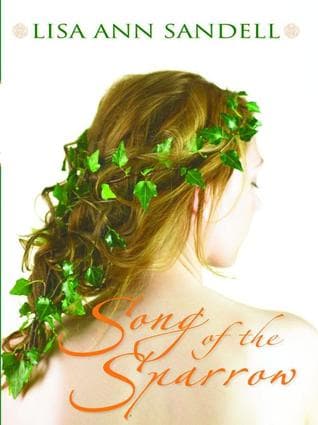
Song of the Sparrow
Lisa Ann Sandell (2007)
Genre
Fantasy / Historical Fiction / Young Adult / Romance
Reading Time
12 Minutes
Key Themes
See below
Track Your Reading
Sign in to track this book
In a world of knights and kings, a young woman's forbidden love for Lancelot is tested by the arrival of a rival and the looming birth of an empire.
Synopsis
In 490 AD, 16-year-old Elaine of Ascolat navigates a world of men at King Arthur's military base camp. The spirited daughter of one of Arthur's supporters, Elaine harbors a secret love for Lancelot, Arthur's second-in-command. Her only female confidante is Morgan, Arthur's enigmatic older sister, yet Elaine dares not reveal her true feelings to her. The arrival of the beautiful Gwynivere intensifies Elaine's emotional turmoil, sparking jealousy and rivalry as she grapples with the complexities of love and loyalty amidst the nascent stirrings of an empire.
Difficulty
Easy
Pacing
Moderate
Mood
Romantic, wistful, dramatic, adventurous
Plot Summary
The Camp at Ascolat
Sixteen-year-old Elaine lives with her father, Sir Bernard, at the fortified camp of Ascolat, a key base for King Arthur's fight against the invading Saxons. As the only young woman among hundreds of knights and soldiers, Elaine feels alone. Her days are filled with duties and quiet observation of the male-dominated world. Her closest female relationship, though complicated, is with Morgan, Arthur's older sister, who often gives cryptic advice and shows a sharp mind. Elaine has a deep, secret love for Sir Lancelot, Arthur's most trusted knight. She believes this love is unrequited and impossible given her status and his dedication to Arthur. She often watches him from afar, dreaming of a different life.
A New Arrival: Gwynivere
The camp buzzes with news of an important arrival: Princess Gwynivere, a beautiful and spirited young woman from a powerful allied kingdom. Her presence is meant to solidify political alliances, and it is widely rumored that she is intended to be Arthur's queen. Elaine is immediately struck by Gwynivere's beauty and poise, but also by a growing sense of unease. Gwynivere, despite her royal status, is friendly and quickly seeks Elaine's companionship, seeing a similar spirit in the isolated girl. However, Elaine finds herself increasingly conflicted, struggling with her growing jealousy as Gwynivere easily captures the attention and admiration of the camp, including, to Elaine's dismay, Lancelot.
The Seeds of Friendship and Rivalry
Despite her internal struggles, Elaine tries to build a friendship with Gwynivere. They spend time together, sharing stories and observations, and Elaine finds herself drawn to Gwynivere's lively spirit. However, the rivalry, fueled by Elaine's secret love for Lancelot, remains. Elaine notices the subtle glances and growing ease between Gwynivere and Lancelot, which only intensifies her feelings of inadequacy and heartbreak. Morgan, always observant, offers obscure warnings to Elaine about love and power, hinting at the tragic consequences that can arise from unchecked desires. Elaine feels caught between her desire for friendship and her overwhelming jealousy.
Lancelot's Confession
One day, Lancelot seeks out Elaine, surprising her with a heart-to-heart conversation. He confesses that he feels a deep affection for her, acknowledging her quiet strength and unique spirit. He admits that he has noticed her and cares for her deeply, but also expresses his strong loyalty and duty to Arthur and the growing kingdom, implying that his path is not his own. This confession both delights and devastates Elaine. It confirms her feelings are not entirely unrequited, yet simultaneously shows the impossibility of their relationship. She is left more confused and heartbroken than before, grappling with his words and the reality of his commitment to Arthur's cause.
The Royal Wedding
The highly anticipated wedding of King Arthur and Princess Gwynivere takes place, a grand and solemn affair that symbolizes the unification of kingdoms and the promise of a stable future for Britain. Elaine, along with the rest of the camp, witnesses the ceremony. While she is happy for Arthur and understands the political necessity, her heart aches for Lancelot and the life she can never have with him. She watches Gwynivere, now Queen, with a mixture of admiration and lingering envy. The wedding marks a significant turning point for Arthur's kingdom and for the personal relationships within the court, setting in motion events with far-reaching consequences.
Elaine's Despair and Isolation
Following the wedding, Elaine is consumed by despair. Her unrequited love for Lancelot, coupled with the constant presence of Gwynivere, becomes unbearable. She withdraws from the social life of the camp, spending her days alone, often by the river. Her father, Sir Bernard, notices her sadness and tries to comfort her, but Elaine struggles to articulate her pain. Morgan, observing Elaine's emotional turmoil, continues to offer cryptic advice, urging Elaine to find her own strength and purpose beyond unrequited love. Elaine feels increasingly isolated, her world shrinking around her heartbreak.
Morgan's Dark Prophecy
Morgan, sensing Elaine's deep emotional distress, seeks her out and shares a chilling prophecy. She speaks of a future where love, loyalty, and betrayal will intertwine, leading to the downfall of Arthur's dream. She hints at the destructive power of a love triangle involving Arthur, Gwynivere, and Lancelot, and the devastating consequences it will have for all involved, including Elaine. Morgan's words are unsettling and vague, yet they resonate with a dark truth that Elaine instinctively recognizes. The prophecy leaves Elaine with a deep sense of dread, forcing her to confront the potential for tragedy within the seemingly glorious court of Camelot.
The Lady of Shalott
Inspired by Morgan's warnings and her own internal turmoil, Elaine begins to channel her emotions into her weaving. She creates tapestries depicting scenes from the camp, the knights, and her own hidden feelings. This artistic outlet becomes her refuge and a way to process her experiences. She finds a sense of purpose and identity in her craft, transforming her heartbreak into something beautiful and meaningful. Her work becomes a quiet protest against the expectations placed upon her and a way to assert her own voice in a world that often silences women. Through her art, Elaine begins to forge her own path, separate from the romantic entanglements of the court.
A Tragic Vision and a Difficult Choice
As the camp prepares for battle, Elaine has a vivid, almost prophetic, dream or vision of Lancelot gravely wounded. The vision fills her with renewed fear and a desperate urge to be near him. She grapples with the intense desire to rush to his side, to offer comfort and aid, even if it means exposing her feelings and risking further heartbreak. However, she also remembers Morgan's warnings and the pain she has already endured. This moment becomes a turning point, forcing Elaine to choose between succumbing to her passionate, yet ultimately destructive, love for Lancelot, or embracing her newfound independence and self-preservation.
Elaine's Departure
Ultimately, Elaine decides to leave Ascolat. She realizes that remaining in the camp, perpetually in the shadow of Lancelot and Gwynivere's growing affections, will only lead to continued heartache and prevent her from finding her own happiness. She confides in her father, who, though saddened, understands her need for a different path. Elaine embarks on a journey, not towards another love, but towards self-discovery and a life where her artistic talents can flourish. Her departure symbolizes her liberation from the destructive cycle of unrequited love and her commitment to forging an independent identity, separate from the tragic destiny of Camelot.
Principal Figures
Elaine of Ascolat
The Protagonist
Elaine transforms from a lovesick, isolated girl into a self-aware artist who chooses independence over destructive, unrequited love.
Sir Lancelot
The Supporting
Lancelot remains steadfast in his loyalty to Arthur, even as he grapples with nascent, conflicting affections.
Gwynivere
The Supporting
Gwynivere transitions from a royal bride to be to the queen, unknowingly becoming central to a tragic romantic entanglement.
Morgan
The Supporting
Morgan remains a mysterious, wise observer, imparting crucial warnings and guidance to Elaine.
King Arthur
The Supporting
Arthur solidifies his reign and establishes his kingdom, unknowingly setting the stage for future betrayal.
Sir Bernard
The Supporting
Sir Bernard remains a constant source of paternal support for Elaine, ultimately accepting her need for independence.
Themes & Insights
Unrequited Love and Heartbreak
The central emotional conflict of the novel is Elaine's deep, secret love for Lancelot, which is never fully returned. This theme explores the pain, jealousy, and despair that come with loving someone who is unavailable or committed to another. It highlights the isolating nature of unshared feelings and the struggle to move past an impossible love. The novel uses Elaine's experience to show how unrequited love can shape one's identity and lead to personal growth or prolonged suffering.
“How could I have been so blind, so foolish, to think a man like him, dedicated to a king and a kingdom, would ever truly see me?”
Female Agency and Identity
In a world dominated by men and their battles, the novel explores the struggle of young women like Elaine and Gwynivere to find their own identities and exert control over their lives. Elaine, as the sole young woman in a military camp, feels constrained by expectations and limited roles. Her journey to becoming the 'Lady of Shalott' through her weaving shows her quest for self-expression and an identity independent of male validation or romantic entanglements. The theme questions the roles assigned to women in historical narratives and celebrates individual choice and creative expression.
“I would not be a pawn in their game, nor a shadow in their glory. I would be Elaine, and I would weave my own story.”
Duty vs. Desire
This theme is shown through Lancelot's character, who is torn between his personal affections and his strong loyalty and duty to King Arthur and the new kingdom. It also touches upon Gwynivere's role, as her marriage is a political necessity rather than purely a love match. The novel explores the sacrifices individuals must make for the greater good, and the personal cost of upholding one's obligations, particularly in a time of empire-building. It highlights how societal expectations and grand ambitions can clash with individual desires, leading to tragic consequences.
“My heart may yearn for one path, but my sword, and my very soul, are sworn to another.”
The Power of Art and Storytelling
Elaine's transformation into the Lady of Shalott, a weaver who captures the world around her in tapestries, shows the power of art as a way to process emotion, assert identity, and leave a lasting legacy. Her weaving allows her to transcend her immediate circumstances and create her own narrative, separate from the epic tale of Arthur. The novel suggests that while grand historical events unfold, individual stories, particularly those captured through creative expression, hold immense value and offer a different kind of truth and immortality.
“In the threads of my loom, I found not just solace, but a voice. A way to tell my truth, even if no one else would hear it.”
Plot Devices & Literary Techniques
First-Person Narrative (Elaine's Perspective)
Offers intimate access to Elaine's internal world.
The story is told entirely from Elaine's point of view, allowing readers deep insight into her thoughts, feelings, and secret desires. This device builds strong empathy for her character and intensifies the emotional impact of her unrequited love and isolation. It also limits the reader's knowledge to only what Elaine perceives, creating suspense and allowing for dramatic irony regarding the larger events of Arthur's court, particularly the growing tension between Lancelot and Gwynivere that Elaine observes but doesn't fully comprehend the future implications of.
Foreshadowing (Morgan's Prophecies)
Hints at future tragedy and the legendary fate of Camelot.
Morgan's cryptic warnings and dark prophecies about the intertwining of love, loyalty, and betrayal serve as significant foreshadowing throughout the novel. These hints, though often vague, allude to the well-known tragic elements of the Arthurian legends, particularly the love triangle between Arthur, Lancelot, and Gwynivere. This device creates a sense of impending doom and heightens the emotional stakes, allowing the reader to anticipate the heartbreak and downfall that Elaine is trying to escape, even as the characters within the story remain largely oblivious to their predetermined fates.
Symbolism (The River and Weaving)
Represents change, isolation, and artistic expression.
The river that runs by Ascolat symbolizes both the passage of time and Elaine's emotional isolation, offering a place of solace and reflection. Her subsequent weaving, which evolves into the iconic 'Lady of Shalott' motif, is a powerful symbol of her artistic expression, her inner world, and her developing identity. The threads and patterns represent her ability to transform her pain into beauty and to create her own narrative, independent of the courtly drama. These symbols underscore Elaine's journey from passive observer to active creator of her own destiny.
Critical analysis
Notable Quotes
Quiz
Test Your Knowledge
Ready to see how well you understood this book? Take our interactive quiz with 10 questions.
10
Questions
~5
Minutes
?
Best Score
Key Questions (FAQ)
'Song of the Sparrow' is a young adult novel that blends fantasy, historical fiction, and romance. It is set in the year 490 AD during the time of King Arthur.







