“First of all, it was October, a rare month for boys.”
— Opening line setting the autumnal mood.

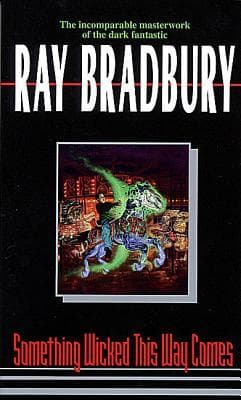
Ray Bradbury (1962)
Genre
Fantasy / Mystery / Science Fiction / Young Adult
Reading Time
350 min
Key Themes
See below
Sign in to track this book
When a sinister carnival visits their quiet town, two young boys must confront its dark magic and the terrible cost of their deepest desires before it consumes everything.
On an ordinary October night in Green Town, Illinois, thirteen-year-old Will Halloway and his best friend, Jim Nightshade, are drawn to the edge of town. They see the midnight arrival of a mysterious carnival, Cooger & Dark’s Pandemonium Shadow Show, which rolls into town silently, its calliope playing a silent, seductive tune. The carnival's tents are instantly erected, appearing as if by magic. The boys feel a mix of fear and intense curiosity, sensing that this is no ordinary fair. This secret arrival sets an ominous tone, hinting at supernatural events to come, and immediately establishes the carnival as a powerful, evil entity.
The next day, Will and Jim sneak back to the carnival. They find the carousel, which operates in reverse to make riders younger and forward to make them older. They watch Mr. Cooger, one of the carnival owners, ride the carousel backwards, transforming from an old man into a young boy. Jim, fascinated by the idea of instant adulthood and the power it offers, is tempted to ride it. Will, however, senses the danger and unnaturalness of the machine, pulling Jim away from its spell. This scene shows their personalities: Jim’s impulsive nature versus Will’s cautious intuition, and establishes the carousel as the main instrument of the carnival's dark magic.
Miss Foley, the boys' lonely, aging seventh-grade teacher, is lured by the carnival's promise of youth. She rides the carousel, becoming a young girl again, but the experience is not what she expected; she is left disoriented and miserable. Will and Jim, seeing her transformation and misery, try to warn her and help her escape the carnival. They manage to pull her away, but the carnival's influence is strong, and Miss Foley is confused and resists their help. This event makes the boys understand the carnival's evil nature and the tragic results of its false promises, deepening their resolve to fight it.
As the boys become more involved in exposing the carnival's secrets, they attract the attention of the Dust Witch, a blind woman who can 'see' with her skin and has strong psychic powers. She tries to capture them, using a hot air balloon to pursue them through the town. Will and Jim evade her, but the chase is terrifying and relentless, showing the carnival's willingness to use its dark magic to silence those who threaten it. This intense pursuit reinforces the danger the boys are in and the formidable power of their adversaries, increasing the conflict.
Will's father, Charles Halloway, a melancholic and aging library janitor, at first dismisses the boys' fantastic tales. However, after seeing Mr. Dark's sinister presence and the carnival's strange effects on the townspeople, he slowly begins to believe them. He confronts Mr. Dark in the library, where Dark tries to intimidate him with illusions and threats. Charles, armed with his knowledge and love for his son, realizes the evil at play. His involvement shifts the story, bringing an adult perspective and a deeper understanding of the carnival's threat, and he becomes an unexpected ally in the fight.
During a desperate chase, Will and Jim are trapped in the carnival's Hall of Mirrors. Mr. Dark and the Dust Witch confront Charles Halloway there, trying to break his spirit and capture the boys. Charles, remembering advice about facing fear with joy, begins to laugh. His genuine, heartfelt laughter, initially forced, becomes infectious and powerful, shattering the carnival's illusions and weakening its hold. The mirrors crack, the Dust Witch is disoriented, and Mr. Dark is momentarily stunned. This moment shows laughter and joy as strong weapons against the carnival's dark magic.
In desperation, Jim gives in to the carousel's appeal and rides it forward, aging himself prematurely. The transformation leaves him frail, ancient, and near death, a horrifying sign of the carnival's corrupting power. Will and Charles rush to his aid, horrified by his state. Charles, using warmth, love, and laughter, tries to bring Jim back. Will, heartbroken by his friend's condition, also contributes his youthful energy and love. This scene is emotional, showing the dire consequences of the carnival's magic and the deep bond between the characters.
Mr. Dark, weakened by Charles's laughter, attempts a final assault. He tries to crush Charles's spirit by revealing his own tattooed body, which shows all the carnival's victims, including an image of a dying Jim. Charles, however, refuses to give in to despair. He embraces his love for Will and for life itself, focusing on simple joys and a renewed sense of purpose. With a final, powerful laugh and a loving touch, Charles embraces Mr. Dark, effectively 'killing' him with pure joy and affection. Mr. Dark crumbles into dust, his power dissolving under the force of human connection.
With Mr. Dark defeated, the entire carnival begins to unravel. The tents collapse, the rides stop, and the magical illusions disappear. The carnival, a manifestation of fear and despair, cannot exist without its master's dark will. The other carnival freaks and victims, now free from their enchantment, either disappear or revert to their original forms, no longer bound by the spell. The wind carries away the last remnants of the Pandemonium Shadow Show, leaving Green Town purged of its sinister influence and restoring peace to the community. The town remembers the strange events as a dream or a nightmare.
As the sun rises, Will and Jim, now fully recovered, and Charles Halloway survey the empty field where the carnival once stood. The experience has changed them. Charles feels a renewed sense of youth and purpose, having conquered his own fears and embraced life. Jim has learned the dangers of wishing for things too quickly and the value of his own childhood. Will, always cautious, understands the importance of joy and simple goodness in combating evil. They walk away, forever bound by their shared ordeal, carrying the lessons of the carnival with them, ready to face the future with a deeper appreciation for life and its simple pleasures.
The Protagonist
Will learns to embrace and actively use his inherent goodness and joy as a weapon against evil, moving from passive resistance to active defense.
The Protagonist
Jim learns the painful lesson that some desires come with a terrible cost, ultimately choosing the innocence of youth over the corrupting allure of power.
The Protagonist/Supporting
Charles overcomes his profound melancholy and fear of aging, finding renewed purpose and joy by actively fighting the carnival's evil with the power of love and laughter.
The Antagonist
Mr. Dark is ultimately defeated and destroyed by the pure, unadulterated joy and love embodied by Charles Halloway.
The Antagonist
The Dust Witch is weakened and ultimately defeated by Charles Halloway's laughter, becoming a powerless figure.
The Supporting
Miss Foley falls victim to the carnival's lure, highlighting the tragic consequences of wishing for a return to the past.
The Supporting
Mr. Cooger becomes a victim of his own carnival's magic, trapped in a state of perpetual youth, highlighting the dangers of the carousel.
The Mentioned
The Dwarf's static state serves as a warning to those tempted by the carnival's promises.
The central theme explores the struggle between good and evil, shown by the carnival's dark magic and the goodness of Will, Jim, and Charles. The carnival, led by Mr. Dark, thrives on fear, regret, and unfulfilled desires, offering false promises that lead to misery. Goodness is represented by love, laughter, friendship, and accepting life's natural progression. The novel argues that simple joy, genuine connection, and courage are the most potent weapons against despair and evil. This is clearly shown when Charles Halloway defeats Mr. Dark not with strength, but with pure, heartfelt laughter in the Hall of Mirrors.
“For the first time in his life, Charles Halloway was not afraid. He was not afraid of the carnival, not afraid of his age, not afraid of anything. And then, he laughed.”
The carnival preys on people's deepest, often hidden, desires and regrets, offering to grant wishes for youth, beauty, or escape. However, these wishes always come with a terrible, unforeseen cost, twisting the desired outcome into a grotesque parody or a source of misery. Miss Foley wishes for youth but becomes a confused, unhappy child. Jim wishes for adulthood and nearly dies as an ancient man. The theme warns against the dangers of seeking shortcuts or unnatural transformations, and the importance of appreciating the present and the natural order of life. The carnival's victims are those who succumb to these tempting, but destructive, desires.
“Be careful what you wish for. You may get it.”
The novel explores the complex transition from childhood innocence to adult experience, especially through Will and Jim. Jim yearns for the perceived freedom and power of adulthood, making him susceptible to the carnival's promises. Will, conversely, cherishes his childhood, sensing the dangers of rushing into the unknown. Charles Halloway, an adult, grapples with past regrets and the fear of aging, ultimately finding a renewed sense of purpose and a 'second childhood' through his love for his son. The story suggests that true maturity involves embracing life's stages, rather than trying to escape them, and that the best of both childhood and adulthood can be integrated.
“Oh, God, let me be a boy again, so I don't have to watch myself die.”
Against the carnival's forces of fear and despair, joy and laughter become the ultimate weapons. The carnival feeds on sadness and regret, making people miserable. Charles Halloway discovers that genuine laughter, born from love and acceptance, can shatter the carnival's illusions and weaken its power. His laughter, initially forced, becomes a powerful, infectious force that defeats the Dust Witch and ultimately Mr. Dark himself. This theme highlights Bradbury's belief in the resilience of the human spirit and the transformative power of positive emotions in the face of darkness, suggesting that happiness is not just an antidote, but an active force against evil.
“Laugh! Laugh as loud as you can! Make it good!”
The bonds of friendship between Will and Jim, and the familial love between Will and Charles Halloway, are essential to their survival and the carnival's defeat. Their loyalty, mutual support, and deep affection provide them with strength and motivation in the face of terrifying odds. Jim's near-death experience shows the depth of Will's concern, and Charles's love for Will empowers him to overcome his own fears and confront Mr. Dark. These relationships show that human connection and love are powerful forces that can resist and ultimately overcome the isolating and corrupting influence of evil.
“He loved his father, all right. He loved him more than anything. And that was a weapon.”
A magical, time-altering ride that grants wishes of youth or age.
The carousel is the central magical artifact of Cooger & Dark's carnival. When ridden forward, it ages a person; when ridden backward, it makes them younger. This device serves as the primary temptation and instrument of the carnival's power, allowing it to prey on people's desires for youth or experience. However, its transformations are always imperfect and come with a terrible cost, leaving its riders disoriented, miserable, or physically twisted. It symbolizes the dangerous allure of unnatural change and the irreversible consequences of meddling with time.
A distorting funhouse attraction used to disorient and trap victims.
The Hall of Mirrors is a classic funhouse attraction that the carnival uses to amplify fear and confusion. Its distorting reflections twist reality and make it difficult to navigate, serving as a physical manifestation of the carnival's psychological manipulation. It's in this setting that Charles Halloway has his pivotal confrontation with Mr. Dark and the Dust Witch, where his laughter shatters the illusions, demonstrating how genuine joy can overcome fabricated fear and distorted reality. It symbolizes the carnival's ability to warp perception and the power of truth to break through falsehoods.
Living illustrations on Mr. Dark's body that represent his victims.
Mr. Dark's body is covered in intricate tattoos, each one a living, moving image of the carnival's victims and attractions. These tattoos are not merely decorative; they are a physical manifestation of his power and his collection of lost souls. They allow him to conjure illusions, summon his freaks, and mentally torment his adversaries by showing them their own fears or the suffering of others. The tattoos symbolize the carnival's ability to capture and control people, literally marking them as its own, and Mr. Dark's ultimate defeat involves these tattoos fading and crumbling, releasing his hold on his victims.
A silent, seductive musical instrument that draws people to the carnival.
The calliope, an organ-like instrument, is one of the first magical elements introduced. It plays a silent, yet powerfully seductive, tune upon the carnival's arrival, drawing people in with an irresistible, almost hypnotic allure. It's a symbol of the carnival's insidious nature – its ability to lure victims without a sound, making its presence felt deeply before it is physically seen. The silent music represents the unspoken desires and regrets that the carnival preys upon, a siren song for the soul.
“First of all, it was October, a rare month for boys.”
— Opening line setting the autumnal mood.
“The unread books were the best. The books that were still a mystery, that were still an adventure. The books that were still a promise.”
— Will Halloway reflecting on the allure of unread books in the library.
“The most important thing is to be in a good mood.”
— Charles Halloway offering advice to Will.
“For some, the carnival was a place of delight, a place of magic, a place of wonder. For others, it was a place of terror.”
— Describing the dual nature of the carnival's appeal.
“A smile is a net in which you catch friends.”
— Mr. Dark using a seemingly benign phrase, but with sinister undertones.
“The only way to fight a shadow is to shine a light on it.”
— Charles Halloway realizing the power of joy and laughter against the carnival's darkness.
“Be kind. Be kind, above all, be kind.”
— A recurring theme emphasizing the importance of human compassion.
“He knew that the carnival was a trap, a lure, a spider's web.”
— Jim Nightshade's growing awareness of the carnival's true nature.
“Sometimes the only way to win is to lose.”
— A paradoxical truth learned in the fight against the carnival.
“The carnival was a mirror, reflecting what you wished and what you feared.”
— Explaining how the carnival preys on desires and anxieties.
“Laughter is the most beautiful sound in the world.”
— Charles Halloway using laughter as a weapon against the carnival's darkness.
“The greatest joy in life is to be loved.”
— A simple, profound statement on the core human need.
“Death doesn't like to be laughed at.”
— Charles Halloway understanding the vulnerability of the carnival's dark forces to joy.
“Every man must be a God, to some extent.”
— A deeper philosophical thought about individual power and responsibility.
Ready to see how well you understood this book? Take our interactive quiz with 10 questions.
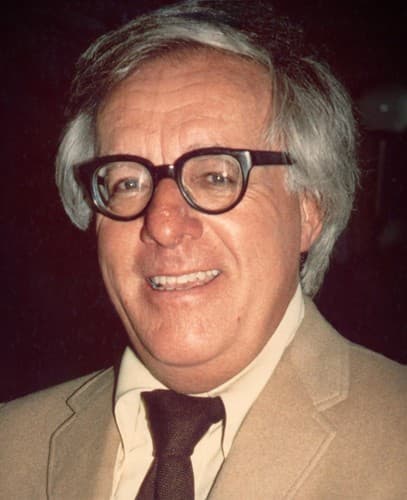
Ray Douglas Bradbury was an American author and screenwriter. One of the most celebrated 20th-century American writers, he worked in a variety of modes, including fantasy, science fiction, horror, mystery, and realistic fiction.







