“There are no innocent men, only different degrees of guilt.”
— Eckerd's cynical view of humanity and justice.

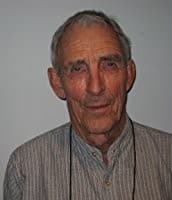
Peter Matthiessen (2008)
Genre
Literary Fiction / Historical Fiction / Mystery
Reading Time
1500 min
Key Themes
See below
Sign in to track this book
In the Florida Everglades, a sugar planter's violent death at the hands of his neighbors uncovers ambition, racism, and the American frontier's lasting impact, as his son tries to understand what happened.
The novel starts with Edgar J. Watson's violent death on October 24, 1910, in Chokoloskee, Florida. Watson, a successful but feared sugar planter in the Everglades, tries to dock his boat but is met by many armed neighbors. Despite his attempts to talk, they shoot him many times and leave him to die; his body is later dragged away. This violent act follows years of suspicion, fear, and accusations of murder against Watson. His son, Lucius, sees the aftermath and is deeply affected by his father's body. The community, relieved but uneasy, quickly leaves, leaving the mystery of Watson's life and death.
After his father's death, Lucius Watson feels he must understand the truth about the accusations and the killing. He interviews many people who knew his father, including family, former workers, neighbors, and enemies. These interviews form the core of the novel, showing many, often conflicting, views of E.J. Watson. Lucius travels across Florida and beyond, collecting fragmented stories and memories. He hopes to build a clear picture of the man who was both admired and hated. His search is driven by grief, loyalty, and a desperate need for answers.
Through the stories, especially from his wife, Jane, and other relatives, Watson's early life in Kentucky is told. Watson, from a respectable but troubled family, is ambitious from a young age. He gets involved in a violent family feud, ending in the killing of Zachariah Jones. Though Watson says it was self-defense, the event marks him as a killer and forces him to leave Kentucky, abandoning his first wife and child. This incident shows a pattern of violence and escape that will shape much of his life, leading him to the wild Florida frontier.
Watson arrives in Florida, a place with opportunity and little law. He settles in the remote Everglades, buying large amounts of land and starting a successful sugar cane plantation on Chatham Bend. He is known for his hard work, his ability to manage many workers (including Black and Seminole laborers), and his new farming methods. He builds a large home and brings his family, including his second wife, Jane, and their children. Despite his success, his demanding nature and quick temper, combined with his reputation from Kentucky, start to create fear and anger among his neighbors.
As Watson's plantation grows, several mysterious disappearances and deaths happen among his workers and associates. These include the outlaw Bill Bowles, whom Watson is suspected of killing, and other workers who challenge him or ask for pay. No clear proof is ever found, but the community increasingly blames these events on Watson's harsh methods and his willingness to get rid of anyone who opposes him. The isolation of the Everglades and the lack of strong law enforcement allow these suspicions to grow, turning fear into strong tension around Watson.
A powerful cyclone hits the Chatham Bend area, causing much destruction and loss of life. After the storm, a 'bloody shirt' belonging to one of Watson's missing workers, Dutchy, is found. This discovery, along with Watson's alleged lack of concern during the disaster and his unwillingness to help neighbors, increases the anger. The community, already wary, sees these events as more proof of Watson's guilt in the disappearances. The hurricane is a turning point, strengthening the community's decision to remove what they see as a danger.
Aware of the growing suspicion, Watson tries to clear his name sometimes. He sometimes tries to explain the disappearances, giving believable (though often unconvincing) reasons for the deaths of his workers. He travels to Key West for legal advice and even tries to work with authorities. However, his past and intimidating manner work against him. The community, tired of his perceived control and constant fear, begins to openly talk about taking action themselves. Everything is set for the inevitable confrontation.
Through Jane Watson's detailed memories, the close and often difficult dynamics of the Watson family are shown. Jane, a strong woman, loves her husband but is also deeply bothered by his darker side and the constant threat of violence around him. She sees his ambition, his rages, and his occasional kindness. Her view offers a key contrast to the outside rumors, showing a more complex picture of Watson as a husband and father, though his actions ultimately bring tragedy and fear to his family.
In the days before his death, Watson knows the danger against him is growing. He travels to Key West, supposedly for supplies, but also to gauge the community's mood. Despite warnings from friends and family, he decides to return to Chokoloskee, believing he can talk to his neighbors or assert his authority. His return trip is full of tension. As his boat nears the dock, the armed group, led by figures like Leslie Cox and others who have long feared him, waits. Watson, though armed, hesitates, perhaps hoping for one last chance to talk, but he gets none. The shots ring out, ending his life and the control he represented.
Decades after the killing, Lucius Watson, now an old man, still reviews the stories and his own memories. He never fully reconciles the conflicting images of his father: the hardworking pioneer, the loving family man, and the ruthless killer. The novel ends with Lucius still struggling to find a clear truth, recognizing that the full story of E.J. Watson remains hidden in the 'shadow country' of conflicting stories and the inherent unknowability of another person's mind. The legacy of violence, racism, and the wild frontier continues to affect the land and its people.
The Protagonist/Antagonist
From a young man fleeing a murder charge in Kentucky, he builds an empire in Florida, only to be consumed by his violent nature and the community's fear, leading to his assassination.
The Supporting/Narrator (Frame)
From a grieving son, he transforms into a relentless investigator, grappling with the moral ambiguities of his father's life without ever fully resolving the enigma.
The Supporting
She endures a life of hardship and fear as Watson's wife, maintaining her family and providing a grounded, albeit biased, account of his life.
The Supporting
He comes to terms with his father's violent nature, accepting the community's judgment as a necessary consequence of Watson's actions.
The Supporting
Driven by fear and a sense of communal safety, he transitions from wary neighbor to the leader of the vigilante group that executes Watson.
The Supporting/Mentioned
He serves as an embodiment of the law's impotence in the face of frontier violence and Watson's cunning.
The Mentioned
His story is recounted through others' testimonies, his disappearance serving as a major piece of circumstantial evidence against Watson.
The Mentioned
His disappearance and the discovery of his shirt are pivotal in turning the community decisively against Watson.
The Mentioned
Her story is part of Watson's past, illustrating his early capacity for abandonment and violence.
The novel shows how truth is subjective and broken, especially with oral histories and conflicting accounts. Lucius Watson's long search to understand his father is often stopped by the many, often contradictory, stories from those who knew E.J. Watson. Each person's memory is filtered through their own experiences, biases, and fears. This makes finding a clear, objective truth about Watson's life and guilt impossible. The book suggests that history, especially frontier history, is less a collection of facts and more a mix of competing stories, always leaving parts of the past hidden.
“What is the truth of a life? Only what's remembered, and that is never the whole.”
Matthiessen clearly shows the wild Florida Everglades around 1900 as a true frontier where official law and order are weak or absent. This environment allows people like E.J. Watson to succeed, building empires through ambition and violence. Justice is often carried out through vigilante actions. The landscape itself is a character, isolating communities and allowing secrets to be kept and crimes to go unpunished. The novel looks at the moral compromises and harsh needs that arise when people must create their own rules without established authority, showing the fine line between pioneer and outlaw.
“This was shadow country, where law was a distant rumor and a man made his own.”
Violence is everywhere in the novel, from the Kentucky feuds of Watson's youth to his own brutal death and the lasting trauma it causes his family. The book explores how violence creates more violence, and how a reputation for ruthlessness, once gained, is impossible to lose. Watson's violent actions, whether justified or not, create a fearful atmosphere that ultimately leads to his death. The cycle extends beyond his death, as his son Lucius is consumed by this legacy of violence, always trying to understand its origins and impact. This suggests that past brutality continues to affect future generations.
“A man's shadow, once cast, can never truly be outrun.”
The novel directly shows the deep racism common in the early 20th-century American South. E.J. Watson's workforce includes Black and Seminole workers, who are often exploited, underpaid, and treated brutally. Their disappearances and deaths are often dismissed or ignored by authorities. This shows the systemic dehumanization and lack of protection for non-white populations. The 'shadow' of old racism, as Watson's wife notes, 'still affects the nation,' showing how racial inequality was a key part of the frontier's economy and society, allowing people like Watson to act with little punishment.
“That old archaic racism still casts its shadow over the nation.”
Matthiessen questions the traditional American idea of the pioneering 'great man' by showing E.J. Watson as a very capable and ambitious person, but also one with deep moral uncertainty. Watson is a builder who turns wilderness into productive land, showing self-reliance and enterprise. However, this 'greatness' is linked to ruthlessness, violence, and a disregard for human life. The novel asks if such 'great men' are truly heroes or simply powerful people whose achievements are built on exploitation and fear. It reveals the darker side of the American dream and the cost of settling a wild land.
“He was a great man, they said, but what kind of great was that?”
The story is told through a mosaic of conflicting accounts from various characters.
Matthiessen employs a complex narrative structure where the story of E.J. Watson is pieced together through the fragmented, often contradictory, testimonies of numerous characters who knew him. Each narrator, from his wife and sons to neighbors, laborers, and enemies, offers their own biased recollections, memories, and interpretations of Watson's life and actions. This device creates a profound sense of ambiguity, making it impossible for the reader (and for Lucius Watson) to arrive at a single, definitive truth about Watson's guilt or innocence, mirroring the elusive nature of frontier history and human memory itself.
Lucius Watson's ongoing investigation frames the entire story.
The novel is framed by Lucius Watson's lifelong quest to understand his father's life and death. His interviews and reflections serve as the overarching narrative device, providing the impetus for the various testimonies to unfold. This frame allows the story to move fluidly through time, jumping between the present (Lucius's interviews) and various points in Watson's past. It emphasizes the enduring impact of Watson's legacy and the son's persistent, yet ultimately unresolved, struggle to reconcile the conflicting images of his father.
The plot jumps back and forth in time, mirroring the fragmented nature of memory.
Instead of a straightforward chronological progression, the narrative frequently shifts back and forth in time. While beginning with Watson's death, the story delves into his early life in Kentucky, his time in Florida, and the various events leading up to his demise, often returning to specific incidents from different perspectives. This non-linear approach mimics the way memories are recalled and pieced together, reinforcing the theme of truth's elusiveness and keeping the reader constantly engaged in the process of discovery, much like Lucius himself.
The term 'Shadow Country' represents moral ambiguity, hidden truths, and the darker aspects of the frontier.
The title itself, 'Shadow Country,' serves as a powerful symbol throughout the novel. It refers not only to the physical landscape of the remote, untamed Florida Everglades, where secrets can be buried and crimes go unpunished, but also to the moral ambiguities of its inhabitants. It symbolizes the hidden truths, the unrecorded histories, the dark motives, and the unresolved mysteries surrounding E.J. Watson. The 'shadow' also extends to the lingering legacy of racism, violence, and the ethical compromises made in the pursuit of the American dream on the frontier.
“There are no innocent men, only different degrees of guilt.”
— Eckerd's cynical view of humanity and justice.
“The past is never dead. It's not even past.”
— A character reflecting on the enduring impact of past events, particularly the murder of E.J. Watson.
“What is a man but the sum of his stories?”
— A contemplation on identity and the narratives that define a person, especially relevant to Watson's legend.
“The truth is a thing that changes, depending on who is telling it.”
— Highlighting the subjective nature of truth in the various accounts of Watson's life and death.
“In this country, a man could be anything he wanted, if he was willing to fight for it.”
— Reflecting the frontier spirit and the fierce independence of the characters in the Everglades.
“Fear is a powerful thing, stronger than love, stronger than hate.”
— A realization about the primal forces driving human actions in the harsh environment.
“The wilderness does not forgive.”
— Describing the unforgiving nature of the Everglades and its impact on those who live there.
“Every man carries his own shadow, and it is in that shadow that his true self resides.”
— A metaphor for the hidden aspects of a person's character, particularly Watson's duality.
“Justice is a luxury few can afford, and fewer still receive.”
— A commentary on the flawed and often absent justice system in the remote parts of Florida.
“A man's reputation is like a house built on sand; it can be washed away by the tide of rumor.”
— Discussing how easily Watson's image was distorted by gossip and suspicion.
“The land remembers, even when men forget.”
— A poetic observation on the enduring memory of the landscape, bearing witness to past events.
“There is a kind of freedom in having nothing left to lose.”
— A character's reflection on desperation and the liberation that comes from total loss.
“The only way to truly know a man is to see him in his last moments.”
— A thought on the ultimate revelation of character at the point of death, particularly relevant to Watson's end.
Ready to see how well you understood this book? Take our interactive quiz with 10 questions.
Biography coming soon.







