BookBrief
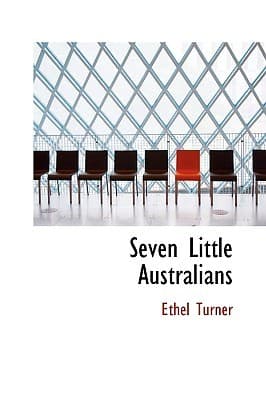
Seven Little Australians cover
Archivist's Choice

Seven Little Australians

Ethel Turner (1894)

Genre

Children's / Historical Fiction / Young Adult

Reading Time

180 min

Key Themes

See below

Track Your Reading

Sign in to track this book

Follow the seven Gaskins children as they navigate life's joys and sorrows in late 19th-century Australia, bound by sibling loyalty and the shadow of an often-absent military father.

Synopsis

The Woolcot family, including Captain Woolcot, his second wife Esther, and their seven children, deals with the realities of colonial Australian life. The children, led by the spirited Judy, often get into trouble and rebel against their stern but loving father and gentle stepmother. Their lives are a series of adventures, from schoolyard pranks and elaborate plans to Pip's military dreams clashing with his father's wishes. Esther, only a few years older than the eldest children, tries to gain their full acceptance while managing the chaotic household. A key moment happens during a family picnic where Judy's bravery saves her younger brother, but also shows her impulsive nature. The family later faces tragedy when Judy, in another selfless act, saves her brother from a falling tree, suffering fatal injuries. Her death causes deep grief and makes Captain Woolcot confront his emotional distance, changing their family dynamics and bringing them closer.
Reading time
180 min
Difficulty
Easy
Pacing
Moderate
Mood
Nostalgic, Heartwarming, Melancholy, Adventurous
✓ Read this if...
You enjoy classic children's literature with a focus on family dynamics, historical Australian settings, and a blend of humor and poignant drama.
✗ Skip this if...
You prefer modern storytelling styles, or are sensitive to historical portrayals of child-rearing and a somewhat melancholic ending.

Plot Summary

The Woolcot Family Introduces Itself

The story introduces the seven Woolcot children: Meg, Pip, Judy, Nell, Bunty, Baby, and 'the General'. They live at Misrule, their chaotic home in the Australian bush, often clashing with their stern father, Captain Woolcot, a retired army officer. Their stepmother, Esther, is only a few years older than Meg, the eldest, and struggles to manage the lively group. The children are known for their mischief, especially Judy, the most rebellious and imaginative. Captain Woolcot enforces strict discipline, often using punishments the children find unfair, leading to a strained family dynamic where affection is rarely shown.

Judy's Rebellion and the School Incident

Judy, known for her strong will, refuses to follow the strict rules of the local school. When she is punished for disobedience, she throws her slate at the teacher, Miss Deane, and runs away. This rebellion is met with strong disapproval from Captain Woolcot, who believes in absolute obedience. Judy is publicly whipped by her father, a harsh punishment that affects her deeply but does not break her spirit. The incident shows the gap between Judy's fierce independence and her father's authoritarian parenting, further isolating her within the family's rigid structure.

The Children's Schemes and Misadventures

The Woolcot children, especially Pip and Judy, constantly plan adventures that often get them into trouble. One incident involves them trying to raise a pet kangaroo, causing much mess and chaos. Another time, they decide to run away from home after feeling wronged, though their attempts are short-lived and they soon return. These escapades show their lively spirits and close bond, but also further frustrate Captain Woolcot and Esther, who struggle to keep order in their energetic household, showing childhood innocence clashing with adult authority.

Pip's Aspirations and His Father's Disapproval

Pip, the eldest boy, wants to be an artist, a passion Captain Woolcot dismisses. His father expects him to pursue a more practical career, like the military or law. This disagreement creates tension between father and son. Pip often feels misunderstood by his father, leading to quiet resentment. His attempts to pursue art are often blocked, symbolizing the conflict between individual desire and parental expectation, and showing the generational gap in aspirations within the family.

Esther's Struggle for Acceptance

Esther, being only a few years older than Meg, struggles to be a mother figure to the lively Woolcot children. Her youth and inexperience make it hard for her to assert authority, and the children often see her more as an older sister. Despite this, Esther cares for them and tries to mediate between the children and their strict father. She often feels caught in the middle, trying to bring peace to the household while navigating her own complex relationship with Captain Woolcot and the expectations placed on her.

The Picnic at the Gorge

The family goes on a picnic to a picturesque gorge, an outing that seems to bring a rare sense of peace. However, the children's adventurous spirits lead them to dangerous areas. Baby, the youngest, wanders toward a perilous cliff edge. In a moment of panic, Judy, despite her usual recklessness, pulls Baby back from the edge. This terrifying incident briefly unites the family in their shared fear and relief, showing Judy's protective nature and the risks of their wild environment.

Judy's Illness and Recovery

Judy falls seriously ill with a fever, causing great worry in the household. During her illness, Captain Woolcot's stern exterior breaks, showing a hidden depth of worry and affection for his rebellious daughter. He spends time at her bedside, showing a tenderness rarely seen. The children are also subdued and anxious, showing their deep love for Judy despite her difficult personality. Her recovery brings immense relief, and for a short time, a more compassionate atmosphere fills Misrule, suggesting the potential for a warmer family dynamic.

The Trip to Sydney

The older children, including Judy, visit Sydney, which contrasts sharply with their usual bush life. They marvel at the city's sights and sounds, experiencing new adventures and freedoms. This trip offers a temporary escape from Misrule's strictures and their father's constant supervision. For Judy, it is a chance to explore her curious nature in a new environment, broadening her horizons and strengthening her independent spirit, while also deepening the bond between the siblings as they share these new experiences.

The Accident at the Old Bush Hut

During a family outing to an old bush hut, a sudden, violent storm begins. As the family takes shelter, a large, decaying tree starts to fall toward the hut. Baby, unaware of the danger, is playing directly in its path. Without hesitation, Judy rushes forward, pushing Baby out of the way, saving his life. However, she is tragically struck by the falling tree. The accident is sudden and horrific, leaving the family in shock and despair as they rush to her aid, marking a heartbreaking moment in the story.

Judy's Last Moments and Her Father's Grief

Judy is gravely injured and brought back to Misrule, where she slowly dies. Her death causes deep grief for the entire family. Captain Woolcot is devastated. His stern facade crumbles completely, revealing the profound love he had for his wild daughter, a love he struggled to express. He is filled with guilt and sorrow, understanding too late her spirit and the joy she brought. Her death changes the family dynamic, bringing a newfound tenderness and appreciation among the remaining members.

The Aftermath and Family Transformation

After Judy's death, a clear shift happens in the Woolcot household. Captain Woolcot becomes a noticeably softer, more understanding father, his harshness replaced by quiet sorrow and greater appreciation for his remaining children. The children also change; they are more subdued but also more openly affectionate with each other and with Esther. The tragedy makes them confront life's fragility and the importance of expressing love, leaving a lasting impact on their relationships and transforming Misrule into a home with a deeper, though mournful, sense of unity and warmth.

Principal Figures

Judy Woolcot

The Protagonist

Judy's arc is one of unyielding spirit and ultimate sacrifice, her wildness culminating in a heroic act that tragically ends her life but transforms her family.

Captain Woolcot

The Antagonist/Supporting

He transforms from a rigid, unyielding patriarch to a softer, more understanding father, deeply affected by the loss of his daughter.

Esther Woolcot

The Supporting

Esther's arc is one of growth in her role as a stepmother, gradually gaining the children's trust and becoming a central, comforting figure in the family.

Pip Woolcot

The Supporting

Pip navigates the challenges of pursuing his own aspirations against parental disapproval, maturing through shared experiences with his siblings.

Meg Woolcot

The Supporting

Meg grows into a more mature and empathetic figure, taking on greater responsibility within the family, especially after tragedy strikes.

Nell Woolcot

The Supporting

Nell remains a steady, kind presence, her gentle nature providing a quiet strength within the family.

Bunty Woolcot

The Supporting

Bunty remains a spirited and joyful child, embodying the carefree nature of childhood.

Baby Woolcot

The Supporting

Baby remains an innocent, beloved figure, serving as a symbol of the family's capacity for love and protection.

The General (Woolcot)

The Mentioned

Remains a background character, representing the younger, less defined stage of childhood.

Themes & Insights

Childhood and Innocence vs. Authority

The main theme is the clash between the free-spirited nature of childhood and the strict authority of adults, especially Captain Woolcot. The children's mischief, imagination, and desire for freedom (shown by Judy running away from school or their various plans) are constantly met with their father's strict discipline and demands for obedience. This tension highlights the challenges of growing up under an authoritarian figure and the wildness of youth against societal norms, often leading to misunderstandings and conflict.

They were such a wild, unruly, mischievous, lovable, aggravating, and wholly Australian set of youngsters as only a bush home could have produced.

Narrator

The Nature of Love and Affection

The novel explores complex family love, showing how it can exist even when not openly expressed. Captain Woolcot clearly loves his children, but his stern manner and inability to show tenderness create a barrier. Judy's illness and death force him to confront and finally express his hidden affection, changing his relationship with his remaining children. Esther's gentle love contrasts with his strictness, showing different forms of parental affection. The children's deep bond, despite their squabbles, also shows a powerful, protective love, especially Judy's ultimate sacrifice for Baby.

It was not until the silence had fallen upon the wildest, that the others found how dear she had been.

Narrator

Loss and Grief as a Catalyst for Change

Judy's tragic death is the most important turning point in the novel. Her loss deeply affects every family member, especially Captain Woolcot. It breaks his rigid exterior, making him acknowledge his love for Judy and soften his approach to his remaining children. The family's grief leads to a change in their dynamics, fostering greater open affection, understanding, and unity. The event shows how profound loss can make individuals and families re-evaluate their relationships and priorities, leading to significant personal growth and a more compassionate household.

And the others missed her, and the house missed her, and the wild little spirit had gone out of Misrule for ever.

Narrator

Australian Identity and Landscape

The book has a strong sense of Australian identity, especially through its depiction of the bush landscape and the children's connection to it. 'Misrule' itself symbolizes the untamed nature of both the land and the children. The children's adventures, their encounters with native plants and animals, and their wild, free spirits are presented as characteristics shaped by their environment. The contrast between the bush and the city (Sydney) further emphasizes their unique 'Australianness,' highlighting a developing national identity distinct from European influences, particularly in the children's independent and resilient spirit.

They were true children of the bush, with the wild spirit of the bush in their veins.

Narrator

Plot Devices & Literary Techniques

Foreshadowing

Hints of future events, especially Judy's fate.

Foreshadowing is subtly used throughout the narrative to hint at Judy's eventual tragedy. Her wild, often reckless nature, her defiance of danger (like at the gorge), and her intense, almost too-bright spirit are often described in ways that suggest a premature end. The narrator frequently alludes to the fleeting nature of childhood and the potential consequences of unrestrained freedom, preparing the reader for the eventual, heartbreaking sacrifice Judy makes, making her death feel both shocking and, in retrospect, inevitable.

Symbolism of 'Misrule'

The family home's name reflects the children's nature and the family's chaos.

The name of the Woolcot family home, 'Misrule,' is a significant symbolic device. It perfectly encapsulates the chaotic, unruly, and often disorganized state of the household, largely due to the seven boisterous children. It reflects their constant defiance of convention and their father's attempts to impose order. The name also subtly foreshadows the eventual tragedy, as the 'misrule' of their wild freedom ultimately leads to a moment of uncontrolled danger and profound loss, forcing a change in the family's dynamic and the very nature of their home.

Character Foil

Contrasting characters to highlight traits.

The most prominent character foil is between Judy and Meg, and Judy and Nell. Judy's wild, rebellious, and unconventional spirit is sharply contrasted with Meg's more conventional, somewhat vain, and responsible nature, and Nell's quiet, good-natured obedience. These contrasts highlight Judy's unique independence and make her actions, both mischievous and heroic, stand out more vividly. The foils emphasize the different ways children respond to authority and the varied personalities within a single family, enriching the character development and demonstrating the spectrum of childhood experiences.

Critical analysis

Notable Quotes

The Captain was not a cruel man. He was, as a matter of fact, a rather kind man, but he had a way of looking at things which was peculiar to himself, and did not always coincide with the way other people looked at them.

Describing Captain Woolcot's character and his relationship with his children.

Life, which had been a game, was now a serious matter.

Referring to Pip's realization after Judy's accident.

It was Judy's way. She never did anything by halves.

A common observation about Judy's passionate and all-in nature.

Oh, children, children! You'll break my heart amongst you!

Captain Woolcot's frequent lament about his unruly brood.

Judy, who always wanted to do everything herself, and generally did it badly.

Narrator's description of Judy's independent and often clumsy efforts.

They were Seven Little Australians, and they were very much alive.

The opening lines of the book, introducing the large, boisterous family.

There was a silence, a terrible, aching silence, that seemed to press down on them all.

The immediate aftermath of Judy's fatal accident.

It wasn't fair. Nothing was fair. And Judy, who had always been so full of life, was gone.

Pip's internal thoughts and feelings of injustice after Judy's death.

He loved them, in his own stiff, undemonstrative way, and he believed he was doing his duty by them.

Describing Captain Woolcot's complex love for his children.

They were a family, and for all their squabbles and their naughtiness, they belonged to each other.

Reflecting on the underlying bond within the Woolcot family.

She was only a child, but she had the heart of a lion.

Praising Judy's bravery and spirit.

The world had turned upside down, and nothing would ever be the same again.

The family's reaction to Judy's death and the profound change it brings.

And so the days went on, a little quieter, a little sadder, but still with the echo of Judy's laughter in the air.

The family slowly adjusting to life after Judy's passing.

It was not a very grand house, but it was full of life, and laughter, and sometimes, tears.

Describing the family home as a hub of activity and emotion.

Quiz

Test Your Knowledge

Ready to see how well you understood this book? Take our interactive quiz with 10 questions.

10
Questions
~5
Minutes
?
Best Score

Key Questions (FAQ)

The book follows the boisterous and often mischievous Woolcot children, particularly the spirited Judy, as they navigate life under the strict, but ultimately loving, hand of their military father, Captain Woolcot, and their gentle stepmother, Esther. It explores themes of childhood freedom, discipline, and the complexities of family dynamics in 19th-century Australia, culminating in a poignant tragedy.

About the author