“‘It’s not fair,’ said Peter indignantly. ‘They ought to have told us.’”
— Peter reacting to the news that their clubhouse has been taken over by another group.

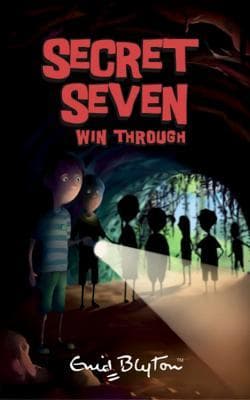
Enid Blyton (1955)
Genre
Children's / Mystery / Young Adult
Reading Time
90 min
Key Themes
See below
Sign in to track this book
The Secret Seven's thrilling new den becomes a nighttime stage for a mysterious intruder, with Jack's mischievous sister Susie unwittingly holding the key to unmasking them.
Peter, the leader of the Secret Seven, announces a new meeting place: a disused gardener's hut on the grounds of an empty old house. The children are thrilled with the secluded location. They decide to clean it up and make it their own. However, when they return the next day, they find a half-eaten meal, a dirty handkerchief, and a note pinned to the wall with the words 'Beware the Secret Seven' written in red crayon. This discovery suggests their secret is out and someone else has been using their new hideout.
Jack's younger sister, Susie, and her friend Binkie, wanting to annoy the Secret Seven, find the hut. They find the note left by the intruder and, thinking it's a joke by the Seven, decide to leave their own message. While doing so, they notice a small, green plastic soldier toy on the ground outside the hut. Susie picks it up and later shows it to Jack, who dismisses it. However, the Seven later realize the soldier must belong to the mysterious visitor, providing a small but significant clue to their identity.
Determined to catch the intruder, the Secret Seven decide to take turns watching the hut at night. Peter and Janet take the first watch. They hear strange noises and see a light inside the hut, but the person inside seems to vanish before they can get close enough to identify them. The intruder is clearly stealthy and aware of their surroundings, adding to the mystery and frustration of the Secret Seven. The children realize they are up against someone clever who doesn't want to be caught.
During another watch, Scamper, Peter's golden spaniel, who often accompanies the group, becomes restless and sniffs around the hut. He digs up a small, torn piece of paper. The paper has a partially visible drawing of what looks like a map and some numbers. Although fragmented, it suggests the intruder might be planning something or looking for something specific. This new clue, discovered with Buster's help, energizes the Secret Seven and gives them a fresh lead to investigate, hinting at a larger scheme.
Frustrated by the intruder's ability to disappear, the Secret Seven discuss how someone could get in and out of the hut so quickly and unnoticed. Susie, eavesdropping as usual, overhears their conversation. She reveals that she knows about a 'secret way' out of the hut—a hidden door behind some overgrown bushes that leads to a disused tunnel. Initially, the Seven dismiss her, but Peter, remembering Susie's earlier discovery of the plastic soldier, realizes her information might be invaluable.
Guided by Susie's information, the Secret Seven investigate the hidden tunnel. They find that it leads to a small, concealed room beneath the old house. Inside, they discover a makeshift bed, some camping equipment, and more of the intruder's belongings. They also find evidence that the intruder is a 'big man,' possibly a tramp or someone trying to avoid detection. The clues they've gathered start to paint a clearer picture of their mysterious visitor, moving beyond simple mischief to something more serious.
While examining the belongings in the hidden room, the Secret Seven find newspaper clippings detailing a recent jewel robbery from a nearby stately home. They connect the clues and realize that the 'big man' is likely the jewel thief, using the disused hut and the tunnel as a temporary hideout. This revelation changes their adventure from a simple mystery to a serious criminal investigation, making them realize the danger they might be in but also the importance of their discovery.
Realizing the seriousness of the situation, Peter calls an urgent meeting. The Secret Seven decide they must catch the thief. They plan to trap him when he next returns to the hut. Their strategy involves some members waiting inside the tunnel, while others keep watch outside the hut. They plan their movements carefully, hoping to surprise the thief and prevent his escape, showing their growing courage and resourcefulness in the face of a real criminal.
The Secret Seven put their plan into action. They wait patiently in their designated positions. When the 'big man' eventually returns to the hut, he is unaware of the children's presence. As he enters the hut, Colin and George block the main entrance, while Peter and Jack emerge from the tunnel entrance, cornering him. The thief is startled and disoriented, caught by surprise by the unexpected appearance of the children.
In a moment of quick thinking, Susie, who had been secretly following the Seven, uses a rope she found to help tie up the struggling thief. Her unexpected, yet effective, assistance ensures the thief cannot escape. Peter then sends Scamper to fetch the local policeman, PC Smith, who is well-known to the children. PC Smith arrives, arrests the jewel thief, and praises the Secret Seven for their bravery and cleverness in catching a dangerous criminal.
The Secret Seven become local heroes for their role in catching the jewel thief and recovering the stolen jewels. The owner of the stately home, Mr. Smith, personally thanks them and offers a substantial reward, which the children decide to share. They are proud of their achievement and the recognition they receive, proving that their secret society can make a real difference in their community, solidifying their bond and reputation.
The Protagonist
Peter grows in his leadership, learning to trust his instincts and adapt his plans, even accepting help from unexpected sources like Susie.
The Protagonist
Janet's observational skills and practicality become more pronounced, proving essential to the group's success.
The Protagonist
Jack learns to see beyond his annoyance with Susie, recognizing her value and contributions to the team.
The Supporting
Susie's role shifts from a mere antagonist to an unexpected and vital contributor to the Secret Seven's success, earning their reluctant respect.
The Supporting
Scamper consistently proves his value to the team through his instincts and loyalty, reinforcing his role as a crucial helper.
The Antagonist
The 'Big Man' begins as an unseen threat, gradually revealed as a dangerous criminal, only to be outsmarted and captured by the children.
The Supporting
Colin's reliability and teamwork are consistent throughout, contributing to the group's overall effectiveness.
The Supporting
George's quiet commitment reinforces the strength of the Secret Seven as a united team.
The Supporting
Pam remains a supportive and eager member, demonstrating the importance of every member's contribution.
The Mentioned
Binkie remains a secondary character, primarily serving to highlight Susie's character.
The core theme of the Secret Seven series is the strength that comes from working together. Throughout the book, the children rely on each other's strengths—Peter's leadership, Janet's observations, Scamper's instincts, and even Susie's unexpected help—to solve the mystery. No single member could have caught the thief alone. Their shared commitment to their club and their loyalty to one another enable them to overcome challenges, showing that collective effort yields greater success. This is evident when they all take turns watching the hut and, particularly, during the coordinated effort to trap the thief in the hut and tunnel.
“'We've all got to work together, you know,' said Peter. 'It's no good if one of us tries to do everything.'”
The Secret Seven's success depends on their ability to observe small details and understand their meaning. From the half-eaten meal and dirty handkerchief in the hut to the green plastic soldier found by Susie, and the torn map piece Scamper unearths, each clue, no matter how small, is carefully considered. The children piece these fragments together, using logical reasoning to build a picture of the intruder and his activities. This theme highlights the importance of paying attention to one's surroundings and thinking critically about what one sees, as seen when they connect the newspaper clippings to the 'big man's' hideout.
“'It's always the little things that tell you most, if you know how to look,' said Janet thoughtfully.”
A significant theme is the Secret Seven's initial prejudice against Susie and their eventual acceptance of her help. Susie is consistently portrayed as an annoying outsider, and the Seven dismiss her contributions. However, her knowledge of the 'secret way' and her quick thinking with the rope prove essential in catching the thief. This forces the Secret Seven, especially Peter and Jack, to re-evaluate their perception of her and acknowledge that valuable help can come from unexpected sources, teaching them humility and open-mindedness. It shows that even adversaries can contribute positively.
“'I suppose we'll have to admit Susie really helped us this time,' said Peter, grudgingly, but with a flicker of respect in his eyes.”
At its heart, the book celebrates the excitement of childhood adventure and discovery. The Secret Seven are driven by their desire for a thrilling mystery, transforming a seemingly ordinary disused hut into a site of intrigue and danger. The discovery of the intruder, the secret tunnel, and ultimately the jewel thief, fuels their excitement and sense of purpose. This theme captures the imaginative spirit of children who can turn everyday situations into extraordinary quests, reinforcing the idea that adventure is all around if one is willing to seek it.
“'This is the best mystery we've ever had!' cried Colin, his eyes shining.”
A secluded location that becomes the center of the mystery.
The disused gardener's hut serves as the central plot device. Initially intended as the Secret Seven's exclusive meeting place, its discovery by an outsider immediately sets the mystery in motion. Its secluded nature and later, the revelation of a hidden tunnel connected to it, make it the perfect setting for both the children's innocent club activities and the more sinister activities of the jewel thief. It provides a focal point for all the action and discoveries.
A character who, despite being an antagonist, provides crucial, accidental assistance.
Susie, Jack's mischievous sister, acts as an unwitting accomplice. Her constant attempts to spy on and annoy the Secret Seven inadvertently lead her to discover vital clues, such as the plastic soldier and, most importantly, the existence of the secret tunnel. Her role highlights how even an antagonist can, without meaning to, propel the plot forward and provide solutions to the protagonists' dilemmas, adding an element of irony to the narrative.
Small, seemingly insignificant objects that provide crucial information.
Throughout the story, various 'found clues' drive the investigation. These include the half-eaten meal, the dirty handkerchief, the note 'Beware the Secret Seven,' the green plastic soldier, and the torn map piece. Each item, initially a puzzle, helps the Secret Seven piece together the identity and intentions of the intruder. This device builds suspense and allows the children to use their deductive reasoning, making the reader feel part of the investigation.
An early misdirection that delays the true nature of the mystery.
The initial mystery of who is using the hut and leaving notes serves as a red herring. The Secret Seven first suspect it might be another group of children, or even Susie playing a trick. This misdirection delays their realization that they are dealing with a dangerous criminal, building initial suspense around a less serious threat before the true gravity of the situation is revealed. It makes the eventual discovery of the jewel thief more impactful.
“‘It’s not fair,’ said Peter indignantly. ‘They ought to have told us.’”
— Peter reacting to the news that their clubhouse has been taken over by another group.
“‘We’ll show them we can win through, even if everything is against us!’”
— Peter rallying the Secret Seven after losing their original meeting place.
“‘It’s a good thing to be prepared for anything, even if it doesn’t happen.’”
— Janet discussing the importance of planning for unexpected events.
“‘You never know what you’ll find if you keep your eyes open.’”
— Jack observing their surroundings and finding a clue.
“‘A good detective always goes back to the beginning if things get muddled.’”
— Peter advising the group on how to approach a confusing mystery.
“‘It’s much more exciting when you have to work things out for yourselves.’”
— Pam enjoying the challenge of the new mystery they are investigating.
“‘Even a small clue can sometimes lead to a big discovery.’”
— Colin pointing out the significance of a seemingly minor detail.
“‘We stick together, no matter what. That’s what the Secret Seven is all about.’”
— Peter reaffirming the core value of their club during a difficult moment.
“‘There’s always a way, if you look hard enough.’”
— George expressing optimism when faced with an obstacle.
“‘It’s not just about winning; it’s about doing what’s right.’”
— Janet reflecting on the moral implications of their actions.
“‘You can’t give up just because things get a bit tricky.’”
— Barbara encouraging the others when their plan hits a snag.
“‘Sometimes the best hiding places are right under your nose.’”
— Susie making an astute observation about where a valuable item might be concealed.
“‘We've got to think like them to catch them.’”
— Peter suggesting they try to understand the mindset of the culprits.
“‘The secret to success is never giving up on a good idea.’”
— Jack reflecting on their eventual triumph.
Ready to see how well you understood this book? Take our interactive quiz with 10 questions.

Biography coming soon.

Dan Gemeinhart
4.5

Kate O'Hearn
4.4

Jeanne Birdsall
4.4

Jen Wang
4.4

Wendelin Van Draanen
4.3

John Marsden
4.3

Chris Van Allsburg
4.3
Jennifer A. Nielsen
4.2