“It’s hard to be a kid when you’re always being asked to be a grown-up.”
— Sammy often feels the weight of adult responsibilities.

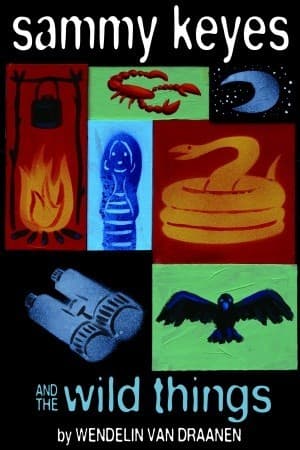
Wendelin Van Draanen (2007)
Genre
Children's / Mystery / Young Adult / Romance
Reading Time
300 min
Key Themes
See below
Sign in to track this book
During a disastrous summer camping trip, reluctant camper Sammy finds an injured condor and a dangerous poacher, pulling her into a wilderness mystery with unexpected romantic turns.
Sammy Keyes is forced to go on a summer camping trip to a condor preserve. She is not happy, preferring city adventures to the desolate, snake-filled wilderness. Her first impression is a strong dislike for the scrubby landscape, the heat, and the general lack of excitement. Her main goal seems to be to get through the trip with minimal interaction and maximum disdain, especially for the condors everyone else is eager to spot. Other campers are with her, including her friend Marissa, and the ongoing tension with classmate Casey Caries is hinted at, adding another layer of teenage drama to the outdoor misery.
While on a hike, Sammy, Marissa, and another camper, Holly, go off from their main group. To Sammy's surprise, they find an injured condor. This unexpected discovery immediately changes Sammy's view from boredom to interest. The bird, a symbol of the wilderness she disliked, now presents a mystery. The girls realize the condor's injury is not natural, suggesting foul play. This discovery sparks Sammy's detective instincts, pulling her into the hidden dangers of the preserve. They find a small, unusual clue near the injured bird, leading them to investigate further, despite camp rules.
Driven by the need to understand how the condor was injured, Sammy convinces Marissa and Holly to follow the clue they found. Their unauthorized detour leads them deeper into the preserve. As they track, they unexpectedly come across Casey Caries and his friends, Billy and Todd, who are also off-trail and seem to be causing trouble. A confrontation happens, but before they can sort out their differences, the group realizes they are completely lost. The sun begins to set, and the reality of their situation – six teenagers stranded in a dangerous wilderness with few supplies – sets in, increasing the tension and forcing an uneasy alliance.
Lost in a remote canyon, the six teenagers (Sammy, Marissa, Holly, Casey, Billy, and Todd) have to spend the night together. They have only one tent, which leads to funny and awkward arrangements. The harsh environment, filled with biting flies and wilderness sounds, adds to their discomfort. During this time, discussions about the injured condor become more intense. Sammy's detective mind starts to connect pieces of information, suspecting that the bird's injury is not accidental but part of a larger, more sinister plot involving poaching or illegal activity within the preserve. Tensions between the boys and girls, especially Sammy and Casey, remain high but are now softened by shared vulnerability.
As the lost group continues through the canyon, they find a makeshift camp that does not belong to park rangers or authorized personnel. They find evidence of illegal activity, including snares and other trapping equipment, confirming Sammy's suspicions about poaching. This discovery changes their focus from simply being lost to realizing they are in serious danger. They are no longer just campers; they are witnesses who have found a crime scene. The presence of an armed poacher becomes a real threat, making their desperate search for a way back to civilization even more urgent and dangerous.
With the poacher confirmed, the group must now actively avoid detection while trying to find a way to safety. Sammy, with her quick thinking and street smarts, takes a lead role in planning their escape. Casey, despite his usual dislike for Sammy, proves to be surprisingly resourceful and brave, showing a different side of himself. The immediate threat forces an uneasy alliance among all six teenagers, changing their previous social dynamics. They use their combined skills and knowledge of the wilderness to move quietly, trying to avoid confrontation with the armed criminal.
Despite their efforts to stay hidden, the teenagers eventually have a direct confrontation with the poacher. The poacher, a ruthless individual, is determined to protect his illegal operation and ensure the teens do not report him. This scene is full of danger, as the poacher is armed and desperate. Sammy's courage and quick wit are fully tested as she tries to outsmart the criminal. The other teenagers, though scared, work together, each playing a part in the tense standoff, showing their new bond formed in adversity. They realize the stakes are very high, not just for the condors but for their own lives.
Through strategic thinking, teamwork, and some luck, Sammy and the group manage to outmaneuver and temporarily stop the poacher. This requires great bravery and coordination, with each teenager helping. After securing the poacher, their next challenge is to signal for help. They use various methods, including creating a smoke signal and using reflective objects, to attract the attention of the search parties that have surely been sent for them. The relief of seeing rescue personnel is immense, marking the end of their terrifying experience in the wilderness.
Following their rescue, park rangers and law enforcement arrest the poacher, and the injured condor is found and taken for rehabilitation. Sammy gives important testimony, detailing the illegal activities she witnessed and the poacher's identity. Her detailed account helps bring the criminal to justice and shows the importance of protecting endangered species. The mystery of the injured condor is solved, and the natural balance of the preserve is restored, at least in part. The experience leaves a lasting impact on Sammy, changing her perspective on wilderness and conservation.
Back in civilization, Sammy thinks about her difficult adventure. She realizes her initial dislike for the wilderness has changed into a new appreciation for its beauty and fragility, as well as a stronger commitment to environmental protection. The experience has also subtly altered her relationships, particularly with Casey. Their shared ordeal in the canyon has created an unexpected bond, adding depth to their previously unfriendly dynamic. While the mystery is solved, the personal growth and the evolving romantic tension between Sammy and Casey leave the reader with anticipation for their future interactions, hinting at deeper feelings beneath their usual arguments.
The Protagonist
Sammy transforms from a reluctant, nature-averse camper into an environmental advocate, gaining a deeper appreciation for wildlife and the wilderness while confronting her complex feelings for Casey.
The Love Interest/Secondary Protagonist
Casey moves from being a primarily antagonistic figure to a courageous and reliable ally, solidifying his complex romantic tension with Sammy and revealing his more honorable traits.
The Supporting
Marissa's loyalty to Sammy is tested and strengthened, as she overcomes some of her timidness to support her friend through a perilous ordeal.
The Supporting
Holly experiences the terror and camaraderie of being lost, ultimately becoming a part of the group's survival efforts.
The Supporting
Billy transitions from a typical teen sidekick to an active participant in the group's survival and evasion of the poacher.
The Supporting
Todd, like the other teens, is forced to confront danger and contribute to the group's efforts to escape the wilderness and the poacher.
The Antagonist
The Poacher is introduced as a hidden threat, eventually revealed and apprehended, representing the force of environmental destruction.
The Supporting
Grandma's role remains consistent as a loving but firm guardian, her concern for Sammy's safety intensifying during the crisis.
The novel shows the importance of protecting endangered species and appreciating nature. Sammy's initial dislike for the condors and the wilderness changes into respect and a desire to protect them after she encounters the injured bird and the poacher. The condor itself represents nature's fragility and the need for human help to save it. The camping trip makes Sammy and the other teens understand the value of ecosystems and the dangers they face from human greed.
“What she gets are scrubby shrubs, blazing sun, rattlesnakes, ticks, and scorpions. Her fellow campers are desperate to catch a rare glimpse of an endangered condor. To Sammy, the trip is nothing more than the painful in pursuit of the unspeakably ugly.”
Sammy, Casey, and the other teenagers grow significantly as they face wilderness dangers and a criminal. Sammy learns to overcome her ideas about nature and Casey, developing a deeper sense of responsibility and empathy. Casey shows his bravery and resourcefulness, challenging his usual 'bad boy' image. The shared difficulty forces all the teens to mature, work together, and confront their fears, pushing them beyond their comfort zones and leading to a new understanding of themselves and each other.
“Which leaves three girls and two boys in a canyon with one tent and six billion biting flies. Oh—and an armed and dangerous highstakes poacher.”
A main theme is the need for cooperation, even among people who usually disagree. Sammy, Marissa, and Holly start as one group, while Casey, Billy, and Todd form another. When they get lost and face the poacher, their differences are put aside for survival. Sammy and Casey, usually at odds, must rely on each other's strengths. This forced alliance shows how shared hardship can break down social barriers and reveal unexpected strengths in individuals, leading to a stronger, more effective team.
“A confrontation ensues, but before they can sort out their differences, the combined group realizes they are thoroughly lost.”
The central mystery is about an injustice against an endangered animal, which triggers Sammy's strong sense of right and wrong. The poacher is a clear moral evil, driven by selfish reasons that harm the environment. Sammy's determination to uncover the truth and bring the criminal to justice shows her strong moral compass. The story explores how far people will go for personal gain versus the ethical duty to protect life and uphold the law, even when it puts one's own safety at risk.
“But when she and two other girls find an injured condor, Sammy's intrigued at last.”
An object that drives the plot forward.
The injured condor serves as the primary MacGuffin in the story. While the ultimate goal is not necessarily the condor itself, its discovery is the inciting incident that propels Sammy and her friends into the wilderness mystery. It provides Sammy with a concrete problem to solve, shifting her focus from her personal discomfort to a larger, more dangerous investigation. Without the injured bird, Sammy would likely have remained a reluctant, bored camper, and the plot would not have unfolded.
Placing a character in an unfamiliar environment.
Sammy Keyes, a street-smart urbanite, is placed in the unfamiliar and dreaded wilderness environment of the condor preserve. This 'fish out of water' scenario immediately creates conflict and humor, as Sammy's usual methods of problem-solving and social interaction are challenged by the natural world. It forces her to adapt, develop new skills, and confront aspects of herself she wouldn't in her usual surroundings, contributing significantly to her character development and the story's dramatic tension.
A misleading clue or character that distracts from the true culprit.
Casey Caries and his friends are initially presented in a way that makes them seem suspicious or involved in something illicit while off-trail. Their secretive behavior and presence in the remote canyon could lead readers (and Sammy) to initially suspect them of being connected to the condor's injury or other illegal activities. This misdirection serves to heighten the mystery and adds to the tension between Sammy and Casey before the true antagonist, the poacher, is revealed.
Characters must make do with minimal supplies in a dangerous environment.
When Sammy and the other teenagers become lost, they find themselves in a classic survival scenario with limited resources (one tent, meager food/water, biting flies). This device significantly raises the stakes and forces the characters to rely on their wits and each other. It strips away their usual comforts and social hierarchies, revealing their true characters under duress and making their eventual escape and confrontation with the poacher more impactful.
“It’s hard to be a kid when you’re always being asked to be a grown-up.”
— Sammy often feels the weight of adult responsibilities.
“Sometimes the things you try hardest to hide are the things that need to be found the most.”
— Sammy's internal thoughts about secrets and truth.
“Just because something is wild doesn’t mean it’s bad. It just means it hasn’t been tamed.”
— Sammy reflecting on the 'wild things' theme, both animals and people.
“The hardest part about doing the right thing is figuring out what the right thing is.”
— Sammy grappling with a moral dilemma in the mystery.
“Being invisible is a superpower, especially when you’re trying to catch a thief.”
— Sammy's thoughts on her stealth abilities during an investigation.
“You can’t always save everyone, but you can at least try to save the ones who can’t save themselves.”
— Sammy's motivation to help the abused animals.
“Some people are like magnets for trouble. I guess I’m one of them.”
— Sammy's self-deprecating humor about her knack for finding mysteries.
“The truth is a tricky thing. Sometimes it hides, and sometimes it just needs a little push to come out.”
— Sammy's perspective on uncovering hidden facts.
“It’s amazing how much you can learn about people just by watching what they don’t do.”
— Sammy's detective skills in observing subtle cues.
“Sometimes, the biggest monsters aren't the ones with fangs, but the ones with smiles.”
— Sammy's realization about human cruelty versus animal 'wildness'.
“You don't need a cape to be a hero. Sometimes all you need is a flashlight and a good pair of sneakers.”
— Sammy's down-to-earth approach to solving problems.
“Being alone isn't the same as being lonely. Sometimes it's just being ready.”
— Sammy's internal monologue about her independence and readiness for action.
“Love isn't always fireworks. Sometimes it's just being there, even when you don't want to be.”
— Sammy's evolving understanding of relationships, particularly with Makenna.
Ready to see how well you understood this book? Take our interactive quiz with 10 questions.

Biography coming soon.
Dan Gemeinhart
4.5

Kate O'Hearn
4.4

Jeanne Birdsall
4.4

Jen Wang
4.4
Wendelin Van Draanen
4.3

John Marsden
4.3

Chris Van Allsburg
4.3
Jennifer A. Nielsen
4.2