BookBrief
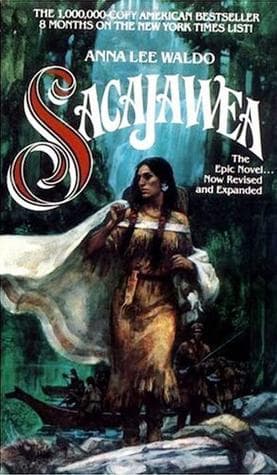
Sacajawea cover
Archivist's Choice

Sacajawea

Anna Lee Waldo (1980)

Genre

Historical Fiction

Reading Time

2400-2800 min (approx. 40-47 hours)

Key Themes

See below

Track Your Reading

Sign in to track this book

From the whispering prairies to the crystal-capped Rockies, Sacajawea, a Shoshoni chief's daughter, navigates the raw, bursting fabric of a new land as the lone woman on Lewis and Clark's trek, forever yearning for a passion beyond the next mountain.

Synopsis

Sacajawea, a young Shoshoni girl, is captured by an enemy tribe and eventually lives among the Hidatsa people. There, she marries Toussaint Charbonneau, a French-Canadian trapper. Her life changes with the arrival of Meriwether Lewis and William Clark, who seek guides for their expedition to the Pacific. Sacajawea, pregnant, joins the Corps of Discovery. She is valuable with her knowledge of the land, its resources, and various Native American languages and customs. Her journey includes the birth of her son, Pomp, a reunion with her Shoshoni family, and the crossing of the Rocky Mountains. She endures the dangers and triumphs of the expedition to the Pacific and back, playing a key role in its success. After the expedition, Sacajawea's life continues to be one of movement and challenge as she navigates her relationships and the changing American West, searching for a deeper passion and place between cultures.
Reading time
2400-2800 min (approx. 40-47 hours)
Difficulty
Medium
Pacing
Slow
Mood
Epic, Immersive, Historical, Adventurous, Reflective
✓ Read this if...
You are fascinated by the Lewis and Clark expedition and want a deeply immersive, detailed, and character-driven historical account from a Native American woman's perspective, even if it means a very long read.
✗ Skip this if...
You prefer fast-paced narratives, are not interested in extensive historical detail, or find very lengthy books daunting.

Plot Summary

Childhood and Capture

The novel opens with Sacajawea, then known as Boinaiv, growing up among her Shoshoni people in the Lemhi Valley, near the Three Forks of the Missouri. She experiences a happy, free childhood, learning the ways of her tribe and forming a close bond with her older brother, Cameahwait. However, her life changes when, around the age of twelve, her village is attacked by a raiding party of Hidatsa warriors. During the skirmish, Sacajawea is captured along with several other girls and forcibly taken from her homeland. This traumatic event marks the end of her childhood and the beginning of her life among a different nation, far from her familiar mountains and people.

Life Among the Hidatsa and Toussaint Charbonneau

After her capture, Sacajawea is taken to the Hidatsa villages along the Knife River, near present-day Stanton, North Dakota. She is adopted into a Hidatsa family and learns their language and customs, though she never forgets her Shoshoni heritage. While living there, she encounters Toussaint Charbonneau, a French-Canadian trapper and interpreter who has multiple Native American wives. Charbonneau eventually purchases Sacajawea, making her one of his wives, alongside another young Shoshoni woman named Otter Woman. Sacajawea’s life with Charbonneau is often difficult, marked by his crude nature and occasional abuse. Through this union, she becomes pregnant with her first child, Pomp.

Lewis and Clark's Arrival

In the winter of 1804, Meriwether Lewis and William Clark arrive at the Hidatsa-Mandan villages, establishing Fort Mandan nearby. They are on their expedition to explore the Louisiana Purchase and find a water route to the Pacific Ocean. The captains realize they will need interpreters who can communicate with the various tribes they expect to encounter, especially the Shoshoni, who have horses crucial for crossing the Rocky Mountains. They learn of Toussaint Charbonneau and his Shoshoni wives, recognizing Sacajawea's unique value as a translator, particularly as she speaks Shoshoni. Despite Charbonneau's initial reluctance and demands, the captains hire him, making Sacajawea an indispensable, if unofficial, member of the Corps of Discovery.

Joining the Expedition and Birth of Pomp

Sacajawea, heavily pregnant, joins Lewis and Clark's expedition as they depart Fort Mandan in April 1805. Her presence, along with her infant son Jean Baptiste Charbonneau (nicknamed Pomp), is unusual for such a strenuous military-style journey. She proves valuable almost immediately. She gives birth to Pomp during the early stages of the journey, with Captain Lewis assisting in her difficult labor. Her resilience and knowledge of the land, plants, and Native American customs quickly become clear, making her more than just an interpreter. She is a symbol of peace to many tribes and a critical resource for the expedition's survival.

The Shoshoni Reunion

As the expedition pushes westward, facing starvation and challenging terrain, Sacajawea's role becomes central. She recognizes landmarks from her childhood, guiding the Corps through the mountains towards the lands of her birth. The journey's climax occurs when the expedition finally encounters a band of Shoshoni warriors. Sacajawea, acting as interpreter, realizes that the chief of this band is her brother, Cameahwait, whom she had not seen since her capture. The emotional reunion is a key moment, allowing Lewis and Clark to successfully negotiate for the horses they desperately need to cross the formidable Rocky Mountains, a feat that would have been impossible without Sacajawea's connection.

Crossing the Rockies and Journey to the Pacific

With the Shoshoni horses and Sacajawea's guidance, the Corps of Discovery undertakes the arduous crossing of the Bitterroot Mountains, a journey filled with extreme cold, hunger, and exhaustion. Sacajawea, with Pomp on her back, shows incredible endurance and resourcefulness, pointing out edible plants and helping to maintain morale. After weeks of suffering, they emerge from the mountains and continue their journey down the Clearwater, Snake, and Columbia Rivers, eventually reaching the Pacific Ocean in November 1805. Sacajawea experiences the ocean, a sight new to her, and participates in the decision-making for establishing Fort Clatsop for the winter.

The Return Journey and Fort Mandan

The expedition spends a difficult winter at Fort Clatsop before beginning the long journey back eastward in March 1806. Sacajawea continues to be a valuable asset, providing guidance, foraging for food, and maintaining peaceful relations with various tribes. Upon reaching the Mandan-Hidatsa villages in August 1806, the Corps of Discovery's mission is largely complete. Sacajawea faces a critical decision: whether to remain with Charbonneau and her son or to return to her Shoshoni people. Despite the offer to return to her family, she chooses to stay with Charbonneau, primarily for Pomp's sake, as Captain Clark offers to provide for Pomp's education. This marks her departure from the main expedition members.

Life After the Expedition

After the expedition, Sacajawea, Charbonneau, and Pomp remain near the Mandan villages. Charbonneau struggles to find consistent work, and their life is often unstable. Captain Clark, true to his word, eventually takes Pomp to St. Louis to be educated. Sacajawea later travels to St. Louis with Charbonneau and Pomp, living for a time near Clark, who becomes a guardian figure for Pomp and shows kindness to Sacajawea. While in St. Louis, Sacajawea gives birth to a daughter, Lizette. Her time there provides a glimpse into the white man's world, but she never fully adjusts to it, often longing for the freedom of her native lands.

Return to the West and Final Years

Sacajawea eventually returns to the West, leaving St. Louis and Charbonneau. The exact details of her later life are subject to historical debate, but the novel portrays her returning to live among her Shoshoni people, finding a sense of belonging she had missed for so long. She lives out her remaining years in the Wind River Reservation in Wyoming, revered by her people for her journey and resilience. The novel depicts her as an elder, sharing her stories and wisdom. Her death is portrayed as a peaceful passing among her kin, a return to the land and people she loved, having completed a life of adventure and personal loss and triumph.

Legacy and Remembrance

Sacajawea's story concludes with a reflection on her lasting legacy. Though her contributions were largely overlooked in her lifetime and for many years after, she gradually became recognized as a key figure in American history. Her intelligence, courage, and diplomatic skills were instrumental to the success of the Lewis and Clark Expedition, opening the American West. For her Shoshoni people, she remains a symbol of resilience and connection to their heritage. The novel emphasizes how her journey bridged cultures and demonstrated the strength and spirit of Native American women, ensuring her place as an iconic figure in the narrative of the American frontier.

Principal Figures

Sacajawea (Boinaiv/Janey)

The Protagonist

From a captured, exploited girl, Sacajawea evolves into an indispensable guide and diplomat, ultimately finding a measure of peace and recognition among her own people.

William Clark

The Supporting

Clark's initial view of Sacajawea as a mere asset evolves into a genuine appreciation and paternal concern, leading him to offer Pomp an education.

Meriwether Lewis

The Supporting

Lewis maintains his scholarly and leadership role throughout, recognizing Sacajawea's value without forming the same personal bond as Clark.

Toussaint Charbonneau

The Supporting

Charbonneau remains largely unchanged throughout the narrative, driven by self-interest and an inability to adapt to stable life.

Jean Baptiste 'Pomp' Charbonneau

The Supporting

Pomp's arc is largely external, as he is a child, but his journey from an infant on his mother's back to an educated young man symbolizes the potential for new beginnings.

Cameahwait

The Supporting

Cameahwait's arc is brief but impactful, as his reunion with Sacajawea allows him to make a crucial decision that aids the expedition.

Otter Woman

The Supporting

Otter Woman's arc is less defined, serving primarily as a mirror to Sacajawea's early experiences and a quiet companion.

Themes & Insights

Resilience and Survival

Sacajawea's life shows extraordinary resilience. From her capture as a child to enduring life with Charbonneau and the grueling Lewis and Clark expedition, she constantly adapts and survives. Her ability to navigate treacherous landscapes, provide for her child, and maintain her spirit despite hardship is central. For instance, her composure during Pomp's difficult birth on the trail, or her steadfastness during the brutal Rocky Mountain crossing, show her unbreakable will to live and overcome.

She walked with her people's memory in her heart, and the future of her son on her back, across a land that demanded everything.

Narrator

The Clash and Blending of Cultures

The novel explores the complex interactions between Native American tribes (Shoshoni, Hidatsa, Mandan) and the encroaching Euro-American explorers. Sacajawea is a cultural bridge, speaking multiple languages and understanding diverse customs. Her presence with Lewis and Clark often is a symbol of peace, facilitating interactions that might otherwise have turned violent. The narrative shows both the beauty of cultural exchange, such as sharing knowledge of plants and routes, and the tragic consequences of cultural clash, particularly through Sacajawea's initial capture and the eventual displacement of Native peoples.

She stood between two worlds, a translator not just of words, but of intentions, of understanding, of a future yet unwritten.

Narrator

The Search for Belonging and Home

A longing for home and belonging drives Sacajawea throughout her life. Captured from her Shoshoni people, she spends years among the Hidatsa, then embarks on a journey with strangers. Her emotional reunion with her brother, Cameahwait, at the Three Forks, is a powerful moment of finding her lost family. Even after the expedition, she struggles to find a stable home, eventually returning to her Shoshoni people in her later years, finally achieving the peace and belonging she craved. This illustrates the human need for roots and connection.

The wind always whispered of home, of the mountains where her heart had first learned to beat free.

Narrator

Motherhood and Sacrifice

Sacajawea's role as a mother, particularly to Pomp, is a central force in her life. She endures hardships while carrying and caring for her infant son on the arduous expedition, often prioritizing his safety and well-being above her own. Her decision to stay with Charbonneau initially, and later to allow Pomp to be educated by Clark, are acts of sacrifice motivated by her desire for a better future for her child. Her motherhood provides her with purpose and strength, making her an enduring symbol of maternal devotion in the face of adversity.

Every step she took, every hardship she bore, was a prayer whispered for the small life bundled on her back.

Narrator

Plot Devices & Literary Techniques

The Journey as Metaphor

The physical expedition mirrors Sacajawea's internal and personal journey.

The Lewis and Clark expedition serves as more than just a historical event; it is a powerful metaphor for Sacajawea's entire life. The geographic journey across the continent mirrors her personal journey from a captured child to an invaluable guide, from an enslaved woman to a figure of legend. Each physical obstacle, from river rapids to mountain passes, reflects the emotional and societal hurdles she overcomes. Her return to her Shoshoni people at the end of her life symbolizes a completion of her own personal quest for belonging and identity, having traversed not just a continent, but a lifetime of transformation.

Foreshadowing through Dreams and Omens

Sacajawea's vivid dreams and interpretations of omens hint at future events and spiritual connections.

Throughout the narrative, Sacajawea experiences vivid dreams and interprets natural phenomena as omens, a common element in Native American storytelling. These moments often foreshadow significant events, such as her reunion with her brother or dangers the expedition will face. For example, a dream of her childhood valley might precede the Corps encountering her Shoshoni people. This device not only adds a layer of spiritual depth and cultural authenticity to her character but also builds suspense and reinforces her deep connection to the land and its spiritual energies, suggesting a destiny guided by forces beyond the purely rational.

The Language Barrier

The challenge of communication highlights Sacajawea's unique value and the cultural divide.

The language barrier is a critical plot device that underscores Sacajawea's indispensable role. The expedition's reliance on a chain of interpreters (English to French, French to Hidatsa, Hidatsa to Shoshoni via Sacajawea) highlights the immense difficulty of cross-cultural communication. This device not only generates tension and occasional misunderstandings but also emphasizes Sacajawea's unique position as the only link to the Shoshoni, the tribe possessing the crucial horses. Her ability to bridge this linguistic gap makes her literally the 'key' to the success of the expedition, showcasing her intelligence and the power of language in shaping destiny.

Critical analysis

Notable Quotes

My father took me on a hunting trip once, when I was very small. I remember the smell of pine needles, the way the sun felt on my face. He told me then that the land was our mother, and we must always honor her.

Sacajawea reflecting on her childhood and her father's teachings about nature.

A woman's strength is not in her muscles, but in her spirit. In her ability to endure, to nurture, to bring new life into the world.

Sacajawea contemplating the unique strengths of women in her society.

The river flows ever onward, and so must we. We cannot dwell on what is past, only look to what is to come.

Sacajawea's philosophical outlook on life and change, often related to the journey.

Sometimes the greatest courage is to simply keep walking, even when your heart aches and your feet are weary.

Sacajawea facing the immense physical and emotional challenges of the expedition.

He spoke of a great chief named Jefferson, who lived far to the east and wanted to know what lay beyond the mountains. He spoke of new lands, new peoples.

Sacajawea recalling the initial explanations from Charbonneau or Toussaint about the purpose of the expedition.

The white men had many strange customs, and many strange words. But they were men, and they had hunger and fear and joy, just like us.

Sacajawea observing and trying to understand the members of the Lewis and Clark expedition.

A baby is a gift from the Great Spirit, a new star in the sky. And a baby born on a journey, that baby will know many paths.

Sacajawea reflecting on the birth of her son, Jean Baptiste, during the expedition.

I often wondered if they truly saw me, or only what I could do for them. A guide. A translator. A woman with a baby.

Sacajawea's internal thoughts on how she was perceived by the expedition members.

The mountains were like giants, sleeping under blankets of snow. And we were but tiny ants, crawling across their vast bodies.

Sacajawea describing the awe-inspiring and daunting landscape of the Rocky Mountains.

To be truly free, one must first be free in one's own mind. To choose one's own path, even when others try to choose it for you.

Sacajawea's personal struggle for autonomy and self-determination throughout her life.

There are many kinds of riches. Not just the shiny metals the white men sought, but the warmth of a fire, the taste of fresh meat, the laughter of a child.

Sacajawea contrasting the values of her native culture with those of the Euro-Americans.

The wind carries stories, if you only listen. Stories of those who came before, and those who will come after.

Sacajawea's connection to oral traditions and the importance of history and memory.

Even a small bird can guide a great journey, if it knows the way.

A metaphor Sacajawea might use to describe her own crucial, yet often understated, role in the expedition.

My heart recognized my brother's voice, even after so many seasons. It was like the return of a lost song.

Sacajawea's emotional reunion with her Shoshone brother, Cameahwait, a pivotal moment in the expedition.

The greatest map is not drawn on paper, but carried in the mind and heart. The knowledge of the land, the rivers, the people.

Sacajawea reflecting on the true nature of navigation and understanding the wilderness.

Quiz

Test Your Knowledge

Ready to see how well you understood this book? Take our interactive quiz with 10 questions.

10
Questions
~5
Minutes
?
Best Score

Key Questions (FAQ)

The novel 'Sacajawea' by Anna Lee Waldo chronicles the life of Sacajawea, focusing on her journey as the lone woman with the Lewis and Clark expedition. It delves into her Shoshoni heritage, her experiences with various men, and her emotional quest for a 'great passion' amidst the vast, untamed American wilderness, from the prairies to the Pacific.

About the author

Anna Lee Waldo is the author of the acclaimed historical novel "Sacajawea," which brought the story of the Lemhi Shoshone woman to a wide audience. Her work often delves into the history and spirit of the American West, characterized by meticulous research and engaging storytelling. Waldo is recognized for her ability to blend historical fact with compelling narrative, making her a significant voice in Western historical fiction.






