“Sometimes you have to step back to see the whole picture.”
— Louie Banks reflecting on his life and the challenges he faces.

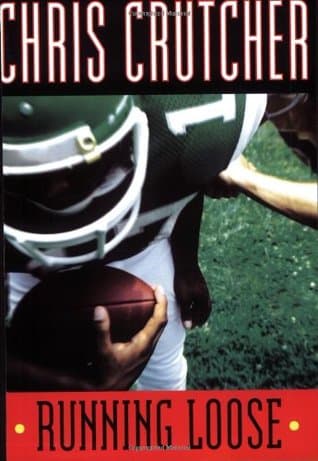
Chris Crutcher (1983)
Genre
Young Adult
Reading Time
224 min
Key Themes
See below
Sign in to track this book
After a season of betrayals and loss, a star athlete must confront his broken ideals and find a new path forward.
Louie Banks, a wide receiver for Coho High, enjoys what he thinks is a perfect senior year. He is in love with his intelligent girlfriend, Becky Sanders, and is close with his best friend, Boomer, the team's quarterback. Their coach, Coach Lednecky, uses a strict, old-school approach, which sometimes conflicts with Louie's developing sense of fairness. Early in the season, Louie notices minor unfairness from Coach Lednecky, like harsh treatment of players and rigid rules. Louie initially dismisses these as part of the game. Becky, however, often voices concerns about the coach's methods and the team's culture, subtly challenging Louie's acceptance of how things are.
During a key football game, a questionable referee's call goes against Coho High, costing them a potential victory. Louie, angry at the perceived injustice, openly challenges the referee and expresses frustration to Coach Lednecky. The coach, instead of supporting Louie, reprimands him for his outburst and stresses discipline. This incident changes Louie, as his trust in the system and his coach begins to waver. Becky, seeing this, encourages Louie to question authority when it seems unfair. The gap between Louie's personal values and the team's strict environment starts to grow, setting the stage for future conflicts.
Becky, increasingly vocal about her disapproval of Coach Lednecky's coaching style, especially his focus on winning at all costs and belittling players, confronts the coach after a game. She accuses him of creating an unhealthy environment and valuing his ego over sportsmanship. Coach Lednecky, feeling disrespected, bans Becky from future Coho High football games. This decision deeply upsets Becky and puts Louie in a difficult position, forcing him to choose between his team and his girlfriend. The incident highlights the growing divide between Louie's personal life and his football commitments, and the pressure on him increases.
After Becky's ban, Coach Lednecky calls Louie into his office and gives him an ultimatum: either Louie convinces Becky to apologize and take back her statements, or he will be benched. Louie, torn between his love for Becky and his commitment to football, initially tries to mediate. Becky refuses to compromise her principles. Louie ultimately stands by Becky, refusing to make her apologize for speaking her mind. Coach Lednecky then benches Louie from the starting lineup. This decision alienates Louie from many teammates, who prioritize winning, and further isolates him within the football program.
Louie's choice to stand by Becky leads to significant alienation from his football teammates. Many resent his perceived disloyalty and the disruption he caused. He faces taunts and cold shoulders, making his senior football season miserable. However, his bond with Becky strengthens, as they navigate this difficult period together, finding comfort in each other. Boomer, Louie's best friend and the team's quarterback, faces a conflict, torn between his loyalty to Louie and his desire to stay in the coach's favor to secure a college scholarship. This internal struggle strains Louie and Boomer's friendship, adding another layer to Louie's challenges.
In a sudden and terrible turn, Becky dies in a car accident. The news devastates Louie, who falls into a deep depression, feeling immense loss and injustice. Her death shatters his perfect world. The accident, happening after intense conflicts with Coach Lednecky and his teammates, increases Louie's feelings of isolation and despair. He struggles with the immense grief, questioning how he can move forward without Becky's love and support; she had become his moral guide and closest confidante during his senior year's trials.
After Becky's death, Louie falls into a deep state of grief, anger, and isolation. He withdraws from friends, family, and remaining football commitments, finding comfort only in his sorrow. His anger is complex, aimed at life's unfairness, the coach, and sometimes himself for not protecting Becky. He struggles to find meaning in anything, and his once lively personality is overshadowed by emptiness. His parents, though supportive, find it hard to reach him. His friends, including Boomer, struggle to break through his emotional barriers, leaving Louie feeling completely alone in his pain.
Driven by his raw grief and anger, Louie confronts Coach Lednecky in an emotional encounter. He blames the coach for contributing to Becky's stress and, in Louie's mind, for the events that led to her death. Louie expresses his belief that the coach's rigid, unforgiving nature and his banishment of Becky created unnecessary conflict and unhappiness. The confrontation is a release for Louie, allowing him to voice the bitterness and resentment that have grown within him. While the coach remains mostly unmoved, the encounter is a symbolic act of defiance and Louie's attempt to regain some control over his tragedy.
Over time, with the steady support of his parents and the persistent efforts of Boomer and other friends, Louie slowly begins to heal. He starts to talk about Becky, remembering her spirit and principles. He realizes that Becky would not want him to remain consumed by bitterness. He starts to do activities he once enjoyed, though with a heavy heart, and finds small moments of peace. This period marks the beginning of his journey toward acceptance and remembrance. He seeks to honor Becky's memory not through anger, but by living a life that reflects her values.
In the spring, Louie joins the track team, seeking a physical outlet for his pain and a way to channel his energy. He finds unexpected camaraderie and a renewed sense of purpose in running, dedicating his efforts to Becky's memory. Running becomes a symbol for his journey, pushing through pain and moving forward. He carries Becky's spirit, finding strength in her memory and her belief in standing up for what is right. This new endeavor helps Louie rebuild his life, finding a way to move forward without forgetting Becky's deep impact on him, and ultimately, to break free from the grip of his grief.
The Protagonist
Louie transforms from a naive, optimistic high school athlete into a grieving young man who, through immense loss, learns to confront injustice and find resilience and purpose in honoring the memory of his love.
The Supporting/Love Interest
Becky is a catalyst for Louie's development, embodying the principles he struggles to uphold and leaving a lasting legacy through her values.
The Antagonist
Coach Lednecky remains largely static, embodying an unyielding, unreflective authority that Louie must ultimately reject and overcome.
The Supporting
Boomer grapples with divided loyalties, eventually choosing to support Louie despite the personal risks, solidifying their friendship.
The Supporting
They remain steadfast sources of support, helping Louie navigate his grief and find his way back to himself.
The novel explores justice and fairness, especially in competitive high school football. Louie constantly deals with perceived injustices from Coach Lednecky, from unfair calls to the coach's authoritarian control. Becky is a strong voice against these injustices, pushing Louie to question the way things are. The theme culminates in the profound injustice of Becky's death, forcing Louie to face a world where fairness is often absent, and he must find his own way to live justly despite it. The conflicts show the tension between strict rules and ethical behavior.
““There’s a difference between being tough and being a jerk, Coach.””
The main theme is the deep impact of loss and the process of grief. Becky's sudden and tragic death shatters Louie's world, plunging him into despair, anger, and isolation. The story details his struggle to cope with this loss, showing how grief appears in different stages: denial, anger, withdrawal, and eventually, a slow path toward acceptance and remembrance. Louie's journey through grief is central to his character development, as he learns to live with loss and honor the memory of those he has lost, rather than being consumed by it. His decision to run track symbolizes his ability to 'run loose' from the suffocating grip of sorrow.
““It was like the world had just… stopped. And I was the only one left standing in it.””
The novel contrasts maintaining personal integrity with conforming to institutional pressures. Louie and Becky, especially Becky, champion integrity and speaking truth, even at a personal cost. Coach Lednecky, on the other hand, embodies conformity to a rigid, win-at-all-costs mindset, demanding obedience. Louie's refusal to make Becky apologize, despite the threat of being benched, is a key moment where he chooses integrity over conforming to the team's demands. This theme asks readers to consider the importance of personal values when facing external pressures.
““Some things are more important than football, Louie. Like being able to look yourself in the mirror.””
The strength and complexity of relationships are central to the story. Louie's deep love for Becky brings him joy and moral guidance, and her loss devastates him. His friendship with Boomer is tested by conflicting loyalties, showing the challenges of keeping bonds when personal values differ. The steady support of Louie's parents highlights the importance of family in times of crisis. These relationships, both supportive and challenging, shape Louie's journey and provide the framework for his emotional development, showing how human connection is vital for navigating life's most difficult experiences.
““She was the one who made me see things clearly, the one who made me want to be better.””
Subtle hints of future conflict and tragedy.
The novel uses subtle foreshadowing to build tension and prepare the reader for the coming conflicts and tragedy. Becky's early criticisms of Coach Lednecky's methods, Louie's initial discomfort with the coach's harshness, and the escalating verbal clashes between Becky and the coach all hint at a brewing storm. These early signs of friction, though seemingly minor at first, gradually escalate, making the eventual banishment of Becky and the subsequent tragic accident feel like an inevitable, albeit heartbreaking, consequence of the established conflicts and the characters' unwavering stances.
Running as a metaphor for escape, freedom, and moving forward.
Running serves as a powerful symbol throughout the novel. Initially, Louie's 'running loose' on the football field represents his carefree joy and athleticism. After Becky's death, running transforms into a means of escape and a way to channel his grief. When he joins the track team, running becomes a metaphor for his journey of healing and moving forward. It signifies his ability to break free from the suffocating grip of sorrow and find a new purpose, honoring Becky's memory by continuing to live and strive, embodying the idea of 'running loose' from the constraints of his past.
A character whose rigid authority creates conflict and drives the plot.
Coach Lednecky functions as the primary antagonistic force, not necessarily evil, but a rigid, unyielding authority figure whose values clash directly with Louie's and Becky's. His strict adherence to rules, his prioritizing of winning over player welfare, and his intolerance for dissent create the central conflict that sets in motion the story's tragic events. He symbolizes the institutional pressures and the 'unfairness' that Louie must confront, ultimately forcing Louie to make difficult choices and shaping his understanding of justice and integrity in a world that often lacks it.
“Sometimes you have to step back to see the whole picture.”
— Louie Banks reflecting on his life and the challenges he faces.
“The only thing worse than being a bigot is being a silent bigot.”
— Louie's father expressing his views on racism.
“You can't choose your family, but you can choose what kind of person you're going to be.”
— Louie grappling with his family's past and present.
“Fear can make you do things you never thought you were capable of.”
— Louie's internal thoughts about the pressures he's under.
“Some things, once broken, can never be truly fixed. You can only learn to live with the cracks.”
— Louie reflecting on the lasting impact of traumatic events.
“The truth doesn't always set you free; sometimes it just makes things more complicated.”
— Louie dealing with the repercussions of revealing difficult truths.
“It's not about winning or losing, it's about how you play the game... and who you play it with.”
— A coach's advice to Louie about sportsmanship and camaraderie.
“Hate is a heavy burden to carry, and it eventually weighs you down.”
— Louie observing the destructive nature of prejudice in others.
“You can't outrun your past, but you can decide where you're going to run in the future.”
— Louie contemplating his future after facing his past demons.
“Sometimes the strongest thing you can do is ask for help.”
— Louie realizing he doesn't have to face everything alone.
“Silence can be louder than any scream when it comes to injustice.”
— Louie witnessing the impact of unspoken prejudice.
“The world doesn't owe you anything, but you owe it to yourself to be the best you can be.”
— A mentor figure giving Louie advice on self-improvement.
“Love isn't always easy, but it's always worth fighting for.”
— Louie reflecting on his relationship amidst challenges.
Ready to see how well you understood this book? Take our interactive quiz with 10 questions.

Chris Crutcher is a renowned author of young adult fiction, celebrated for his realistic and often humorous portrayals of adolescent life. His notable works, including "Running Loose," "Staying Fat for Sarah Byrnes," and "Whale Talk," tackle complex themes of identity, friendship, and societal pressures with unflinching honesty. Crutcher's authentic voice and relatable characters have earned him a dedicated readership and critical acclaim within the YA community.