“Every time I think things can't get worse, they do.”
— The protagonist's recurring thought as their situation deteriorates.

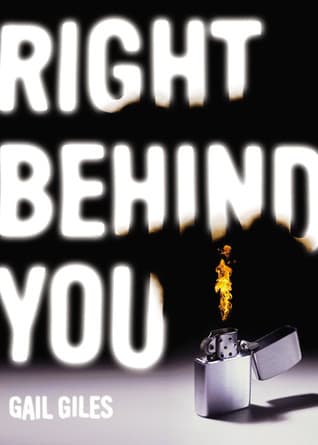
Gail Giles (2007)
Genre
Thriller / Mystery
Reading Time
292 min
Key Themes
See below
Sign in to track this book
A paroled Kip, haunted by setting a child on fire at age nine, must outrun his past before his dark secret ruins his fresh start.
Kip, now eighteen, is released from the juvenile ward where he spent nine years for setting another child, Julian, on fire. His mother, whom he barely recognizes, picks him up and takes him to a small apartment. The transition is jarring, filled with unspoken tension about his past. Kip struggles with the routines of freedom, haunted by memories of the incident and his institutionalized life. He feels like an outsider, always aware of the 'murderer' label he carries, even though Julian survived. His mother, distant and overwhelmed, tries to reconnect, but the years of separation and the trauma of Kip's crime have created a large gap between them.
Kip gets a job at a local library, a quiet place where he hopes to blend in. His supervisor, a kind older woman named Mrs. Henderson, seems unaware of his past, giving him a sense of normalcy he desperately wants. He enjoys the order and the books, finding a temporary escape from his internal conflict. However, the outside world remains a challenge. He struggles with social interactions, constantly on guard, fearing recognition or judgment. He finds comfort in anonymity, watching others from a distance, trying to understand the rules of a society he has been largely excluded from. The library becomes his sanctuary, a place where he can almost forget who he is.
At the library, Kip meets Sarah, a bright and independent young woman who works at a nearby café. Their first interactions are hesitant, but Sarah's genuine curiosity and lack of judgment slowly break down Kip's defenses. He is drawn to her openness and how easily she navigates the world. Their conversations are a relief, allowing Kip to experience a connection untainted by his past. For the first time in years, he feels a glimmer of hope for a future that might include real relationships, a future where he is not defined only by his worst mistake.
Just as Kip begins to feel somewhat normal, he starts receiving anonymous, unsettling messages. These messages are vague but deeply personal, referencing details only known to those familiar with his past crime. A drawing of a matchstick man, a cryptic note, a subtle hint — each one sends a jolt of fear through him. He immediately suspects Julian, the boy he set on fire, believing he is seeking revenge. The messages are a stark reminder that his past is not truly behind him, threatening to unravel the new life he is trying to build. The anonymity of the messages adds to the terror, making him feel constantly watched and vulnerable.
The anonymous threats escalate from cryptic notes to more direct and menacing actions. Kip's apartment is vandalized, with the same matchstick man drawing left as a calling card. He sees figures lurking, feels watched, and experiences intense paranoia. The fear of exposure becomes overwhelming, jeopardizing his job and his growing relationship with Sarah. He starts to withdraw, his trust in others eroding. He tries to find an explanation, revisiting the traumatic memories of the incident with Julian, searching for clues about who might be orchestrating this torment and why. His fragile peace shatters, replaced by constant anxiety.
Overwhelmed by the escalating threats and the fear of losing Sarah, Kip makes the difficult decision to confess his past. He reveals the truth about setting Julian on fire when he was nine, the years in the juvenile ward, and the constant burden of his crime. Sarah, initially shocked and disturbed, struggles to process the revelation. Her reaction is a mix of fear, confusion, and a deep sense of betrayal, as she grapples with the image of the gentle man she thought she knew versus the dark secret he carries. This confession is a monumental step for Kip, a desperate plea for understanding and acceptance, but it risks destroying the one meaningful connection he has made.
Sarah retreats, needing space to process Kip's confession. She struggles with the moral implications of his past, his violent actions, and the fact that he kept such a deep secret from her. Her trust is shaken, and she questions everything she thought she knew about him. Despite her fear and confusion, she still cares for Kip, recognizing his pain and remorse. She confides in a friend, seeking advice, but ultimately knows the decision to stay or leave is hers. This period is agonizing for Kip, as he waits for her decision, knowing his future happiness depends on her understanding and forgiveness.
Driven by the need to understand the source of the threats, Kip takes matters into his own hands. He uses his library access and growing detective skills to research Julian. He discovers that Julian, now an adult, had been severely scarred by the fire, both physically and emotionally. Julian had a difficult life, marked by trauma and anger, and had recently been released from a psychiatric facility. This information complicates Kip's story, revealing a victim who is not just a ghost from the past, but a living, suffering individual who may be seeking revenge. The revelation fuels Kip's guilt but also provides a concrete suspect.
Kip, with Sarah reluctantly by his side, tracks Julian down. The confrontation is tense and emotional. Julian, scarred and bitter, confirms his hatred for Kip but denies sending the threats. He reveals his own struggles and the profound impact of the fire on his life, but his actions are not those of a cunning tormentor. As they talk, a subtle detail, a phrase, or a specific piece of information makes Kip realize that the true stalker is someone else entirely — someone much closer to him, who had intimate knowledge of both his and Julian's past. The realization is a gut punch, turning his world upside down once more.
The shocking truth emerges: Kip's own mother has been orchestrating the threats. Her motive is complex and twisted, rooted in her own guilt and trauma from Kip's crime. She never truly processed the incident, and her actions are a desperate, misguided attempt to punish Kip, to make him understand the depth of his actions, and perhaps to absolve herself of her own perceived failures as a parent. She believed that by keeping him constantly on edge, by making him confront his past, she could somehow 'cure' him or make him truly atone. The revelation is devastating for Kip, a betrayal far deeper than he could have imagined, shattering the already fragile possibility of family reconciliation.
The truth about his mother's manipulation leaves Kip reeling. The layers of deception and the psychological torment she inflicted are almost too much to bear. Sarah, horrified by the extent of the betrayal, stands by Kip, offering unwavering support. Kip realizes that he can no longer live under the shadow of his past or his mother's twisted attempts at 'justice.' He decides to press charges against his mother, a painful but necessary step towards his own healing and to break free from her toxic influence. This decision marks a turning point, as Kip consciously chooses to take control of his own narrative, to seek true justice, and to build a future defined by his own choices, not by the mistakes of his past or the manipulations of others.
The Protagonist
Kip transforms from a withdrawn, guilt-ridden individual into a person who confronts his past, seeks genuine connection, and ultimately takes control of his own narrative and healing.
The Supporting
Sarah evolves from a curious acquaintance to a deeply supportive partner, demonstrating her capacity for empathy and forgiveness in the face of profound adversity.
The Antagonist
Her character arc reveals her as the hidden antagonist, her seemingly distant nature masking a deeply manipulative and psychologically harmful personality.
The Supporting
Julian's character provides a stark, living embodiment of Kip's past actions and their lasting impact, challenging Kip's perception of his victim.
The Supporting
Mrs. Henderson remains a steady, kind presence, unaware of the deeper drama unfolding around Kip, serving as a symbol of the 'normal' life Kip aspires to.
The novel explores Kip's journey to find redemption for his past crime. He deals with immense guilt and the societal label of 'murderer,' even though his victim survived. His attempts to build a new life, connect with Sarah, and confront his past are all part of this quest for self-forgiveness and the hope of being forgiven by others. The story questions whether true redemption is possible for such an act and what it entails, especially when the victim's suffering continues. Kip's ultimate decision to take control of his life and seek justice for the manipulation he endured is a significant step in his personal redemption.
“How can Kip tell anyone that he really is--or was--a murderer?”
This theme is central to the story, as Kip's entire life is overshadowed by his childhood crime. The years in the juvenile ward, the distant relationship with his mother, and the constant fear of exposure are all direct results of his past. The anonymous threats are a physical manifestation of this burden, preventing him from truly moving forward. The novel shows how past actions, even those committed in childhood, can have lasting impacts on an individual's identity, relationships, and perception of the world. It shows that escaping one's past is often impossible, and true freedom comes from confronting it.
“He felt like an outsider, constantly aware of the label 'murderer' he carries, even though Julian survived.”
Kip struggles intensely with his identity. Is he forever defined by the horrific act he committed as a child, or can he create a new self? He grapples with the 'murderer' label, feeling it as an inescapable part of who he is. His interactions with Sarah, who initially knows nothing of his past, allow him to explore a different identity, one not burdened by his secret. The psychological torment inflicted by his mother further complicates his self-perception, forcing him to confront the dark parts of his history. The novel explores how external perceptions and internal guilt shape who we believe ourselves to be.
“He desperately tries to find an explanation, revisiting the traumatic memories of the incident with Julian, searching for clues about who might be orchestrating this psychological torment and why.”
The theme of betrayal runs through the story, particularly in the revelation of Kip's mother as the antagonist. Her manipulation is a deep betrayal of a child by a parent, shattering Kip's already fragile trust. Sarah's initial struggle to trust Kip after his confession also highlights this theme, as she grapples with the secret he kept. The novel explores the devastating impact of betrayal on relationships and the difficulty of rebuilding trust once it has been broken. Kip's journey is ultimately about learning whom to trust and how to trust himself.
“The revelation is devastating for Kip, a betrayal far deeper than he could have imagined, shattering the already fragile possibility of family reconciliation.”
Cryptic messages and acts of vandalism that create suspense.
The anonymous threats, initially vague notes and later escalating to vandalism, serve as a primary driver of suspense and plot progression. They are designed to psychologically torment Kip, making him constantly fear exposure and forcing him to confront his past. This device keeps the reader guessing about the identity of the stalker and their motives, creating a sense of dread and paranoia that mirrors Kip's own internal state. The 'matchstick man' drawing becomes an ominous symbol, linking the threats directly to Kip's childhood crime.
Kip's limited perspective on his past and the present threats.
The story is primarily told from Kip's perspective, but his knowledge is deliberately limited, especially regarding the true nature of the threats and the full story of his past actions. For instance, he initially assumes Julian is the stalker. This device creates dramatic irony and suspense, as the reader experiences the mystery alongside Kip, gradually uncovering the truth. It also highlights Kip's internal struggle and his difficulty in processing his own traumatic memories, making him an imperfect narrator of his own history.
Represents destruction, trauma, and the indelible mark of the past.
Fire is a potent symbol throughout the novel, directly linked to Kip's central crime. It represents the destructive power of his actions and the trauma it inflicted on both Julian and himself. The memory of the fire burns in Kip's mind, a constant reminder of his guilt. The 'matchstick man' drawing serves as a recurring visual motif, bringing the symbolism of fire back to the forefront and reinforcing the idea that his past, like a fire, leaves indelible scars and can reignite at any moment.
A place of quiet refuge and unexpected connection for Kip.
The library where Kip works serves as a symbolic sanctuary for him. It's a quiet, ordered environment that offers anonymity and a temporary escape from his turbulent past. Surrounded by stories, he finds a sense of peace and purpose. It's also where he meets Sarah, signifying that even in a place of refuge, new and meaningful connections can form. The contrast between the library's calm atmosphere and the chaos of Kip's inner world and external threats highlights his yearning for a normal life.
“Every time I think things can't get worse, they do.”
— The protagonist's recurring thought as their situation deteriorates.
“The woods don't care about your rules.”
— A reflection on the indifference of nature to human struggles and societal norms.
“Fear has a smell, and I was reeking of it.”
— The character's acute awareness of their own terror in a dangerous situation.
“Sometimes, the truth is just too ugly to look at.”
— A character's reluctance to confront a disturbing reality.
“You can run, but you can't hide from yourself.”
— An internal struggle with past actions and identity.
“The quiet was worse than any scream.”
— The oppressive silence after a terrifying event, amplifying anxiety.
“We all carry our own prisons with us.”
— A philosophical observation on internal limitations and guilt.
“Trust is a luxury I couldn't afford.”
— The protagonist's inability to rely on others due to their precarious circumstances.
“The world keeps turning, even when yours stops.”
— A poignant realization of the world's indifference to personal tragedy.
“Survival is a messy business.”
— A pragmatic view of the difficult and often morally compromising actions required to stay alive.
“Some secrets are meant to stay buried.”
— The dangerous nature of uncovering past truths.
“The line between sane and insane was thinner than I thought.”
— A character's struggle with their own mental state under extreme duress.
“Hope is a dangerous thing, especially when it's false.”
— A cynical view on the perils of clinging to illusions.
“Every shadow held a potential threat.”
— The constant state of hyper-vigilance experienced by the protagonist.
Ready to see how well you understood this book? Take our interactive quiz with 10 questions.

Biography coming soon.







