“Ribsy was a dog who had never been lost in his life, and he didn't intend to start now.”
— Ribsy's determination when he first gets separated from his owner, Henry Huggins.

Beverly Cleary (1923)
Genre
Children's / Young Adult
Reading Time
192 min
Key Themes
See below
Sign in to track this book
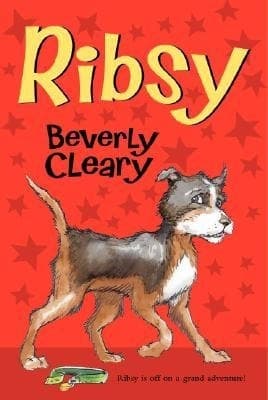
A mischievous, steak-loving dog named Ribsy embarks on a series of comical misadventures across the City of Roses after accidentally getting separated from his beloved boy, Henry.
The story begins with Henry Huggins taking his dog, Ribsy, to a new shopping center in his family's car. Henry has promised Ribsy a ride, but once there, he ties Ribsy to a parking meter while he goes inside to buy his mother a present. Ribsy, feeling neglected and bored, unties himself. He then sees a station wagon he thinks is Henry's car and jumps in. The car drives away, and Ribsy soon realizes he is with a strange family, starting his adventure away from Henry.
Ribsy finds himself with the Fry family, who are going to a picnic. Mrs. Fry sees the well-behaved dog and decides he must be a stray, taking him home. Their young daughter, Amy, is happy and immediately tries to make Ribsy into a 'proper' dog, making him wear a frilly hat and pushing him in a doll carriage. Ribsy, who prefers chasing cats and digging, finds these actions embarrassing and escapes, leaving the Frys confused about the seemingly ungrateful dog.
After escaping the Frys, Ribsy wanders into a schoolyard during recess. His appearance causes a stir among the children, who chase him. In the chaos, he accidentally trips a teacher and makes a mess in the principal's office. The school janitor, Mr. Cleary, likes Ribsy, offering him food and a warm place to sleep in the boiler room. Mr. Cleary, a lonely man, enjoys Ribsy's company, but Ribsy remains restless, still wanting Henry.
Ribsy leaves the school and is soon found by Mrs. Smerdz, who thinks he is her groomed poodle, 'Precious.' Mrs. Smerdz, a dog show fan, is sure Ribsy is Precious, despite his scruffy look, and forces him into a bath and a fancy collar. She then enters him in a dog show. Ribsy, completely out of place, performs poorly, causing a scene and getting disqualified, to Mrs. Smerdz's dismay. He escapes the show, relieved to be free from the embarrassment.
Wandering through the city, Ribsy finds a construction site. Interested by the machinery and smells, he starts to explore. His curiosity leads him to a pile of sand, which he digs into with enthusiasm. This causes a small landslide, moving some construction materials. The workers are annoyed by his presence, and Ribsy, seeing he's not wanted, quickly moves on, continuing his solitary journey through the city.
Ribsy's journey leads him to a park where he meets Ramona Quimby, a young girl playing with her doll. Ramona, known for her creative imagination, is happy to find a dog and immediately decides to decorate him. She ties colorful ribbons in his fur, which Ribsy does not like. He tolerates it for a short time, but the memory of Amy Fry's attempts to dress him up makes him uneasy. He eventually shakes free of the ribbons and trots away, wanting more freedom.
As evening comes, Ribsy is alone in a city park. A cold rain starts to fall, and he cannot find good shelter. He huddles under a bench, feeling cold and lonely. This experience shows his growing tiredness and his wish for the comfort and familiarity of Henry's home. The harsh weather makes him realize how much he misses his normal routine and the safety of being Henry Huggins's dog.
The next morning, hungry and still wet, Ribsy's nose leads him to a butcher shop. The smell of meat is almost too much. He sits patiently outside, hoping for food. The butcher, a kind man, eventually sees him and offers him a bone. Ribsy gratefully accepts, enjoying his first real meal in days. This brief kindness gives him much-needed food and a temporary break from his constant wandering.
After leaving the butcher shop, Ribsy is seen by a concerned citizen who takes him to the local police station, believing him to be a lost dog. At the station, officers check for missing dog reports. They find a notice posted by Henry Huggins, describing his lost dog, Ribsy. The description matches. The police contact Henry, telling him his dog has been found.
Henry Huggins, who has been upset since Ribsy went missing, rushes to the police station. The reunion is happy. Henry is relieved to see Ribsy, who is equally happy to be back with his owner. Despite Ribsy's adventures and the people he met, his loyalty to Henry never changed. They return home, and Ribsy settles back into his familiar life, his days of adventure finally over, to the relief of both boy and dog.
The Protagonist
Ribsy starts as a somewhat careless dog, but his journey teaches him the value of home and his owner's love, solidifying his bond with Henry.
The Supporting
Henry starts as a somewhat careless owner, but Ribsy's disappearance makes him more appreciative and careful with his pet.
The Supporting
Amy remains a static character, representing a common misunderstanding of animal nature.
The Supporting
Mr. Cleary remains a static character, representing simple kindness.
The Supporting
Mrs. Smerdz remains a static character, focused on her show dogs.
The Mentioned
Ramona's character is not developed in this book; she serves as a brief, recognizable cameo.
The Supporting
Mr. Huggins remains a static character, a supportive paternal figure.
The Supporting
Mrs. Huggins remains a static character, a supportive maternal figure.
The main theme is Ribsy's wish to go home to Henry Huggins. Even though he meets different people and lives in different places, Ribsy's biggest desire is to be back with his owner. Each temporary home, whether the Frys' house, the school boiler room, or Mrs. Smerdz's apartment, shows what Ribsy is missing: the familiar comforts and love of his own home. This theme is clear in Ribsy's restlessness and his constant attempts to get away from his temporary caretakers.
“What he wanted was his own Henry and his own backyard, and the familiar smells of his own kitchen.”
Ribsy's adventures often challenge his identity as an 'ordinary city dog.' Amy Fry tries to make him a doll-like pet, and Mrs. Smerdz forces him into being a pampered show poodle. Ribsy resists these changes, showing his true nature by digging, chasing, and acting like a normal dog. This theme explores staying true to yourself, even when others try to make you different. Ribsy's refusal to be anything but Henry's dog is a strong statement.
“He was not a poodle. He was Ribsy, Henry Huggins's dog, and he wanted no part of being a poodle.”
Despite the confusing nature of Ribsy's journey, he meets several kind people who help him. Mr. Cleary, the janitor, provides food and shelter; the butcher gives him a bone; and the police officers ensure his safe return to Henry. These acts of kindness, often from unexpected people, give him moments of rest and show the good in people, even when Ribsy is lost. This theme balances the difficulties Ribsy faces with moments of human care.
“The janitor picked up Ribsy, scratched him behind the ears, and carried him into the boiler room.”
The city itself is a complex and often confusing place for Ribsy's adventures. From the busy shopping center to schoolyards, construction sites, and city parks, the urban environment presents many challenges and new experiences for a lost dog. The city's size and anonymity show Ribsy's vulnerability and how hard it is to find his way home. Each new place brings different problems and characters, making the city a character in the story.
“The city was a bewildering place for a dog on his own.”
A series of distinct, self-contained adventures
The novel is structured as a series of distinct episodes, each detailing Ribsy's encounter with a different family or individual. While there's an overarching goal (Ribsy getting home), each chapter functions almost as a short story, introducing new characters and settings. This allows for varied humorous situations and showcases different aspects of Ribsy's character without a single, continuously escalating plot, typical of children's literature.
Giving Ribsy human-like thoughts and feelings
While Ribsy doesn't speak, the narrative frequently delves into his thoughts and feelings, allowing readers to understand his confusion, frustration, and longing. We know he feels 'humiliated' by a hat or 'bewildered' by his circumstances. This limited anthropomorphism allows readers to empathize with Ribsy's predicament and provides a dog's-eye view of the human world, enhancing the humor and emotional depth of his journey.
Ribsy being confused for other dogs
A recurring plot device is Ribsy being mistaken for other dogs, most notably Mrs. Smerdz's poodle, Precious. This device generates much of the story's humor and conflict, as Ribsy is forced into situations that are completely unnatural to him. It highlights the superficiality of some human perceptions of animals and underscores Ribsy's unique, scruffy identity that he struggles to maintain.
The classic narrative of a pet separated from its owner
The entire premise of the book relies on the 'lost and found' motif, a common and effective narrative structure in children's literature. It immediately establishes a clear goal (reunion), creates suspense, and evokes empathy for both the lost pet and the worried owner. Ribsy's journey through various temporary homes amplifies the emotional impact of the eventual reunion, making it a satisfying conclusion.
“Ribsy was a dog who had never been lost in his life, and he didn't intend to start now.”
— Ribsy's determination when he first gets separated from his owner, Henry Huggins.
“He was a plain ordinary dog, and he liked it that way.”
— Description of Ribsy's character early in the story.
“A dog's life is not all chasing cats and eating.”
— Ribsy reflecting on his adventures and challenges.
“Sometimes the best way to find your way home is to keep moving.”
— Ribsy's approach to navigating the city while lost.
“People are funny creatures, but they usually mean well.”
— Ribsy's observation of the humans he encounters.
“A good sniff can tell you more than a long look.”
— Ribsy using his senses to understand his surroundings.
“Home isn't just a place; it's where your person is.”
— Ribsy's realization about what home means to him.
“Even a lost dog can make new friends along the way.”
— Ribsy meeting other animals and people during his journey.
“Patience is a virtue, especially when you're waiting for a boy.”
— Ribsy waiting hopefully for Henry to find him.
“The world is full of surprises, some good and some not so good.”
— Ribsy experiencing various unexpected events.
“A little mischief never hurt anyone, as long as you're careful.”
— Ribsy getting into minor trouble while exploring.
“Trust your nose, but use your head too.”
— Ribsy learning to balance instinct with thought.
“Every dog has his day, and this was definitely Ribsy's.”
— A turning point in Ribsy's journey where things improve.
“Sometimes the simplest things—like a familiar scent—mean the most.”
— Ribsy finding comfort in small reminders of home.
Ready to see how well you understood this book? Take our interactive quiz with 10 questions.
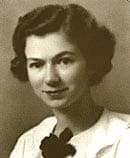
Beverly Cleary was a beloved American children's author, celebrated for her realistic and humorous portrayal of childhood. Her iconic characters, including Ramona Quimby and Henry Huggins, resonated with generations of readers. Cleary's extensive body of work, featuring titles like 'The Mouse and the Motorcycle' and 'Ramona the Brave,' earned her numerous accolades, including the Newbery Medal and the National Medal of Arts.
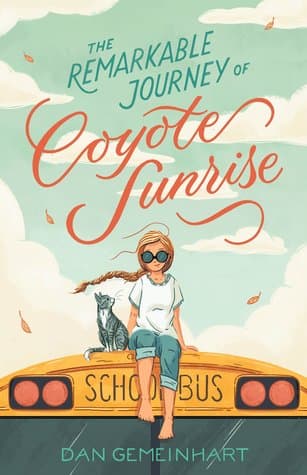
Dan Gemeinhart
4.5
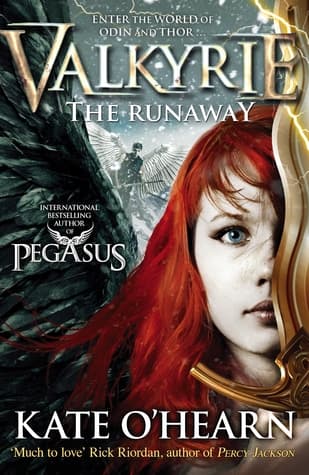
Kate O'Hearn
4.4

Jeanne Birdsall
4.4

Jen Wang
4.4
Wendelin Van Draanen
4.3

John Marsden
4.3

Chris Van Allsburg
4.3
Jennifer A. Nielsen
4.2