“History, huh? Bet we could make some.”
— Alex's iconic email to Henry, signaling a shift in their relationship.

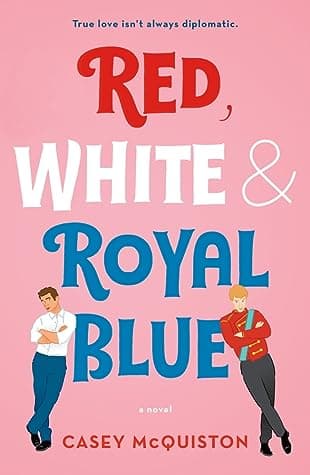
Casey McQuiston (2019)
Genre
Young Adult / Romance
Reading Time
8-10 hours
Key Themes
See below
Sign in to track this book
America's First Son and a British Prince start a fake friendship to quiet a tabloid story. This friendship turns into a secret romance, and they risk their positions for a love that could change two nations.
First Son Alex Claremont-Diaz goes to Prince Philip's royal wedding. There, he has a public fight with Prince Henry of Wales, his long-time enemy. Paparazzi catch the incident, which involves a fallen wedding cake. It quickly becomes a tabloid story, threatening the relationship between the US and the UK. To fix the diplomatic problem, their teams arrange a fake friendship tour for Alex and Henry. This public relations event involves staged photos and interviews. It makes the two young men spend much time together, despite their initial dislike. Alex, known for his charm and political goals, finds the situation annoying. Henry, usually quiet, seems just as uncomfortable with the act.
During their required public appearances and private meetings, Alex and Henry slowly move past disliking each other. A key moment happens during a hospital visit. They connect over shared experiences, and Henry's dry humor starts to show through his quiet manner. Their talks get deeper, showing common pressures and worries about their public roles. Alex starts to see Henry as more than just a stiff royal. He finds a sensitive and smart person underneath. The fake friendship begins to feel real, and they start to like each other. This is clear after a New Year's Eve party where their connection feels strong.
After the New Year's Eve party at the White House, Alex and Henry share a sudden, passionate kiss. This confirms their growing attraction and starts their secret romance. They begin sending secret emails and texts, using coded language and planning hidden meetings when their schedules and security allow. Their relationship risks being found out because of their public positions and what it could mean for Alex's mother, President Ellen Claremont, who is preparing for her reelection. Alex comes to terms with his bisexuality, a realization because of his feelings for Henry. Henry struggles with the pressure of his royal duties and the strict rules of the British monarchy about his personal life.
As their relationship continues, Alex and Henry fall deeply in love. They handle their long-distance relationship with secret visits to Kensington Palace and the White House, and shared times during official events. Alex tells his best friend Nora Holleran and his sister June about his hidden romance. Henry, however, is much more careful because of the serious problems he would face from the Crown. Alex's political goals conflict with his new feelings, making him question his future. Henry's inner struggle with his royal duty and personal wants becomes clearer, leading to times of doubt and emotional openness for both of them.
Alex eventually tells his mother, President Ellen Claremont, about his relationship with Henry. To his surprise, Ellen supports him, but she warns him about the political results. Henry, finding it hard to keep his secret, also tells his sister, Princess Bea, and his grandfather, King James. Bea, who has had her own public difficulties, understands. But the King's reaction is one of strong disapproval, reminding Henry of his duty to the Crown. Despite the different levels of support, sharing their secrets with trusted people gives Alex and Henry some relief and outside confirmation. This makes them more determined to make the relationship work.
Despite trying hard to keep it secret, private emails, texts, and photos between Alex and Henry are anonymously leaked to the press. The scandal spreads globally, making headlines and causing problems in both American and British politics. The leak threatens President Claremont's reelection campaign, as conservative opponents use the issue. It also puts much pressure on the British monarchy. Alex and Henry must deal with the public reaction. Their private lives are suddenly open for everyone to see. The event puts their relationship and their futures at risk, forcing them to manage the damage.
After the leak, the British Royal Family immediately isolates Henry. They demand he end the relationship and publicly deny it to protect the monarchy. Alex, however, wants to fight for their love. With his mother and team's help, Alex convinces Henry to make a joint public statement instead of agreeing to the royal family's demands for silence. This decision is a big act of rebellion for Henry, who has always followed duty. They write a strong statement to take back their story and stand together against those trying to separate them. It acknowledges their love and their right to privacy.
Alex and Henry record and release their joint statement, speaking directly to the world about their relationship. The video quickly becomes popular, starting a global discussion about love, duty, and LGBTQ+ rights. Some reactions are negative, especially from conservative groups and traditional people in the monarchy. But a large wave of public support appears. People worldwide support Alex and Henry, moved by their honesty and courage. This public support challenges the strict traditions of the British monarchy. It also gives President Claremont's campaign important momentum, turning a possible disaster into a moment of history.
Facing much public pressure and the risk of seeming out of touch, Queen Mary of England is eventually forced to approve Alex and Henry's relationship. She does so unwillingly, in a private meeting. This marks a change, showing a more modern approach from the monarchy. At the same time, President Ellen Claremont successfully handles the political trouble caused by the leak. She uses the public's support for her son and Henry. She wins her reelection campaign, securing her place in history and showing that love can win over political problems. Alex, understanding his identity and future, commits to a life with Henry.
With the Queen's reluctant approval and President Claremont's reelection, Alex and Henry can finally be open about their relationship. They go to public events together, no longer hiding their affection. Their lives are still closely watched, but they face it together. Alex continues his political goals, now with a deeper understanding of himself and the world. Henry starts to find a more real role within the monarchy, one that lets him be true to himself. Their story becomes a sign of hope and progress, inspiring many people and showing that love, even between a First Son and a Prince, can change the world.
The Protagonist
Alex discovers his true sexual identity and learns to balance his political aspirations with his personal happiness and love for Henry, ultimately choosing authenticity over strict adherence to expectations.
The Protagonist
Henry learns to prioritize his own happiness and identity over the strictures of royal duty, finding the courage to openly love Alex and challenge the monarchy's outdated expectations.
The Supporting
She successfully secures her reelection bid while demonstrating unwavering support for her son, ultimately showing that love and politics can coexist.
The Supporting
June supports Alex through his journey of self-discovery and love, solidifying her role as a steadfast and understanding sister.
The Supporting
Nora remains a steadfast and insightful friend to Alex, helping him navigate his personal and political challenges with strategic advice and unwavering support.
The Supporting
Bea provides unwavering emotional support to Henry, using her own experiences to guide him through the challenges of his relationship and public life.
The Supporting
Zahra evolves from being a strict political gatekeeper to a supportive, albeit still pragmatic, ally for Alex and Henry, demonstrating her ultimate loyalty to the Claremont family.
The Supporting
Oscar provides consistent paternal support and wisdom to Alex as he navigates his personal and public life, reinforcing the importance of being true to himself.
The Antagonist
Initially an antagonist to Henry's personal happiness, she is eventually forced to grudgingly accept his relationship with Alex due to overwhelming public support and the changing times.
The book explores Alex's journey of self-discovery, especially his realization and acceptance of his bisexuality. Before Henry, Alex thought he was straight and had a clear political future. His relationship with Henry makes him face his identity, question his old ideas, and accept who he is. Henry's struggle between his public image and private wants also shows his search for authenticity within royal duty. Their love helps both characters find a truer version of themselves.
“History, huh? Bet we could make some.”
A main conflict is the struggle between personal love and public duty. This is especially true for Henry as a royal and Alex as the First Son. Henry constantly feels pulled between his feelings for Alex and what the Crown expects, which is to follow tradition and marry someone 'suitable.' Alex also worries about how his relationship could affect his mother's presidency and his own political goals. At the story's end, they choose love and authenticity, challenging the institutions that demand their sacrifice. Their struggle shows the personal cost of public life and the courage needed to go against expectations.
“You are the most important person in my life. You're everything to me. And if I have to give up everything else to be with you, then I will.”
The story shows how public opinion and media greatly affect Alex and Henry's lives. Their first fake friendship is a public relations stunt. Their eventual public outing is a media leak that threatens careers and international relations. But the story also shows how public feelings can change, turning a scandal into support. The global reaction to their love story, especially after their joint statement, shows how media can both control and free people. It eventually forces institutions like the monarchy to change with society's views.
“It’s not just about you. It’s about everyone who’s ever felt like they couldn’t be themselves.”
Both Alex and Henry rely a lot on their families and chosen family members for support. Alex's mother, father, sister June, and best friend Nora form a strong, loving group that supports his happiness. Even Zahra, initially a strict political worker, becomes a strong protector. Henry's sister Bea and, to some extent, his grandfather, give important emotional backing, even if the larger royal institution is against him. These support systems are key to handling the great pressures they face. They show that love and acceptance from those closest to you are important for resilience.
“The truth is, I’m bisexual. And I’m in love with Henry.”
The narrative arc where two characters who initially dislike each other develop a romantic relationship.
This classic romance trope is central to 'Red, White & Royal Blue.' Alex and Henry begin with a widely publicized rivalry, fueled by misunderstandings and competitive personalities. Their forced proximity for damage control gradually breaks down their animosity, revealing shared vulnerabilities and a deep, unexpected attraction. This device allows for significant character development as they overcome their initial biases and discover a profound connection, making their eventual love feel earned and impactful.
A romantic relationship kept hidden due to external pressures and potential repercussions.
The clandestine nature of Alex and Henry's romance drives much of the plot's tension and conflict. Their high-profile positions as First Son and Prince necessitate extreme secrecy, leading to coded communication, hidden meetings, and constant fear of exposure. This device heightens the stakes, emphasizes the 'love versus duty' theme, and ultimately leads to the major plot point of the leaked emails, forcing them to confront their situation publicly.
The use of written correspondence (emails, texts) to reveal character and advance the plot.
A significant portion of Alex and Henry's relationship development occurs through their secret email and text exchanges. These communications provide intimate glimpses into their thoughts, feelings, and personalities, allowing their bond to deepen away from public scrutiny. The eventual leak of these private messages serves as the catalyst for the major conflict, demonstrating how these seemingly innocuous devices can become powerful plot drivers and reveal the vulnerability of public figures.
A symbolic group representing millennial political branding and a close-knit support system.
Comprising Alex, June, and Nora, the 'White House Trio' is initially presented as a savvy political marketing tool for President Claremont. However, this device also functions as Alex's primary emotional support system. Their dynamic highlights the blend of personal and political in their lives, and their loyalty to each other proves crucial when Alex's secret relationship comes to light. The 'Trio' symbolizes the power of friendship and familial bonds amidst the pressures of public life.
“History, huh? Bet we could make some.”
— Alex's iconic email to Henry, signaling a shift in their relationship.
““You are the most infuriating, entitled, stubborn, impossible person I’ve ever met.” “And you’re the most infuriating, entitled, stubborn, impossible person I’ve ever met.””
— An early, charged exchange between Alex and Henry, highlighting their initial animosity.
““But the truth is, the first son and the prince? That’s a story. And a good one, too.””
— Alex contemplating the public's perception and the significance of his relationship with Henry.
““Take care of your heart, Alex. I’ll take care of mine.””
— Henry's poignant words to Alex during a difficult period in their relationship.
““Should I just… make out with him?””
— Alex's internal monologue at a critical moment, realizing his feelings for Henry.
““I’m not going to be some secret, Henry. Not anymore.””
— Alex asserting his desire for an open and honest relationship, refusing to be hidden.
““That’s the thing about a dream, isn’t it? It’s only real if you make it real.””
— A reflection on ambition and the pursuit of one's goals, particularly relevant to Alex's political aspirations.
““The only thing that matters is that this is real. This is us.””
— Henry's declaration of the authenticity of their relationship amidst external pressures.
““You’re a pain in my ass.” “You’re a pain in my ass too.””
— A sweet, playful exchange showing the comfort and deep affection between Alex and Henry.
““I think… I think I’m in love with you.””
— Alex's heartfelt confession to Henry, a pivotal moment in their romance.
““We could be great. We could be legends.””
— Alex envisioning a powerful future for himself and Henry, both personally and publicly.
““And then they lived happily ever after. Or, you know, they kept making it up as they went along.””
— The closing line of the book, offering a realistic yet hopeful perspective on their future.
““You are my favorite person.””
— A simple yet profound expression of love and devotion between the two characters.
““But still, it was the kind of love story that felt big, like it could change things.””
— Reflecting on the potential impact and significance of Alex and Henry's groundbreaking relationship.
Ready to see how well you understood this book? Take our interactive quiz with 10 questions.

Casey McQuiston is a "New York Times" bestselling author of contemporary romance novels. They are best known for their critically acclaimed debut novel, "Red, White & Royal Blue," which won the "Goodreads Choice Award" for Best Debut Novel. McQuiston's work often explores themes of LGBTQ+ identity, love, and found family, delivered with sharp wit and heartfelt emotion.