“Sometimes you have to do what's right, even when it's hard.”
— Brady reflects on his moral dilemma after discovering the truth about the kayak incident.

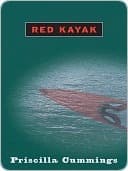
Priscilla Cummings (2004)
Genre
Children's / Mystery / Young Adult
Reading Time
240 min
Key Themes
See below
Sign in to track this book
When a new family's red kayak overturns in the Chesapeake Bay, teenage Brady uncovers a dark truth that forces him to choose between loyalty to his friends and the devastating consequences of their secret.
Brady Parks, a thirteen-year-old, lives in a waterman's town on the Chesapeake Bay. He enjoys crabbing with his best friends, J.T. and Digger. They spend their days on the water, following a family tradition. The peaceful routine changes with the arrival of the wealthy DiAngelo family, who bought the old mansion on the river. Many locals, including Brady's father and Digger's family, dislike these changes to their community. Brady's mother asks him to deliver a welcome basket to the DiAngelos. He meets Mrs. DiAngelo and her young son, Ben, and is struck by their kindness.
One spring morning, Brady is on the bay with his father when they see a red kayak overturned in the choppy water. Brady's father, an experienced waterman, knows this means danger. They rush to the scene and find it belongs to the DiAngelos. Brady's father calls the Coast Guard, and a search begins for Ben DiAngelo, who was last seen in the kayak. Brady feels panic and guilt, remembering seeing Ben in the kayak earlier. The community helps, and the search continues for hours, but Ben is not found nearby.
Brady, bothered by the image of the overturned kayak, returns to the water later that day, feeling he needs to help. He rows his small boat to a remote part of the creek he knows well. There, he finds Ben's small body tangled in the reeds. He carefully brings Ben back to shore, where emergency services wait. The news shocks the community, especially the DiAngelo family. People call Brady a hero for finding Ben, but the experience leaves him deeply upset, with nightmares and a strong sense of loss, even though he had just met Ben.
In the days after Ben's death, Brady tries to understand what happened. He spends time with J.T. and Digger, but their usual friendship feels off. One afternoon, Brady overhears J.T. and Digger talking quietly about the red kayak. He hears parts of their talk, specifically about how the kayak was damaged and how they tried to fix it. This casual conversation makes Brady feel uneasy and suspicious. He remembers seeing small holes in the kayak when he brought it back to shore, which he had first thought was normal wear. Now, the details start to make sense, suggesting something more than just an accident.
Feeling more suspicious, Brady confronts Digger, asking what he and J.T. were talking about. Under pressure, Digger confesses the truth. He admits that he and J.T. had drilled small holes into the red kayak's hull. They only meant to disable it as a prank to make the DiAngelos leave, as they were tired of the new family's presence and the changes they brought. They believed the holes were small enough that the kayak would just sink slowly, not capsize immediately, and certainly not cause a death. Digger's confession shatters Brady's world, showing him the terrible reality that Ben's death was not an accident but a direct result of his friends' actions, even if unintended.
Brady is shocked and horrified. The confession places a huge burden on him. He loves J.T. and Digger like brothers; they have been friends since childhood. The idea of telling on them, especially J.T., whose father is seriously ill, is painful. He struggles with whether to tell the truth or protect his friends. The secret consumes him, causing great emotional stress, sleepless nights, and constant anxiety. He knows staying quiet means living with the guilt of Ben's death, but speaking up means ruining the lives of those closest to him.
Unable to carry the secret alone, Brady decides to confide in his wise grandfather, who lives nearby. He explains the whole situation, from overhearing the conversation to Digger's full confession. His grandfather listens patiently, offering comfort and understanding without judgment. He does not tell Brady what to do but helps him think about the long-term effects of both choices: living with the lie versus facing the truth. He stresses the importance of doing what is right, even when it is hard, and the peace that comes from honesty. This talk gives Brady clarity and direction amid his confusion.
After much difficult thought and considering his grandfather's words, Brady makes the hard decision to go to the police. He realizes that staying silent would betray Ben and his family, and it would also destroy him from the inside. He knows that his friends, J.T. and Digger, must face the results of their actions, however unintended. This decision is not easy; it is one of the hardest choices he has ever made, knowing it will permanently change his life and his friends' lives. He prepares for the fallout and the pain it will cause.
Before going to the police, Brady confronts J.T. and Digger one last time, telling them his decision. The conversation is tense and sad. J.T. and Digger are upset and angry, feeling betrayed by their closest friend. Despite their pleas, Brady stands firm. He then goes to the authorities and tells them everything. Based on his statement and other evidence, J.T. and Digger are arrested. The news shocks the small community, causing different opinions and disbelief. Brady, though relieved to have told the truth, feels alone and heartbroken.
The legal process is hard and emotionally draining for everyone. J.T. and Digger plead guilty to manslaughter. They receive sentences that include time in a juvenile facility and community service. Brady faces being avoided by some in the community and the loss of his friendships. He visits J.T. and Digger in the juvenile facility, a painful but necessary step toward healing. Mrs. DiAngelo eventually talks to Brady, showing him understanding and forgiveness. She recognizes the courage it took for him to tell the truth. This forgiveness, along with his family's support, helps Brady begin to heal and accept the results of his difficult but right choice.
The Protagonist
Brady transforms from an innocent boy into a young man burdened by a difficult moral choice, ultimately choosing truth and justice over loyalty, leading to his emotional growth and a path toward healing.
The Supporting
J.T. goes from a well-meaning but misguided friend to someone who must face the severe legal and emotional consequences of his actions, learning about responsibility and accountability.
The Supporting
Digger's arc involves facing the devastating consequences of his impulsive actions and coming to terms with the role he played in a tragic death, forcing him to confront his anger and prejudices.
The Mentioned
Ben's arc is tragically cut short, serving as a symbol of innocence and the catalyst for the novel's central conflict and themes.
The Supporting
Mrs. DiAngelo moves from profound grief to a place of understanding and forgiveness, showing resilience and compassion.
The Supporting
Brady's dad maintains his strong moral compass and supports his son through a profound moral crisis, demonstrating the strength of family bonds.
The Supporting
Brady's mom provides unwavering emotional support to her son, guiding him through his grief and moral dilemma with compassion.
The Supporting
Grandpa acts as a consistent moral guide, helping Brady navigate his most challenging decision.
The main theme is Brady's difficult moral choice: whether to protect his friends or tell the truth about Ben's death. This shows the severe, unintended results of actions, even those meant as a 'prank.' The book explores how one decision can have far-reaching effects, showing how a small act can lead to devastating outcomes. This forces characters to face their responsibility and the weight of their choices. Brady's internal struggle is a strong look at this theme, showing the burden of a secret and the hard path to doing what is right.
“"He knew in his heart that he had to tell. He had to tell the truth, no matter how much it hurt, no matter what it cost him."”
The story deeply explores the conflict between loyalty to friends and the need for justice. Brady's bond with J.T. and Digger is lifelong, making his decision to expose them very hard. The theme questions the limits of friendship and when moral duties are more important than personal loyalties. It examines the pain of betrayal from both sides — Brady's 'betrayal' of his friends and his friends' 'betrayal' of trust. The book suggests that justice, though painful, is a higher calling than blind loyalty.
“"How could he betray his best friends? But how could he not tell, knowing what he knew?"”
The book shows the deep grief of the DiAngelo family after losing Ben, and Brady's own complex grief and trauma after finding Ben's body and learning the truth. It explores the different ways people cope with loss and the long process of healing. Mrs. DiAngelo's eventual forgiveness of Brady is an important part of this theme. It shows that compassion and understanding can come from deep sorrow, offering a way toward reconciliation and moving forward after tragedy.
“"He wanted to tell her he was sorry, sorry for everything, but the words wouldn't come."”
The novel quietly addresses the tensions in a small, traditional waterman community dealing with change. The arrival of wealthy 'outsiders' like the DiAngelos causes resentment among some locals, like Digger and Brady's father, who feel their way of life is threatened. This social tension contributes to Digger's reason for the prank. The theme explores how economic and cultural changes can create divisions and hostility, and how these larger issues can sometimes lead to individual actions with tragic results. It shows the struggle between keeping tradition and adapting to new realities.
“"It wasn't just about the DiAngelos. It was about all the rich folks buying up the land, changing everything."”
A central symbol representing innocence, tragedy, and the catalyst for conflict.
The red kayak is not just an object but a powerful symbol in the story. Initially, it represents childhood innocence and recreation, as young Ben is seen happily in it. After it overturns, it becomes a symbol of tragedy and loss. Later, when Brady discovers the drilled holes, it transforms into a symbol of the hidden truth and the central piece of evidence in the mystery. Its bright color against the dark water makes it visually striking, emphasizing its significance as the focal point of the entire plot and the physical embodiment of the boys' fatal prank.
Provides intimate access to Brady's internal conflict and emotional journey.
The story is told from Brady's first-person perspective, which is crucial for conveying his intense emotional struggle and moral dilemma. This narrative choice allows readers to intimately experience Brady's thoughts, fears, guilt, and confusion as he grapples with the secret. It builds empathy for Brady and makes his difficult decision more impactful because readers have been privy to his internal torment. Without this close perspective, the weight of his choice and the nuances of his character development would be less effectively portrayed, as the story is fundamentally about his personal journey.
A vivid and integral backdrop that influences character, plot, and themes.
The Chesapeake Bay is more than just a setting; it is a character in itself, deeply influencing the lives and livelihoods of Brady and his community. It represents both beauty and danger, providing sustenance and recreation but also claiming lives. The bay symbolizes the traditional way of life that Digger fears is being lost, and its unpredictable nature mirrors the sudden, tragic turn of events. Its presence grounds the story in a specific cultural context, shaping the characters' identities and providing the literal stage for the central tragedy and its aftermath.
Subtle hints that build suspense and prepare the reader for the truth.
The overheard conversation between J.T. and Digger about the kayak's condition is a key instance of foreshadowing. Before this, Ben's death appears to be a tragic accident. However, Brady's catching fragments of their hushed discussion about 'fixing' the kayak immediately plants a seed of doubt and suspicion in his mind, and by extension, in the reader's. This device effectively builds suspense and prepares the reader for the eventual revelation that Ben's death was not accidental, making the confession more impactful while providing a logical progression to the mystery.
“Sometimes you have to do what's right, even when it's hard.”
— Brady reflects on his moral dilemma after discovering the truth about the kayak incident.
“The river doesn't care who you are. It just keeps flowing.”
— Brady observes the indifferent nature of the environment during his kayaking trips.
“Secrets have a way of eating you up inside.”
— Brady struggles with keeping the truth about the kayak sabotage hidden.
“Friendship isn't about always agreeing. It's about being there when it counts.”
— Brady contemplates his strained relationship with his friends J.T. and Digger.
“The past has a way of catching up with you, no matter how fast you run.”
— Brady realizes that the consequences of the kayak incident are unavoidable.
“In a small town, everyone knows your business, but nobody knows your heart.”
— Brady feels isolated despite the close-knit community around him.
“A single moment can change everything.”
— Reflecting on how the kayak accident altered the lives of everyone involved.
“Truth is like a river—it finds its own way to the surface.”
— Brady acknowledges that the truth about the kayak will eventually come out.
“Sometimes the bravest thing you can do is admit you were wrong.”
— Brady considers confessing his role in the cover-up of the kayak incident.
“The water remembers everything.”
— A metaphorical statement about how the river holds the secrets of the past.
“You can't fix a broken heart with a lie.”
— Brady realizes that deception won't heal the pain caused by the accident.
“We're all just trying to stay afloat in our own way.”
— Brady reflects on the struggles of the characters in the story.
“The hardest choices are the ones that define who we are.”
— Brady faces the decision of whether to reveal the truth or protect his friends.
“Silence can be louder than words.”
— Brady experiences the weight of unspoken truths in his community.
Ready to see how well you understood this book? Take our interactive quiz with 10 questions.

Dan Gemeinhart
4.5

Kate O'Hearn
4.4

Jeanne Birdsall
4.4

Jen Wang
4.4

Wendelin Van Draanen
4.3

John Marsden
4.3

Chris Van Allsburg
4.3

Jennifer A. Nielsen
4.2