“Ramona had a feeling that this year was going to be different, and she was right.”
— Ramona's anticipation for first grade.

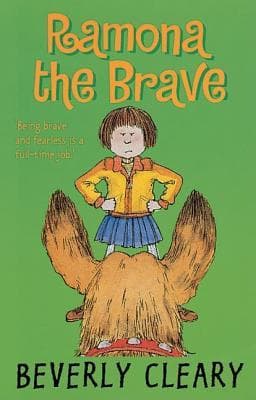
Beverly Cleary (1975)
Genre
Children's / Young Adult
Reading Time
120 min
Key Themes
See below
Sign in to track this book
Ramona Quimby, with her own bedroom, learns that courage means facing the shadowy mysteries just beyond the bed's edge.
Ramona Quimby, now five and about to start kindergarten, is happy when her parents add onto their house, giving her a room all to herself. She used to share a room with her older sister, Beezus. While excited about privacy and decorating her own space, Ramona also feels lonely and scared in her new, unfamiliar room, especially at night. The empty space under her bed causes anxiety, and the sounds of the old house seem louder. Her initial joy is mixed with a growing worry about being alone in the dark.
Ramona starts kindergarten at Cedarhurst School, full of excitement. She wants to learn and make friends. However, her first day is not what she expected. Her teacher, Miss Binney, seems kind, but the class is noisy. Ramona struggles to 'sit quietly' and often gets into minor trouble for her energy and creative interpretations of rules. A boy named Danny bothers her by making fun of her blue elephant drawing. Ramona's independent spirit clashes with the structured environment of kindergarten.
During an art class, when told to draw, Ramona draws a blue elephant. When Miss Binney asks about the color, Ramona explains it's a 'fierce blue elephant' and defends her artistic choice. However, her classmates, especially Danny, mock her. Feeling misunderstood, Ramona continues to show her individuality, which leads to a small disagreement with Miss Binney, who tries to encourage more traditional drawing. This event shows Ramona's struggle to fit in and her wish for self-expression, even if it makes her different from others.
One morning, still dark before dawn, Ramona wakes to a strange noise. Looking out her window, she sees a man in a ski mask trying to break into her house. Terrified, she screams, alerting her parents, who call the police. The man runs away before the police arrive. This scary experience leaves Ramona shaken and strengthens her fears about being alone in her room at night. She struggles to process the event, feeling both brave for screaming and vulnerable for seeing such a disturbing act so close to her.
After the attempted break-in, Ramona's fear of the dark and the imagined monsters under her bed grows stronger. She invents detailed ways to deal with her fear, such as keeping her eyes closed until she's under the covers, or imagining a protective 'force field' around her bed. Her parents try to comfort her, but they do not fully understand her deep terror. Ramona feels alone in her fear, unable to explain the specific worries that trouble her when the lights go out.
On her walk to school, Ramona sees a large, growling dog that scares her. Instead of running, she stands still, staring the dog down until it eventually backs away. This experience makes Ramona feel brave and strong, boosting her confidence for a moment. She tells her family the story, proud of her ability to face a real threat. This event contrasts sharply with her internal fears about the dark, showing her capacity for courage in outside situations.
One day, Ramona finds a stray cat and, feeling sorry for it, decides to bring it to school for 'show and tell.' The cat, however, escapes from its box during class, causing chaos as it runs around the classroom. Miss Binney is annoyed, and Ramona is embarrassed and sent to the principal's office. While the principal understands, Ramona feels misunderstood and that her good intentions often lead to trouble. This event further shows Ramona's impulsive nature and her struggle with school rules.
Ramona's continuous struggle to fit in during kindergarten reaches a breaking point. During a drawing activity, she is frustrated by the expectation to draw something 'nice' and feels her creativity is stopped. She becomes more annoyed by Danny, who is still teasing her. Unable to control her emotions, Ramona grabs a large 'R' from the alphabet cards and, feeling overwhelmed, uses it to hit Danny on the head, shouting 'R is for Ramona!' This dramatic outburst leads to her being sent home from school.
After hitting Danny with the 'R', Ramona is sent home from school. She feels deep shame and failure, believing she is a 'nuisance' and not brave at all. Her mother understands but is firm, explaining the importance of controlling one's temper. Ramona spends the afternoon feeling very unhappy, convinced she is the worst child in the world. This experience forces her to face the results of her actions and the inner conflict between her desire for self-expression and the need to follow rules.
Seeing how much Ramona is affected by her fear of the dark, her mother suggests getting a night light. Ramona first resists, feeling it is a childish solution. However, when the night light is plugged in, the soft glow changes her room, making the shadows less scary and the space feel safer. The simple presence of light lessens much of her anxiety. This small act of understanding and practical help from her parents makes a big difference in Ramona's ability to cope with her fears.
With the night light in place, Ramona starts to feel safer in her own room. She realizes that bravery is not just about facing big, outside threats like a mean dog or a burglar, but also about facing her internal fears, like the monsters under her bed. She begins to understand that it is okay to be scared sometimes, and that asking for help or finding simple solutions can be a form of bravery. She learns that true bravery means recognizing fear and finding ways to live with it, rather than pretending it does not exist.
Ramona returns to school, still her lively self, but with a new understanding of herself and her place in the world. She remains imaginative and energetic, but she also learns to handle the challenges of kindergarten with more self-control. She accepts that she is unique and that being herself is most important. The book ends with Ramona feeling more at ease in her own room and with herself, ready to face the world with her unique courage, knowing that being brave does not mean never being afraid.
The Protagonist
Ramona learns that bravery isn't just about being fearless, but about confronting fears, accepting help, and being true to herself. She grows from a girl overwhelmed by anxieties to one who understands and manages her emotions better.
The Supporting
Beezus's arc is less central, but she subtly grows in patience and understanding towards Ramona, even as she maintains her own identity.
The Supporting
She consistently provides a loving and stable environment, learning to better understand Ramona's complex emotional needs.
The Supporting
He remains a steady, supportive presence, demonstrating paternal love and practical problem-solving.
The Supporting
She consistently tries to manage her classroom and guide Ramona, demonstrating patience and a professional approach to teaching.
The Supporting
Danny remains a consistent antagonist for Ramona in the classroom, reflecting common childhood conflicts.
The book explores what bravery truly means. Ramona first thinks bravery involves facing outside threats like a mean dog or a burglar, and never being afraid. However, her journey shows that true bravery also means facing internal fears, like the monsters under her bed, and admitting when one needs help. Her scream during the attempted break-in, her stand against the dog, and her eventual acceptance of a night light all help her understand that bravery is not the lack of fear, but the ability to act despite it, or to find ways to manage it. This theme is central to Ramona's personal growth.
“Ramona wasn't sure what bravery was, but she was sure she wanted to be brave.”
Ramona's lively nature often conflicts with expectations to conform, especially in kindergarten. Her blue elephant, her cat in the classroom, and her 'R is for Ramona!' outburst all show her struggle to express her unique self in an environment that often demands sameness. She resists being 'ordinary' and wants her ideas and creativity to be valued. The book suggests that while some conformity is needed for social harmony, keeping one's individuality is important for personal happiness. Ramona's journey is about finding a balance between these two forces.
“Why couldn't an elephant be blue? Why did everything have to be the same?”
A big part of Ramona's story is her strong fear of the dark and the unknown in her new bedroom. This fear is made worse by the real trauma of the attempted break-in. The book realistically shows childhood anxieties, from imaginary monsters to real threats. Ramona's attempts to cope, from closing her eyes tightly to creating a 'force field,' show the inventive ways children try to handle their fears. The solution of a simple night light, given by her understanding parents, emphasizes that sometimes, practical support and acknowledging fear are the best ways to overcome it.
“The dark was not just dark; it was full of possibilities, all of them bad.”
Ramona's move to kindergarten and having her own room represent important steps in growing up. These changes bring new freedoms but also new responsibilities and worries. Ramona learns to understand social rules, manage her emotions, and navigate the complexities of school. Her experiences, both good and bad, are part of learning about the world and her place in it. The book shows growing up as a messy, sometimes frustrating, but ultimately rewarding journey of self-discovery.
“Growing up was hard work, sometimes.”
The new bedroom represents Ramona's journey into independence and confronting fears.
Ramona's own bedroom is more than just a physical space; it symbolizes her transition from sharing a room with Beezus to gaining independence. It initially represents freedom and excitement, but quickly becomes a crucible for her fears of the dark, loneliness, and the unknown after the attempted break-in. The space under her bed, initially just empty, becomes a repository for her anxieties. The eventual introduction of the night light transforms this symbolic space into one of security and peace, reflecting Ramona's internal growth in managing her fears.
A symbol of Ramona's individuality and artistic freedom.
Ramona's drawing of a blue elephant is a powerful symbol of her unique perspective and her refusal to conform to conventional expectations. When questioned by Miss Binney and mocked by Danny, Ramona fiercely defends her choice, asserting her right to imagine and create as she pleases. This incident highlights her struggle against the pressure to be 'normal' and emphasizes her strong desire for self-expression. The blue elephant becomes a recurring motif for her individuality and her brave spirit in the face of judgment.
A turning point that grounds Ramona's abstract fears in a tangible reality.
The attempted break-in serves as a pivotal plot device, transforming Ramona's vague, imaginary fears of the dark and monsters into a very real and traumatic experience. This event intensifies her anxieties about being alone in her room, making her fear legitimate and understandable. It also provides a concrete instance where Ramona acts bravely (by screaming), which later helps her understand the true nature of courage. This incident adds a layer of seriousness to her struggles, making her eventual triumph over fear more impactful.
The narrative primarily follows Ramona's thoughts and feelings, deepening character empathy.
While not strictly first-person, the narrative is tightly focused on Ramona's perspective, allowing readers deep insight into her thoughts, feelings, and frustrations. We experience events largely through her eyes, from the excitement of her new room to the terror of the dark and the exasperation of kindergarten. This limited perspective fosters strong empathy for Ramona, making her struggles with bravery, conformity, and fear highly relatable. It allows the reader to understand her motivations and the emotional weight of her experiences.
“Ramona had a feeling that this year was going to be different, and she was right.”
— Ramona's anticipation for first grade.
“It was impossible to be brave and angry at the same time.”
— Ramona trying to control her emotions in a difficult situation.
“She longed to be in the in-between place, not a little kid and not a big kid.”
— Ramona's struggle with her age and identity.
“Ramona felt a surge of power. She was a person, a real person, and she could decide things for herself.”
— Ramona making an independent decision.
“The worst thing about being a grown-up was that you had to be sensible all the time.”
— Ramona's childish perspective on adulthood.
“She was not a pest. She was Ramona.”
— Ramona asserting her individuality against her family's perception.
“What was the good of being brave if nobody knew you were brave?”
— Ramona reflecting on the recognition of her bravery.
“She was not a nuisance, she was a person with feelings, and she was not going to be ignored.”
— Ramona demanding to be taken seriously.
“Sometimes it was hard to be brave when you were all alone.”
— Ramona feeling isolated and facing a challenge.
“Ramona hated being the youngest. She hated being the one who always had to be careful.”
— Ramona's frustration with her position in the family.
“She was not a little girl anymore. She was a first grader, and first graders did not cry over spilled milk.”
— Ramona trying to act more mature.
“It was hard work being brave, much harder than being a pest.”
— Ramona realizing the effort required to be brave.
“Ramona felt as if she had been running for a long time, and now she could stop and breathe.”
— Ramona finding a moment of relief after a stressful situation.
“She wanted to be a person who was not afraid to be herself.”
— Ramona's ultimate desire for self-acceptance.
Ready to see how well you understood this book? Take our interactive quiz with 10 questions.
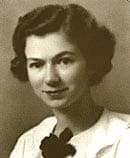
Beverly Cleary was a beloved American children's author, celebrated for her realistic and humorous portrayal of childhood. Her iconic characters, including Ramona Quimby and Henry Huggins, resonated with generations of readers. Cleary's extensive body of work, featuring titles like 'The Mouse and the Motorcycle' and 'Ramona the Brave,' earned her numerous accolades, including the Newbery Medal and the National Medal of Arts.

Dan Gemeinhart
4.5

Kate O'Hearn
4.4

Jeanne Birdsall
4.4

Jen Wang
4.4

Wendelin Van Draanen
4.3

John Marsden
4.3

Chris Van Allsburg
4.3

Jennifer A. Nielsen
4.2