“Oh, the pity of it, when a man has to go out into the world and find his own mother!”
— Ramona reflects on Alessandro's search for his mother after the massacre.

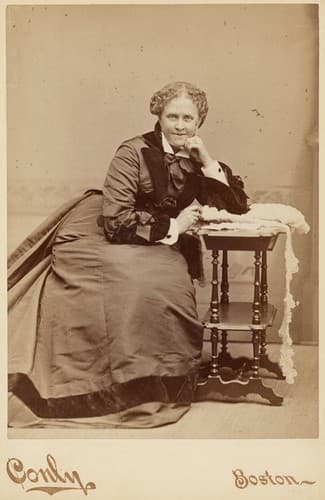
Helen Hunt Jackson (1884)
Genre
Historical Fiction / Romance
Reading Time
12-15 hours
Key Themes
See below
Sign in to track this book
In Old California, an orphaned Ramona's forbidden love for a Native American man, Alessandro, leads them on a desperate flight for survival against prejudice and displacement.
The story begins at the large and rich Moreno hacienda in Southern California, a place holding onto old Spanish ways. Doña Gonzaga Moreno, a stern and religious woman, rules her home strictly. Ramona, an orphan thought to be Scottish and Indian, lives there as Doña Moreno's ward. Beautiful and gentle, Ramona feels out of place and unworthy, always aware she is not true family. She finds comfort in music and in Father Salvierderra's kindness. Felipe Moreno, Doña Moreno's son, is kind to Ramona, but their relationship is like siblings, controlled by Doña Moreno's strict rules about Ramona's interactions and education, which focuses on domestic skills and religion.
One day, Alessandro Assis, a tall and dignified young Luiseño Indian, arrives from Temecula. He is a shepherd and musician, good at shearing sheep and playing the violin. He comes to shear Doña Moreno's sheep, a task he does well. Ramona is immediately drawn to his noble manner, his sadness, and his musical talent. They spend time together, often with others present, but their connection grows through shared looks and music. Alessandro tells stories of his people and their injustices, showing Ramona a world beyond the hacienda walls. Doña Moreno, at first tolerating Alessandro for his work, becomes wary of his growing bond with Ramona.
Ramona and Alessandro's affection grows into deep love, despite Doña Moreno's disapproval. Doña Moreno sees Alessandro as beneath Ramona's status and race, forbidding their union. She tells Ramona she is not her natural child, but the daughter of a Scottish man and a Native American woman, adopted by Doña Moreno's sister. Doña Moreno tries to arrange a marriage for Ramona with a rich Spanish suitor, but Ramona refuses. She is determined to be with Alessandro, who promises her a life among his people, free from the hacienda's rules. Tension at the hacienda rises as Doña Moreno becomes more hostile toward Alessandro, making his stay unbearable.
Defying Doña Moreno, Ramona and Alessandro elope. They travel to Alessandro's village in Temecula, where Ramona embraces the simple life of the Luiseño people. She learns their customs, works with the women, and finds a sense of belonging she never had at the hacienda. Their love is strong, and Alessandro's community welcomes them. However, their peace is short-lived. American settlers, wanting land, begin to move onto Indian lands, including Temecula. The Indians are legally removed from their ancestral homes, forced to leave their farms and villages. This displacement starts a series of tragic moves for Ramona and Alessandro.
Ramona and Alessandro, with other displaced Indians, are forced to move from Temecula. They try to make a new home in San Pasquale, but again, American settlers claim the land, driving them out. Each forced move affects Alessandro. He becomes more despondent and withdrawn, his spirit broken by constant injustice and loss. He struggles to protect his family and find a safe place. Ramona, despite the hardships, remains steady and supportive, her love for Alessandro strong. She gives birth to their daughter, Eyes of the Sky, which brings brief joy, but the constant threat of displacement and worsening conditions continue to trouble them.
The harsh conditions of their wandering life, with poor shelter and food, lead to the tragic death of Ramona and Alessandro's infant daughter, Eyes of the Sky. This loss is a crushing blow to both, but it pushes Alessandro deeper into despair. He begins to show signs of mental instability, becoming more forgetful, agitated, and prone to visions. His once strong spirit is broken by the trauma of his people's suffering and his inability to provide a secure life for his family. Ramona struggles to care for him, watching his slow decline into madness.
Alessandro's mental illness worsens, with clear moments mixed with paranoia and confusion. He often wanders off, sometimes taking other people's horses, believing them to be his. During one such time, he rides off with a horse belonging to a white rancher, Jim Farrar. Farrar, without warning, shoots Alessandro dead, claiming self-defense and accusing Alessandro of horse theft. Ramona is left heartbroken and alone, a widow with no home or protector. The injustice of Alessandro's death, a result of his illness and the racial prejudice of the time, is profound and leaves Ramona grieving and vulnerable.
After Alessandro's death, Ramona lives in extreme poverty and isolation, caring for her remaining child, a son named Alessandro Jr., conceived before his father's death. She finds refuge in a remote, almost unreachable canyon, hidden from the white world. Meanwhile, back at the Moreno hacienda, Doña Moreno has died, and Felipe Moreno inherits the estate. Troubled by Ramona's disappearance years earlier and now free from his mother's influence, Felipe begins a long and difficult search for Ramona, driven by deep affection and concern. He travels widely through Southern California, following faint rumors and clues.
Felipe finally finds Ramona in her secluded canyon home. He is shocked by her poverty but relieved to find her alive. During their reunion, Felipe reveals the truth about Ramona's parents, a secret Doña Moreno had kept. Ramona learns she is not Doña Moreno's ward by chance, but the daughter of Doña Moreno's beloved sister, whom Doña Moreno resented for marrying a Scottish man and then having a child with a Native American chief after her husband's death. This explains Doña Moreno's lifelong cruelty toward Ramona, stemming from jealousy and racial prejudice. The truth, though painful, brings Ramona clarity about her past.
Felipe convinces Ramona to return with him to the Moreno hacienda, bringing her son, Alessandro Jr. The hacienda is now under Felipe's gentle care, and the atmosphere is very different from what Ramona knew. Ramona, though still scarred by her past, begins to heal in the comfort and security of her childhood home and Felipe's steady affection. The truth of her heritage, while complex, allows her to accept her identity. She finds a renewed sense of peace and belonging, accepting Felipe's genuine love and the chance of a stable future for her son.
As time passes, Ramona and Felipe's bond deepens. Felipe's constant love, patience, and understanding help Ramona overcome her grief and trauma. Ramona realizes that Felipe offers a different kind of love than she shared with Alessandro — one of deep affection, security, and steady devotion. She accepts his marriage proposal. They marry, and Ramona, now with her son, finds happiness and stability as the mistress of the Moreno hacienda. She is finally free from the burdens of her past and the injustices she endured, embracing a future where she is cherished and secure, a story of enduring love and strength.
The Protagonist
Ramona transforms from a sheltered, submissive ward into a strong, independent woman who endures profound suffering but ultimately finds peace and a sense of belonging.
The Love Interest / Tragic Hero
Alessandro descends from a proud, capable leader into madness and a tragic death, embodying the devastating impact of colonization on Native American communities.
The Antagonist
Doña Moreno remains largely static in her prejudice and rigidity, dying without truly reconciling with Ramona or her own past.
The Supporting / Second Love Interest
Felipe evolves from a somewhat passive son under his mother's thumb to an active, determined protector who ultimately provides Ramona with a loving home and family.
The Supporting
Father Salvierderra remains a consistent source of moral guidance and compassion throughout the narrative, witnessing the unfolding tragedy without significant personal change.
The Supporting
Juan Canito remains a static character, serving as a sympathetic observer and minor helper to Ramona.
The Mentioned / Minor Antagonist
Jim Farrar appears briefly as the instrument of Alessandro's tragic end, serving as a symbol of the destructive forces at play.
The novel shows the systemic oppression and injustice Native Americans faced in California during American expansion. The removal of the Luiseño people from Temecula and San Pasquale, the destruction of their homes, and Alessandro's death by Jim Farrar are central to this theme. The story highlights the loss of land, culture, and life, and the deep psychological harm to people like Alessandro. Doña Moreno's prejudice against Ramona's Native American heritage further shows widespread racism.
“For the Indian there was no law; for the white man there was no hindrance.”
The story is set against the decline of the old Spanish hacienda system and the rise of American power in California. The Moreno hacienda, with its large lands and traditional ways, represents a dying era. Doña Moreno's strict adherence to Spanish customs and her fight to keep control reflect a wider societal shift. White settlers moving onto both Spanish and Native American lands symbolizes the irreversible change American expansion brought, marking the end of a distinct cultural and social order.
“The old order was changing, giving place to new.”
Ramona and Alessandro's love story shows this theme. Their love pushes them to defy social norms, give up comfort, and endure great hardship. Ramona leaves her privileged hacienda life to be with Alessandro, embracing a life of poverty and persecution. Alessandro, in turn, gives up his peace of mind and ultimately his life trying to protect his family. Even Felipe's steady love for Ramona, leading him to search for her and offer a new life, highlights love's lasting and sacrificial nature.
“Love, pure and strong, knows neither race nor rank.”
Ramona's journey explores identity and the search for belonging. As an orphan of mixed heritage, she initially feels like an outsider at the Moreno hacienda, always reminded of her 'otherness.' Her love for Alessandro and life among the Luiseño people help her connect with her Native American heritage and find a community she lacked. Even after Alessandro's death, her return to the hacienda and the truth of her parents help her reconcile her dual heritage and find a place where she is truly loved and belongs.
“She was not a Moreno. She was not a Señorita. She was only Ramona, an Indian, a waif.”
The constant pursuit of land and wealth by white American settlers drives the conflict and tragedy in the novel. Their greed leads to the illegal removal of Native American communities, the destruction of their lives, and the deaths of many, like Alessandro. The story shows how uncontrolled greed can destroy whole cultures and cause immense suffering, highlighting the moral problems behind the 'progress' of expansion.
“Always, it was the same story: the white man wanted the land.”
A hidden truth about Ramona's birth that explains Doña Moreno's cruelty.
This secret serves as a major source of dramatic tension and character motivation. Doña Moreno's deep-seated resentment and prejudice against Ramona are rooted in the fact that Ramona is the daughter of her beloved sister and a Native American chief, a lineage Doña Moreno found abhorrent. The revelation of this secret by Felipe near the end of the novel provides Ramona with a crucial understanding of her past and Doña Moreno's lifelong mistreatment, allowing her to reconcile with her identity and find closure.
Music as a medium for connection, expression, and cultural identity.
Music, particularly the violin, plays a significant symbolic role. It is through their shared love of music that Ramona and Alessandro first connect and deepen their bond, transcending social barriers. Alessandro's skill with the violin represents his noble spirit and cultural heritage. Ramona's singing and playing provide solace and express her inner emotions. Music serves as a universal language, a source of comfort amidst suffering, and a poignant reminder of lost joy as Alessandro's mental decline makes him unable to play.
The Moreno hacienda as a representation of broader societal changes and conflicts.
The Moreno hacienda functions as a microcosm of the larger social and political landscape of California. It embodies the fading glory of the old Spanish order, with its rigid class structure, traditions, and prejudices (Doña Moreno). Ramona's mixed heritage and her treatment within the hacienda reflect the racial tensions of the era. The eventual shift in its management under Felipe, and Ramona's return to it, symbolize a potential for a more compassionate and inclusive future, even as the outside world continues its destructive path.
A plot device illustrating the psychological toll of oppression.
Alessandro's gradual descent into mental illness is not merely a personal tragedy but a powerful plot device illustrating the devastating psychological impact of repeated displacement, injustice, and the destruction of his people's way of life. His madness serves to highlight the extreme suffering of Native Americans, making the abstract concept of oppression painfully concrete and personal. It ultimately leads to his unjust death, underscoring the lethal consequences of prejudice and the lack of protection for indigenous populations.
“Oh, the pity of it, when a man has to go out into the world and find his own mother!”
— Ramona reflects on Alessandro's search for his mother after the massacre.
“The world is full of people who are always waiting for something to happen to them instead of making it happen.”
— Father Salvierderra offers advice to Ramona.
“There is no more certain test of the refinement of a man than his attitude toward women.”
— The narrator comments on Felipe's character.
“Happiness is not a station you arrive at, but a manner of traveling.”
— Ramona contemplates the nature of contentment.
“To be loved is to be changed.”
— Ramona experiences the transformative power of love for Alessandro.
“No one can judge of the heart but God alone.”
— A reflection on the internal struggles and true motives of characters.
“The earth is a generous mother; she will not deny her children food.”
— Alessandro speaks of the land's bounty, despite their hardships.
“It is not what we endure, but how we endure, that makes us strong.”
— Ramona finds resilience in the face of adversity.
“Where there is no justice, there can be no peace.”
— A commentary on the treatment of the Native American people.
“The greatest wrong to the Indian was not in taking his land, but in taking his soul.”
— A critical observation on the impact of colonization.
“The sun does not shine for a few trees and flowers, but for the wide world's joy.”
— Alessandro expresses a broad, inclusive view of life and happiness.
“He who has no home in his heart, can have no home anywhere.”
— Ramona feels the pangs of displacement and homelessness.
“It is a cruel kindness to hold one in ignorance when knowledge might save.”
— Ramona reflects on the withholding of truth from her.
“The heart has its own reasons, which reason knows nothing of.”
— Ramona's deep emotional connection to Alessandro defies logical explanation.
Ready to see how well you understood this book? Take our interactive quiz with 10 questions.
Biography coming soon.







