“We were all ragged, but we were a company. That's what made us whole.”
— Reflecting on the bond among the homeless characters.

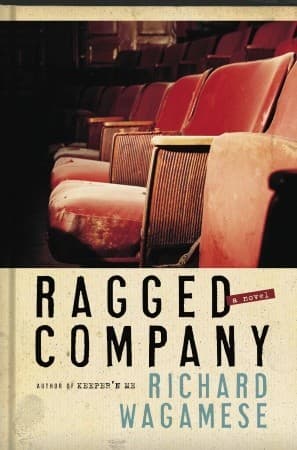
Richard Wagamese (2008)
Genre
Literary Fiction
Reading Time
450 min
Key Themes
See below
Sign in to track this book
Four homeless friends, united by the magic of cinema and a winning lottery ticket, embark on a poignant journey to reclaim their pasts and redefine 'home' with the help of an unlikely journalist.
A brutal Arctic Front hits a nameless city, forcing four homeless individuals – Amelia One Sky, Timber, Double Dick, and Digger – to find shelter. They find sanctuary in a warm, mostly empty movie theater. Their initial intent is simply to escape the cold. However, watching films, particularly a triple feature, captivates them. The stories on screen offer an escape and a sense of belonging they rarely experience. This initial visit, meant as a one-time emergency, creates a deep connection to the cinema, making it a regular ritual even after the weather improves.
As their visits to the movie theater become routine, the four friends meet Granite, a jaded and solitary journalist. Granite, tired of reporting on the same cycles of human suffering and societal issues, has left his career for the escapism of film. He is initially distant, but the consistent presence of Amelia, Timber, Double Dick, and Digger interests him. Through shared silences and eventually tentative conversations, a friendship begins to form. Granite, despite his cynicism, is drawn to the genuine, unconventional camaraderie of the group, seeing a shared desire for escape and meaning.
One day, while Digger is scavenging for discarded items, he finds a crumpled cigarette package. Inside, with some unsmoked cigarettes and three twenty-dollar bills, is a lottery ticket. The group, used to finding small treasures, initially dismisses it. However, a casual check of the numbers shows they have won $13.5 million. The news excites the group, offering a glimpse of a future far removed from their current existence. This discovery becomes the turning point in their lives, shifting their focus from daily survival to the possibilities of immense wealth.
The excitement of winning is quickly met by a harsh reality: none of the four friends have the necessary identification – birth certificates, social insurance numbers, or permanent addresses – required to claim the lottery prize. Their lives on the streets have stripped them of such documents, making them invisible to the system. This bureaucratic hurdle shows how excluded they are. Faced with proving their identities, they realize they cannot navigate this complex process alone, showing their vulnerability and need for external help.
Seeing their problem, the group decides to tell Granite, the only person they trust who understands the 'system.' They reveal their secret – the winning lottery ticket and their inability to claim it. Granite, initially skeptical, is convinced by their earnestness and the authenticity of the ticket. He agrees to help them, not just from obligation, but from a growing affection for the unique individuals he has come to know. This decision makes Granite their bridge to the world they've been excluded from.
Granite begins the task of helping each friend get the documents needed to claim their winnings. This involves navigating various government offices, libraries, and archives, piecing together fragmented histories. For Amelia One Sky, it means tracing her Indigenous heritage; for Timber, it involves uncovering records from his time in the logging camps; Double Dick's past is linked to his transient labor; and Digger's identity is slowly rebuilt through his military service records. Each step in this bureaucratic journey forces the characters to confront aspects of their forgotten or suppressed pasts, bringing both pain and a renewed sense of self.
While waiting for the lottery commission to process their claim and the legalities to be sorted, the friends, with Granite's help, get a small apartment. This shared space becomes their first true 'home' in years, a symbol of their newfound hope and stability. They continue their movie-going ritual, now from a place of comfort and anticipation, cementing their 'ragged company' as a chosen family. During this period, they have deep conversations, sharing more of their life stories, fears, and dreams, strengthening their collective identity and preparing for the changes ahead.
After weeks of work by Granite and the bureaucratic process, the lottery winnings are officially transferred to the group. Each of the four friends, now with proper identification, receives their share of the $13.5 million. The initial shock and joy are immense, but quickly give way to a sense of responsibility and uncertainty. The sudden influx of wealth, while solving their immediate problems of survival, introduces new anxieties about how to manage it, how it will change them, and how they will navigate a world they've long been excluded from. Granite continues to offer guidance, helping them establish bank accounts and consider their financial futures.
With their financial security, each member of the 'ragged company' begins to pursue long-held dreams and confront lingering issues. Amelia One Sky seeks to reconnect with her Indigenous community and heritage, considering ways to give back. Timber, with his love for the outdoors, contemplates buying land and returning to a simpler life. Double Dick, the practical one, looks into establishing a small business or finding a trade. Digger, haunted by his past, considers therapy and finding peace. Their journeys are not just about spending money, but about reclaiming lost parts of themselves and finding purpose beyond survival.
Granite, through his involvement with Amelia, Timber, Double Dick, and Digger, experiences his own transformation. Witnessing their resilience, their capacity for hope, and their journey of rediscovery reignites his journalistic spirit. He finds new meaning in storytelling, not just as an observer, but as an active participant in their narrative. The 'ragged company,' though financially transformed, maintains its core bond. They realize that while money changes circumstances, it doesn't erase their shared history or the deep connections forged in adversity. They look forward to a future where they can each pursue individual paths, yet always remain a family, bound by their story and the sanctuary of cinema.
The Protagonist
Amelia moves from a state of quiet resignation to actively seeking reconnection with her Indigenous heritage and finding a sense of purpose beyond mere survival.
The Protagonist
Timber transitions from a resigned existence on the streets to embracing the possibility of returning to a life connected to nature and finding peace.
The Protagonist
Double Dick moves from a life of constant hustling and survival to envisioning a stable, legitimate future, while retaining his sharp wit.
The Protagonist
Digger progresses from being consumed by his past traumas to finding a path towards healing and embracing a future free from constant fear.
The Supporting
Granite transforms from a detached, cynical observer to an engaged participant, finding renewed purpose in helping his friends and rediscovering his passion for meaningful storytelling.
The Mentioned
They remain largely static, serving as an external force that challenges the protagonists.
The Mentioned
These characters serve as part of the setting and do not have a personal arc.
The novel explores identity, especially when someone lacks conventional markers like home, employment, or official documents. The characters' lack of identification prevents them from claiming their lottery winnings, forcing them to reconstruct their pasts and reclaim their names. Their 'ragged company' provides a strong sense of belonging, a chosen family that defines them more than their societal status. The movie theater itself is a space where they belong, where their individual identities merge into a collective experience.
“What defined you when you had nothing? What defined you when you had everything?”
Wagamese questions the traditional definition of 'home.' For the four friends, home is not a fixed address but a fluid concept: the warmth of the movie theater, the camaraderie of their group, and eventually, the shared apartment they secure. The narrative suggests that home is less about physical shelter and more about safety, acceptance, and connection. Even with their wealth, they initially struggle to find a 'home' that feels truly their own, emphasizing that true belonging comes from within and with each other.
“Home wasn’t a place. It was a feeling. A shared breath.”
Each character, including Granite, gets a chance at redemption. For the homeless quartet, the lottery win is a second chance at life, letting them confront past traumas, pursue forgotten dreams, and escape poverty. Granite finds redemption from his cynicism and professional disappointment by engaging with their stories and helping them. The book shows the human capacity for change and the possibility of finding meaning and purpose even after hardship.
“They had been given a second chance, not just at money, but at life itself.”
The movie theater is a central part of the story, symbolizing the power of storytelling and art. The films provide escape, comfort, and a shared imaginative space for the friends. They find echoes of their own lives and dreams in the narratives on screen. Granite, a journalist, initially abandons storytelling but is re-inspired by the authentic stories of the 'ragged company.' Piecing together their individual histories to claim the lottery also becomes a form of storytelling, affirming their existence.
“In the dark, the stories on the screen became their own, a collective dream.”
The novel shows the social invisibility of the homeless. Their lack of identification makes them non-existent in the eyes of the system, showing how society often dehumanizes those on its margins. Despite their circumstances, the characters keep their humanity, dignity, and capacity for friendship and hope. The story forces readers to confront the worth of individuals regardless of their social status and challenges ideas about homelessness.
“They were ghosts, until a piece of paper told them they were real.”
A physical space that serves as both refuge and a catalyst for connection and transformation.
The movie theatre is more than just a setting; it acts as a symbolic sanctuary. It's a warm, dark, and anonymous space where the 'ragged company' can escape the harsh realities of the street and the judgment of society. Within its walls, they find not only physical comfort but also emotional solace and a shared experience through the films. This shared ritual of movie-going is what initially binds them and later becomes a touchstone for their evolving friendship and their dreams.
A classic MacGuffin that drives the plot and forces the characters to confront their pasts.
The lottery ticket functions as a powerful MacGuffin. While the $13.5 million prize is the immediate goal, its true purpose is to propel the narrative and force the characters to undertake the arduous journey of reclaiming their identities. The money itself is less important than the process it instigates – the bureaucratic hurdles, the search for documents, and the confrontation with their individual histories. It is the catalyst for their transformation, not the ultimate end.
Interspersed narratives that reveal the characters' complex pasts and reasons for their homelessness.
Wagamese employs flashbacks and detailed character backstories to gradually reveal the lives that led Amelia, Timber, Double Dick, and Digger to the streets. These narratives are not presented chronologically but emerge organically through their conversations, memories, and the process of acquiring their identification. This device humanizes them, dispelling stereotypes about homelessness and emphasizing the diverse and often tragic paths that led them to their current circumstances, adding depth and empathy to their journeys.
A character who connects the 'ragged company' to the mainstream world and facilitates their journey.
Granite serves as a crucial bridge character, connecting the marginalized world of the homeless quartet to the structured, bureaucratic world they need to navigate. As a former journalist, he possesses the skills, knowledge, and social standing required to help them acquire identification and claim their winnings. His presence is vital for the plot's progression, but he also undergoes his own transformation through his interactions with them, embodying the theme of connection between different societal strata.
“We were all ragged, but we were a company. That's what made us whole.”
— Reflecting on the bond among the homeless characters.
“The streets don't care who you are. They just take.”
— Describing the harsh reality of life on the streets.
“Sometimes the only thing that keeps you going is the story you tell yourself.”
— A character's thoughts on coping with adversity.
“We found each other in the broken places, and that's where we learned to mend.”
— Highlighting how the characters heal through their connections.
“Money can buy you a roof, but it can't buy you a home.”
— Commenting on the difference between material wealth and true belonging.
“In the silence between us, we heard each other's hearts.”
— Describing the deep, unspoken understanding among the group.
“The cold doesn't just chill your bones; it chills your soul.”
— Evoking the physical and emotional toll of homelessness in winter.
“We were invisible to the world, but we saw each other clearly.”
— Noting how society overlooks the homeless, yet they find visibility among themselves.
“Every scar tells a story, and every story is a map of where we've been.”
— Metaphor for the characters' past struggles and experiences.
“Hope is a fragile thing, but it's the strongest thing we have.”
— Reflecting on the paradox of hope in desperate circumstances.
“We shared more than food; we shared our dreams, and that fed us more.”
— Emphasizing the spiritual nourishment found in their community.
“The city sleeps, but the streets never do.”
— Describing the constant activity and danger of urban homelessness.
“In our raggedness, we found a kind of beauty that the polished world had forgotten.”
— Finding value and dignity in their imperfect lives.
Ready to see how well you understood this book? Take our interactive quiz with 10 questions.

Biography coming soon.







