
Biography coming soon.
Track Your Reading
Sign in to track this book
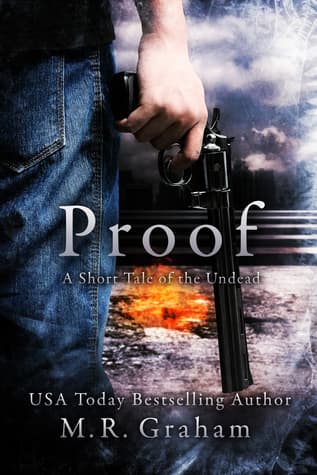
A reluctant roommate is drawn into a brutal, garlic-scented war against the undead when his charismatic but unhinged companion begins a bloody campaign of 'proof'.
Synopsis
The narrator's life takes a terrifying turn when a seemingly delusional man named Connor convinces them of a hidden war against the undead. What begins as Connor's eccentric behavior—covering the narrator's apartment with protective charms—escalates into a brutal, undeniable reality when Connor commits a murder in their living room, revealing the true nature of their enemy. This story, presented as the narrator's final confession, chronicles their years-long, perilous journey with Connor and his ragged band of hunters, battling the lurking undead and grappling with the profound losses and critical lessons learned about the necessity of 'Proof' in a world where monsters are real.
Difficulty
Easy
Pacing
Fast
Mood
Suspenseful, dark, desperate, confessional
Plot Summary
The First Encounter
The narrator, a skeptic, meets Connor in the library. Connor, wild-eyed and intense, talks about unseen entities, 'Them,' and warns of danger. The narrator thinks Connor is delusional, but Connor's conviction is unsettling. This meeting draws the narrator into Connor's world, forcing them to face a new reality. The narrator sees Connor's behavior as erratic, but doubt begins to grow.
The Apartment Transformed
After the library, Connor breaks into the narrator's apartment. To the narrator's horror, Connor fortifies the space with crosses and garlic. The narrator sees this as a violation and a sign of Connor's worsening mental state. Connor insists these measures protect them from 'Them.' The apartment becomes a strange sanctuary, confirming the narrator's belief that Connor is disturbed, but also creating unease.
The Unveiling
The narrator's disbelief ends when one of 'Them' attacks the apartment. The attack is sudden and brutal, confirming Connor's warnings. The narrator sees the creature's monstrous form and evil intent, no longer able to deny the supernatural. This event forces the narrator to accept a horrifying reality, changing their view from doubt to reluctant acceptance. The creature's presence proves Connor's actions were not irrational, leaving the narrator no choice but to believe the threat.
The First Kill
Connor violently kills one of 'Them' in the narrator's living room. The act is messy and leaves a lasting impression. This is the turning point, forcing the narrator to fully accept the supernatural threat and Connor's role in fighting it. The narrator's initial fear and disgust slowly become understanding and a reluctant partnership. The bloody scene is undeniable 'proof,' solidifying the narrator's involvement in Connor's fight.
Joining the Hunt
After the proof in their apartment, the narrator has to join Connor's group of hunters. This is difficult, marked by fear, revulsion, and a feeling of being thrown into an unknown world. The narrator learns about the methods, risks, and desperation of their fight against 'Them.' This begins their years-long journey, changing them from an observer to an active participant in a war against unseen evils. The narrator's life changes completely, moving from normal to constant vigilance and combat.
The Years of Battle
The story jumps forward years, detailing the group's dangerous life of hunting. They travel, track, and confront 'Them' in different forms and places. The narrator describes the constant fear, exhaustion, and emotional toll. This period shows grim determination but also significant losses. Group members die, highlighting the high stakes and brutal reality of their war. These years harden the narrator but also leave deep scars and growing weariness.
The Importance of Proof
Amidst the fight, the narrator often thinks about 'Proof.' They know their fight is largely unseen and disbelieved, making tangible evidence important for convincing others and for their own sanity. The narrator realizes that without proof, their experiences would be dismissed as madness, and their sacrifices meaningless. This theme emphasizes the isolation of their battle and the psychological weight of fighting an enemy most refuse to acknowledge. Proof becomes an anchor in their terrifying reality.
The Mistakes Made
The narrator recounts mistakes made during their years of hunting. These errors range from tactical misjudgments to personal failings, hubris, or carelessness. Each mistake costs dearly, often leading to injury or death for a fellow hunter. The narrator expresses deep regret for these failures, acknowledging the brutal learning curve of their war. These reflections highlight the imperfect nature of their fight and the constant pressure, where every decision could mean life or death.
Loss and Grief
A large part of the confession remembers those lost during years of hunting. The narrator vividly recalls fallen comrades, detailing their personalities, sacrifices, and the impact of their deaths. This section is full of grief and profound loss, emphasizing the human cost of their supernatural war. The narrator reflects on the emptiness left by each death and the cumulative weight of so much loss. These losses fuel their resolve but also leave them emotionally scarred and isolated in their grim crusade.
Connor's Charisma and Desperation
The narrator examines Connor's character, acknowledging his charisma and the pull that kept their desperate group together. Connor is a visionary leader, but also a man pushed to his limits by the horrors they faced. His conviction, initially seen as madness, became the group's anchor. However, the narrator also hints at the toll leadership took on Connor, suggesting moments of desperation, questionable decisions, and the immense burden he carried. His leadership is complex, a mix of inspiration and raw will to survive.
The Enduring Threat
Despite years of hunting, the narrator conveys the grim reality that 'Them' remain a pervasive threat. The creatures are always lurking, adapting, and waiting to strike. The narrator acknowledges that their efforts, while heroic, have only been temporary reprieves, never a definitive victory. This realization highlights the futility and endlessness of their war, painting a bleak picture of a world constantly on the brink. The threat is not diminishing; it seems to grow stronger.
The Last Confession
This entire narrative is the narrator's last confession, a final account of their experiences. It is both a memorial to the fallen and a warning to anyone who finds it. The narrator writes with a sense of finality, suggesting their own end is near or that the fight has reached an unwinnable stage. The confession is an attempt to leave a record, a piece of 'proof,' for a world that refuses to see. It is a poignant conclusion, encapsulating weariness, loss, and the enduring belief in the unseen struggle.
Principal Figures
The Narrator
The Protagonist
Transforms from an unwilling skeptic into a battle-hardened survivor, ultimately becoming a chronicler of their tragic war.
Connor
The Supporting
Remains a steadfast, albeit increasingly burdened, leader, always driven by the necessity of fighting 'Them' and protecting humanity.
Them
The Antagonist
Their presence and threat remain constant, slowly encroaching upon humanity, never truly diminishing.
The Hunters
The Supporting
As a collective, they represent the constant struggle and sacrifice, with individual members falling throughout the narrative.
Themes & Insights
The Nature of Belief and Skepticism
The story explores the tension between doubt and belief when facing the inexplicable. The narrator's initial disbelief in Connor's claims shows how people tend to rationalize and dismiss what doesn't fit their understanding. As undeniable proof appears, doubt shatters, forcing a profound shift in worldview. The theme looks at the psychological impact of having one's reality altered and the struggle to accept terrifying truths that defy logic. It questions what it takes for someone to truly believe in something beyond comprehension.
“The day Connor cornered me in the library, I thought he was cracked. The day he covered my walls with crosses and filled my apartment with garlic, I thought he was psychotic. The day he killed someone on the floor in my living room, I had no choice but to believe.”
The Burden of Proof
The idea of 'Proof' is central, not just for convincing the narrator, but as an ongoing struggle for the hunters. They fight an enemy the world refuses to acknowledge, making their sacrifices largely unseen. The narrator's constant thoughts on proof highlight the isolation of their battle and the psychological toll of fighting a war dismissed as madness by outsiders. It emphasizes the need for tangible evidence to validate their experiences and give meaning to lives lost, serving as a desperate legacy for an oblivious world.
“This is my realization of the importance of Proof.”
Loss and Sacrifice in Unseen Warfare
The story is steeped in loss and the heavy cost of fighting an unseen, existential threat. The narrator explicitly remembers those lost, emphasizing the constant danger and brutal reality of their war. This theme explores the emotional and psychological toll on those who dedicate their lives to protecting a world unaware of its danger. The sacrifices are profound, leading to grief, weariness, and tragedy. It highlights the quiet heroism of those who fight and die without recognition, their memorials existing only in the memories of their dwindling comrades.
“This is my memorial to the people we lost.”
The Nature of Good and Evil
The narrative presents a clear conflict between good and evil, embodied by the hunters and 'Them.' 'Them' are an ancient, malevolent force, lurking and waiting to unleash chaos, while the hunters, despite their flaws, are the last line of defense. This theme explores the fundamental struggle against darkness and the human capacity for courage and sacrifice in the face of pure evil. It suggests that evil exists beyond human understanding, requiring a brutal, unrelenting counter-force, even if that force is ragged and few.
“They have been lurking in the shadows for untold years, waiting for the chance to burst free.”
Plot Devices & Literary Techniques
First-Person Confession/Testimony
The entire story is presented as the narrator's final, personal account.
The narrative is framed as the narrator's 'last confession,' creating an immediate sense of urgency, intimacy, and impending doom. This device allows for deep introspection into the narrator's evolving beliefs, fears, and regrets. It lends authenticity and a raw, emotional quality to the terrifying events, making the reader feel like a privileged recipient of a secret, vital truth. The 'last confession' implies that the narrator is either nearing their end or facing a critical, possibly final, confrontation, amplifying the stakes and the weight of their story as a desperate plea or warning.
Shattered Reality
The mundane world is irrevocably broken by the revelation of the supernatural.
This device highlights the dramatic shift from a normal, everyday existence to a terrifying, supernatural reality. The narrator's initial skepticism and the subsequent forced confrontation with 'Them' serve to dismantle any preconceived notions of how the world operates. The familiar becomes dangerous, and the unseen becomes undeniably real. This creates a powerful sense of disorientation and vulnerability, immersing the reader in the narrator's experience of a reality turned upside down. It underscores the profound impact of the supernatural on individual lives and the isolation of those who bear witness to it.
Foreshadowing of Loss
Hints of past and future tragedies are woven throughout the narrative.
The narrator's opening lines, referencing 'the people we lost' and 'the mistakes we made,' immediately establish a somber tone and foreshadow the inevitable tragedies and sacrifices that define their years of hunting. This device creates a pervasive sense of melancholy and suspense, as the reader anticipates the specific losses and errors that will be detailed. It also underscores the high stakes of their fight and the brutal reality that not everyone survives, making the eventual accounts of fallen comrades more impactful and emotionally resonant. The narrative is framed by the weight of past and future suffering.
Critical analysis
Notable Quotes
Quiz
Test Your Knowledge
Ready to see how well you understood this book? Take our interactive quiz with 10 questions.
10
Questions
~5
Minutes
?
Best Score
Key Questions (FAQ)
'Proof' is a fantasy novel that follows the narrator's terrifying journey after being drawn into a secret war against the undead. It chronicles the battles, losses, and the crucial importance of 'Proof' in this fight.







