““I’m not afraid of death, but I am afraid of not living.””
— George Mallory reflecting on his life and motivations before a climb.

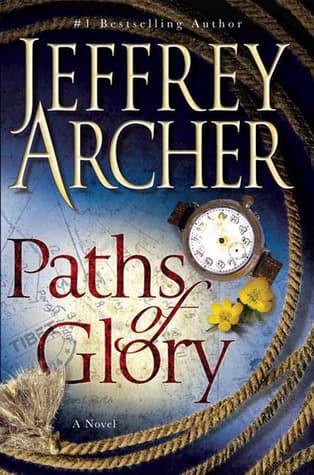
Jeffrey Archer (2009)
Genre
Thriller / Historical Fiction / Mystery
Reading Time
360 min
Key Themes
See below
Sign in to track this book
George Mallory, driven to conquer Everest, faces the mountain's dangers and the historical question of whether his attempt will make him a legend or erase his efforts from history.
George Mallory, born in 1886, is introduced as a bright, adventurous young man. His early life includes a passion for climbing and a sharp mind. He attends Winchester College and then Magdalene College, Cambridge, where he joins the Bloomsbury Group. Here, he forms close friendships with figures like Lytton Strachey and Rupert Brooke, engaging in intellectual discussions and developing his philosophical views on life and ambition. His love for mountains remains constant, contrasting with his academic pursuits and hinting at the greater aspirations that will define his life. He meets Ruth Turner, his future wife, during this time, starting an important romantic relationship.
World War I changes Mallory's life and the lives of his generation. Despite his intellectual interests, he enlists in the Royal Garrison Artillery and serves on the Western Front, experiencing trench warfare. The war leaves a lasting mark, claiming many of his friends and forcing him to face mortality. After returning, he marries Ruth and starts a family, becoming a schoolteacher at Charterhouse. While he finds contentment in family life and teaching, the war's shadow and his inherent drive for something more significant begin to push him to rekindle his passion for climbing, seeing it as a way to regain purpose and escape post-war routine.
Mallory's reputation as an exceptional climber grows, attracting the attention of the Royal Geographical Society and the Alpine Club, who plan the first British expedition to Mount Everest. Despite his responsibilities and Ruth's worry, the appeal of the unclimbed peak is too strong. He is chosen for the 1921 reconnaissance expedition, his first encounter with the majestic Himalayas. This initial trip strengthens his resolve and commitment to conquering Everest, turning it from an ambition into an obsession. He begins to plan and train carefully, understanding the immense physical and mental demands the mountain will place on him and his team.
Mallory participates in the 1922 Everest expedition, which makes progress but fails to reach the summit. He is part of the team that sets new altitude records, but a tragic avalanche kills seven porters, overshadowing the achievement. The expedition shows the extreme dangers and logistical challenges of climbing at such altitudes. Despite setbacks and personal cost, Mallory's determination only grows. He returns home, dealing with public expectations and internal pressure to succeed, while also facing the emotional strain on his family, especially Ruth, who fears for his life with each attempt.
To raise funds for the next expedition, Mallory goes on a lecture tour across America. During this tour, he gives his famous response to a journalist asking why he wants to climb Everest: 'Because it is there.' This phrase captures his singular focus and the almost existential drive behind his ambition. The tour is successful, securing important financial backing, but it also takes him away from his family for a long time, adding to Ruth's worries. Public fascination with Everest grows, making Mallory a national hero, but also increasing the pressure on him to achieve the ultimate goal.
Mallory joins the 1924 British Mount Everest expedition, his third and final attempt. He is 37, a seasoned climber but also aware of the physical toll the mountain takes. The team includes a new, young, and skilled climber, Andrew 'Sandy' Irvine, whose ability with oxygen equipment makes him a valuable partner. The expedition faces typical challenges: brutal weather, treacherous terrain, and the debilitating effects of high altitude. Despite these obstacles, Mallory's leadership and focus inspire the team as they carefully establish camps and push higher up the mountain, getting closer to their objective. The sense of anticipation and danger intensifies with each step.
On June 8, 1924, George Mallory and Andrew Irvine leave Camp VI for their summit attempt. Noel Odell, another expedition member, last sees them around 12:50 PM, high on the Northeast Ridge, 'going strong for the top.' Odell later reports seeing them near what is now called the Second Step, just a few hundred feet from the summit. Their disappearance into the clouds marks the last confirmed sighting of the pair. The weather soon worsens, and later searches fail to find them. The world waits for news, but as days turn into weeks, the grim reality sets in. The fate of Mallory and Irvine, and whether they reached the summit, becomes one of mountaineering's greatest mysteries.
The disappearance of Mallory and Irvine shocks the world. Search parties are launched, but Everest's vastness and harshness hide their fate. Ruth Mallory and their children deal with their loss and the lasting uncertainty. The lack of a definite answer fuels decades of speculation and debate among climbers and historians: did they reach the top before they died? Their story symbolizes human effort and the ultimate cost of ambition. The mystery of the missing camera and its potential photographic evidence becomes a central point of discussion, keeping their legend alive and unresolved for generations.
In 1999, an American expedition led by Eric Simonson finds George Mallory's body on Everest's north face, at 26,760 feet. The body is well-preserved due to the cold, but key evidence, such as the photograph of Ruth and the camera, is missing. The discovery offers new insights into his final moments, including severe injuries consistent with a fall. While it answers where he died, it does not definitively resolve whether he reached the summit. His body's location, below the main climbing route, suggests he may have been descending, but the circumstances of his fall remain unknown, leaving the ultimate mystery intact.
Even with Mallory's body found, the central question of whether he and Irvine reached the summit of Mount Everest before their deaths remains unanswered. The missing camera, which Mallory promised to leave at the summit if he succeeded, is the most tempting piece of evidence. The book explores various theories, weighing circumstantial evidence, the climbers' known abilities, and the conditions of the time. Archer carefully presents arguments for and against their success, leaving the reader to consider the historical implications of such an achievement and the ethical considerations of claiming a 'first' without irrefutable proof, allowing the reader to form their own conclusion about Mallory's place in history.
The Protagonist
Mallory transforms from a promising scholar and family man into an obsessed mountaineer, his journey culminating in the ultimate sacrifice for his ambition, leaving his legacy forever debated.
The Supporting
Ruth endures the growing anxieties of George's climbing obsession, ultimately facing the profound grief and uncertainty of his disappearance, becoming a symbol of the sacrifices made by those left behind.
The Supporting
Irvine joins the Everest expedition as a promising young talent, becoming inextricably linked with Mallory's quest and sharing his mysterious fate on the mountain.
The Supporting
Odell serves as a key witness to the final moments of Mallory and Irvine, his observations becoming central to the enduring mystery of their summit attempt.
The Mentioned
Strachey's influence on Mallory's intellectual development is shown through their Cambridge interactions, providing context for Mallory's complex character.
The Supporting
Hinks orchestrates the logistical and political aspects of the Everest expeditions, embodying the institutional drive for conquest.
The Supporting
Younghusband champions the Everest expeditions as a matter of national pride, embodying the societal pressure on Mallory to succeed.
The novel explores the sacrifices made in pursuit of an extraordinary dream. George Mallory's ambition to conquer Everest costs him time with his family, strains his marriage with Ruth, and leads to his death. This theme is clear in Ruth's quiet worries and her pleas for him to prioritize their family, contrasting with Mallory's devotion to the mountain. Expedition members face extreme physical and mental hardship, and some, like the porters in 1922, die. The story makes the reader weigh achievement against personal cost, questioning if glory justifies the suffering and loss.
““What is the point of a dream, if it's not to be chased, even to the very edge of one’s existence?””
Mount Everest, the 'Third Pole,' represents the ultimate unknown and unconquered frontier. The novel shows the magnetic pull of this challenge, captured in Mallory's 'Because it is there' quote. The mountain is depicted as a powerful, almost mystical entity that draws individuals like Mallory to test their limits against it. The appeal is not just about physical conquest but also about the psychological and spiritual challenge of facing the world's highest point. The narrative builds on the mystery surrounding the peak, both before its ascent and after Mallory's disappearance, keeping the reader engaged by the unanswered questions it poses.
““The mountain does not care about your dreams, only your resolve.””
A central theme is how legacy is built and the often-unclear nature of historical truth, especially without tangible proof. The novel's premise revolves around the uncertainty of whether Mallory reached the summit, and thus, whether he became a legend. The missing camera symbolizes this ambiguity. The book presents evidence and counter-evidence, making the reader decide if Mallory should be considered a legend. This theme questions how history is written and remembered, and whether striving, regardless of definitive success, is enough to secure one's place in human history.
““History is not always written by the victors, but by those who leave behind the most convincing evidence.””
The ongoing struggle between human will and nature's power is a pervasive theme. Mount Everest is shown as an unforgiving, indifferent force, constantly challenging climbers with extreme weather, treacherous terrain, and debilitating altitude sickness. Mallory and his team represent humanity's drive to overcome natural barriers, using ingenuity, courage, and physical endurance. The novel highlights the fragility of human life against such raw power, as seen in the 1922 avalanche and Mallory and Irvine's ultimate fate. It shows that even the most determined human spirit can be humbled by the natural world.
““The mountain gives nothing easily, and takes everything without remorse.””
The ultimate question of Mallory's summit remains open to interpretation.
The novel deliberately maintains ambiguity regarding whether George Mallory and Andrew Irvine reached the summit of Everest. While the primary narrative follows Mallory's journey, the conclusion does not provide a definitive answer, instead presenting the existing evidence and allowing the reader to draw their own conclusions. This device creates suspense and encourages active reader engagement, making the reader a participant in the historical debate. It emphasizes the subjective nature of truth and legacy, particularly when crucial evidence, like the missing camera, is absent. This ambiguity is central to the book's core mystery and its re-examination of history.
Hints and omens of Mallory's ultimate fate.
Foreshadowing is used throughout the narrative to build a sense of impending doom and highlight the extreme risks of Mallory's ambition. Early discussions about the dangers of climbing, the tragic avalanche in 1922, and Ruth's persistent anxieties about George's safety all hint at the ultimate, fatal outcome. Mallory's own philosophical musings about life and death, and his increasing obsession, also serve as subtle warnings. This device heightens the emotional impact of his disappearance, making the reader acutely aware of the stakes involved with each ascent and adding a layer of pathos to his determined pursuit of the summit.
A crucial, symbolic object representing the elusive proof of achievement.
The missing Vest Pocket Kodak camera carried by Mallory is a powerful plot device. It is established early on that Mallory intended to leave a photograph of Ruth at the summit and bring back summit photos as proof. The camera's absence from his body in 1999 becomes the ultimate symbol of the unresolved mystery. It represents the elusive nature of definitive proof and the historical implications of its presence or absence. The search for the camera drives much of the post-disappearance speculation and serves as a tangible focus for the central question of whether Mallory and Irvine succeeded, making it a pivotal object in the narrative.
Filling in the gaps of a true historical mystery with fictionalized narrative.
Archer employs historical reimagining by taking a well-known historical mystery—the disappearance of Mallory and Irvine on Everest—and constructing a detailed, plausible narrative around it. While adhering to known facts, the author invents dialogue, internal thoughts, and specific interactions to bring the characters and events to life. This device allows the novel to explore the 'why' and 'how' behind the historical record, giving emotional depth to the figures involved and offering a compelling, albeit fictionalized, interpretation of their experiences. It invites the reader to consider the human drama behind the historical facts and participate in the ongoing debate.
““I’m not afraid of death, but I am afraid of not living.””
— George Mallory reflecting on his life and motivations before a climb.
““Because it’s there.””
— George Mallory's famous reply when asked why he wanted to climb Mount Everest.
““Have we vanquished the fiend or not?””
— Mallory's anxious question upon returning from an early attempt on Everest, unsure of their progress.
““The first rule of mountaineering is to stay alive.””
— A guiding principle often reiterated by experienced climbers, highlighting the inherent dangers.
““Every great story has a beginning, a middle, and an end. But not necessarily in that order.””
— A narrative observation that applies to Mallory's fragmented and mysterious story.
““He had chosen a life of danger and glory, and he would not regret it.””
— Describing Mallory's unwavering commitment to his passion despite the risks.
““Some men are born to climb, others to watch them fall.””
— A stark commentary on the different roles and fates in the world of extreme adventure.
““The mountain doesn't care about your dreams, only your will.””
— A reflection on the impartial and unforgiving nature of Everest.
““History is written by the victors, but sometimes, the vanquished leave the most intriguing questions.””
— A meta-commentary on the historical mystery surrounding Mallory's disappearance.
““The thin air was a constant reminder of their fragility, and the vastness of the world they were trying to conquer.””
— Describing the physical and psychological challenges faced by the climbers at high altitude.
““What is life, if not a series of glorious attempts?””
— Mallory's philosophical outlook on life, emphasizing effort and ambition over guaranteed success.
““He understood that true courage wasn't the absence of fear, but the triumph over it.””
— A character's internal thought on the nature of bravery in the face of immense danger.
““The wind howled a symphony of despair and hope, a constant companion on the roof of the world.””
— Evocative description of the harsh conditions and mixed emotions on Everest.
““Some riddles are meant to remain unsolved, their beauty lying in the eternal question.””
— A reflection on the enduring mystery of whether Mallory reached the summit.
Ready to see how well you understood this book? Take our interactive quiz with 10 questions.
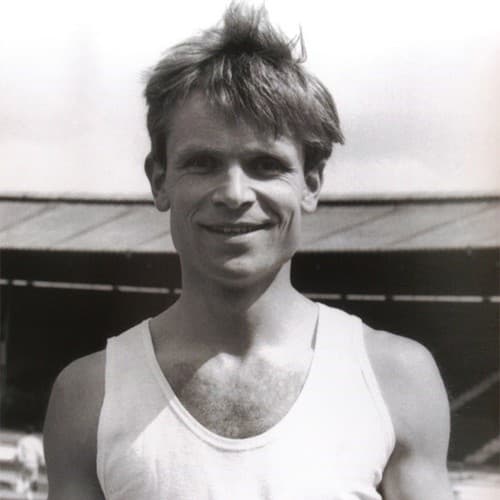
Jeffrey Howard Archer, Baron Archer of Weston-super-Mare is an English novelist, life peer, convicted criminal, and former politician. Before becoming an author, Archer was a Member of Parliament (1969–1974), but did not seek re-election after a financial scandal that left him almost bankrupt.







