“Pat the bunny. Oh, you can feel how soft the bunny is.”
— The very first interactive page, inviting the reader to touch the 'bunny' texture.

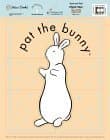
Dorothy Kunhardt (2009)
Genre
Children's / Young Adult
Reading Time
5 min
Key Themes
See below
Sign in to track this book
With interactive textures and a tiny mirror, 'Pat the Bunny' offers toddlers a delightful sensory adventure of touch, sight, and discovery.
The book introduces two children, Paul and Judy. The first interactive part asks the reader, through Paul, to 'pat the bunny.' A small square of faux fur is on the page, inviting the child to touch its softness. This tactile interaction is key to the book's purpose, immediately engaging the toddler's sense of touch and setting the tone for later pages. The text is simple and direct, guiding the child to do the action and reinforcing the sensory experience.
After the bunny, Judy is shown with flowers. The text asks the reader, through Judy, to 'smell the flowers.' No actual scent is there, but the pictures and prompt aim to engage the child's imagination and recall the feeling of smelling something nice. This page expands sensory exploration beyond touch, introducing other senses even without a direct tactile element, relying on the child's growing understanding of the world.
The story then moves to Paul with his father. The reader is asked to 'feel daddy's scratchy face,' shown by a sandpaper-like material on the page. This contrasts with the soft bunny fur, introducing different textures. This helps children tell the difference between smooth and rough, a basic part of tactile learning. It also places the sensory experience in a familiar family setting, making it relatable and safe.
Following the previous page, Judy touches her mother's ring. The text prompts the child to 'feel mommy's smooth ring,' shown by a slick, perhaps plastic or varnished paper texture. This again offers a different tactile experience, highlighting smoothness and hardness. These contrasting textures help children build a vocabulary of sensory words and understand that objects have distinct physical traits, developing their tactile discrimination skills in a gentle, guided way.
A moment in the book shows Paul looking into a small mirror on the page. The text asks the child to 'look at yourself.' This introduces visual recognition and self-awareness, as children often like seeing their own reflections. It is a simple but meaningful moment that shifts from outside sensory input to inner self-discovery, allowing the child to become part of the story by seeing themselves in the book's world.
Judy then plays peek-a-boo, with a small cloth flap covering part of her face. The text encourages the child to 'play peek-a-boo with Judy.' This interactive element provides a simple game, engaging the child's motor skills as they lift the flap and reinforcing the idea of object permanence in a fun way. It adds fun and surprise, making the reading experience more active than just touching textures.
In a more observant scene, Paul points to Judy's eyes. The text asks the child to 'see Judy's eyes.' While not a tactile interaction, this page reinforces visual identification and body part recognition. It encourages the child to focus on specific details and further develops their observation skills within the familiar context of the characters. It subtly introduces the idea of looking and identifying features in others.
Near the end, Judy is again with the bunny. The text invites the child to 'pat the bunny again.' This repetition serves several purposes: it reinforces the first, most notable sensory experience, lets the child revisit a favorite texture, and gives a sense of completion and familiarity. It repeats the main idea of tactile exploration and offers a comfortable return to a known interaction after exploring other senses and textures.
The last page shows Paul and Judy waving goodbye. The text asks the child to 'say goodbye to Paul and Judy.' This gently ends the interactive reading experience, providing a sense of completion. It reinforces social customs like waving and saying goodbye, offering a friendly and reassuring end to the sensory journey. It leaves the child with a good impression and encourages future engagement with the book.
The Protagonist
Paul's arc is one of discovery and sensory engagement, learning about different textures and his own reflection.
The Protagonist
Judy's arc involves exploring different sensory inputs and engaging in simple, playful interactions.
The Supporting
Daddy's role is static, serving as a tactile example.
The Supporting
Mommy's role is static, serving as a tactile example.
The Mentioned
The bunny remains a consistent source of softness.
The main theme is encouraging sensory exploration, especially through touch. The book directly asks children to 'pat the bunny' (soft fur), 'feel daddy's scratchy face' (rough sandpaper), and 'feel mommy's smooth ring' (slick surface). These varied textures teach children about the physical traits of objects, helping them tell the difference between soft, rough, and smooth. The book's interactive nature makes learning about these sensations an active and engaging experience, which is important for early childhood development. This is clear from the start and throughout the book.
“Pat the bunny.”
The theme of self-discovery is gently introduced with a mirror. When Paul is asked to 'look at yourself,' the child reader sees their own reflection, helping self-awareness and visual recognition. This moment lets the child become an active part of the story, connecting the book's outside world with their inner sense of self. It is a simple yet powerful way to engage a toddler's developing understanding of identity and their place in the world, making the reading experience personal.
“Look at yourself.”
The book creates a sense of familiarity and security by featuring common family members (Mommy, Daddy) and everyday objects or activities (flowers, peek-a-boo). Interactions, such as feeling a parent's face or ring, ground the sensory learning in a safe and relatable context. This makes new sensory experiences less scary and more accessible for young children. The consistent presence of Paul and Judy as guides further reinforces this sense of comfort and predictability, which is vital for early childhood learning and engagement.
“Feel daddy's scratchy face.”
Beyond just touching, the book promotes interactive play as a learning tool. Activities like 'play peek-a-boo with Judy' and direct prompts to 'smell the flowers' or 'say goodbye' encourage active participation instead of just watching. This interactive approach helps develop fine motor skills, imagination, and social understanding (like waving goodbye). The book turns reading into a multi-sensory and playful experience, ensuring young children stay engaged and entertained while learning basic concepts.
“Play peek-a-boo with Judy.”
Embedded textures for tactile engagement.
The primary plot device is the inclusion of various textured materials directly on the pages. These include faux fur for the bunny, sandpaper-like material for Daddy's face, and a smooth, slick surface for Mommy's ring. These elements are crucial for the book's core purpose: to provide direct, tangible sensory experiences. They allow children to physically interact with the story, enhancing their tactile discrimination and understanding of different physical properties, making the abstract concept of texture concrete and memorable.
Commands that directly instruct the reader to perform an action.
The book frequently uses direct address and imperative prompts, such as 'Pat the bunny,' 'Feel daddy's scratchy face,' and 'Look at yourself.' This narrative technique directly involves the child in the story, transforming them from a passive listener into an active participant. It guides their interactions with the book's features, reinforcing the learning objectives and making the experience highly personal and engaging. This direct engagement is fundamental to the book's success in toddler education.
A small reflective surface for self-recognition.
The inclusion of a small, child-safe mirror is a significant plot device. It allows the child to see their own reflection, fostering self-awareness and visual recognition. This moment of self-discovery is unique among the other sensory interactions, shifting the focus from external objects to the child's own identity. It makes the book highly interactive on a personal level, providing a moment of introspection and connection for the young reader within the narrative.
A movable page element for interactive play.
The peek-a-boo flap, typically a small piece of cloth covering Judy's face, serves as an interactive element that introduces a simple game. This device engages the child's fine motor skills as they lift the flap, and reinforces concepts like object permanence in a playful manner. It adds an element of surprise and fun, diversifying the interactive experiences beyond just touching textures and making the reading experience more dynamic and entertaining.
“Pat the bunny. Oh, you can feel how soft the bunny is.”
— The very first interactive page, inviting the reader to touch the 'bunny' texture.
“Pat the kitty. Oh, you can feel how soft the kitty is.”
— Similar to the bunny page, with a different animal texture.
“See Paul. Paul can pat the bunny. Now YOU pat the bunny.”
— Introducing a character, Paul, and then directly involving the reader.
“See Paul. Paul can look in the mirror. Now YOU look in the mirror.”
— A page with a small reflective surface for the child to see themselves.
“See Paul. Paul can play peek-a-boo. Now YOU play peek-a-boo.”
— A cloth flap for the child to lift, simulating the game.
“See Paul. Paul can smell the flowers. Now YOU smell the flowers.”
— A page with a scratch-and-sniff flower scent.
“See Paul. Paul can feel Daddy's scratchy face. Now YOU feel Daddy's scratchy face.”
— A textured patch representing a father's unshaven face.
“See Paul. Paul can feel Mommy's ring. Now YOU feel Mommy's ring.”
— A small, smooth ring attached to the page for the child to touch.
“See Judy. Judy can look at the book. Now YOU look at the book.”
— Introducing a second character, Judy, and encouraging engagement with the book itself.
“See Judy. Judy can play with her doll. Now YOU play with your doll.”
— A page showing Judy with a doll, promoting imaginative play.
“See Judy. Judy can feel her Teddy Bear. Now YOU feel your Teddy Bear.”
— Another tactile page, this time with a fuzzy texture for a teddy bear.
“See Paul. Paul can feel the light. Now YOU feel the light.”
— A page with a smooth, shiny surface representing light.
“See Paul. Paul can feel the rough towel. Now YOU feel the rough towel.”
— A page with a textured patch resembling a rough towel.
“And now it's time to say good-bye to Paul and Judy.”
— The closing lines of the book, signaling the end of the story.
Ready to see how well you understood this book? Take our interactive quiz with 10 questions.
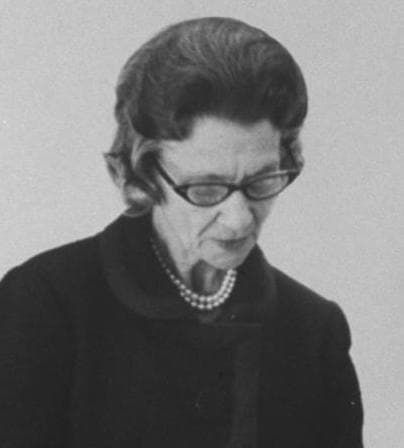
Dorothy Kunhardt was an American children's book author, best known for her interactive classic, "Pat the Bunny." Published in 1940, the touch-and-feel book became an instant success and remains a beloved staple in early childhood education. Kunhardt's innovative approach to engaging young readers through tactile experiences set a new standard for interactive children's literature.

Dan Gemeinhart
4.5

Kate O'Hearn
4.4

Jeanne Birdsall
4.4

Jen Wang
4.4
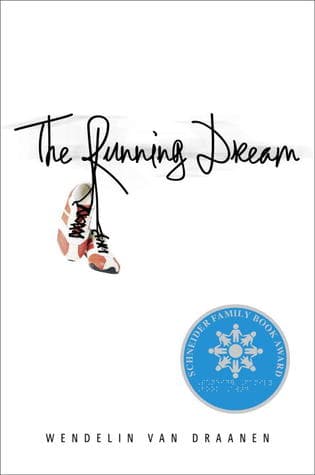
Wendelin Van Draanen
4.3

John Marsden
4.3

Chris Van Allsburg
4.3
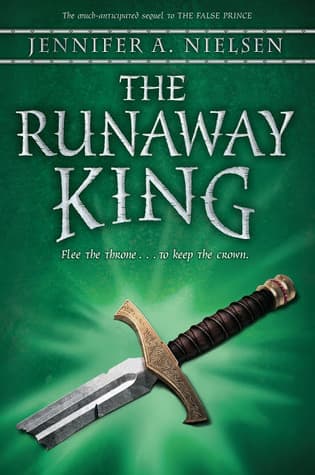
Jennifer A. Nielsen
4.2