“Don't ever let anyone tell you there's nothing you can do about anything.”
— Angus's philosophy on solving problems.

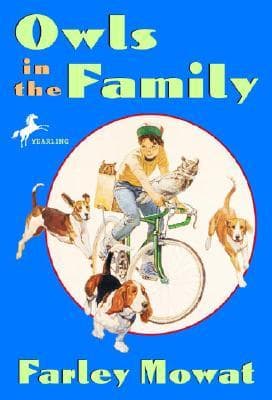
Farley Mowat (1961)
Genre
Children's / Young Adult
Reading Time
90 min
Key Themes
See below
Sign in to track this book
A young boy's Saskatchewan home is hilariously upended and forever changed by the arrival of Wol, a skunk-gifting, minister-terrorizing owl, and Weeps, his flight-challenged, dog-loving companion.
The story begins with Billy, a young boy in Saskatoon, Saskatchewan, talking about how much he has always loved animals. One spring, while exploring the ravines near his home with his dog, Mutt, Billy finds a small, fluffy baby Great Horned Owl that has fallen from its nest. Even though he is unsure about touching a wild creature, Billy decides to take the owlet home. He names it Wol. His parents are not happy about having a wild bird in their house, especially his mother, who worries about the mess and trouble the owl might cause. Billy, though, is set on caring for Wol, and the owl soon becomes part of the family, often in its own disruptive way.
Wol quickly proves to be a handful. He eats a lot and likes to bring unusual 'gifts' to the family, such as dead skunks, gophers, and snakes, which his mother hates. These offerings often end up on the dinner table or in unexpected places. Wol also likes to perch on people's heads, using his claws to grip, which can be quite surprising. Despite the mess, Billy's father finds Wol's actions funny, and even his mother slowly starts to accept the owl, seeing the bond between Billy and his pet. Wol's presence adds something unpredictable to their daily lives, making every day an adventure.
Some time after Wol is settled, Billy finds another owl, a tiny, very hungry Screech Owl, in a similar situation—fallen from its nest. This new owlet is completely different from Wol; it is very scared, easily frightened, and constantly makes a soft, crying sound, which leads Billy to name him Weeps. Weeps is a delicate creature, and Billy works hard to help him get well. At first, Weeps is afraid of everything, including Wol, and struggles to eat by himself. Billy's patience and care slowly help Weeps get stronger and more confident, though he remains a much more fragile and nervous bird than his lively counterpart.
Weeps, while generally afraid, forms a special and unlikely friendship with Billy's dog, Mutt. While other animals and even people often scare Weeps, he finds comfort and safety when Mutt is around. Weeps often sits on Mutt's head or back, and the dog seems to accept, and even enjoy, the owl's company. This unusual bond makes Billy and his family laugh and wonder. Mutt, known for his own personality, becomes Weeps's protector and friend, showing a gentle side that is different from his usual playful nature. This relationship shows the many ways animals can connect.
As Wol grows, his hunting instincts become stronger, and he often hunts beyond the family's yard. This leads to many funny and sometimes scary meetings with people in the neighborhood. The local postman, the minister, and Billy's French teacher all become targets of Wol's playful (or maybe territorial) swoops and attacks. Wol likes to perch on their heads or hats, causing them to drop mail, trip, or yell in surprise. These events, though disruptive, are always shown lightly, displaying Wol's wild spirit and the mess he brings to the otherwise quiet Saskatoon neighborhood. Billy often has to step in, but not always successfully.
One of Weeps's most lovable traits is that he cannot fly. Even though he is an owl, he seems to lack the natural ability to fly. Billy and his friends try different ways to teach Weeps to fly, from gentle encouragement to throwing him into the air, but nothing works. Weeps prefers to walk, waddle, or ride on Mutt or Billy's shoulder. His inability to fly makes him more vulnerable and reliant, a sharp contrast to Wol's powerful flight. This becomes a running joke in the story, emphasizing Weeps's unique and lovable personality.
Having Wol and Weeps greatly changes the Mowat household. The house is not just a human home; it becomes a busy, messy place. Wol's hunting trophies (dead animals) often appear in unexpected places, and both owls leave droppings wherever they want. The family learns to live with the constant hooting, sudden swoops, and general disarray that comes with having two wild owls as pets. While difficult, these experiences add a special richness to their lives, showing that the owls are not just pets, but important, though unruly, family members. The house is full of laughter, frustration, and endless stories.
During the summer, Wol and Weeps go with Billy on many of his adventures around Saskatoon. They go to the creek, explore the ravines, and even visit friends' houses. These outings often result in funny events, such as Wol 'hunting' for gophers in a neighbor's garden or Weeps getting into a situation that needs Billy's help. The owls become known in the area for their personalities and their strong bond with Billy. Their presence turns ordinary childhood explorations into special stories, further establishing their roles as beloved, if unusual, friends.
One memorable event involves Wol making an unplanned appearance during Billy's school play. Billy had brought Wol to school, and the owl, as expected, escapes and goes onto the stage during a dramatic moment. Wol's sudden entrance causes a funny uproar, with actors breaking character and the audience laughing. This scene perfectly shows Wol's disruptive yet endearing nature and how he brings chaos to even the most formal settings. It is another example of how the owls are not just at home but are a part of Billy's public life, always ready to create a memorable show.
Near the end of the story, Billy's family plans to move from Saskatoon. This news creates a problem: what will happen to Wol and Weeps? Billy is sad at the idea of leaving his owls. However, a solution is found. A kind professor at the university, who studies birds, agrees to care for Wol and Weeps. Billy visits them often, making sure they are adjusting well. The story ends with Billy thinking about how much Wol and Weeps affected his childhood, remembering his two special owl companions and the unique, wild happiness they brought to his life.
The Protagonist
Billy matures through his responsibility for Wol and Weeps, learning patience and understanding the complexities of living with wild creatures.
The Major Character
Wol remains largely true to his wild nature, integrating into the family on his own terms without significant change.
The Major Character
Weeps gains some confidence and strength under Billy's care but largely retains his timid, grounded nature, finding solace in his bond with Mutt.
The Supporting
Mutt remains a steadfast and loyal companion, his character consistent throughout the narrative.
The Supporting
She moves from initial resistance and exasperation to a resigned, yet sometimes amused, acceptance of the owls as part of the family.
The Supporting
He remains consistently supportive and amused by the owls' presence, providing a stable counterpoint to his wife's initial reactions.
The Mentioned
The postman's experiences with Wol remain consistent, a recurring comedic element.
The Mentioned
The minister's character serves as a comedic foil for Wol's wild behavior, without significant personal development.
The Mentioned
The French teacher's role is episodic, serving as another example of Wol's disruptive charm.
This theme looks at the fun chaos and unexpected good that happens when wild animals live in a human home. Wol and Weeps, though pets, keep their basic wild ways, from Wol's hunting skills and 'gifts' of dead animals to Weeps's natural fear. The Mowat home is often disrupted by these natural behaviors, forcing the family to adjust and find humor in the unexpected. This theme shows that nature cannot be fully controlled and that accepting its wildness can lead to richer, more adventurous lives, as seen in the family's eventual acceptance and love for their unruly companions.
“Animals, and especially wild animals, are not really very different from people. They have their own ways of being good, and they have their own ways of being bad. But mostly they are just themselves.”
The story clearly shows the power of strong love, especially between Billy and his owls. Despite the constant mess, the 'gifts' of dead animals, and the general disruption from Wol and Weeps, Billy's love for them never changes. His parents, at first unwilling, also grow to accept and even cherish the owls, seeing the strong bond Billy shares with them. This theme also includes the unusual friendship between the scared Weeps and the loyal dog, Mutt, showing how love and acceptance can go beyond species and differences, creating a special and warm family unit.
“My mother never did get used to having a dead skunk on the dinner table, but she always pretended she did.”
The book is deeply rooted in the spirit of childhood adventure. Billy's world in Saskatoon becomes an exciting place of discovery and wonder because Wol and Weeps are there. Ordinary walks become hunting trips, and daily life is filled with the chance for unexpected escapes. The owls are not just pets; they help create adventure, letting Billy experience the world through a lens of wildness and excitement. This theme celebrates the joy of innocent curiosity and how children can find magic and friendship in the most unusual places.
“Having Wol and Weeps was a bit like having a perpetually exciting circus in our backyard, only better, because they were all ours.”
This theme explores the charm and value found in things that do not fit common expectations. Wol and Weeps are far from typical pets; they are messy, disruptive, and often do not cooperate, yet they bring great joy and unique experiences to Billy's family. Weeps's inability to fly, rather than being a fault, becomes a defining and lovable trait. The story supports the idea that true richness in life often comes from accepting the unusual and celebrating individuality, whether in a person or an animal. It encourages readers to look past surface expectations and appreciate the unique qualities of every creature.
“Weeps never did learn to fly properly, and that was just fine by us. He was perfect just the way he was.”
The story is told from the perspective of young Billy, offering a charming and often humorous viewpoint.
The use of a first-person narrative, specifically from the perspective of young Billy, is central to the book's charm. This allows the reader to experience the world, and especially the owls' antics, through the eyes of a child who is deeply connected to his pets and possesses a vivid imagination. The child narrator's voice lends an innocent, enthusiastic, and often humorous tone to the storytelling, making the extraordinary events feel natural and endearing. It fosters a sense of intimacy and allows for a direct connection to Billy's emotions and his unique understanding of his animal companions.
Attributing human-like personalities and intentions to the owls and dog.
While not overtly anthropomorphic in a fantastical sense, the narrative subtly attributes distinct, human-like personalities and intentions to Wol, Weeps, and Mutt. Wol is described as mischievous, proud, and playful; Weeps as timid, affectionate, and easily frightened; and Mutt as loyal and intelligent. This device helps readers connect emotionally with the animal characters, understanding their motivations and behaviors within a relatable framework. It allows for a deeper appreciation of their individual quirks and strengthens the emotional bonds portrayed in the story, making them feel like integral members of the family with their own unique wills.
Utilizing humor to lighten the narrative and highlight the owls' disruptive charm.
Comic relief is a pervasive plot device throughout the book, primarily generated by the owls' antics and the adults' reactions to them. Wol's 'gifts' of dead animals, his attacks on the postman and minister, and Weeps's inability to fly all provide moments of laughter. The contrast between the wild, unpredictable behavior of the owls and the attempts of the human family to maintain order creates inherent humor. This device ensures the story remains lighthearted and entertaining, even when describing the challenges of living with wild animals, making the owls' disruptive presence endearing rather than frustrating.
The two owls symbolize contrasting aspects of nature and personality.
Wol and Weeps function as symbolic counterparts, representing different facets of nature and personality. Wol, the powerful Great Horned Owl, symbolizes untamed wildness, independence, and a boisterous, disruptive force. He embodies the raw, predatory instincts of nature. Weeps, the tiny Screech Owl, symbolizes vulnerability, timidity, and a gentle, dependent side of nature that still finds its place. Together, they represent the diverse spectrum of the natural world, from the fierce hunter to the fragile creature, and how both can coexist and be cherished within a single home, reflecting the complexity and balance of life.
“Don't ever let anyone tell you there's nothing you can do about anything.”
— Angus's philosophy on solving problems.
“The only way to have a friend is to be one.”
— The narrator's understanding of friendship with animals.
“It's a strange thing, but the things you most want to happen rarely do, and the things you least expect often turn out to be the best.”
— Reflecting on unexpected events and outcomes.
“There are some things in this world that are just too good to be true, and yet they are.”
— Describing the joy and wonder of his experiences with animals.
“You can learn a lot from an animal if you just take the time to watch and listen.”
— Emphasizing observation and understanding of nature.
“Life is a great adventure, and you never know what's around the next corner.”
— The adventurous spirit of the young narrator.
“It was impossible to be sad when you had such magnificent creatures for company.”
— Finding solace and happiness in the presence of his owls.
“Sometimes the best way to get what you want is to not want it too much.”
— A lesson learned about patience and letting things happen naturally.
“Even the smallest creature has its own unique way of looking at the world.”
— Appreciating the individual perspectives of animals.
“A true friend doesn't care what you are, only who you are.”
— The unconditional nature of friendship, especially with animals.
“There's a special kind of freedom that comes from being out in the wild, with only the animals for company.”
— The narrator's love for nature and wilderness.
“You can't really own an animal; you can only be its friend.”
— The concept of stewardship rather than ownership of pets.
“It's a good thing to have a little bit of wildness in your life.”
— Embracing the untamed and spontaneous aspects of life.
“The world is full of wonders, if you just take the time to look for them.”
— Encouraging curiosity and appreciation for the natural world.
Ready to see how well you understood this book? Take our interactive quiz with 10 questions.
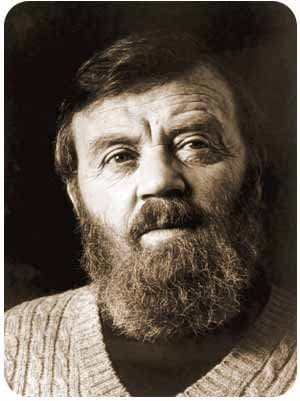
Biography coming soon.
Dan Gemeinhart
4.5
Kate O'Hearn
4.4
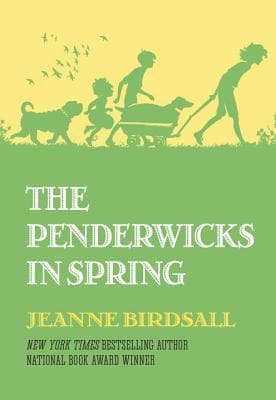
Jeanne Birdsall
4.4

Jen Wang
4.4
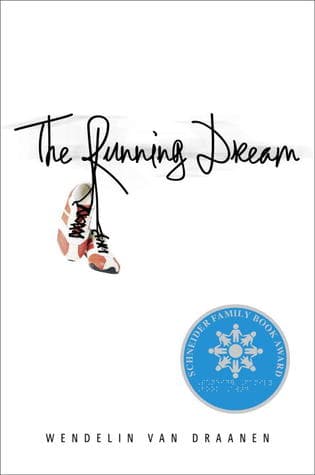
Wendelin Van Draanen
4.3

John Marsden
4.3

Chris Van Allsburg
4.3
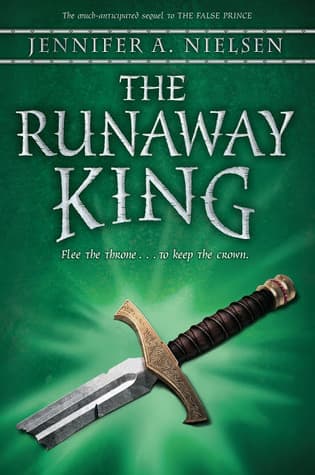
Jennifer A. Nielsen
4.2