BookBrief
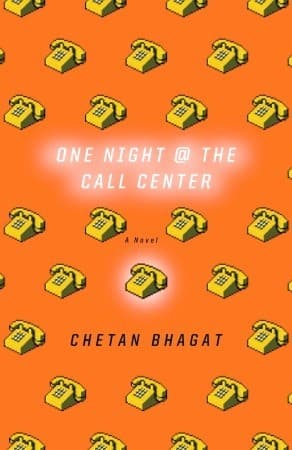
One Night at the Call Center cover
Archivist's Choice

One Night at the Call Center

Chetan Bhagat (2005)

Genre

Fantasy / Young Adult / Romance

Reading Time

320 min

Key Themes

See below

Track Your Reading

Sign in to track this book

Six friends at an Indian call center face heartbreak, ambition, and cultural clashes. A mysterious caller offers them a chance to restart their lives.

Synopsis

Six friends—Shyam, Priyanka, Esha, Vroom, Radhika, and Military Uncle—work at an Indian call center, handling American customers' technical issues. Each deals with personal problems: Shyam is heartbroken after Priyanka left him, and she now faces an arranged marriage. Esha wants to model but faces exploitation. Vroom feels his ideals disappearing. Radhika discovers her husband's infidelity. Military Uncle is a lonely, quiet man. During a chaotic Thanksgiving night shift, they receive a mysterious call from 'God.' This call makes each character confront their fears, desires, and truths. It encourages them to rebel against their bad boss, challenge societal expectations, and make life choices. Priyanka decides about her future, relationships mend, and the friends find new beginnings. They realize the 'God' message was a way for them to discover themselves and take control of their lives.
Reading time
320 min
Difficulty
Easy
Pacing
Moderate
Mood
Humorous, Reflective, Hopeful, Romantic
✓ Read this if...
You enjoy contemporary Indian fiction, stories about young adults navigating modern challenges, and a blend of romance, humor, and self-discovery.
✗ Skip this if...
You dislike books with elements of magical realism (a 'God' call), corporate satire, or stories that focus heavily on character's internal struggles.

Plot Summary

The Call Center Grind

The story begins with six main characters working the night shift at Connexions, a call center in Gurgaon, India. They provide technical support for a US appliance company. Shyam (Sam), the narrator, is still sad about breaking up with Priyanka, who works beside him. Priyanka's mother pressures her to marry Mohan, an NRI from Seattle. Esha wants to be a model but faces exploitation. Vroom, an engineering graduate, feels stuck in his boring job. Radhika, a married woman, suspects her husband is cheating. Military Uncle, an older, quiet man, handles online chat. Their boss, Bakshi, is incompetent and arrogant, making their difficult shifts even worse. Everyone feels disappointed and has personal problems.

Thanksgiving Night Chaos

It is Thanksgiving night in America, which means many calls about broken appliances and drunk customers. The call center is busy, reflecting the employees' inner struggles. Shyam tries to stay calm while dealing with demanding callers and Priyanka's presence. Priyanka is torn between Shyam and her family's wishes. Esha has a bad experience with a modeling agent, further hurting her dreams. Vroom becomes more cynical. Radhika's suspicions about her husband grow. Military Uncle watches everything quietly. The many calls and absurd customer complaints push everyone to their limit, showing how stuck they feel in their jobs.

Priyanka's Dilemma and Shyam's Despair

Priyanka's mother arranges her marriage to Mohan. Priyanka feels trapped and unhappy, telling her friends she does not want to marry him. Shyam is upset by this news, feeling lost and hopeless again. He tries to talk to Priyanka, but she feels she must follow her mother's wishes, fearing social consequences and disappointing her family. Their unresolved feelings create tension between them, making their shared workspace hard to bear. Shyam keeps his pain inside, questioning his worth and future. Priyanka struggles with the pressure to meet societal expectations.

The Mysterious Call

During the chaotic Thanksgiving shift, a mysterious call comes in. The voice on the other end says it is God. At first, the employees think it is a prank, but the caller knows their deepest fears and secrets, which disturbs them. The voice speaks to each of the six friends, giving indirect but helpful advice about their problems: Shyam's insecurity, Priyanka's arranged marriage, Esha's modeling dreams, Vroom's ideals, Radhika's marriage issues, and Military Uncle's hidden past. The call makes them face their problems, changing their outlook and challenging their cynicism. They wonder if it was God or a clever prank.

Confronting Personal Truths

The 'God' call helps the friends change. Shyam, inspired to find his self-worth, decides to tell Priyanka his feelings and that he wants her. Priyanka, given courage to follow her heart, seriously reconsiders her arranged marriage to Mohan. Esha, told to value herself beyond looks, starts to rethink her modeling plans and the industry's exploitative nature. Vroom is urged to find purpose beyond his current job, making him think about his true interests. Radhika is encouraged to confront her husband about his suspected cheating. Military Uncle, still quiet, shows small signs of thinking about his past regrets. The group starts to feel a sense of control they lacked before.

The Rebellion Against Bakshi

The friends' new confidence and unity lead them to confront their bad and incompetent boss, Bakshi. Frustrated by his constant control, unfair treatment, and poor leadership, they decide to challenge him. This confrontation is a big moment, showing they will no longer be passive victims. They state their complaints, demanding better treatment and a more respectful work environment. This act of defiance is against Bakshi and the larger system that makes them feel unimportant. It marks a turning point in their journey toward self-empowerment.

Priyanka's Choice

After much inner struggle and encouragement from her friends, especially Shyam, Priyanka decides to break off her arranged marriage to Mohan. This is a brave step, as it means going against her mother and challenging strong societal expectations about marriage and family honor. The confrontation with her mother is emotional, but Priyanka stays firm in her decision to choose her own path and happiness. This act of self-assertion is a major turning point for her, showing her growth from a compliant daughter to an independent woman who fights for her own desires, including her feelings for Shyam.

New Beginnings and Reconciliations

After these events, the friends start to solve their problems. Shyam and Priyanka get back together, deciding to try their relationship again on more equal terms. Radhika confronts her husband, leading to an honest talk about their marriage and his infidelity, with the chance for them to reconcile or find a clear path forward. Esha decides to pursue her passion for fashion design ethically, moving away from exploitative modeling. Vroom starts working on his own business ideas, putting his idealism into practice. Even Military Uncle, though still quiet, seems to find peace. The call center, while still a workplace, becomes a symbol of their shared growth and change.

The Identity of 'God'

In a surprising turn, the mysterious 'God' caller is Military Uncle. He made the call using his technical skills and his understanding of his colleagues' lives, which he gained by watching them closely during their shifts. His goal was to help his younger friends find their way and overcome their challenges, using his own life experiences and regrets. This revelation adds to his character, changing him from a quiet observer to a wise, kind mentor. The friends are shocked but thankful for his unusual help, seeing the positive impact it had on their lives.

Moving Forward

The story ends with the friends having made progress in their personal lives. Their problems are not all magically gone, but they have found the courage and clarity to deal with them. Shyam and Priyanka are together, Esha is doing ethical fashion, Vroom is exploring business, and Radhika is working on her marriage with new hope. Military Uncle, having revealed his role, remains a supportive figure. The call center, once a symbol of their stagnation, becomes the place where they found their voice and purpose. They realize that while outside circumstances can be hard, real change comes from within, often helped by unexpected events and friends.

Principal Figures

Shyam (Sam)

The Protagonist

Shyam transforms from an insecure, heartbroken individual to a confident young man who finds his voice and pursues his love.

Priyanka

The Protagonist

Priyanka evolves from being a compliant daughter to an assertive woman who chooses her own path and love.

Esha

The Supporting

Esha learns to value her self-worth beyond superficial beauty and pursues her passion for fashion design ethically.

Vroom

The Supporting

Vroom channels his idealism into entrepreneurial ventures, moving from cynicism to proactive pursuit of his goals.

Radhika

The Supporting

Radhika confronts her marital issues directly, seeking honesty and resolution in her relationship.

Military Uncle

The Supporting/Mentor

Military Uncle reveals his benevolent nature, transitioning from an enigmatic figure to a wise mentor who actively guides his younger colleagues.

Bakshi

The Antagonist

Bakshi remains largely static, representing the oppressive system that the protagonists learn to challenge rather than a character with significant personal growth.

Mohan

The Mentioned

Mohan's role is primarily catalytic; his arranged marriage proposal is ultimately rejected by Priyanka, allowing her to pursue her true desires.

Themes & Insights

The Search for Identity and Purpose

Many characters, especially Shyam and Vroom, struggle with who they are and what they want in life. Shyam feels lost after his breakup and in his unfulfilling job. Vroom, an engineering graduate, struggles with the boring call center work. The 'God' call directly addresses their individual problems, pushing them to look inside and decide their own paths, rather than being defined by societal expectations or past failures. This theme is key to the coming-of-age part of the story, as the young characters try to build meaningful lives in modern India.

“You are not what you do. You are what you decide to be.”

The 'God' caller

Conflict Between Tradition and Modernity

This theme is clearest in Priyanka's story. She is caught between her mother's traditional wish for an arranged marriage to an NRI and her own modern desires for love and independence. Radhika's marriage problems also touch on this, as traditional marriage roles clash with modern relationship realities. The call center itself, a symbol of globalization, contrasts sharply with the traditional values still strong in Indian society. The characters' struggles show the wider tension in India as it balances its cultural heritage with Western influences and fast economic change.

“Family honour is important, but your happiness is more important.”

Priyanka's internal thought

Disillusionment and Hope

The call center initially feels full of disappointment. The characters feel trapped, unfulfilled, and often cynical about their lives and jobs. Shyam is heartbroken, Esha's dreams are used, and Vroom is very unhappy. However, the 'God' call acts as a strong source of hope. It encourages them to face their problems, stand up for themselves, and believe in a better future. This theme shows the journey from despair to empowerment, proving that even in the most ordinary and frustrating situations, hope can be renewed and lead to big personal changes.

“Sometimes, you need to break something to fix it.”

The 'God' caller

The Power of Friendship and Collective Action

The bond between the six friends is a main part of the story. They give each other emotional support, advice, and a sense of belonging in an otherwise isolating work environment. Their combined action, like confronting their boss Bakshi, shows the strength in unity. This theme highlights the importance of human connection and solidarity in overcoming personal and systemic challenges. The friends' shared experience at the call center builds a bond that helps them face their personal battles and find strength together.

“You are not alone. Never forget that.”

Military Uncle (implied during the 'God' call)

Plot Devices & Literary Techniques

The 'God' Call

A mysterious phone call that acts as a catalyst for change.

The 'God' call is the central plot device. It's an unexpected, seemingly divine intervention that provides the protagonists with direct, personalized advice and challenges them to confront their deepest fears and insecurities. It serves as an external force that initiates internal change, pushing each character out of their stagnation. The mystery surrounding the caller's identity (later revealed to be Military Uncle) adds intrigue and suspense, while its content directly drives the plot forward by compelling the characters to take action on their personal problems.

The Call Center Setting

A symbolic backdrop representing modern alienation and the globalized workforce.

The call center itself functions as a significant plot device. It's a microcosm of modern life, symbolizing the anonymity, monotony, and often dehumanizing aspects of the globalized workforce. The characters' interactions with American customers highlight cultural differences and the absurdity of their work. The setting creates a sense of entrapment and disillusionment, making the eventual acts of rebellion and self-discovery more impactful. It serves as the crucible where the characters' struggles are forged and where their collective journey begins, providing a shared experience that binds them together.

First-Person Narration (Shyam)

Provides an intimate, subjective perspective on the events and characters' inner lives.

Shyam's first-person narration allows the reader to delve deeply into his thoughts, feelings, and insecurities, making his personal journey particularly resonant. It also provides a subjective lens through which the other characters and events are perceived, offering insights into their struggles from a close, empathetic viewpoint. This device enhances the emotional depth of the story, making the characters' transformations feel more personal and relatable, and building a strong connection between the reader and the protagonist's internal world.

Thanksgiving Night

A specific time frame that amplifies chaos and pressure.

Setting the pivotal events on Thanksgiving night in America is a deliberate plot device. It explains the unusually high volume of calls and the often-irrational behavior of the customers, thereby amplifying the stress and chaos within the call center. This heightened pressure cooker environment pushes the characters to their breaking points, making them more receptive to the 'God' call and more desperate for change. It creates a concentrated period of intensity that allows for rapid character development and plot progression.

Critical analysis

Notable Quotes

Do you know what is the problem with India? We are a land of paradoxes. We want to be modern, yet we cling to our traditions. We want to be rich, yet we are okay with poverty. We want to be heard, yet we whisper.

The narrator's reflection on India's contradictions.

Sometimes in life, you don't get what you want, but you get what you need.

Shyam's realization about his career path.

The greatest prison people live in is the fear of what other people think.

A philosophical thought shared during a conversation.

Call centers are like a mini-India. All the problems are here, all the solutions are here, all the dreams are here, all the frustrations are here.

The narrator describing the environment of the call center.

Love is not about finding the perfect person, but about seeing an imperfect person perfectly.

Priyanka's understanding of love.

God is in the details, and so is the devil.

A comment made about the intricacies of their work.

The world is a stage, and we are all just actors trying to find our lines.

A character's reflection on life's uncertainty.

Sometimes you just need to talk, even if it's to a stranger on the phone.

A thought about the nature of their call center job.

Dreams are not what you see in sleep, dreams are those that don't let you sleep.

A discussion about ambition and aspirations.

We are all connected, like threads in a tapestry. Pull one, and the whole thing unravels.

A realization about the interconnectedness of their lives.

The past is a place of reference, not a place of residence.

A character advising another to move on from past mistakes.

It's funny how a single night can change everything.

The overarching theme of the novel, reflecting on the events of one night.

Life is like a game of chess. You have to think several moves ahead.

A character's strategic approach to life's challenges.

Sometimes, the most important conversations happen when you least expect them.

Referring to the unexpected call from God.

You can't control everything, but you can control your reaction to everything.

A character offering advice on dealing with difficult situations.

Quiz

Test Your Knowledge

Ready to see how well you understood this book? Take our interactive quiz with 10 questions.

10
Questions
~5
Minutes
?
Best Score

Key Questions (FAQ)

The book follows six friends—Shyam, Priyanka, Esha, Vroom, Radhika, and Military Uncle—who work the night shift at a call center in India, providing technical support for a U.S. appliance company. Their lives are in various states of turmoil, from relationship issues to career disappointments, and they face a particularly chaotic Thanksgiving night shift that culminates in a life-altering call.

About the author

Chetan Bhagat

Chetan Bhagat is a prominent Indian author known for his accessible and relatable fiction that often explores the lives of young Indians. His bestselling novels, including 'One Night at the Call Center,' 'The 3 Mistakes of My Life,' and 'Half Girlfriend,' have resonated with millions of readers and have been adapted into successful Bollywood films. Bhagat's work is characterized by its simple language and focus on contemporary social issues, making him one of the country's most popular contemporary writers.