“The river kept its secrets well, deep and cold, carving its way through the mountains.”
— Describing the remote, unforgiving landscape of the Appalachians.

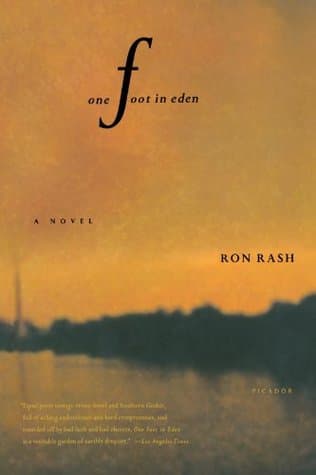
Ron Rash (2002)
Genre
Literary Fiction / Thriller / Historical Fiction / Mystery
Reading Time
240 min
Key Themes
See below
Sign in to track this book
In isolated, drought-stricken Appalachia in 1954, a sheriff deals with a missing body and a town's secrets, as multiple voices tell a story of murder, desire, and hidden truths.
Sheriff Will Alexander, in the summer of 1952 in Oconee County, South Carolina, learns from Deputy Bobby Burnette that Holland Winchester, a known moonshiner and troublemaker, is missing. Bobby and other locals suspect foul play, given Holland's violent reputation and many enemies. Will, quiet and observant, begins his investigation at Holland's cabin, finding signs of a struggle but no body. The lack of a corpse and witnesses makes the case difficult, creating a tense atmosphere in the small, insular community where everyone knows everyone's business but few speak openly.
Billy Holcombe, a struggling farmer, returns home to his wife, Amy, and their young son, Isaac. Distraught and dirty, Billy confesses to Amy that he killed Holland Winchester. He explains how Holland had been harassing them, stealing their corn, and making advances toward Amy. The confession reveals a desperate act, born from a desire to protect his family and their meager living. Amy, shocked but loyal, agrees to help Billy hide the crime, knowing the severe consequences if the truth comes out. This moment solidifies their desperate bond and begins their shared secret.
Sheriff Alexander continues his investigation, questioning various townsfolk and moonshiners who knew Holland. He visits the Holcombe farm, noticing Billy's nervousness and Amy's calm, almost defiant, presence. The Sheriff's intuition tells him something is wrong, but he has no concrete evidence. The community offers little useful information, either from ignorance, fear of Holland's associates, or a desire to protect their own. The search extends to the surrounding woods and rivers, but the rugged land yields no clues to Holland's location.
Isaac, Billy and Amy's son, is a quiet, observant boy. He overhears his parents' hushed conversations and senses the change in their home after Holland's disappearance. He sees the fear and determination in his mother's eyes and his father's burden. Though he doesn't fully understand the murder details, he grasps the secret's seriousness. He becomes a silent witness to their complicity, his innocent perspective highlighting the moral complexities of their actions. Isaac's internal struggle with the unspoken truth adds poignant tension, showing the crime's impact on the most vulnerable.
Amy Holcombe, determined to protect her husband and son, plans the concealment of Holland's murder. She meticulously cleans the scene, disposes of evidence, and coaches Billy on what to say if questioned. Her strength and resourcefulness are formidable, contrasting with Billy's more fractured state. She understands the harsh realities of their isolated existence and the unforgiving nature of justice in their community. Amy's actions, while morally complex, stem from fierce love and a primal instinct for survival, making her a compelling character whose choices drive much of the plot.
Deputy Bobby Burnette, more impulsive than Sheriff Alexander, begins to suspect Billy and Amy Holcombe. He notices inconsistencies in their stories and senses tension from their farm. Bobby's past experiences and knowledge of local feuds lead him to believe Billy is capable of the deed. He shares his theories with Sheriff Alexander, urging a more aggressive approach. While Will appreciates Bobby's zeal, he prefers to gather undeniable proof rather than act on speculation, creating a dynamic of contrasting investigative styles between the two lawmen.
A severe drought affects Oconee County, making life harder for the struggling farmers, including the Holcombes. The parched land and wilting crops reflect Billy and Amy's internal struggles and growing desperation. The environmental hardship adds pressure, intensifying the fear that their secret might be uncovered. The drought also forces people to interact more, as they seek water and assistance, increasing the chances of someone noticing something amiss. Nature itself seems to work against them, reflecting the harsh, unforgiving nature of their lives and the moral desert they find themselves in.
During one of his patrols, Sheriff Alexander finds a small, unusual item in the local river, a piece of clothing or personal effect he recognizes as possibly belonging to Holland Winchester. While not definitive proof, this discovery strengthens his resolve and narrows his search area, bringing him closer to the truth. The river, a silent witness to many secrets, slowly begins to reveal its hidden information. This small clue, though seemingly insignificant, reignites the investigation and adds urgency to the Sheriff's pursuit of justice, moving the story toward its climax.
Overwhelmed by guilt, fear, and Sheriff Alexander's investigation, Billy Holcombe finally confesses to killing Holland Winchester. The confession comes after a tense interrogation, where Sheriff Alexander, through calm but persistent questioning, breaks through Billy's facade. Billy recounts the details of the confrontation, the fight, and the desperate act that led to Holland's death. This moment releases the immense burden Billy has carried, but it also signals the dismantling of his life and the consequences for his family, particularly Amy.
Following Billy's confession, Amy Holcombe's deep involvement in hiding the crime becomes clear. Her loyalty and determination to protect her family are fully understood. Faced with the inevitable, Amy makes a sacrifice, taking full blame for the murder and claiming she acted alone to save Billy from the gallows. This act, born of a powerful love, shows her strength and the desperate measures she will take. Her sacrifice reshapes the story, revealing her character's depths and the devastating impact of their choices on their lives and their son's future.
After the confessions, the community of Oconee County faces the truth behind Holland Winchester's disappearance. Sheriff Alexander, having solved the case, now oversees the legal proceedings. Amy is arrested, and Billy, though spared the murder charge, lives with the weight of his wife's sacrifice and his own guilt. The justice system processes the crime, but the emotional and social repercussions for the Holcombes and the community are far more complex and lasting. The ending offers a somber reflection on justice, love, and the harsh realities of mountain life.
The Protagonist
Sheriff Alexander begins as an observer and investigator, gradually piecing together the truth, and ends as the bringer of a complex, bittersweet justice.
The Protagonist/Supporting
Amy transforms from a protective wife into a self-sacrificing figure, taking the fall for her family.
The Protagonist/Supporting
Billy descends into guilt and fear after his impulsive act, eventually confessing and living with the consequences of his and Amy's choices.
The Supporting
Isaac begins as an innocent child, gradually becoming aware of the dark secret his parents hold, and ends with a future shaped by their actions.
The Antagonist/Mentioned
Holland's 'arc' is his demise, which triggers the entire plot and reveals the community's hidden tensions.
The Supporting
Bobby Burnette grows in his understanding of investigative patience under Sheriff Alexander's mentorship.
The novel explores justice, questioning whether legal justice always matches moral justice. Billy's murder, though illegal, is shown as a desperate act to protect his family from Holland Winchester. Amy's sacrifice to save Billy further complicates this theme, showing a moral conviction rooted in love and loyalty, even if it defies the law. Sheriff Alexander's patient investigation seeks truth, acknowledging the harsh realities and moral compromises of mountain life, rather than simply applying the law. The ending prompts the reader to consider the true meaning of justice in such a nuanced context.
“A man will do what he has to do to protect his own.”
The power of love and sacrifice is central to the story. Amy Holcombe's actions stem from her love for Billy and Isaac, leading her to plan the cover-up and eventually take the blame for the murder. Her sacrifice shows her devotion, highlighting how love can compel individuals to extraordinary, often morally complex, acts. Billy's initial act also comes from a desire to protect his family, showing a desperate form of love. The novel demonstrates how love, in its most intense forms, can lead to both great strength and immense suffering.
“She loved him enough to bear his sin.”
The Holcombes' secret deeply affects their lives and relationships. Billy is consumed by guilt and fear, his peace shattered. Amy, though resilient, carries the burden of orchestrating the cover-up and the constant threat of discovery. Even young Isaac, innocent of the crime, is affected by the unspoken tension and fear within his family, showing how secrets can affect generations. The novel vividly portrays the psychological toll of living with a hidden truth, showing how it isolates individuals and distorts their sense of self and connections to the community.
“The secret was a third person in their house, silent but always present.”
The harsh Appalachian landscape plays a significant role, shaping the characters' lives and influencing the plot. The struggle for survival on their farm, made worse by a severe drought, highlights the desperation driving Billy's actions. The rugged mountains and winding rivers also provide the setting for the crime and its concealment, making the investigation challenging. Nature is not just a backdrop but an active force, mirroring the characters' internal struggles and constantly reminding them of their precarious existence. The land dictates their lives, choices, and ultimately, their fate.
“The land took what it wanted, and sometimes, it took more than just a living.”
The novel explores the dual nature of community in a rural, isolated setting. While Oconee County's close-knit nature means everyone knows everyone, it also fosters a culture of silence and protection, hindering Sheriff Alexander's investigation. The Holcombes, despite living within this community, become isolated by their secret, unable to share their burden. This theme highlights the paradox of rural life: a sense of belonging coexists with profound individual isolation, especially when secrets and crimes are involved. The community's unspoken role or ignorance shapes the narrative, revealing the complex social fabric of the mountains.
“In these mountains, folks knew things without being told, and kept quiet when they did.”
The story is told through the alternating viewpoints of key characters.
The novel employs a rotating narrative perspective, allowing the reader to experience the story through the eyes of Sheriff Alexander, Billy Holcombe, Amy Holcombe, Deputy Burnette, and young Isaac. This device provides a rich, multifaceted understanding of the events, revealing the inner thoughts, motivations, and emotional struggles of each character. It builds suspense by showing how different individuals perceive the same events and how their secrets and suspicions intertwine, deepening the moral complexities and allowing for a comprehensive exploration of the themes of justice, love, and guilt.
Subtle hints and clues throughout the narrative suggest future events.
Foreshadowing is used effectively to build tension and anticipation. Early descriptions of Holland Winchester's violent nature and the resentment he garners from the community hint at his eventual demise. Similarly, the initial interactions between Sheriff Alexander and the Holcombes, with their nervous demeanors and evasive answers, subtly suggest their involvement. These subtle clues create a sense of impending revelation, allowing the reader to piece together the truth alongside the Sheriff, making the eventual confessions feel both inevitable and impactful, rather than sudden.
The absence of Holland Winchester's body drives the initial mystery.
The fact that Holland Winchester's body is missing is a central plot device. This absence creates the initial mystery and complicates Sheriff Alexander's investigation, making it difficult to prove a murder has even occurred, let alone identify a culprit. It forces the characters to grapple with an unseen crime, amplifying the psychological tension for both the investigators and the perpetrators. The search for the body becomes a symbolic quest for truth and justice, and its eventual discovery, or the confession without it, serves as a significant turning point in the narrative.
The remote Appalachian mountains influence character actions and plot progression.
The isolated, rugged setting of Oconee County, South Carolina, is more than just a backdrop; it's a character in itself. This isolation fosters a close-knit, self-reliant community where external law often holds less sway than local customs and loyalties. It provides a perfect environment for secrets to be kept and for desperate acts to occur with little outside interference. The harshness of the land also contributes to the characters' struggles and their desperate choices, underscoring the theme of man versus nature and the unique moral landscape shaped by geographic remoteness.
“The river kept its secrets well, deep and cold, carving its way through the mountains.”
— Describing the remote, unforgiving landscape of the Appalachians.
“There were things you did not speak of, even to your wife, things that festered in the dark.”
— Reflecting on the unspoken burdens and hidden truths within relationships and communities.
“A man could lose himself in these mountains, and sometimes, that was exactly what he wanted.”
— Exploring the desire for escape and anonymity in the vast wilderness.
“Grief, like a shadow, always found its way back, no matter how far you ran.”
— Commenting on the inescapable nature of sorrow and loss.
“Justice, in these parts, was often a thing bought with blood or silence.”
— Highlighting the harsh and often corrupt form of justice in the isolated community.
“The past was not dead; it was merely sleeping, waiting for a chance to rise again.”
— Pondering the lingering influence of past events on the present.
“Some wounds never healed, just scabbed over, waiting for a pick or a fall.”
— Describing the lasting impact of trauma and emotional scars.
“Fear was a cold hand on the back of your neck, even when the sun shone bright.”
— Illustrating the pervasive and constant presence of fear in dangerous situations.
“There was a harsh beauty to the land, a beauty that demanded a price.”
— Reflecting on the challenging yet captivating nature of the Appalachian landscape.
“A lie, once told, had a way of growing, twisting itself around the truth until no one knew which was which.”
— Discussing the destructive power and complexity of deceit.
“The silence could be louder than any scream, especially when it held so much unsaid.”
— Emphasizing the weight of unspoken words and hidden tensions.
“Hope was a dangerous thing, a flickering candle in a strong wind.”
— Expressing skepticism about the fragility and risks associated with hope.
“Every man carried his own particular hell, and some carried it better than others.”
— Reflecting on individual struggles and the different ways people cope with their burdens.
“The mountains remembered, even when the people tried to forget.”
— Suggesting that the landscape itself holds a memory of past events and deeds.
Ready to see how well you understood this book? Take our interactive quiz with 10 questions.

Biography coming soon.







