“Them was the days, eh? Before. Before the booze, before the beatings, before the kids, before...”
— Beth Heke reflects on her past and the unraveling of her life.

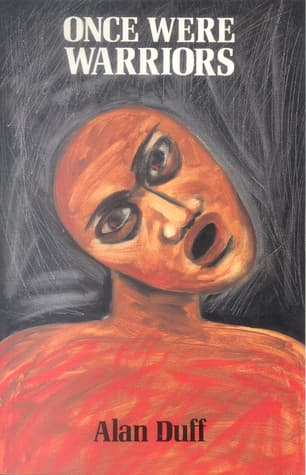
Alan Duff (1990)
Genre
Historical Fiction
Reading Time
240 min
Key Themes
See below
Sign in to track this book
In the brutal, impoverished world of a Maori shantytown, Beth Heke must find the strength to transcend her husband's violence and the crushing despair of her community to forge a new path for her children.
The novel opens with Beth Heke waiting for her husband, Jake, to return home to their state house in a poverty-stricken Maori community in New Zealand. She prepares a meal, reflecting on their marriage and the constant cycle of violence and fleeting moments of tenderness. Jake arrives, already drunk and aggressive, immediately asserting his dominance. Their children, including the eldest, Nig, and the younger Boogie and Grace, are present, witnessing the tension. The scene quickly escalates into a verbal argument, which Beth attempts to defuse, but Jake's volatile temper is already ignited, foreshadowing the pervasive domestic abuse that defines their lives.
Following a perceived slight or challenge from Beth, Jake's anger boils over. He physically assaults Beth, beating her severely while the children are forced to witness the horrific event. This is not an isolated incident but a recurring nightmare for the Heke family. Beth endures the beating with a mixture of resignation and a deep, internal well of pain and defiance. The children are traumatized, some cowering, others like Nig, seething with a helpless rage. The violence further cements Jake's tyrannical control over the household, leaving Beth bruised and broken, both physically and emotionally, yet she still finds a way to care for her children.
Nig Heke, the eldest son, struggles with the constant violence at home and the lack of opportunity in his community. He is drawn to the allure of the Brown Fists, a local Maori gang that offers a sense of brotherhood, power, and identity absent from his fractured family life. He begins to spend more time with the gang, participating in their activities, which often involve drinking, fighting, and petty crime. His initiation into the gang represents a tragic but understandable escape from his home environment, providing him with a warped sense of purpose and belonging, even as it pulls him further into a cycle of violence.
Boogie Heke, another of Beth and Jake's sons, is a troubled youth who frequently gets into trouble with the police. After another incident, he is sent to a boys' home, a correctional facility. Initially, Boogie resists the discipline and structure, but under the guidance of the home's superintendent, Mr. Bennett, he begins to learn about his Maori heritage, including waiata (songs) and haka (dances). This environment, though restrictive, offers Boogie a chance at rehabilitation and a connection to his cultural roots, providing a stark contrast to the destructive influences of his home life and offering a glimmer of hope for his future.
Grace Heke, Beth and Jake's sensitive and artistic daughter, internalizes the family's suffering. She is a quiet observer of the violence and despair, finding solace in her writing and imagination. She is particularly close to her mother, Beth, and is deeply affected by her mother's pain. Grace's innocence is constantly under threat in their harsh environment, and she struggles to reconcile the love she feels for her family with the brutal reality of their lives. Her diary becomes her confidante, a place where she records her thoughts and feelings, a desperate attempt to make sense of the chaos around her.
Jake and Beth frequently visit the local pub, a central gathering place for their community. These outings often begin with a semblance of normalcy, but fueled by alcohol, Jake's aggression inevitably surfaces. He picks fights, insults Beth, and humiliates her in front of their friends and acquaintances. Beth endures these public displays of abuse with a mixture of shame and a hardened resolve, often trying to placate Jake to prevent further escalation. The pub scenes highlight the cyclical nature of their violence, the social acceptance of such behavior within their immediate circle, and Beth's increasing isolation despite being surrounded by people.
As the abuse continues, Beth begins to experience a slow but profound awakening. She starts to question the life she leads, the constant violence, and the future of her children. Memories of her own strong, proud Maori upbringing resurface, contrasting sharply with her current degraded existence. She observes the struggles of her children—Nig's descent into gang life, Boogie's institutionalization, and Grace's quiet despair—and a fierce desire to break the cycle begins to grow within her. This discontent marks a turning point, as Beth starts to contemplate a different path for herself and her family, even if she doesn't yet know what it entails.
The most harrowing event in the novel is the suicide of Grace Heke. After being sexually abused by her uncle, Grace, unable to bear the weight of her trauma and the overwhelming despair of her life, hangs herself. Her death is a brutal culmination of the family's dysfunction and the pervasive violence that has characterized their existence. Grace's suicide shatters the Heke family, forcing them to confront the devastating consequences of their choices and environment. It is a catalyst for Beth, solidifying her resolve to leave Jake and forge a new life for her remaining children, ensuring no more lives are lost to this darkness.
Grace's tangi (funeral) is a powerful and emotional event that brings together the wider Heke family and community. It is a time for mourning, but also for confrontation and reflection. Beth, grief-stricken but resolute, delivers a powerful speech, implicitly blaming Jake and the destructive lifestyle they've led for Grace's death. The tangi becomes a platform for Beth to voice her pain and her determination to change. The community, witnessing Beth's strength and the tragic outcome of their collective complacency, is deeply affected, leading to a palpable shift in the atmosphere and a nascent sense of accountability among some members.
Following Grace's funeral, Beth makes the agonizing but necessary decision to leave Jake. She gathers her remaining children who are still at home, packing their meager belongings. This act is not born of anger alone, but of a profound realization that staying with Jake would mean certain destruction for her and her children. It is a terrifying step into the unknown, but also an act of immense courage and self-preservation. Beth's departure symbolizes her breaking free from the cycle of abuse and her determination to reclaim her dignity and build a healthier future, even if it means starting from scratch.
After leaving Jake, Beth decides to return to her ancestral Maori lands, seeking solace and strength in her cultural heritage. She reconnects with her whanau (extended family) and the traditions she had left behind. This return is a journey of healing and rediscovery. She immerses herself in the values and customs of her people, finding a sense of belonging and identity that had been eroded by her life with Jake. This reconnection to her roots provides Beth with the spiritual and emotional sustenance she needs to rebuild her life and become a stronger, more resilient woman for her children.
Left alone in the state house, Jake is confronted with the emptiness of his life. His drinking intensifies, and he spirals into a deeper state of despair and self-pity. He struggles to understand Beth's departure and the loss of his family, though he rarely acknowledges his own role in their destruction. His isolation is profound, and the novel suggests that without Beth's presence, his existence is devoid of any real meaning or hope. Jake's fate is a stark warning about the destructive power of unchecked anger and the consequences of perpetuating a cycle of violence.
Beth, now living back on her ancestral lands, begins to establish a new life for herself and her children. She works hard, relying on the support of her whanau and her own inner strength. She encourages her children to embrace their Maori heritage and to pursue education and healthier paths. While the scars of their past remain, there is a palpable sense of hope and renewal. Beth's journey demonstrates the possibility of breaking free from cycles of abuse and poverty, and the importance of cultural identity and community in healing and building a better future.
Despite his mother's efforts to create a new life, Nig remains deeply embedded in the Brown Fists gang. His loyalty to the gang, which he sees as his family, supersedes his mother's pleas. The novel ends with Nig still caught in this dangerous lifestyle, highlighting the profound difficulty of escaping such environments. His story is a tragic reminder of the powerful grip of gang culture and the challenges faced by young Maori men seeking identity and belonging in a society that often offers them limited alternatives. His future remains uncertain, a stark contrast to the burgeoning hope in Beth's life.
In the concluding sections, Beth reflects on her arduous journey. She acknowledges the pain and loss but also celebrates her newfound strength and the resilience of her children. She understands that breaking the cycle of violence is an ongoing struggle, but she is now equipped with the tools of her heritage and the unwavering love for her family. The novel ends with Beth embracing her identity as a strong Maori woman, committed to raising her children with pride in their culture and a hope for a future free from the brutality of their past.
The Protagonist
Beth transforms from a long-suffering victim to a powerful, self-aware woman who breaks free from abuse and reclaims her cultural identity.
The Antagonist
Jake remains largely static, descending further into isolation and despair as his family leaves him, unable to break his cycle of violence.
The Supporting
Nig's arc shows his descent into gang life, becoming entrenched in a cycle of violence and loyalty that ultimately separates him from his mother's new path.
The Supporting
Boogie's arc depicts a positive transformation as he learns discipline and reconnects with his Maori heritage, offering hope for his future.
The Supporting
Grace's arc is tragically cut short; she symbolizes the ultimate cost of the family's cycle of violence and despair.
The Supporting
Mr. Bennett's role is primarily to facilitate Boogie's positive development, offering a stable and culturally affirming presence.
The Supporting
Mavis's arc remains largely unchanged, serving as a foil to Beth's eventual escape and highlighting the difficulty of breaking free.
The Mentioned
Uncle Bully's role is static, serving as the catalyst for Grace's tragic end.
The most prominent theme, domestic violence, is depicted in its rawest form through Jake's brutal assaults on Beth and the emotional trauma inflicted on their children. The novel unflinchingly shows the physical and psychological toll of abuse, the cycle of violence passed down through generations, and the societal acceptance that often enables it. Scenes like Jake beating Beth after a night at the pub, or the children witnessing these acts, highlight the pervasive nature of this violence within the Heke household and the wider community, illustrating how it strips individuals of their dignity and hope. Grace's tragic death is a direct consequence of this environment.
“Once were warriors, now we're just drunks.”
The novel explores the struggles of Maori people in contemporary New Zealand society, particularly the loss of traditional values and the subsequent social decay. The Heke family, living in a state house, represents a generation disconnected from their ancestral pride and traditions. Jake's violence and alcoholism can be seen as a manifestation of this cultural void. In contrast, Boogie's experience at the boys' home, where he learns waiata and haka, and Beth's eventual return to her ancestral lands, symbolize the potential for healing and empowerment through reconnecting with one's heritage. The title itself, 'Once Were Warriors,' laments the perceived decline from a proud past.
“We were a people of the land, now we're a people of the dole.”
The Heke family's life is deeply entrenched in poverty and social disadvantage, living in a state house in a community with limited opportunities. This theme highlights how socioeconomic factors contribute to the cycle of violence, alcoholism, and despair. The lack of jobs, education, and positive role models pushes young people like Nig towards gang life. The novel portrays how systemic issues perpetuate the struggles of marginalized communities, making it incredibly difficult for individuals to escape their circumstances. Beth's fight is not just against Jake, but against the crushing weight of poverty and its associated ills.
“This whole life of ours, it's a curse.”
Each character grapples with a search for identity and belonging. Jake finds a warped sense of power and identity through violence and dominance. Nig seeks belonging and brotherhood in the Brown Fists gang, which offers a sense of purpose and family absent at home. Boogie finds a healthier path to identity through reconnecting with his Maori culture at the boys' home. Beth's journey is ultimately about reclaiming her own identity as a strong Maori woman, separate from Jake's abuse. The novel suggests that a healthy identity, rooted in cultural pride and self-worth, is essential for breaking cycles of despair.
“He wanted to belong. He wanted to be somebody.”
Despite the overwhelming brutality, the novel ultimately emphasizes themes of resilience and hope, primarily through Beth's journey. Her decision to leave Jake after Grace's death and her subsequent return to her ancestral lands demonstrate immense courage and an unwavering spirit. The hope also manifests in Boogie's rehabilitation and reconnection with his culture. While the ending is not entirely optimistic, with Nig still in gang life, Beth's ability to break free and forge a new path for her remaining children provides a powerful message about the human capacity to endure, heal, and strive for a better future, even in the face of profound adversity.
“I was once a warrior, and I will be again.”
The narrative voice shifts between different characters, offering varied insights.
The novel employs a shifting first-person narrative, primarily focusing on Beth's internal thoughts and experiences, but also dipping into the perspectives of Jake, Nig, Boogie, and Grace. This allows the reader to gain a deeper understanding of each character's motivations, struggles, and emotional states. For instance, Jake's internal monologues reveal his insecurities and justifications for his violence, while Grace's diary entries provide a poignant insight into her despair. This technique creates a multifaceted portrait of the family's dysfunction and the impact of their environment on each individual.
The Heke family's home symbolizes their entrapment and social decay.
The state house where the Heke family lives serves as a powerful symbol of their poverty, entrapment, and the broader social decay within their community. It is a place of constant violence, despair, and broken dreams, reflecting the cycle of abuse that defines their lives. The house is not a sanctuary but a cage, a physical manifestation of their lack of upward mobility and the systemic issues that confine them. Beth's eventual departure from the state house symbolizes her breaking free from this cycle and seeking a new, healthier environment.
The gang symbolizes both a destructive escape and a distorted sense of belonging.
The Brown Fists gang, which Nig joins, symbolizes the allure of belonging and power for marginalized youth, but also the destructive path it leads to. For Nig, the gang offers a distorted sense of family, identity, and respect, filling the void left by his dysfunctional home. However, it also represents a cycle of violence, crime, and limited future prospects. The gang highlights the lack of positive alternatives available to young Maori men, and how desperation can lead to embracing harmful lifestyles in the search for identity and purpose.
Beth's memories of her Maori upbringing contrast with her current life.
The novel frequently uses flashbacks and Beth's internal memories of her traditional Maori upbringing. These recollections serve as a stark contrast to her current life of poverty and abuse with Jake. They highlight the cultural pride, strength, and community values that she once knew, emphasizing the loss of identity and dignity she now experiences. These memories are not just nostalgic; they become a source of strength and inspiration for Beth, motivating her to seek a better future and reconnect with her heritage, ultimately fueling her decision to leave Jake.
The title serves as an ironic lament for a lost past and a call for future strength.
The title itself, 'Once Were Warriors,' functions as a significant plot device, acting as an ironic lament for the perceived loss of pride, dignity, and traditional warrior spirit within the contemporary Maori community. It suggests a decline from a noble past to a present characterized by social problems, violence, and despair. However, it also serves as a call to action, particularly for Beth, to reclaim that warrior spirit in a new, modern context – not through physical combat, but through resilience, cultural reconnection, and the fight for a better future for her children. The title encapsulates the central themes of cultural identity, loss, and the potential for resurgence.
“Them was the days, eh? Before. Before the booze, before the beatings, before the kids, before...”
— Beth Heke reflects on her past and the unraveling of her life.
“What's the good of a man if he can't look after his family? What's the good of a man if he just drinks and drinks and drinks?”
— Beth confronts Jake about his alcoholism and neglect.
“We were once a nation of warriors. Now we're a nation of drunks.”
— A poignant observation on the decline of Maori identity and pride.
“You think you're so tough, eh? You ain't tough. You're just a bully.”
— Grace Heke confronts her father, Jake, about his abusive behavior.
“The pain was like a fist in her gut, twisting and turning, tearing her insides apart.”
— Beth experiences intense emotional pain and grief.
“He knew he was a failure, a waste of space, a drunken, violent Maori.”
— Jake Heke's self-loathing and internal struggle.
“You can't just keep running away from your problems, Mum. You gotta face 'em.”
— Nig Heke advises his mother, Beth, to confront their family issues.
“Somehow, she knew she had to break free. For her kids. For herself.”
— Beth's growing determination to escape her abusive situation.
“The street was their home, the gang their family.”
— The harsh reality of the children's lives and their search for belonging.
“He didn't just hit her with his fists, he hit her with his words too.”
— Describing the dual nature of Jake's abuse, both physical and verbal.
“The past was a ghost that haunted them, a shadow that followed them everywhere.”
— The lingering impact of past traumas on the Heke family.
“She wanted to scream, to rage, to tear something apart. But she just sat there, numb.”
— Beth's internal struggle with suppressed emotions.
“It was a fight for survival, every single day.”
— A general reflection on the daily struggles faced by the family.
“The silence in the house was louder than any shouting.”
— The oppressive atmosphere in the Heke home during periods of tension.
Ready to see how well you understood this book? Take our interactive quiz with 10 questions.

Alan Duff is a celebrated Māori author best known for his powerful 1990 novel, Once Were Warriors. This seminal work, which depicts the struggles of a Māori family in urban New Zealand, was adapted into a critically acclaimed film. Duff's writing often explores themes of identity, cultural conflict, and social issues within Māori communities.