“Suddenly Laura knew what it was. It was a house. The house was a dugout in the bank of Plum Creek.”
— Laura's first sight of their new home by Plum Creek.

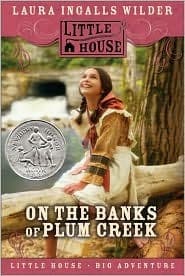
Laura Ingalls Wilder (1937)
Genre
Children's / Historical Fiction / Young Adult
Reading Time
358 min
Key Themes
See below
Sign in to track this book
Laura Ingalls's childhood in Minnesota, from a sod house on Plum Creek to the dangers of blizzards and grasshopper plagues, shows family strength and the comfort of Pa's fiddle on the frontier.
The story begins with the Ingalls family—Charles (Pa), Caroline (Ma), Mary, Laura, and baby Carrie—leaving their Kansas home. They pack their belongings into their covered wagon, pulled by Pet and Patty, and begin a long journey west. Pa searches for land he can farm successfully. They cross prairies, facing different landscapes and challenges, including difficult river crossings and unpredictable weather. Laura and Mary enjoy the open road, often riding beside the wagon, watching nature and playing with Jack, their bulldog. Their goal is Minnesota, where Pa hopes to find good land near a town.
Arriving in Walnut Grove, Minnesota, the Ingalls family finds a small dugout house built into the bank of Plum Creek. This sod house, with its dirt floor and walls, is a new experience for Laura and Mary. Ma makes it as comfortable as possible. They quickly adjust to life by the creek, with Pa working hard to prepare land for their new farm. Laura and Mary spend their days exploring the creek, seeing many fish and the natural beauty. This first home serves them while Pa plans for a more permanent house, showing their ability to adapt.
As soon as he can, Pa begins building a proper house for his family. He cuts trees, hauls lumber from town, and carefully builds a two-room wooden house. This new home is much better than the sod dugout, with a real floor, strong walls, glass windows that let in light, and a hinged door. Laura and Mary are happy with the new house, especially the windows, which let them see outside without going out. Building the house shows Pa's hard work and his wish to provide a stable, comfortable home for his family, despite frontier difficulties.
With the new house built, Laura and Mary start attending school in Walnut Grove. This is an important step for them, as Ma had taught them before. They meet new children, including Nellie Oleson, a wealthy and often snobbish girl who quickly becomes Laura's rival. School introduces them to formal learning, new games, and the challenges of fitting in. Laura, with her lively nature, sometimes struggles with the strict rules and Nellie's teasing, but she also enjoys learning and making new friends. The school shows the growing community life of Walnut Grove.
Life by Plum Creek offers many adventures. Laura and Mary spend hours fishing in the creek, catching minnows and larger fish, which become a valuable part of their food. They explore the banks, watching wildlife and the changing seasons. One time, Laura falls into the creek and almost drowns, showing the dangers and excitement of their outdoor life. These experiences help them become independent and connect deeply with nature. The creek itself becomes important in their daily lives, providing both food and endless fascination for the girls.
The first winter in Minnesota is very harsh. Heavy snowfalls and strong blizzards isolate the Ingalls family, making travel impossible. They must save their food and wood, relying on their planning and strength. Pa works hard to keep the house warm and the family safe, often digging tunnels through the snow to reach the barn. Laura and Mary experience the beauty and danger of a real frontier winter, learning the importance of being ready and the warmth of family during hard times. The long, cold months test them but also strengthen their bonds.
Just as Pa's first wheat crop is ready, a huge plague of grasshoppers arrives. Millions of insects darken the sky and eat every green plant, including the Ingalls' entire wheat field. This event is a terrible blow to the family; their whole year's work and hopes for the future are gone in days. The children watch in horror as their livelihood disappears. The grasshopper plague forces the family to face severe financial hardship and uncertainty, making their struggle for survival even harder.
After the grasshopper destruction, the Ingalls family faces severe financial problems. Pa has to leave the farm and find work wherever he can, including cutting hay many miles away. Ma also helps by taking in laundry and sewing. Even Laura and Mary help by twisting hay into 'buffalo chips' for fuel and doing other chores. The whole family works together, showing their strong work ethic and determination to overcome problems. This period highlights the harsh realities of frontier farming and how family members depend on each other in a crisis.
The next spring, just as the family starts to recover and Pa has planted another crop, the grasshoppers return. This second wave brings renewed despair, as it seems their efforts will again be wasted. The children are especially sad, having seen the previous year's destruction. The constant threat of the grasshoppers shows the unpredictable and often cruel nature of frontier life, where natural disasters can undo years of hard work quickly. This event tests the family's resolve to its limits, making them consider their future in Walnut Grove.
Despite the ongoing hardships, the Ingalls family keeps their spirit. They continue to find joy in simple things: Pa's fiddle music, Ma's stories, and the warmth of their family bonds. They celebrate Christmas, even with small gifts, and value their time together. The grasshoppers eventually lay their eggs and die, leaving the land damaged but signaling an end to the immediate threat. The family stays on their farm, determined to keep going. The book ends with them facing an uncertain future but united in their resilience and love, showing the pioneer spirit.
The Protagonist
Laura learns the realities of hard work, perseverance, and the importance of family, growing more mature and understanding of her parents' struggles.
The Supporting
Pa's unwavering determination and resilience are tested by repeated natural disasters, but he never gives up on his dream of providing for his family.
The Supporting
Ma consistently demonstrates quiet strength and adaptability, maintaining a sense of home and normalcy despite constant upheaval and hardship.
The Supporting
Mary maintains her gentle and studious nature, providing a steady presence in the family amidst their challenges.
The Supporting
Carrie remains a baby, representing innocence and the family's hopes for the future.
The Supporting
Jack remains a loyal and protective companion until his natural passing, a quiet but significant presence.
The Supporting
Nellie remains a static character, primarily serving as an antagonistic force for Laura.
The Mentioned
Not applicable, as he is only mentioned.
The Ingalls family consistently shows an ability to adapt and keep going through big challenges. From building a sod house to a permanent home, from harsh blizzards to the grasshopper plague, their spirit stays strong. Pa's constant hope, Ma's quiet strength, and the children's ability to find joy in simple things all show this resilience. For example, after grasshoppers destroy their wheat crop, Pa immediately finds other work, and the whole family works together, refusing to give up.
“There was no food in the house, except what Ma could make out of flour. But Pa was cheerful. He said they would get along somehow.”
Nature is a powerful and dual force in the book. Plum Creek is a source of beauty and food, providing fish and a place for the girls to play. The Minnesota prairies offer beautiful scenery. However, nature also brings big challenges: severe blizzards that isolate the family, the danger of the creek, and the grasshopper infestations that repeatedly destroy their crops. This theme shows how pioneers lived closely, often harshly, with their environment, relying on its gifts but vulnerable to its dangers.
“The air was full of grasshoppers. They were everywhere, thick as snowflakes in a blizzard.”
At its heart, the story emphasizes the strength and interdependence of the Ingalls family. In hard times, they rely on each other for emotional support, practical help, and companionship. Pa's fiddle music and Ma's stories give comfort, while Laura and Mary learn to help with chores. The new community of Walnut Grove also starts to play a role, with the school offering social interaction and the town providing resources, even if some interactions (like with Nellie Oleson) are difficult. The family unit is shown as the main source of love, security, and persistence.
“They were all together, and that was the main thing. The little house was home, and they were happy in it.”
The book clearly shows childhood experiences on the frontier, mainly through Laura's eyes. It captures the wonder of exploring new places, the excitement of going to school for the first time, and the challenges of making friends and dealing with rivals like Nellie Oleson. However, it also shows the responsibilities placed on children, who must help with chores and understand the family's struggles. Laura's journey involves learning about hard work, disappointment, and the realities of adult life, while keeping her childlike curiosity and adventurous spirit.
“Laura loved to run and jump and shout. She loved to feel the wind blowing in her hair, and the sun shining on her face.”
The ongoing physical and metaphorical journey of the family.
The story begins with the Ingalls family's physical journey from Kansas to Minnesota, representing their continuous search for a better life and new opportunities. This literal journey sets the stage for their emotional and developmental journey as they encounter new challenges, adapt to new environments, and grow as individuals and as a family. The constant movement and resettlement underscore the transient nature of pioneer life and the family's adaptability, always looking forward to the next horizon.
The grasshopper plague and blizzards as forces driving plot and character development.
Natural disasters, particularly the devastating grasshopper infestations and severe blizzards, serve as major catalysts for the plot. They create immense conflict, directly threatening the family's survival and economic stability. These events force the characters to make difficult decisions, push their resilience to the limit, and highlight their resourcefulness. The grasshopper plague, in particular, is a turning point, plunging the family into deep debt and forcing Pa to seek work far from home, thereby advancing the narrative and deepening the family's struggle.
A symbol of hope, comfort, and the enduring human spirit.
Pa's fiddle is a recurring motif that symbolizes hope, comfort, and the ability to find joy amidst hardship. Whenever the family faces despair or loneliness, Pa's music lifts their spirits, providing solace and reminding them of beauty and connection. It represents the non-material aspects of life that sustain the human spirit, even when material possessions are scarce or lost. The fiddle's music is a constant, reassuring presence, binding the family together and embodying their enduring optimism.
Representing temporary adaptation versus permanent settlement and progress.
The two houses the Ingalls family inhabits on Plum Creek—first the temporary sod dugout, then the more permanent wooden house Pa builds—serve as symbolic plot devices. The sod house represents their initial, humble adaptation to the frontier, a raw and immediate solution. The wooden house, with its glass windows and hinged door, symbolizes progress, stability, and Pa's commitment to creating a lasting home. The contrast between the two dwellings highlights the family's journey from bare survival to establishing roots and striving for a more comfortable life.
“Suddenly Laura knew what it was. It was a house. The house was a dugout in the bank of Plum Creek.”
— Laura's first sight of their new home by Plum Creek.
“The wolves were all around the house, and Laura could hear them breathing and padding softly on the earth.”
— A frightening night with wolves surrounding their dugout.
“Laura lay still a long time, listening to the creek. She could hear it gurgling and whispering to itself over the stones.”
— Laura enjoying the peaceful sounds of Plum Creek.
“The grasshoppers were coming! They were a cloud, a storm, a living wall of ravenous, jumping, flying horror.”
— The family's terrifying realization as the grasshopper plague descends.
“Pa's fiddle sang of home and comfort and everything good, and Laura felt warm and safe.”
— Pa playing his fiddle, bringing comfort during difficult times.
“It was a wonderful, beautiful day, and Laura was so glad to be alive.”
— Laura's simple joy in a beautiful day by the creek.
“The wind was singing a mournful song now, and the prairie grasses bowed and shivered.”
— Describing the prairie wind before a storm or during a somber moment.
“Ma always said that a penny saved was a penny earned, and Pa always said that money was round and made to roll.”
— Contrasting Ma and Pa's views on money and thrift.
“Laura looked at the creek and thought how big it was, and how small she was, and how much there was to see and know in the world.”
— Laura's moment of contemplation about the world's vastness.
“They had lost everything to the grasshoppers, but they still had each other.”
— The family's resilience after the grasshopper plague.
“Mary could not see the beautiful colors, but Laura told her all about them.”
— Laura describing the world to her blind sister, Mary.
“The little house was still there, but it was lonely. No smoke came from the chimney, and the door was shut.”
— The Ingalls leaving their dugout home for a time.
“She wanted to know all about everything, and she would ask questions and ask questions until Ma or Pa answered her.”
— Describing Laura's inquisitive and curious nature.
“Pa always said a man could do anything if he just set his mind to it.”
— Pa's encouragement and belief in determination.
Ready to see how well you understood this book? Take our interactive quiz with 10 questions.
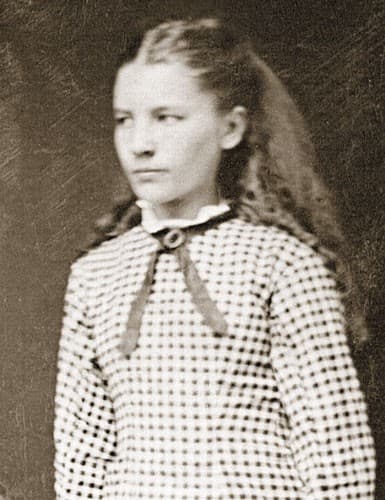
Laura Elizabeth Ingalls Wilder was an American writer. The Little House on the Prairie series of children's books, published between 1932 and 1943, were based on her childhood in a settler and pioneer family.

Dan Gemeinhart
4.5

Kate O'Hearn
4.4

Jeanne Birdsall
4.4

Jen Wang
4.4

Wendelin Van Draanen
4.3

John Marsden
4.3

Chris Van Allsburg
4.3
Jennifer A. Nielsen
4.2