“I see dead people. But then, by God, I do something about it.”
— Odd's internal monologue about his ability and his active role in helping the dead.

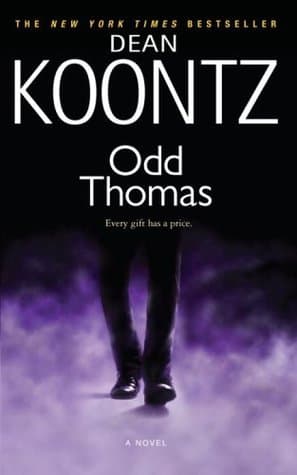
Dean Koontz (2003)
Genre
Thriller / Fantasy / Mystery
Reading Time
9-10 hours
Key Themes
See below
Sign in to track this book
A short-order cook who sees the dead must race against time to prevent a disaster in his desert town, guided by silent specters and the love of his life, before a mysterious stranger unleashes evil.
Odd Thomas, a short-order cook in Pico Mundo, California, sees spirits of the dead. These 'shades' are silent but indicate coming violence. On August 14th, Odd meets a disturbing man at the Pico Mundo Grill, whom he calls 'Fungus Man.' This man, later identified as Robert Robertson, has many poltergeists, or 'bodachs,' around him. Bodachs appear where there is great suffering and death. Odd senses danger. He finds a ripped calendar page for August 15th in Robertson's wallet, suggesting a disaster is near. He tells his girlfriend, Stormy Llewellyn, and Police Chief Wyatt Porter about his concerns.
Odd feels a strong sense of dread and discreetly follows Robertson, learning his name from a mall security guard. The number of bodachs around Robertson is unheard of, signaling a huge atrocity. Odd finds Robertson's motel room, filled with disturbing books on mass murderers and weapons. He realizes Robertson is not just a sign of evil but an active participant, planning a massacre for August 15th. The scale of the coming disaster overwhelms Odd, but his resolve to protect Pico Mundo grows.
Odd tells Chief Porter about Robertson and his findings, but Porter cannot arrest him without concrete evidence. Odd also talks to his friend, the blind psychic, Karla Sanchez, who senses a deep darkness linked to Robertson and confirms Odd's premonitions. Karla gives cryptic warnings, stressing that Odd must trust his abilities. These talks show the seriousness of the situation and Odd's isolation, as only a few understand his gift.
Feeling the pressure of the coming doom, Odd seeks comfort and a place to plan. He finds an unexpected ally in 'Elvis,' a wealthy, reclusive Elvis Presley impersonator who lives in a heavily secured mansion. Elvis knows about Odd's abilities and offers him sanctuary and a safe space to think. This friendship gives Odd emotional support and a break from the constant psychic bombardment, allowing him to process the terrifying implications of Robertson's plans.
Through his observations and interactions with the dead, Odd realizes that Robert Robertson is not alone. He discovers that Robertson has accomplices, indicating a more organized attack than first thought. A clue comes from the ghost of a murder victim, who leads Odd to a bowling alley where he sees Robertson meeting other suspicious people. This discovery raises the stakes, changing the threat from one deranged individual to a coordinated act, making prevention even harder.
On the morning of August 15th, as predicted, the events unfold at the Pico Mundo Mall. Robertson and his accomplices, armed with automatic weapons, begin their assault. Odd, who returned to the mall to warn people, finds himself in the middle of the chaos. He uses his ability to see the dead to navigate the tragedy, guiding survivors to safety and giving information to Chief Porter. The scene is one of pandemonium, with gunfire, screams, and many bodachs feeding on fear and suffering.
Amidst the carnage, Odd acts with courage. He confronts several gunmen, using his quick thinking to disarm them or create diversions, saving many lives. He is injured but pushes through the pain, driven by a desire to protect the innocent. His ability to see the dead helps him anticipate attackers' movements and identify hidden threats, making him an important, unofficial asset in the desperate fight to reduce the massacre's toll. He becomes a source of hope in the overwhelming darkness.
Odd finally confronts Robert Robertson, the massacre's planner, in a tense showdown. Robertson reveals his twisted philosophy, believing humanity is a plague and that he is speeding up a cleansing. He sees himself as a prophet of destruction, driven by a nihilistic view. Odd, despite his fear and injuries, stands firm against Robertson's ideas, representing the human spirit's resilience against such evil. This confrontation is a battle of opposing worldviews.
In a heartbreaking moment, as Odd is gravely wounded and vulnerable, Stormy Llewellyn, his girlfriend, saves him. She steps between Odd and a fatal attack from one of the gunmen, taking the bullet meant for him. Her sacrifice devastates Odd, leaving him with grief and guilt amidst the ongoing chaos. This act of selfless love shows their deep bond and motivates Odd to continue fighting for the living.
The massacre ends, with Robertson and his accomplices dead or caught. The mall is devastated, and Pico Mundo is scarred. Odd, shattered by Stormy's death, grapples with his grief. Chief Porter, affected by the events, offers Odd comfort and support, acknowledging his courage. Despite the loss, Odd finds hope that Stormy's spirit will guide him, strengthening his commitment to use his gift to help others and prevent future tragedies.
The Protagonist
Odd begins as a reluctant hero burdened by his gift, but through the events of the novel, he embraces his role, finding strength and purpose even in profound grief.
The Supporting
Stormy remains a steadfast source of love and strength for Odd, ultimately making the ultimate sacrifice to save his life.
The Supporting
Chief Porter's trust in Odd deepens, solidifying their unique partnership in fighting crime and preventing disaster.
The Antagonist
Robertson remains an unrepentant force of evil, driven by his twisted ideology until his demise.
The Supporting
Elvis serves as a consistent, albeit eccentric, source of support and friendship for Odd throughout the ordeal.
The Supporting
Terri remains a steadfast and kind presence, representing the innocence Odd fights to preserve.
The Supporting
Karla provides crucial, albeit mysterious, guidance to Odd, confirming his premonitions and offering spiritual insight.
The Supporting
Danny remains a symbol of innocence and vulnerability, reinforcing Odd's protective instincts.
The novel explores the struggle between good and evil, shown by Odd Thomas and Robert Robertson. Odd, despite his gift, shows humility, compassion, and a selfless desire to protect the innocent. Robertson represents pure, nihilistic evil, believing in humanity's corruption and advocating for its destruction. The 'bodachs' as manifestations of evil that feed on suffering further show how malevolence has a tangible, parasitic quality. The mall climax is a direct confrontation of these two forces, with Odd's heroism contrasting the attackers' depravity.
“I am not a hero. I am just a man who is trying to do his best.”
Love, especially the bond between Odd and Stormy, is a central theme. Their relationship is a pure, unconditional love that gives Odd strength, purpose, and a reason to fight. Stormy's belief in Odd and her sacrifice to save his life show the selfless nature of true love. This theme extends beyond romantic love to Odd's compassion for strangers and his willingness to risk everything for his community, showing love as a powerful force against darkness and despair.
“Stormy, my love, my life, my heart, my soulmate, my everything.”
Odd's ability to see the dead is both a gift and a heavy burden. While it helps him prevent tragedies and help the deceased find peace, it also isolates him, exposes him to constant suffering, and puts him in danger. He struggles with this responsibility, often feeling overwhelmed by knowledge of coming doom. The story explores how Odd deals with his perception, learning to trust his instincts and accept his role, not as a chosen hero, but as someone who 'does his best' with his situation. His journey is about accepting this responsibility.
“The dead don't talk. I don't know why. But they do try to communicate, with a short-order cook in a small desert town serving as their reluctant confidant.”
The story subtly explores the tension between predetermined fate and individual choice. Odd often sees glimpses of future events, suggesting some inevitability, especially with the calendar page for August 15th. However, his actions throughout the novel show a belief in free will. His efforts to intervene, warn others, and fight are acts of defiance against a seemingly fixed destiny. The story suggests that while some events may be fated, individual courage and choice can alter outcomes or lessen suffering, giving meaning to the struggle.
“I can see the past and the future, but I can't change it. Or can I?”
Odd's supernatural gift to perceive spirits and malevolent entities.
Odd's ability to see 'shades' (the lingering spirits of the dead) and 'bodachs' (malevolent entities drawn to impending violence) is the central plot device. The shades are silent but point Odd toward people or places of danger, acting as crucial clues. The bodachs amplify the sense of dread and indicate the scale of the impending catastrophe. This device drives the entire plot, as Odd's premonitions and observations of these entities are the primary means by which he uncovers Robertson's plan and attempts to prevent the massacre, placing him in direct conflict with the unseen forces of evil.
A ripped calendar page signifying a specific date of disaster.
The ripped calendar page for August 15th, found in Robert Robertson's wallet, serves as a powerful and chilling plot device. It provides Odd with a concrete, albeit cryptic, deadline for the impending catastrophe. This object creates immediate suspense and urgency, focusing Odd's investigation and escalating the narrative tension. It acts as a ticking clock, emphasizing the limited time Odd has to uncover the full extent of the threat and warn the authorities, driving his frantic efforts to prevent the predicted doom.
The story is told entirely from Odd Thomas's unique perspective.
The novel is narrated in the first person by Odd Thomas himself. This device allows readers direct access to Odd's thoughts, fears, and observations, immersing them in his unique perception of the world. It builds a strong empathetic connection with the protagonist, highlighting his humility, humor, and the immense burden of his gift. The narrative voice also allows for a blend of mundane observations with profound supernatural insights, creating a distinctive tone that is both relatable and extraordinary, making the fantastic elements more believable through his grounded perspective.
“I see dead people. But then, by God, I do something about it.”
— Odd's internal monologue about his ability and his active role in helping the dead.
“Sometimes the best way to defeat a demon is to just walk away.”
— Odd reflecting on the nature of certain evils and the futility of direct confrontation.
“The greatest evil is not the one that we don't know, but the one that we refuse to see.”
— Odd's realization about the town's complacency and denial regarding impending danger.
“I may not be a man of God, but I am a man who believes in good.”
— Odd explaining his moral compass despite his unusual abilities and lack of conventional faith.
“Fear can be a terrible thing, but it can also be a powerful motivator.”
— Odd considering the role of fear in his actions and the actions of others.
“Silence is not always golden. Sometimes it's just plain yellow.”
— Odd's wry observation about people who keep quiet when they should speak up.
“There are no coincidences, only the inevitable.”
— Odd's perspective on the interconnectedness of events and his destiny.
“Love is not an emotion; it is a state of being.”
— Odd's profound understanding of his relationship with Stormy Llewellyn.
“Some truths are too terrible to be believed, even when they are staring you in the face.”
— Odd's frustration with the police chief's disbelief in the face of mounting evidence.
“Even in the darkest times, there is always a flicker of hope.”
— Odd's enduring optimism despite the grim circumstances he often finds himself in.
“The world is full of wonders, even the ones that scare you.”
— Odd's acceptance of the strange and terrifying aspects of his reality.
“Sometimes, the smallest act of kindness can change the course of destiny.”
— Odd's belief in the ripple effect of good deeds, however minor.
“The only thing worse than a ghost is a ghost who doesn't know he's dead.”
— Odd's humorous yet poignant observation about a particular type of spirit he encounters.
Ready to see how well you understood this book? Take our interactive quiz with 10 questions.
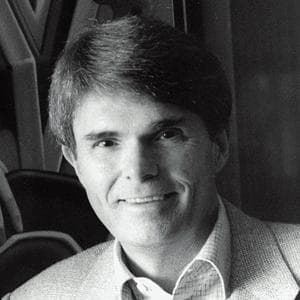
Dean Koontz is a prolific American author best known for his suspenseful thrillers and horror novels. His works often blend elements of the supernatural, science fiction, and detective fiction, exploring themes of good versus evil and the human condition. Notable books include 'Life Expectancy,' 'The Bad Place,' and 'Strangers,' which have garnered international acclaim and bestseller status.







