“It is much easier to be brave if you do not know everything.”
— Annemarie reflects on bravery and ignorance during the Nazi occupation.

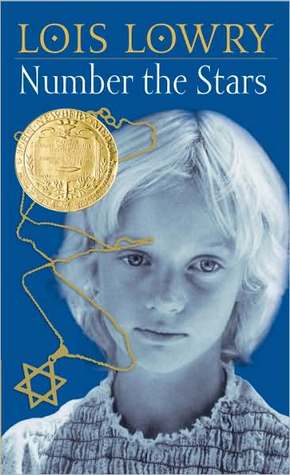
Lois Lowry (1989)
Genre
Children's / Historical Fiction / Young Adult
Reading Time
150 min
Key Themes
See below
Sign in to track this book
In Nazi-occupied Denmark, a young girl named Annemarie outwits soldiers and goes on a dangerous journey to help her best friend, Ellen, escape relocation.
Ten-year-old Annemarie Johansen and her best friend, Ellen Rosen, race through Copenhagen, Denmark, and two German soldiers stop them. The soldiers ask why they are running and where they are going. Annemarie feels fear and defiance. This incident reminds them of the Nazi occupation since 1940. Food is rationed, and they live with constant watchfulness. Annemarie's younger sister, Kirsti, is often grumpy because of shortages. Their parents try to keep things normal despite the German forces. The encounter with the soldiers leaves both girls shaken. It hints at the dangers they will soon face.
One evening, the Johansen family gets news from Peter Neilsen, a Danish Resistance member and Annemarie's older sister Lise's former fiancé. He tells them the Nazis plan to move all Jews in Denmark, including the Rosens, soon. This means sending them to concentration camps. The news panics the family, especially Mrs. Johansen, who worries about her friends, the Rosens. Annemarie hears parts of the conversation. She understands the grim reality of what will happen. The Rosens, being Jewish, are in danger. The Johansens know they must act fast to protect them.
The Nazis begin rounding up Jewish families. Mr. and Mrs. Johansen decide to take Ellen Rosen into their home to protect her. Ellen's parents, Mr. and Mrs. Rosen, will hide separately and meet them later. To hide Ellen, she must pretend to be Lise Johansen, Annemarie's deceased older sister. Ellen must remove her Star of David necklace. That night, German soldiers raid the Johansen apartment, looking for Jewish families. Mr. Johansen cleverly stops their suspicions. He shows them a photo album, pointing to a dark-haired baby picture of Lise. He says it is Ellen, even though Ellen has lighter hair. This convinces the soldiers the girls are sisters.
To protect Ellen further, Mrs. Johansen takes the girls to her brother, Henrik, who lives on a farm by the sea in Gilleleje. They travel by train. Annemarie is nervous, checking if Ellen remembers her new identity. Upon arrival, Uncle Henrik, a fisherman, greets them. He lives alone in a small, rustic house. The peaceful setting by the sea first brings relief. But Annemarie soon realizes the calm is a cover. Henrik's home often helps those escaping the Nazis. The girls' presence is part of a larger, more dangerous plan.
Uncle Henrik says their Great-aunt Birte has died, and a funeral will be at his house. Annemarie knows this is a lie; she has never heard of a Great-aunt Birte. But she stays quiet, understanding the need for secrecy. Many guests arrive, including Peter Neilsen and Mr. and Mrs. Rosen, hidden among the mourners. The gathering is tense and somber, but it is no ordinary funeral. It is a secret meeting of Resistance members and a cover for Jewish refugees to escape. Annemarie watches the adults. She senses the seriousness without fully understanding the details, especially when Peter reads from the Bible.
During the 'funeral' gathering, German soldiers arrive at Uncle Henrik's house without warning. They ask why so many people are there. Mrs. Johansen, calm, explains they are mourning Great-aunt Birte. The soldiers are suspicious but find no clear evidence of wrongdoing. They leave. After they go, Peter Neilsen gives Annemarie a small, wrapped package and instructions: she must deliver it to Uncle Henrik on his boat, the Ingeborg, if her mother does not return by a certain time. He says the package is important for the escape.
After the 'funeral,' Peter leads the Jewish families, including Ellen's parents, into the dark woods towards the coast. Annemarie, Kirsti, and Mrs. Johansen are left alone. Hours later, Mrs. Johansen tries to guide the Rosens and others to Henrik's boat. She falls and hurts her ankle on the way back. She gives Annemarie the package Peter gave her earlier. She says it contains a handkerchief for Uncle Henrik. She tells Annemarie to run through the woods to the boat. Annemarie is scared but determined. She hides the package in a basket and sets off alone on the dangerous path, knowing many lives depend on her.
Annemarie hurries through the dark, winding path towards the harbor. Four German soldiers and their dogs stop her. They question her aggressively, asking what she is doing out alone and what is in her basket. Annemarie remembers her father's advice to act like a silly, empty-headed girl. She pretends to be a simple farm girl taking lunch to her uncle. The soldiers are suspicious. They open her basket and search it, finding only bread and cheese. They let her pass. The encounter is terrifying. Annemarie is glad they did not find the hidden package at the bottom of the basket, which is important for the escape.
Annemarie reaches Uncle Henrik's boat, the Ingeborg, and delivers the package to him. She is relieved but tired. She returns home to find her mother safe, but with a badly sprained ankle. Later, Uncle Henrik explains the handkerchief's real purpose. It had a chemical to make the Nazi dogs' noses unable to smell the hidden Jewish passengers in the boat. This allowed the refugees to be smuggled safely to Sweden, a neutral country. It saved their lives from the Nazis. Annemarie understands her bravery.
Years pass, and the war ends. Denmark is free. The Johansens return to normal life. Annemarie learns more about the Resistance and what happened to those involved. She finds out Peter Neilsen was captured and executed by the Nazis for his part in the Resistance. Back in their apartment, Annemarie opens Lise's old trunk and gets Ellen's Star of David necklace, which she had hidden. She cleans it, remembering her best friend. She decides to wear it until Ellen can return to Denmark. It is a symbol of their lasting friendship, the courage shown, and the hope for a future reunion.
The Protagonist
Annemarie transforms from a relatively innocent child to a courageous and resilient young girl, understanding the profound sacrifices made for freedom.
The Supporting
Ellen goes from a carefree child to a refugee in hiding, facing the threat of extermination, before escaping to safety.
The Supporting
She demonstrates unwavering courage and resourcefulness in protecting her family and Jewish refugees, embodying the spirit of the Danish Resistance.
The Supporting
He maintains a steadfast and protective presence, using his intelligence to shield his family and Ellen from danger.
The Supporting
Kirsti remains largely unchanged, symbolizing the innocence that the adults strive to protect amidst the war's horrors.
The Supporting
He consistently acts as a reliable and courageous figure in the Resistance, maintaining his quiet strength throughout the dangerous operations.
The Supporting
He remains a steadfast and self-sacrificing Resistance fighter, ultimately paying the highest price for his bravery.
The Mentioned
Her posthumous revelation as a Resistance fighter inspires Annemarie and deepens the family's understanding of their past sacrifices.
Courage is a main theme, shown by the Johansen family and the Danish Resistance. Annemarie's bravery in delivering the package, Mrs. Johansen's calm when soldiers confront her, and Uncle Henrik's smuggling all show courage in danger. The book shows that courage means acting even when afraid. The nation's effort to save its Jewish population also shows a unique form of national resistance.
“It is much easier to be brave if you do not know everything. And sometimes, it is better not to know everything.”
The strong bond between Annemarie and Ellen is the story's emotional core. Annemarie's loyalty to Ellen helps her overcome fears and do dangerous things. The Johansen family risks their lives to protect the Rosens. This shows the power of friendship and family love. This theme extends to the loyalty of the Danish people to their Jewish friends, showing a community's commitment to human dignity.
“I will wear it until Ellen is home again... I will keep it safe.”
Annemarie loses her innocence throughout the novel. She faces the realities of war, lies, and death, which makes her grow up faster. She is at first unaware of the full danger. Her experiences, especially the 'funeral' and her run through the woods, make her understand the situation's seriousness and the sacrifices made. Her ability to act bravely despite fear shows her move from childhood to a more grown-up understanding of the world.
“It was odd, Annemarie thought, how alive Mama sounded, how she had made the world seem normal and safe when they were with her, even now, with the soldiers in the house.”
The book contrasts the evil of the Nazi regime with the goodness of the Danish people. The soldiers are an oppressive force. The Danish Resistance and ordinary citizens show compassion, selflessness, and the fight for justice. The story explores how ordinary people resist evil through kindness, bravery, and defiance. They do this even at great personal risk. It shows that good can win through group action.
“They are the Redcoats, Annemarie thought with a giggle. She had been told by her mother that the Redcoats were the enemy soldiers in a long-ago war. Now, it was the Germans.”
Represents Jewish identity, faith, and the threat of persecution.
Ellen's Star of David necklace is a powerful symbol. Initially, it represents her Jewish identity and faith, which she must hide to survive. When Annemarie keeps it safe for Ellen, it transforms into a symbol of their enduring friendship, a promise of Ellen's return, and a reminder of the persecution Ellen faced. Its hiding and eventual retrieval by Annemarie underscore the themes of identity, protection, and the hope for a future where such symbols can be worn freely.
A critical 'MacGuffin' that drives the climax and provides a clever solution.
The handkerchief delivered by Annemarie to Uncle Henrik is a crucial plot device. Initially presented as a simple object, its true purpose—to mask human scent from German dogs using a special chemical—is revealed later. This device is a clever and historically accurate detail of the Danish Resistance, showcasing their ingenuity. It serves as the physical key to the success of the escape operation, creating suspense during Annemarie's journey and providing a satisfying resolution to the immediate danger.
A dramatic irony and a cover for a clandestine Resistance operation.
The fabricated funeral for Great-aunt Birte is a significant plot device. It serves as a brilliant cover for gathering Jewish refugees and Resistance members under the guise of a traditional mourning ceremony, which the German soldiers are less likely to disrupt. The dramatic irony is palpable, as Annemarie knows the 'funeral' is a lie, but the soldiers do not. This device highlights the cleverness and resourcefulness of the Resistance and creates intense suspense as the deception unfolds.
Symbols of childhood, freedom, and the impact of the occupation.
Annemarie's worn-out shoes, and Kirsti's longing for new red shoes, symbolize the scarcity and hardships imposed by the war. Annemarie's ability to run fast in her old shoes contrasts with the restricted lives they now lead. Kirsti's red shoes, dyed by her mother, represent a small attempt to maintain normalcy and childish joy amidst the deprivation. Later, Annemarie's swift run through the woods, relying on her familiar shoes, underscores her resourcefulness and determination to complete her mission.
“It is much easier to be brave if you do not know everything.”
— Annemarie reflects on bravery and ignorance during the Nazi occupation.
“Ellen had said that her mother was afraid of the ocean, that it was too cold and too big. The sky was, too, thought Annemarie.”
— Annemarie thinks about fear and vastness while looking at the sky.
“She fell asleep, and it was a sleep as thin as the night clouds, dotted with dreams that came and went like the stars.”
— Description of Annemarie's restless sleep during a tense night.
“All of Denmark is his bodyguard.”
— Annemarie's father explains how Danes protect their Jewish neighbors.
“The whole world had changed. Only the fairy tales remained the same.”
— Annemarie observes how war alters reality, but stories endure.
“It was the first time she had ever seen her uncle cry.”
— Annemarie witnesses her uncle Henrik's emotional reaction to the war.
“Friends will take care of them. That's what friends do.”
— Annemarie's mother reassures her about helping Ellen's family.
“She remembered the earlier times, when she and Ellen had raced each other home from school.”
— Annemarie recalls peaceful childhood memories before the war.
“The sky and the sea were one, and she could not tell where the horizon divided them.”
— Annemarie observes the blurred boundary between sky and sea at night.
“There are no soldiers in the woods.”
— Annemarie's father assures her of safety in nature during the occupation.
“She was a stocky, blond girl, and Ellen was slender and dark.”
— Description contrasting Annemarie and Ellen's appearances.
“The whole world was cold and dark and too big, but there was a light somewhere.”
— Annemarie feels overwhelmed but hopeful during a dangerous moment.
“It is the ordinary things that are the most important.”
— Annemarie realizes the value of everyday life amidst war.
“She had never been so frightened in her life, but she had never been so proud.”
— Annemarie's mixed feelings after completing a brave act.
Ready to see how well you understood this book? Take our interactive quiz with 10 questions.

Biography coming soon.

Dan Gemeinhart
4.5

Kate O'Hearn
4.4

Jeanne Birdsall
4.4

Jen Wang
4.4

Wendelin Van Draanen
4.3

John Marsden
4.3

Chris Van Allsburg
4.3

Jennifer A. Nielsen
4.2