“I see a little of the bitterness of the world in this, that go where we will, we are for ever bound to the circle of our own miserable selves.”
— Margaret's reflection on loneliness while visiting London.

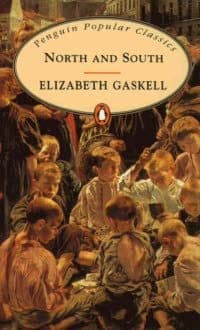
Elizabeth Gaskell (1955)
Genre
Historical Fiction / Romance
Reading Time
12-15 hours
Key Themes
See below
Sign in to track this book
In a town of clashing industry and rigid class, a spirited Southern belle finds her social conscience ignited and her heart unexpectedly entangled with a formidable mill owner, forcing both to confront their prejudices amidst a backdrop of burgeoning labor unrest.
Margaret Hale, living a comfortable life in the peaceful Hampshire village of Helstone, is affected by her father, Mr. Hale's, sudden crisis of conscience. A clergyman, Mr. Hale decides he can no longer agree with the Church of England's teachings and resigns. This forces the family to leave their home and move to Milton-Northern, an industrial town in the North of England. Margaret dislikes the difference between Helstone's beauty and Milton's grim, smoky look, finding the town and its people rough. Her mother, Mrs. Hale, is especially upset by the move, struggling to adjust to their new, less privileged life and the unfamiliar ways of the manufacturing town.
In Milton, the Hales rent a house and start to adjust. Mr. Hale, a scholar, tutors private students, one of whom is John Thornton, a prominent and wealthy mill owner. Margaret's first meetings with Thornton have misunderstandings and social tension. She sees him as abrupt, arrogant, and typical of Milton's harsh, practical spirit, especially after seeing him manage his factory strictly. Thornton, in turn, likes Margaret's beauty and refinement but finds her proud, prejudiced, and too critical of his life. Their early talks are often arguments, showing their different backgrounds and values, yet a mutual, unspoken attraction begins to grow beneath their disagreements.
Margaret's initial dislike for Milton slowly changes to an awareness of the working class's struggles. She befriends Bessy Higgins, a mill girl with consumption, and through her, Bessy's father, Nicholas Higgins, a strong union man. Visiting their home, Margaret sees the poor living conditions, poverty, and health problems caused by factory work. She feels for the workers, contrasting their suffering with the apparent indifference of mill owners like Thornton. This exposure strengthens her sense of social justice and begins to challenge her ideas, broadening her understanding of the complex social dynamics in industrial Milton.
A major strike happens, called by mill workers led by Nicholas Higgins, demanding better wages and conditions from the owners, including John Thornton. Tensions rise, and the town experiences unrest. During a tense moment, a mob of striking workers approaches Thornton's mill. Margaret, visiting the mill with her mother, gets caught in the growing violence. To protect Thornton, who is speaking to the angry crowd, she steps forward and shields him with her body, getting hurt by a thrown stone. This act of courage affects Thornton deeply; he sees it as a sign of her care for him, which leads him to propose marriage soon after. Margaret, however, rejects his proposal, believing his admiration comes from a misunderstanding and still seeing him as someone who oppresses the poor.
Mrs. Hale's health quickly worsens, and she wants to see her eldest son, Frederick, who is exiled from England for his involvement in a naval mutiny years ago. Margaret secretly arranges for Frederick to visit his dying mother in Milton. During his brief, secret stay, Frederick has to flee after an old acquaintance, Leonards, recognizes him at the railway station and tries to expose him. In the struggle, Leonards falls and hits his head, later dying. Margaret, who was there, lies to Inspector Slack to protect Frederick, saying she was alone at the station. This lie, plus her presence with Frederick, is seen by John Thornton, further complicating their strained relationship and making him suspicious of her.
After Frederick's hurried departure, Mrs. Hale's condition worsens, and she soon dies, leaving Margaret and Mr. Hale in deep grief. Soon after, Bessy Higgins also dies from her illness, likely caused by cotton dust from her factory work. These deaths deepen Margaret's sense of loss and responsibility. She takes on more household duties and supports her father. She continues to interact with Nicholas Higgins, Bessy's father, trying to help him find work and improve his life. This shows her lasting commitment to the working class and creates an unlikely friendship with the union leader.
Leonards' death at the railway station leads to an investigation, and Margaret is identified as being present. Inspector Slack questions her, and though she maintains her lie about being alone, Nicholas Higgins and John Thornton provide alibis that protect her, based on their own ideas of what happened. Thornton, who saw Margaret with a man he thought was a lover, struggles with jealousy and disappointment, believing she has been deceitful. While Margaret is cleared of involvement in Leonards' death, she cannot tell the truth about Frederick without endangering him, leaving a significant misunderstanding between her and Thornton, further separating them emotionally.
After the troubles in Milton, Mr. Hale decides to revisit Helstone, hoping to find some of the peace they once knew. Margaret goes with him, finding comfort in the familiar surroundings, though the village now seems changed and less lively without them. Their hopes of perhaps returning for good are broken when Mr. Hale suddenly gets sick and dies during their trip. This unexpected death leaves Margaret completely alone, without either parent, and with a significant inheritance from her godmother, Mrs. Shaw. Her father's death marks another major turning point, cutting her last direct tie to her past life and forcing her to face an uncertain future.
After Mr. Hale's death, Margaret learns she has inherited a large fortune from her godmother, Mrs. Shaw. This unexpected wealth changes her situation, making her financially independent and well-off. She moves to London to live with her Aunt Shaw, who has returned from abroad. The inheritance allows Margaret to follow her own interests and gives her a freedom she had not known before. However, she still thinks about her experiences in Milton and the unresolved feelings and misunderstandings with John Thornton, even as she adapts to her new life in the busy capital.
While Margaret is in London, the economy in Milton worsens. The cotton trade experiences a severe downturn, causing widespread hardship. John Thornton's mill, like many others, faces serious financial difficulties. He works hard to keep his business going, making sacrifices to avoid laying off his workers. His mother, Mrs. Thornton, and his sister, Fanny, worry about his declining wealth. The once-proud mill owner finds himself in a risky situation, possibly facing bankruptcy and the loss of everything he has built.
Margaret eventually returns to Milton, wanting to help Nicholas Higgins and feeling a connection to the town. She learns of Thornton's financial struggles and, through her legal advisor, Mr. Bell, discovers that Thornton holds a mortgage on her property in Milton. During a meeting, the truth about Frederick's visit and the railway station incident finally comes out to Thornton. He realizes Margaret's actions were from sisterly love and sacrifice, not deceit or a romantic relationship. The misunderstandings between them are cleared, and their true feelings, long hidden, surface. Margaret offers Thornton a loan from her inheritance to save his mill, and in doing so, they confess their love and agree to marry, bringing their different worlds together.
The Protagonist
Margaret transforms from a sheltered, prejudiced Southern belle into a compassionate, socially aware woman who bridges the divide between classes and regions.
The Protagonist/Love Interest
Thornton learns to temper his industrial pragmatism with greater empathy and understanding, ultimately finding love and a more balanced perspective.
The Supporting
He moves from a crisis of faith to a quiet resignation, ultimately unable to fully adapt to his new circumstances before his death.
The Supporting
She slowly declines in health and spirit after the move to Milton, ultimately dying there, unable to adapt.
The Supporting
His brief, secret return to England creates a dangerous situation that Margaret must navigate, ultimately leading to a misunderstanding between her and Thornton.
The Supporting
She remains a steadfast, supportive force for her son, eventually accepting Margaret as his wife.
The Supporting
Higgins moves from a position of class antagonism to one of reluctant cooperation and mutual respect with his former 'master,' Thornton.
The Supporting
Her declining health and eventual death serve to educate Margaret about the grim realities of factory life.
The Mentioned
She remains a static character, representing the comfortable, unchanging world of the London gentry.
The Supporting
He pursues Margaret but ultimately accepts her rejection, remaining a friendly acquaintance.
The novel shows the clear difference between the industrial masters and the working class in Milton. Margaret's journey from Southern gentility to understanding Northern industrial life highlights the mill workers' struggles, their poverty, and their fight for fair treatment. The strike is a central event, showing the tensions and misunderstandings between the two classes. Margaret's understanding for Bessy and Nicholas Higgins, and her efforts to bridge the gap, show the theme of social fairness and the need for understanding between employers and employees.
“''It was the spirit of a mob, not of a people, that was shown that day. The people had a cause, and a grievance, and were striving for the right, as they understood it; the mob was but a collection of wild beasts, mad with rage and hunger.''”
Both Margaret and John Thornton initially have strong biases against each other's worlds. Margaret sees Milton as crude and its people as unrefined, while Thornton sees her as proud and impractical. The novel carefully breaks down these biases through their interactions and experiences. Margaret learns to value the industry and integrity of the North, while Thornton gains a deeper understanding of empathy and the importance of human connection beyond just business. Their personal journey mirrors the larger theme of bridging the cultural and social gap between the agricultural South and the industrial North.
“''You do not know the South, Miss Hale. You have no conception of the life there – the life of an agricultural labourer. It is a very different thing from the life of a factory-hand.''”
The romance between Margaret and Thornton involves a series of misunderstandings, caused by pride, social differences, and untold truths. Margaret rejects Thornton's proposal because she misinterprets his actions and believes his love is based on a false idea. The railway station incident, where Margaret protects Frederick, creates a deep division, with Thornton misinterpreting her actions as a romantic encounter. This theme shows the importance of clear communication and the dangers of letting pride and assumptions control relationships. It ultimately shows how true love can overcome such problems once the truth is known.
“''If you think I am one of those who would like to try and improve you, you are mistaken. I have no such thought. I only want to be with you.''”
Margaret's forced move from Helstone to Milton challenges her sense of who she is and where she belongs. She struggles to reconcile her Southern upbringing with the harsh realities of the North, feeling like an outsider in both places at different times. The novel explores how her experiences in Milton change her into a more resilient and socially aware person, eventually finding a new sense of purpose and belonging not tied to a specific region but to her own moral beliefs. Her inheritance and financial independence also allow her to build an identity free from societal expectations.
“''I like the country, but I don't feel as if I were one of them. I am not country born.''”
Many characters, especially Margaret, are driven by a strong sense of responsibility and a willingness to make personal sacrifices for others. Margaret's dedication to her parents, her protection of Frederick, and her efforts to help the Higgins family all show her selflessness. Thornton also shows responsibility in his commitment to his mill and his workers, even when facing financial ruin. The theme explores the moral duties individuals feel towards family, community, and even their perceived opponents, often requiring personal cost and emotional difficulty.
“''I am not at all sure that I did right in leaving Helstone. I have never been sure since.''”
Symbolizes the clash of traditional agrarian values with industrial pragmatism.
The geographical move from the rural, genteel South (Helstone) to the industrial, bustling North (Milton-Northern) is a fundamental plot device. This division represents more than just geography; it embodies a clash of social values, economic systems, and cultural norms. Helstone symbolizes tradition, beauty, and a slower pace of life, while Milton represents progress, industry, and social strife. Margaret's journey across this divide forces her to confront and ultimately bridge these contrasting worlds, making the physical setting integral to the novel's thematic exploration of class, prejudice, and social change.
A catalyst for revealing character, escalating conflict, and exploring class tensions.
The major mill workers' strike in Milton serves as a pivotal plot device. It brings the inherent class conflict to the forefront, forcing direct confrontation between the masters (like Thornton) and the operatives (like Higgins). It is during the strike that Margaret's bravery and compassion are dramatically revealed when she shields Thornton, leading to his first proposal and a significant misunderstanding. The strike acts as a crucible, testing the characters' loyalties, values, and forcing them to re-evaluate their positions and prejudices, ultimately shaping the trajectory of the narrative and the relationships within it.
A device for creating suspense, fueling misunderstandings, and showcasing Margaret's loyalty.
Frederick Hale's clandestine visit and the subsequent incident at the railway station are crucial for driving the plot and deepening the central misunderstanding between Margaret and Thornton. This secret creates immense personal risk for Margaret, forcing her to lie and act in ways that are misinterpreted by others, particularly Thornton, who sees her with a mysterious man. It generates suspense around Frederick's safety and Margaret's reputation, while simultaneously highlighting Margaret's fierce loyalty to her family, even at personal cost, and showcasing the dangers of hidden truths in Victorian society.
A device for financial independence, shifting power dynamics, and enabling resolution.
Margaret's unexpected inheritance from her godmother, Mrs. Shaw, is a significant plot device that grants her financial independence. This wealth fundamentally changes her social standing and allows her agency she wouldn't otherwise possess as a single woman in Victorian society. Crucially, it provides the means for her to offer Thornton a loan, which not only saves his business but also subtly shifts the power dynamics between them, allowing them to meet on more equal footing and facilitating the final resolution of their relationship, demonstrating that love can transcend class and financial status.
“I see a little of the bitterness of the world in this, that go where we will, we are for ever bound to the circle of our own miserable selves.”
— Margaret's reflection on loneliness while visiting London.
“‘If you do not marry my daughter, I will ruin you, sir, as I have ruined many a better man!’”
— Mr. Thornton's father-in-law's threat, recounted by Mr. Bell.
“I wish I could do something. I feel so helpless. I cannot sit still and see it all go wrong, without trying to mend it.”
— Margaret's frustration during the strike, wanting to help.
“‘You seem to have a good deal to say about the South. I should have thought you had had enough of it by this time.’”
— Mr. Thornton's dry remark to Margaret about her constant praise of the South.
“‘If I were a man, I would go and make my fortune, and come back and marry you.’”
— Bessy Higgins's wistful thought about Margaret's future.
“‘I do not want to be a lady. I want to be a woman, and do a woman’s work.’”
— Margaret's rejection of the idle life of a 'lady'.
“‘We are all of us more or less like children, who can't understand what is good for them till they have had it.’”
— Mr. Bell's philosophical observation to Margaret.
“‘I tell you what, I am a man; and I have a man’s feelings, and a man’s passions; and I will not be trifled with!’”
— Mr. Thornton's outburst when Margaret rejects his proposal.
“‘He had not been brought up to that nice perception of others’ feelings, which was a part of Margaret’s nature.’”
— Narrator's description of Mr. Thornton's background.
“‘He knew that she was of a different grade to himself, and he loved her for it.’”
— Mr. Thornton's paradoxical feelings towards Margaret's social standing.
“‘It’s not for you to be bringing shame on your father’s honest name.’”
— Mr. Higgins's stern words to his son, Nicholas.
“‘We have all our crosses; and it’s a poor heart that grumbles at them.’”
— Dixon's stoic remark to Margaret.
“‘For, you see, I was in love with you all the time.’”
— Mr. Thornton's confession to Margaret at the end of the novel.
“‘The South, with its soft, relaxing lines, and the North, with its stern, rugged grandeur.’”
— A description contrasting the landscapes and atmospheres of the two regions.
Ready to see how well you understood this book? Take our interactive quiz with 10 questions.
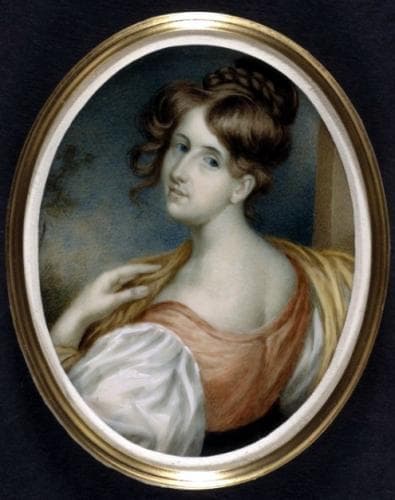
Elizabeth Cleghorn Gaskell, often referred to as Mrs Gaskell, was an English novelist, biographer and short story writer. Her novels offer a detailed portrait of the lives of many strata of Victorian society, including the very poor. Her first novel, Mary Barton, was published in 1848. Gaskell's The Life of Charlotte Brontë, published in 1857, was the first biography of Charlotte Brontë. In this biography, she wrote only of the moral, sophisticated things in Brontë's life; the rest she omitted, deciding certain, more salacious aspects were better kept hidden. Among Gaskell's best known novels are Cranford (1851–1853), North and South (1854–55), and Wives and Daughters (1865), all of which were adapted for television by the BBC.







