“Every life is a story, and the story of your life is yours to tell.”
— A recurring theme about the narrative of one's own existence.

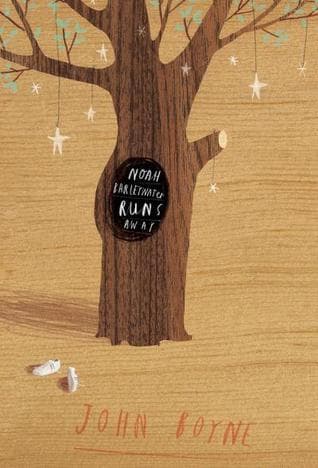
John Boyne (2010)
Genre
Fantasy / Children's / Young Adult
Reading Time
180 min
Key Themes
See below
Sign in to track this book
When young Noah flees his troubles down an untrodden forest path, he finds a magical toyshop and a toymaker whose tales of adventure, wonder, and broken promises guide Noah on a life-altering journey of self-discovery.
Eight-year-old Noah Barleywater is unhappy. His mother is ill, often in the hospital, and his father is busy with worry and work, making Noah feel ignored and angry. One morning, after a difficult talk where his father snaps at him, Noah decides to run away. He packs a small bag with essentials, including a compass and some food, and slips out of his house in the quiet village. He heads towards the thick, mysterious forest near his home, choosing a less-used path, believing that leaving will solve his problems and make his parents realize how much they need him.
As Noah goes deeper into the forest, he soon realizes he is lost. The path disappears, and the trees become confusing. Just as he starts to feel scared and regretful, he sees a small, rundown building among the old trees – a toyshop. It seems out of place, like something from long ago, with a creaky sign and dusty windows showing old toys. Curious and a little cautious, Noah goes to the shop, pushing open its heavy wooden door, drawn in by a strange feeling and the unexpected sight in the middle of nowhere.
Inside the toyshop, Noah finds himself in a room filled with many handcrafted wooden toys, each feeling alive and historic. He then meets the shop's owner: a very old man with kind, knowing eyes and long, white hair, who introduces himself as 'the toymaker.' The toymaker seems to have been waiting for him, offering Noah a seat and a slice of delicious cake. The toymaker is not surprised by Noah's presence, nor does he ask why a young boy is alone in the forest, instead treating him with a gentle understanding that immediately makes Noah comfortable.
After a short talk, the toymaker begins to tell Noah his life story. He starts by describing his own childhood, growing up in a small village, much like Noah's, and his early interest in wood and making things. He talks about his youthful dreams of becoming a skilled toymaker, creating beautiful objects that would bring joy to others. He speaks of a simpler time, of his parents' love and support, and the first toys he ever carved. Noah listens closely, captivated by the old man's gentle voice and the clear images of his past, finding unexpected similarities with his own budding desires and observations.
The toymaker continues his story, explaining how he left home to learn from a famous master toymaker in a distant town. He learned the skills of the trade, improving his craft under the master's strict but fair teaching. During this time, he found a unique type of magical wood, with special qualities, which allowed his creations to have a touch of magic. This discovery made him different and drove his ambition to create toys unlike any other, promising a future filled with wonder and artistic success, though also hinting at the great responsibility that came with such power.
As the toymaker grew older and more skilled, his reputation spread. He speaks of a specific, important moment where he made a grand, almost impossible promise to a powerful force – implied to be life itself or a magical energy – that he would spend his entire life creating the most extraordinary toys, never stopping, never resting. This promise, while exciting at first, became a heavy burden. It demanded constant creation, stopping him from forming lasting relationships or enjoying a normal life. He was tied to his craft, his shop, and the endless task of bringing magic into the world through his wooden creations.
The toymaker's story becomes sad as he describes meeting a beautiful woman he fell in love with. They shared a short, intense period of happiness, but his promise eventually drove them apart. He could not put their relationship before his constant work, leading to heartbreak and her leaving. He expresses deep regret over this loss, admitting that his dedication to his craft, while fulfilling a grand purpose, also cost him personal joy and companionship. Noah begins to understand the sacrifices the old man has made, and the weight of his choices.
As the toymaker speaks, Noah notices that each toy in the shop seems to subtly move or hum with a faint energy. The old man explains that every toy he has ever made, especially those from the magical wood, contains a piece of his own life force, his memories, and his experiences. They are not just objects but records of his past, each representing a moment, a feeling, or a lesson learned. This shows the deep personal cost of his lifelong promise and the magical essence in his creations, making the shop a living museum of his soul.
The toymaker thinks about his very long life, suggesting an age far beyond normal human years, a result of his magical existence tied to the toys. He shares the wisdom he has gained through centuries of watching and creating, speaking of life's cycles, the importance of dreams, and the bittersweet balance between joy and sorrow. He stresses that while his life has been solitary, it has been rich with meaning, and that true magic lies in enjoying the present moment and the connections we make, a subtle message for Noah's own situation.
Listening to the toymaker's long, bittersweet tale, Noah begins to see his own situation clearly. He understands that running away will not solve his problems; it will only create new ones. He realizes the depth of his parents' love, even if it is currently hidden by his mother's illness. The toymaker's story of sacrifice, lost love, and the lasting power of creation helps Noah appreciate the importance of family and facing difficulties instead of running from them. With a new sense of purpose and a lighter heart, Noah thanks the toymaker and decides to return home, ready to face his reality.
As Noah leaves the toyshop, the path through the forest, which seemed so confusing before, now appears clear and easy to follow. He walks with new determination, eager to get back to his family. When he arrives home, his parents are frantic with worry, having searched for him everywhere. There is a tearful reunion, full of hugs and apologies. Noah, now understanding the depth of their love and concern, explains his feelings and listens to theirs. The experience in the forest and the toymaker's story have changed him, making him more understanding and appreciative of his family.
After Noah's return, the family dynamic begins to change. Noah's father becomes more attentive, and they all work together to support Noah's mother through her illness. Noah often thinks of the toymaker and his magical shop, remembering the wisdom he gained. He realizes that life has both joy and sorrow, and that it is important to face challenges with courage and love. The lessons from the old man's story – about promises, regret, and the lasting power of creation and connection – stay with Noah, shaping his view as he grows, reminding him that even in difficult times, there is always magic to be found.
The Protagonist
Noah transforms from a resentful and escapist child into a more empathetic and understanding son, learning to face his problems rather than run from them.
The Supporting
The toymaker's arc is largely in his past, but through telling his story, he finds a form of catharsis and passes on his accumulated wisdom, reaffirming his purpose.
The Supporting
Her arc is subtle, as her illness is a constant, but her role shifts from a source of Noah's neglect to a recipient of his newfound empathy and family unity.
The Supporting
He learns to be more present and communicative with Noah after the incident, realizing the impact of his stress on his son.
The Mentioned
N/A, as he is a past figure in the Toymaker's narrative.
The Mentioned
N/A, as she is a past figure in the Toymaker's narrative.
The novel explores how grand promises, even those made with good intentions, can become huge burdens, shaping an entire life and leading to unexpected sacrifices. The Toymaker's lifelong commitment to making toys, while fulfilling a magical purpose, cost him personal happiness and a lost love. This theme teaches Noah about the weight of choices and the importance of thinking about consequences, contrasting with his impulsive decision to run away. It shows that even achieving one's deepest dream can come at a significant personal cost, requiring a balance between ambition and personal connection.
““A promise is a promise,” he said, his voice barely a whisper. “And once you’ve made it, there’s no going back.””
A main theme is the appeal of escapism when facing hard realities, and the need to eventually confront problems. Noah runs away from home to escape his mother's illness and his parents' busyness, believing it will solve his unhappiness. The Toymaker's story, however, shows that while his magical world offers a type of escape through creation, it also brought its own unavoidable burdens and regrets. Noah learns that true solutions come not from running away, but from understanding, talking, and actively participating in his family's struggles, leading him to return home and face his problems with new maturity.
““Running away is easy,” he said, “but it rarely solves anything. All it does is postpone the inevitable.””
The entire story is framed by the Toymaker's storytelling, which is a strong way to share wisdom and build understanding. By listening to the Toymaker's life story, Noah gains perspective on his own situation. The clear tales of the Toymaker's childhood, apprenticeship, lost love, and the magic in his toys allow Noah to move past his own self-pity and understand life's complexities and the sacrifices others make. This act of sharing and listening bridges the age gap and changes Noah's understanding of love, loss, and responsibility, showing how stories can reveal truth.
““Every story is a journey, Noah. And sometimes, the journey takes you exactly where you need to be.””
The book explores the idea that life, especially a life touched by magic, is a mix of joy and sorrow, creation and loss. The Toymaker's existence is one of endless creation and wonder, but it is also marked by deep loneliness and regret over a lost love. His magical ability to put life into toys comes at the cost of a normal life. This bittersweet balance is a key lesson for Noah, who at first only sees the negative parts of his life. He learns that even in difficult situations (like his mother's illness), there is still love and magic to be found, and that true happiness often involves accepting both the good and the bad.
““Magic isn’t always about happiness, Noah. Sometimes it’s about understanding the sadness, too.””
A hidden, anachronistic shop serving as a sanctuary and narrative hub.
The toyshop functions as a liminal space, existing outside of normal time and reality, hidden deep within the forest. It is where Noah finds refuge and encounters the Toymaker. The shop itself is filled with magical, handcrafted toys, each holding a piece of the Toymaker's memories and life force, acting as physical manifestations of his story. It is the setting where the central narrative of the Toymaker's life unfolds, allowing Noah to be fully immersed in his mentor's world and absorb his wisdom.
A story-within-a-story used to impart wisdom and guide the protagonist.
The Toymaker's life narrative serves as a powerful framing device. Instead of directly advising Noah, the Toymaker shares his own experiences, mistakes, and triumphs. This allows Noah to draw his own conclusions and learn through analogy, rather than being lectured. The story covers themes of love, loss, promises, and the purpose of creation, directly reflecting and subtly addressing Noah's own issues of feeling neglected, making impulsive decisions, and understanding the complexities of life.
A mystical material used by the Toymaker to create his special toys.
The magical wood is a key element in the Toymaker's craft, allowing him to infuse his creations with life, memory, and a piece of his soul. It symbolizes the unique and extraordinary nature of his art and the depth of his commitment. The wood is not just a material; it is a conduit for his magic and the physical representation of his lifelong promise, linking his personal history to every object in his shop and emphasizing the theme of life force embedded in creation.
A metaphorical and literal path representing Noah's deviation from his normal life.
The 'untrodden path' Noah takes into the forest is both a literal route and a metaphor for his decision to run away and embark on an unknown journey. It signifies his departure from the familiar and his venture into the mysterious and potentially dangerous. This path leads him to the magical toyshop and the Toymaker, suggesting that stepping outside one's comfort zone, though risky, can lead to unexpected wisdom and profound self-discovery. Upon his return, the path becomes clear, symbolizing his newfound clarity and purpose.
“Every life is a story, and the story of your life is yours to tell.”
— A recurring theme about the narrative of one's own existence.
“The world is full of wonders, if only you know where to look.”
— Noah's perspective on the magical and unexpected elements he encounters.
“Sometimes the things we run away from are the very things we need to find.”
— A central paradox of Noah's journey, as he seeks to escape his problems.
“There's a difference between growing up and growing old.”
— A philosophical point made by the elderly toy maker about the nature of age.
“A good story never truly ends, it just changes.”
— Reflecting on the enduring nature of narratives and legacies.
“The greatest adventures are often the ones you don't plan.”
— Noah's unplanned journey leading to extraordinary experiences.
“Sorrow, like joy, is a part of the tapestry of life.”
— Understanding the necessity of both positive and negative emotions.
“It's not about how fast you run, but why you're running.”
— Highlighting the motivation behind Noah's escape.
“Every toy has a story, and every story has a heart.”
— The toy maker's deep connection to his creations and their significance.
“Sometimes you have to get lost to find your way home.”
— The classic journey archetype that Noah embodies.
“The most important lessons are rarely taught in schools.”
— Learnings gained through experience rather than formal education.
“Imagination is a powerful thing, it can take you anywhere.”
— The role of imagination in shaping Noah's perception and adventures.
“You can't truly understand someone until you've walked a mile in their shoes, or in this case, run a thousand.”
— A twist on the idiom, emphasizing the depth of understanding gained through shared experience.
Ready to see how well you understood this book? Take our interactive quiz with 10 questions.

John Boyne is an Irish novelist. He is the author of fourteen novels for adults, six novels for younger readers, two novellas and one collection of short stories. His novels are published in over 50 languages. His 2006 novel The Boy in the Striped Pyjamas was adapted into a 2008 film of the same name.







