“You don't love someone because they're perfect, you love them in spite of the fact that they're not.”
— Anna reflects on her family's complex relationships.


Jodi Picoult (2004)
Genre
Young Adult
Reading Time
9-10 hours
Key Themes
See below
Sign in to track this book
A teenage girl, created to save her dying sister, sues her parents for control over her own body, making her family face the moral cost of love and sacrifice.
The story begins with Anna Fitzgerald, age thirteen, at attorney Campbell Alexander's office. She says she wants to sue her parents, Sara and Brian, for medical emancipation. Her older sister, Kate, has had acute promyelocytic leukemia since she was young. Anna was conceived through genetic selection to be a perfect donor match for Kate. All her life, Anna has given bone marrow, cord blood, and other biological materials to keep Kate alive. Now, Kate's kidneys are failing, and Anna is expected to donate one of hers. Anna's decision to sue shocks the Fitzgerald family, threatening to break them apart as they deal with the ethical and emotional effects of her choice. The story is told through the changing first-person views of various family members and Campbell Alexander.
Through Sara's view, the reader learns about Kate's diagnosis at age two and the years of hard treatments, hospital stays, and emotional pain it caused. After trying everything else and facing Kate's coming death, Sara and Brian made the difficult choice to conceive Anna as a 'savior sibling' using IVF and genetic screening to ensure a perfect match. Sara, a former lawyer, quit her job to be Kate's main caregiver, dedicating her life to keeping her daughter alive. Brian, a firefighter, tries to keep things normal for his family, especially their older son, Jesse, who often feels ignored because of the constant focus on Kate's health.
Jesse, the often-forgotten middle child, shows his frustration and anger through rebellious acts, including arson and drug use. He feels invisible and resents the constant attention Kate's illness needs, and the fact that Anna was born specifically for Kate. His story shows deep pain and a desperate need for attention, often through destructive behavior. He struggles with the moral questions of Anna's existence and the sacrifices she has been forced to make, believing the family has lost its way in their desperate fight against Kate's disease. His relationship with his parents is tense, and he often communicates through silence or cynical remarks.
The court case starts, with Julia Romano, Campbell Alexander's former lover, representing Sara and Brian. The proceedings are very emotional, as both sides present their arguments. Sara strongly defends her right to make medical decisions for her minor child, saying Anna's donation is needed for Kate to live and that Anna, as a minor, cannot fully understand what refusing means. Campbell argues for Anna's bodily freedom, pointing out the years of procedures Anna has endured and the possible psychological and physical harm of another major surgery. The courtroom becomes a public stage for the family's private pain, making them speak their deepest fears and reasons.
Through flashbacks from Kate's view, the reader experiences the physical and emotional toll of her leukemia. She tells of the endless treatments, the pain, hair loss, and isolation from a normal childhood. Kate is very aware of her family's sacrifices, especially Anna's, and feels great guilt. She often wishes the suffering would end, feeling like a burden. Her chapters show her love for her family but also a growing tiredness and a desire for control over her own life and death. She confides in Jesse, and her quiet acceptance contrasts with Sara's fierce will to keep her alive.
Campbell Alexander, Anna's lawyer, has unexplained seizures, which he tries to hide from everyone, including Julia. His past relationship with Julia Romano, the opposing lawyer, comes up, adding a personal element to the professional conflict. Their history, marked by a tragic event and unresolved feelings, complicates the legal process. Julia struggles with her loyalty to her clients and her lingering affection and concern for Campbell. Campbell's determination to help Anna seems to come from more than just legal principles, hinting at his own personal struggles and a desire for justice or redemption.
In a key moment during a private session with the judge, Anna finally reveals the real reason for her lawsuit: Kate's idea. Kate, tired of fighting and suffering, wants to die peacefully and asked Anna to refuse the kidney donation. She feels great guilt over the burden she has placed on her family, especially Anna, and wants to free them from the endless cycle of treatments and false hope. This revelation shatters the family's understanding of the situation, especially Sara's, who has been solely focused on Kate's survival. The lawsuit is not about Anna wanting to be free of Kate, but about her love for Kate and her wish to honor her sister's final request.
The judge, after hearing Anna's testimony and considering the emotional and ethical issues, rules for Anna, granting her medical emancipation. This means Anna cannot be forced to donate her kidney to Kate. This decision creates a big change in the Fitzgerald family. Sara, devastated, at first struggles to accept the outcome, her life's purpose having been only to save Kate. Brian, Jesse, and even Kate herself find some peace and acceptance. Kate, now free from the expectation of endless treatment, begins to plan for her remaining time, including a final visit to the beach with her family.
Right after the judge's ruling, as Anna is being driven home by Campbell Alexander, their car is in a bad accident. Anna gets a traumatic brain injury and is taken to the hospital. The family, still recovering from the court's decision, faces another crisis. The timing of the accident is tragic, as Anna had just won her bodily freedom, only to lose it to fate. The accident leaves Anna in critical condition, and the family faces another difficult decision, one that will connect back to Kate in an unforeseen and heartbreaking way.
Anna is declared brain dead. In a final, sad twist, Campbell tells the Fitzgeralds that Anna had registered as an organ donor. Despite the earlier court ruling, Anna's kidney is now available. Sara and Brian, heartbroken but understanding, agree to the donation. Anna's kidney is transplanted into Kate. However, despite the successful transplant, Kate's body, weakened by years of illness, dies shortly after. The family is left to mourn both daughters, forever changed by the impossible choices they faced and the love and sacrifice that defined their lives.
The Protagonist
Anna starts as a seemingly passive donor, then asserts her bodily autonomy in a lawsuit, only for her life to end tragically, fulfilling her donor role posthumously.
The Major Supporting Character
Kate struggles with her illness and guilt, eventually choosing to accept her fate and initiating Anna's lawsuit to gain control over her death.
The Protagonist/Antagonist
Sara begins as a fiercely protective mother, unable to accept Kate's impending death, but ultimately comes to terms with her daughters' fates and the true meaning of love and sacrifice.
The Supporting Character
Brian tries to maintain balance and normalcy for his family, eventually accepting the difficult truths about Kate's illness and Anna's choices, and finding a quiet strength in grief.
The Supporting Character
Jesse begins as a rebellious, alienated figure, gradually revealing his hidden pain and love for his sisters, and eventually finding a path towards healing and acceptance.
The Supporting Character
Campbell starts as a detached, cynical lawyer, but his involvement with Anna's case and his rekindled connection with Julia lead him to confront his own past and vulnerabilities.
The Supporting Character
Julia navigates the ethical complexities of the case and her conflicted feelings for Campbell, ultimately seeking justice and understanding for all parties involved.
The Supporting Character
Judge DeSalvo carefully considers an unprecedented case, ultimately delivering a ruling that upholds a minor's bodily autonomy in a complex ethical dilemma.
This is the main ethical problem of the novel. Anna, a minor, challenges her parents' right to make medical decisions for her, specifically about organ donation. The book looks at how much parents can control their children's bodies, especially when that control helps another child. Sara believes she has the right, even the duty, to make Anna save Kate, while Anna, with Campbell's support, argues for her own right to decide what happens to her body. The court case makes the family and the legal system confront the limits of these rights.
“My body, my life, my choice. I don't want to be a donor anymore.”
The novel directly addresses the practice of conceiving a child through preimplantation genetic diagnosis (PGD) specifically to be a donor for an existing sick child. Anna's existence is defined by her role as Kate's possible savior, raising questions about her identity separate from her sister's needs, and the possible psychological burden placed on such a child. The book makes readers consider if it is morally right to create a life for a specific purpose, and the long-term effects for everyone involved.
“I was a designer baby, but not the kind with the perfect genes. I was designed to be broken, so Kate could be fixed.”
The Fitzgerald family is connected by an intense, often overwhelming, love. Sara's love for Kate makes her take extreme measures, demanding great sacrifice from Anna and straining her marriage and Jesse. Kate, in turn, feels great guilt over the burden her illness places on her family, especially Anna, leading her to ask to be allowed to die. Every character deals with what love means when facing suffering and the guilt tied to their choices or desires, showing the complex and sometimes destructive nature of family devotion.
“I was always waiting for Kate to die. And then I would be free.”
Each Fitzgerald child struggles with their identity. Anna's identity is tied to Kate's illness; she constantly questions who she is without being Kate's donor. Jesse feels ignored and invisible, defining himself through rebellion. Kate's identity is taken over by her disease, making her question her worth beyond her medical needs. The lawsuit, while seemingly about a kidney, is about Anna's search for an independent identity and the family's struggle to see each child as an individual rather than in relation to Kate's illness.
“For so long, I have been defined by my sister. But I am not my sister. I am me.”
The novel is full of themes of grief, both expected and actual. Sara struggles to accept Kate's inevitable death, extending her suffering and the family's pain. Kate herself, however, accepts her situation and wants peace. The family's journey through the court case makes them face the reality of Kate's prognosis and the limits of medical help. Ultimately, the tragic loss of both daughters makes the remaining family members deal with deep grief and find a way to accept their changed lives and the complex legacy of their choices.
“Sometimes, the best way to love someone is to let them go.”
The story is told through rotating first-person viewpoints of key family members and Campbell Alexander.
This device allows the reader to deeply understand the motivations, fears, and internal conflicts of each character: Anna, Kate, Sara, Brian, Jesse, and Campbell. It highlights the subjective nature of truth and morality, as each character's narrative reveals their unique perspective on the ethical dilemmas and emotional turmoil facing the family. This structure prevents the reader from siding entirely with one character, fostering empathy for all sides of the complex argument and demonstrating how deeply intertwined their lives are, even when in conflict.
Interspersed chapters recount past events, particularly Kate's illness and Anna's early life.
Flashbacks are crucial for providing context to the present-day lawsuit. They illustrate the long history of Kate's illness, the emotional toll on the family, and the desperate circumstances that led to Anna's conception. These glimpses into the past reveal the depth of Sara's devotion, Kate's suffering, and the sacrifices Anna has already made, allowing the reader to understand the immense pressure and history weighing on the family as they face the court case.
The legal battle forces the family to confront their deepest secrets and desires.
Anna's lawsuit serves as the primary plot device driving the narrative. It is not just a legal conflict but a catalyst that forces the Fitzgerald family to articulate their unspoken resentments, fears, and truths. The courtroom setting acts as a confessional, where the characters are compelled to reveal their inner lives and motivations, bringing to light the moral and emotional complexities that have simmered beneath the surface for years. It unearths Kate's true desire and ultimately reshapes the family's future.
Anna's tragic death allows her to fulfill her donor role posthumously.
The unexpected car accident and Anna's subsequent brain death, immediately after winning her medical emancipation, is a significant plot device. It introduces a cruel irony, as Anna, having fought for control over her body, loses that control to fate. This twist allows her to become a donor to Kate anyway, fulfilling her original purpose in the most tragic and unexpected way. This device heightens the sense of tragedy and emphasizes the unpredictable nature of life and death, ultimately bringing the family's struggle to a heartbreaking, yet conclusive, end.
“You don't love someone because they're perfect, you love them in spite of the fact that they're not.”
— Anna reflects on her family's complex relationships.
“Maybe who we are isn't so much about what we do, but rather what we're capable of when we least expect it.”
— Anna contemplates her identity and actions.
“In the English language there are orphans and widows, but there is no word for the parents who lose a child.”
— Narrator discusses the pain of losing a child.
“Sometimes to get what you want the most, you have to do what you want the least.”
— Anna explains her decision to sue her parents.
“Fire and water. So opposite, yet each can put the other out.”
— Metaphor for the conflicting forces in the family.
“I was born for a very specific purpose. I was born because a scientist managed to hook up my mother's eggs and my father's sperm to create a specific combination of precious genetic material.”
— Anna describes her origins as a savior sibling.
“There is always going to be bad stuff out there. But here's the amazing thing—light trumps darkness, every time.”
— A hopeful reflection amidst the family's struggles.
“You can't exist in this world without leaving a piece of yourself behind.”
— Reflection on impact and legacy.
“I wonder... if you can love someone too much.”
— Anna questions the limits of familial love.
“It is the things you cannot see coming that are strong enough to kill you.”
— Reflecting on unexpected tragedies.
“I have spent my life trying to keep my sister alive, and now I'm trying to let her go.”
— Anna's internal conflict about her role.
“The human capacity for burden is like bamboo—far more flexible than you'd ever believe at first glance.”
— Observation on resilience in difficult times.
“What is right isn't always popular, and what is popular isn't always right.”
— Anna defends her controversial lawsuit.
“There are some things we do because we convince ourselves it would be unthinkable not to do them.”
— Explaining difficult family decisions.
“You can't change the past, but you can ruin the present by worrying about the future.”
— Advice given during a tense family moment.
Ready to see how well you understood this book? Take our interactive quiz with 10 questions.
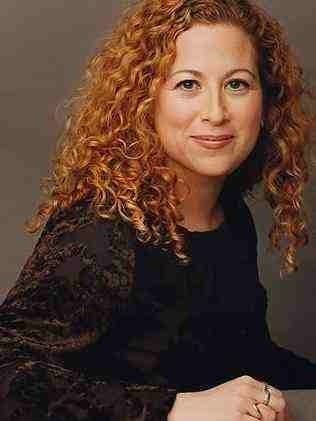
Biography coming soon.