“Everyone kept saying it was a tragedy, but I didn't feel it was. I felt it was a surprise.”
— Jamie reflecting on the immediate aftermath of the terrorist attack that killed his sister, Rose.


Annabel Pitcher (2011)
Genre
Children's / Young Adult
Reading Time
240 min
Key Themes
See below
Sign in to track this book
After a family tragedy, ten-year-old Jamie navigates his changed world, putting together memories of his sister, Rose, whose ashes sit on the mantelpiece.
Ten-year-old Jamie Matthews, his older sister Jasmine, and their father move from London to the Lake District. Their father hopes this move will help them escape painful memories of their sister, Rose, who died five years earlier in a bombing. Rose's ashes are in an urn on the mantelpiece, a quiet presence. Jamie, who has not cried since Rose's death, struggles to understand his family's sadness. His mother has left, unable to cope, and his father drinks too much. Jamie feels like an outsider, always in the shadow of a sister he barely knew but is expected to mourn deeply.
Jasmine, now fifteen, rebels against her father's strictness and the family's constant grief. She dyes her hair pink and starts dating a local boy named Sunya, which her father dislikes. Jamie tries to learn about Rose. He feels detached from the family's shared grief and often plays with Rose's urn, even talking to it. He sees how differently his parents and sister react to Rose's memory, which confuses him more about what he 'should' feel. He also starts school, where he is new, and becomes friends with a girl named Alfie.
Jamie becomes friends with Alfie, a kind and understanding girl often bullied for her looks and packed lunches. He also meets Dan, another boy at school. Jamie tries out for the school play, 'The Wizard of Oz,' and gets the part of the Scarecrow. This offers a good break from the stress at home. During this time, his friendship with Alfie grows, and he starts to feel like he belongs outside his troubled family. He tells Alfie about his family's situation, finding comfort in her acceptance.
Jamie's mother makes a short return home, causing more emotional upset. Her presence is awkward, showing the lasting damage to the family. She struggles to connect with Jamie and Jasmine, and her visit is brief, leaving more questions than answers. Later, Jamie attends a Halloween party with Alfie, dressed as the Scarecrow. He has a good time, but the underlying sadness of his home life is always there. He watches other families, which further highlights his own family's problems.
Jamie tries to tell his father that he does not remember Rose well and does not feel the same deep grief as the rest of the family. His father, still deep in his own sadness and drinking, misunderstands Jamie's honesty as a lack of love or respect for Rose. This causes a painful argument, making Jamie feel more alone. He feels misunderstood, believing his inability to cry or feel the 'right' way about Rose makes him a bad son. He also feels more protective of Rose's urn, despite his mixed feelings about what is inside.
Jasmine, unable to handle the difficult atmosphere at home and her father's disapproval of Sunya, runs away. This makes the family even more unstable and increases her father's drinking and despair. Jamie feels more and more frustrated by how Rose's memory controls their lives. He wonders why he, who barely knew her, is expected to mourn her so deeply, while his own feelings are ignored. He starts to dislike the constant presence of the urn and how it represents their shared inability to move on.
Driven by his growing curiosity and a wish to understand what Rose means to him, Jamie decides to open the urn. To his surprise, he finds that the urn does not contain Rose's ashes, but rather random items, including a Barbie doll's arm and a twig. This discovery shatters his understanding of his family's grief and the symbol they have focused on. He realizes the urn has been a prop for their shared sorrow, not a real resting place for his sister. This discovery leaves him confused and angry.
Jamie confronts his father about the urn's contents. His father, at first defensive, eventually admits that Rose's ashes were scattered at the bombing site in London. The urn on the mantelpiece was empty, a symbolic gesture meant to help them cope. This confession leads to an emotional breakdown for both Jamie and his father. Jamie, for the first time, truly understands his father's deep pain and the extreme things he did to manage it. This moment is a turning point, allowing a fragile connection to form between them.
After the confrontation, Jamie and his father begin a slow process of making up. Jamie finally cries, letting out years of stored emotion and grief. His father, seeing Jamie's pain, starts to address his drinking and seeks help. Jasmine eventually returns home, found by Sunya, and the family begins to talk more openly. The urn is removed from the mantelpiece, showing a shift away from a fixed, perfect memory of Rose toward a more honest understanding of their loss. They begin to remember Rose not just as a victim, but as a living person.
The family, though still hurt, begins to heal. Jamie learns that it is okay to remember Rose in his own way, even if he does not have clear memories of her. His father tries to be a better parent, and Jasmine finds a more helpful way to deal with her grief. The story ends with a hopeful feeling. The family learns to live with their loss, recognizing Rose's place in their lives without letting her death take over. Jamie, having found his voice and his tears, can finally move forward with a clearer understanding of himself and his family.
The Protagonist
Jamie moves from detached confusion and repressed emotion to a place of understanding, empathy, and finally, the ability to express his grief and connect with his family.
The Mentioned
Her 'arc' is revealed through Jamie's understanding: from an untouchable, idealized martyr to a real person whose memory can be held without consuming the living.
The Supporting
Jasmine moves from rebellious anger and escape to a more open, albeit still painful, engagement with her family's grief and her own feelings.
The Supporting
His arc involves a slow, painful acknowledgment of his alcoholism and his role in the family's suffering, leading to a commitment to change and a renewed connection with Jamie.
The Supporting
Her arc is one of continued absence and unresolved grief, which she attempts to escape rather than confront, leaving her family to deal with the fallout.
The Supporting
Alfie remains a steadfast and positive influence, helping Jamie navigate his emotional journey without undergoing a major personal arc herself.
The Supporting
Sunya acts as a catalyst for Jasmine's rebellion and eventual return, remaining a consistent source of support.
The novel explores the many ways grief appears, especially how a family deals with a traumatic loss. Each family member feels and shows grief differently, leading to isolation and misunderstanding. Jamie's hidden grief contrasts with his father's drinking and Jasmine's rebellious actions. The theme shows there is no single 'right' way to grieve and that unresolved grief can harm relationships and personal well-being. The story suggests that acknowledging and expressing grief, even years later, helps with healing.
“Everyone kept saying it would get better with time, but that's just one of those lies that grown-ups tell in awkward situations.”
Jamie's story is about finding himself. He struggles with his identity within a family defined by a dead sister he barely knew. He questions who he is if he does not feel the 'right' amount of grief for Rose. His friendships with Alfie and his part in the school play help him build an identity separate from his family's trauma. Discovering the truth about the urn makes him face his family's made-up reality and helps him understand his own feelings and place in the world, outside of Rose's shadow.
“I was just a bit confused, because everyone kept talking about Rose as if she was the most important person in the world, and I didn't even remember her properly.”
The Matthews family is very troubled, mostly because they cannot talk openly and honestly about their grief. The father's drinking, the mother's leaving, and Jasmine's rebellion all show this breakdown. The perfect memory of Rose stops real connection among the living. The novel shows that honest communication, even when hard, is the only way to heal and rebuild family bonds. Secrets and unsaid resentments grow, creating a harmful environment that almost destroys them.
“It was like Rose was still alive, and we were all just ghosts, haunting the house for her.”
A main theme is truth and the different ways characters mislead, both on purpose and by accident. The biggest deception is the empty urn, a symbolic lie kept by the father to cope with his grief. This lie, though born of pain, stops real healing. Jamie's search for the 'truth' about Rose and his family drives much of the plot. The novel looks at how living with lies, even good-intentioned ones, can be more damaging than facing a difficult truth.
“The mantelpiece was where my sister lived. Or, at least, where her ashes did.”
A central symbolic object representing idealized grief and hidden truth.
The urn, prominently displayed on the mantelpiece, is the most significant plot device. Initially presented as containing Rose's ashes, it symbolizes the family's frozen grief and their inability to move on. It is a constant, physical reminder of Rose's death, dominating the family's emotional landscape. The shocking revelation that the urn is empty and contains random objects instead of ashes serves as the climax, exposing the father's deception and forcing the family to confront the true nature of their grief and the lies they have been living. Its removal at the end signifies a step towards healing.
Provides an innocent, often literal, yet deeply insightful perspective on complex family trauma.
The story is told from the perspective of ten-year-old Jamie. This narrative choice allows for an unfiltered, often literal interpretation of the complex emotional dynamics within his family. Jamie's innocence highlights the absurdity and pain of adult behavior, particularly his father's grief and alcoholism. His simple yet profound observations reveal the depth of the family's dysfunction and his own struggle to understand. The child's perspective also creates a sense of immediacy and draws the reader into Jamie's emotional world, making his eventual breakthrough more impactful.
A new setting representing a futile attempt to escape grief and a place for potential new beginnings.
The move from London to the Lake District symbolizes the family's attempt to escape the painful memories associated with Rose's death. However, the change of scenery proves to be superficial, as the family carries their grief with them. The picturesque, isolated setting can also reflect the family's internal isolation and emotional distance from each other. While intended as a fresh start, it initially serves to highlight how deeply entrenched their trauma is. Ultimately, it becomes the backdrop for their eventual, albeit painful, healing process.
A parallel narrative and a metaphor for Jamie's search for courage, heart, and home.
Jamie's involvement in the school play, 'The Wizard of Oz,' serves as a powerful metaphor for his own journey. As the Scarecrow, who longs for a brain, Jamie metaphorically seeks to understand the illogical grief of his family. The play's themes of seeking courage, heart, and home resonate deeply with Jamie's personal quest to find his own emotions, connect with his estranged family, and find a sense of belonging. It provides a temporary escape from his home life and a space for him to develop friendships and a sense of self outside of his family's trauma.
“Everyone kept saying it was a tragedy, but I didn't feel it was. I felt it was a surprise.”
— Jamie reflecting on the immediate aftermath of the terrorist attack that killed his sister, Rose.
“My sister Rose is dead, and my dad has her ashes on the mantelpiece, and my mum is sad, and I don't know what to do about any of it.”
— Jamie's blunt summary of his family's situation at the beginning of the book.
“I think sometimes people forget that just because you're a kid doesn't mean you don't notice things.”
— Jamie observing the adults around him and their assumptions.
“You can't just pick and choose which bits of your family you want to keep.”
— Jamie's mother, after a difficult conversation, grappling with their fractured family.
“I didn't want to forget Rose, but I didn't want her to be all there was of us, either.”
— Jamie struggling with his family's inability to move past Rose's death.
“It’s not just about what you lose, it’s about what you find.”
— Sunya offering Jamie a different perspective on loss and change.
“Sometimes I think grown-ups just like to make everything complicated.”
— Jamie's simple view on the adult world's complexities and dramas.
“Being different doesn't mean you're wrong.”
— Sunya's quiet wisdom, resonating with Jamie's own feelings of being an outsider.
“You can't fix everything. Sometimes you just have to live with it.”
— A difficult truth Jamie begins to understand about his family's situation.
“It felt like a secret, which was good, because I hadn't had many good secrets lately.”
— Jamie enjoying a moment of connection and shared experience with Sunya.
“I think it's brave to be happy when everything around you is trying to make you sad.”
— Jamie reflecting on his mother's attempts to find joy amidst her grief.
“Maybe you don't get over things, maybe you just get used to them.”
— Jamie's evolving understanding of grief and coping.
“And sometimes, even when things are really bad, you still have to laugh.”
— Jamie finding moments of levity and humor in difficult circumstances.
“I didn't think you could love someone you'd never met, but I loved Rose.”
— Jamie's surprising realization about his connection to his deceased sister.
Ready to see how well you understood this book? Take our interactive quiz with 10 questions.

Annabel Pitcher is a British author celebrated for her poignant and humorous young adult novels. Her debut, 'My Sister Lives on the Mantelpiece,' won the Waterstones Children's Book Prize, while 'Ketchup Clouds' was shortlisted for the Carnegie Medal. Pitcher's work often tackles complex emotional themes with relatable characters and a distinctive voice.

Dan Gemeinhart
4.5
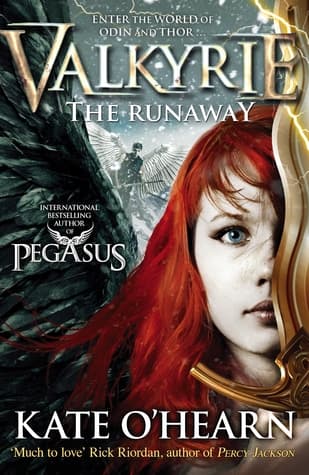
Kate O'Hearn
4.4

Jeanne Birdsall
4.4

Jen Wang
4.4

Wendelin Van Draanen
4.3

John Marsden
4.3

Chris Van Allsburg
4.3
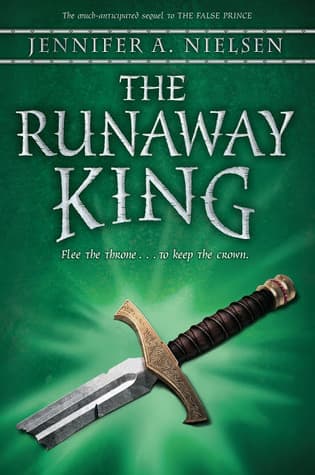
Jennifer A. Nielsen
4.2