“I am a mere nothing compared to the divine perfection of God, yet I am also a universe.”
— Reflecting on the nature of artistic creation and the artist's place in the world.

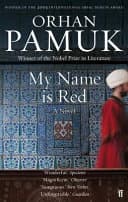
Orhan Pamuk (2011)
Genre
Historical Fiction / Creativity / Mystery
Reading Time
12-15 hours
Key Themes
See below
Sign in to track this book
In 16th-century Istanbul, a murdered miniaturist's death uncovers a dangerous plot within a secret art commission, forcing a master illuminator to solve the crime before the Sultan's deadline, while dealing with forbidden Western styles, love, and religious extremism.
The novel begins with Elegant Effendi, a miniaturist, speaking after his death. He describes his murder, how he was killed and thrown into a well. He had been working on a secret book for the Sultan, a book with European-style perspective and portraits, which many conservative imams saw as sacrilegious. Elegant Effendi suspects one of his fellow miniaturists—Butterfly, Stork, or Olive—is his killer. His death starts a series of events, forcing Master Osman, the lead miniaturist, and Black, who has returned, to investigate the crime while navigating the dangerous religious and artistic climate of Ottoman Istanbul. This first murder immediately sets up the main mystery and the high stakes in the art world.
After twelve years away, Black returns to Istanbul at his uncle Enishte Effendi's request, only to find Enishte murdered. Master Osman immediately involves Black in the investigation, needing an outsider's view. At the same time, Black renews his long-standing love for his cousin, Shekure, Enishte's widowed daughter. Shekure, with two sons, faces social pressure to remarry quickly and her own wish for a love match. She subtly influences Black and her other suitor, Hasan, to secure her family's future, showing her control in a male-dominated society. Black's return begins his dual search: to solve the murder and marry Shekure.
Master Osman, the old and respected head of the Sultan's workshop, faces many pressures. He must finish the secret book, which uses controversial Western art styles, for the Sultan within three days. He also feels responsible for finding Elegant Effendi's murderer. Osman gives Black the job of questioning the other miniaturists—Butterfly, Stork, and Olive—to find the killer, hoping Black's fresh perspective will see what he cannot. Osman deals with the changing art world, the threat of religious extremism, and his own aging, as he tries to protect the workshop and its artists while following the Sultan's wishes.
The Gold Forger, a craftsman who worked with the miniaturists, tells his story, revealing details about the night Elegant Effendi was murdered. He describes seeing the killer and hearing a confession, but fears for his own life if he tells too much. His account is broken and unreliable because of his fear and the general atmosphere of distrust. The Gold Forger's story highlights the widespread fear among those involved in the Sultan's controversial project and gives important, though hidden, information about the killer's identity and the tensions within the workshop that led to the crime. His fear shows the real danger faced by anyone connected to the 'Frankish' style.
Black questions the three remaining miniaturists: Butterfly, Stork, and Olive. Each artist, speaking for himself, gives an alibi and a unique view on art, life, and the murder. Butterfly is known for his detailed patterns, Stork for his animal drawings, and Olive for his expressive figures. Their stories show professional rivalries, different opinions on the 'Frankish' (Western) painting style, and personal dislikes. Through their individual confessions and comments, Black starts to piece together the events of the murder, while the reader learns more about the artistic and philosophical debates happening within the workshop and broader Ottoman society.
Shekure, a widow with two young sons, faces an uncertain future. To ensure her and her children's safety, she skillfully influences Black, her cousin and long-time admirer, and Hasan, a rich but less appealing suitor. She uses her beauty and cleverness to create competition between them, hinting at her preference for one over the other depending on the situation. Her actions are driven by practical needs, not just romantic love, showing the limited power of women in her society. This side plot connects with the murder mystery, as Black's wish to marry Shekure motivates his actions and adds personal stakes to his investigation.
Enishte's brother-in-law, a very conservative imam, represents the strong religious opposition to the Sultan's use of 'Frankish' art styles. He preaches against showing human figures and perspective, seeing them as sacrilegious and an imitation of non-believer art. His influence and words create a dangerous atmosphere for the miniaturists, making their secret project even more risky. His character represents the fundamentalist view common in 16th-century Istanbul, showing the political and religious risks of artistic newness. His presence adds a layer of fear and urgency to the unfolding mystery, as the artists face not only a murderer but also public condemnation.
In a profound and unsettling act, Master Osman intentionally blinds himself by piercing his own eyes. This act is a symbolic rejection of the 'Frankish' style of painting, especially its focus on individual perspective and portraits, which he believes leads to the sin of individuality and a departure from timeless, traditional Ottoman art. His self-inflicted blindness is also a final sacrifice, ensuring he will never again be tempted to paint in a way that differs from sacred traditions. This event shows the deep internal conflict within the art community and the novel's exploration of artistic identity and religious devotion.
The Gold Forger, the only true witness to Elegant Effendi's murder, is found dead, also thrown into a well. This second murder intensifies the investigation and points to a desperate killer. Through a series of deductions, combined with earlier testimonies and clues in the unfinished illustrations, Black finally identifies Olive as the murderer. Olive's motive is a mix of professional jealousy, a desire for artistic recognition, and a deeply held conservative religious belief that the 'Frankish' style is blasphemous and an insult to God. The killer's identity shows the deadly overlap of artistic rivalry and religious extremism.
After solving the murders and navigating complex social situations, Black finally marries Shekure. Their marriage is a personal win for Black, who had long wished for her, and a strategic move for Shekure, who finds stability and a loving partner. Their marriage happens amid the ongoing artistic and religious tensions in Istanbul, representing a small area of happiness and normal life in a world facing big changes. Their story offers a romantic contrast to the darker themes of murder and religious extremism, highlighting the human desire for connection and family.
Despite the murders, Master Osman's self-blinding, and ongoing religious disagreement, the Sultan's secret book is eventually finished. The remaining miniaturists, including Black, help complete it. While the book still includes some elements of the 'Frankish' style, it is done with more caution and perhaps some compromises to please conservative groups. The book's completion shows the resilience of art and artists, even when facing extreme danger and social pressure. It also reflects the Sultan's firm desire for a unique artistic legacy, despite the costs.
The novel ends with thoughts on the lasting power of art, the tension between tradition and new ideas, and the growing idea of individuality in art and personal identity. The various narrators, including the deceased Elegant Effendi and the dog, give their final thoughts on the events, leaving the reader to consider the meaning of seeing, representing, and believing. The Sultan's book, now complete, shows a changing world where Eastern and Western art traditions meet and mix, forever changing Ottoman art and challenging existing religious rules.
The Protagonist
Black transforms from a hesitant outsider into a resourceful detective and a committed family man, embracing both the demands of justice and love.
The Supporting
Shekure transitions from a vulnerable widow to a secure wife, achieving stability through her intelligence and strategic choices.
The Supporting
Master Osman grapples with the changing artistic world, culminating in a tragic act of self-blinding as a final stand for tradition.
The Victim/Narrator
His arc is presented in reverse, as his murder is the inciting incident, and his life and character are revealed through the investigation and the memories of others.
The Antagonist
Olive's character reveals a descent into fanaticism and violence, driven by his rigid artistic and religious beliefs.
The Supporting
Butterfly maintains his traditional artistic integrity throughout the turmoil, representing the enduring beauty of established styles.
The Supporting
Stork navigates the dangers of the workshop with a pragmatic approach, focusing on his craft and survival.
The Witness/Victim
The Gold Forger's arc is tragic, as his fear leads to his silence and ultimately his death, highlighting the cost of witnessing truth in a dangerous time.
The Mentioned
The Sultan's influence, though unseen, drives the central conflict between tradition and innovation, shaping the fate of the artists.
The novel explores the tension between traditional Ottoman miniature painting, which values anonymity, timelessness, and following set forms, and the developing 'Frankish' (Western) style, which promotes individuality, perspective, and realism. This conflict is key to the plot, as the Sultan's wish for a book with Western elements directly leads to the murders. Characters like Master Osman defend the traditional, while Elegant Effendi embraces the new, and Olive sees it as blasphemous. The debates among the miniaturists about the merits and dangers of each style reflect a wider cultural struggle in 16th-century Istanbul.
““I painted not to be seen, but to see. The eye of the master is the eye of God.””
A main theme is the idea of individual identity, especially in art. Traditional Islamic art valued anonymity; artists aimed to perfectly copy existing forms rather than create unique ones, thus honoring God rather than themselves. The introduction of Western portraits and perspective directly challenges this, promoting the artist's individual vision and the distinctiveness of the subject. The murders are partly caused by this conflict, as the killer believes showing individual faces and perspectives is a blasphemous act of self-importance. Characters like Elegant Effendi represent the wish for individual recognition, while Master Osman and Olive support the anonymous, divinely inspired tradition.
““If a master paints a horse, for instance, he does not paint the horse he sees but the horse he knows.””
Amidst the artistic and religious conflicts, the novel tells a compelling story of love and desire, mainly through Black and Shekure's relationship. Black's longing for Shekure drives much of his personal motivation and provides a human element to the intellectual discussions. Shekure, a widow, navigates social expectations and her own desires for security and affection, using her intelligence to secure her future. Their love story, full of manipulation, longing, and eventual marriage, highlights the human need for connection even in a turbulent world. It shows that personal happiness is pursued alongside larger societal and artistic concerns.
““A woman must make a man fall in love with her, if she wants to marry him. This is a cruel world for women.””
The novel repeatedly questions the nature of seeing, both literally and figuratively. Each narrator offers a different perspective on events, art, and truth, emphasizing that 'seeing' is subjective and shaped by belief, tradition, and personal experience. The debates about perspective in painting mirror the multiple narrative voices, each presenting their own version of reality. The story challenges the reader to combine the truth from these varied and often conflicting accounts, highlighting the difficulty of objective interpretation. Painting itself is an act of seeing and interpreting the world, and the novel explores how different cultures and individuals perform this act.
““I am a corpse, but I am not nothing. I am an eye that sees, a voice that speaks.””
The threat of religious extremism hangs over the miniaturists and the Sultan's project. Conservative imams and figures like Enishte's brother-in-law preach against the 'Frankish' style, seeing it as sacrilegious and an imitation of non-believer art. This religious fervor directly motivates the killer, Olive, who believes he is purifying art in God's name. The novel explores the dangers of rigid rules and intolerance, contrasting them with the more nuanced and open-minded views of characters like Black and even the Sultan, who are willing to accept new ideas. It shows how faith, when taken to extremes, can lead to violence and the suppression of creativity.
““A true Muslim painter never paints a face, for the face is the mirror of God. It is a sin to copy God’s creation.””
The story is told from the shifting perspectives of various characters, and even inanimate objects or concepts.
This is the most prominent plot device in 'My Name Is Red.' The narrative constantly shifts between different first-person narrators, including the murdered Elegant Effendi, Black, Shekure, Master Osman, the three suspected miniaturists (Butterfly, Stork, Olive), the Gold Forger, a dog, a coin, and even the color red and Death itself. This fragmented narrative structure creates a mosaic of perspectives, reflecting the novel's themes of subjective truth and the difficulty of objective seeing. It allows the reader to experience the story from multiple angles, forcing them to piece together the truth and understand the diverse motivations and beliefs of the characters, mirroring the process of interpreting art.
Many characters offer biased or incomplete accounts, challenging the reader's perception of truth.
Closely linked to the multiple narrators, the device of the unreliable narrator is crucial. Characters often present their own versions of events, driven by personal biases, fears, desires, or artistic philosophies. For example, the suspected miniaturists each offer alibis and justifications that may or may not be entirely truthful. The Gold Forger's testimony is heavily colored by his fear. Even Black, as the protagonist, has his own romantic agenda influencing his observations. This unreliability forces the reader to critically evaluate each perspective, much like a detective sifting through conflicting testimonies, and ultimately highlights the subjective nature of memory and truth.
The miniature paintings themselves serve as both thematic elements and direct clues to the murder.
Miniature paintings are not merely the setting but active participants in the plot. The 'Frankish' style, with its emphasis on individuality and perspective, is the catalyst for the conflict and murders. The incomplete illustrations for the Sultan's secret book contain hidden messages and stylistic quirks that provide clues to the killer's identity and motives. The act of painting, the choices of color, and the stylistic details are constantly discussed and analyzed by the characters, making art a living, breathing element of the story. The paintings serve as a visual language that communicates beyond words, revealing truths about the artists and their world.
A classic murder mystery framework drives the plot, building suspense and encouraging deduction.
Beneath the philosophical and artistic discussions, 'My Name Is Red' employs a traditional whodunit structure. The initial murder of Elegant Effendi, the subsequent investigation by Black, the limited number of suspects, and the search for clues create a compelling mystery. The Sultan's deadline adds urgency, and the second murder further complicates the case. This mystery framework provides the narrative backbone, engaging the reader in solving the puzzle and propelling the plot forward, while simultaneously allowing for deeper explorations of art, religion, and identity.
“I am a mere nothing compared to the divine perfection of God, yet I am also a universe.”
— Reflecting on the nature of artistic creation and the artist's place in the world.
“To be a storyteller is to be a witness to the world, to gather its colors and sounds, and to give them back in a new form.”
— The narrator muses on the role and responsibility of a storyteller.
“Blindness is not a punishment, but a different way of seeing.”
— A master miniaturist, now blind, offers his perspective on his condition and art.
“A good book is a book that opens the world to you, even if it is a world you already know.”
— Considering the impact and value of literature.
“The artist is not a creator, but a translator. He translates God's beauty into human understanding.”
— Debate among miniaturists about the nature of their craft and divine inspiration.
“If God wanted us to create new things, He would have given us new things to copy.”
— A traditionalist miniaturist argues against innovation in art.
“What is the difference between a master and a novice? The master knows what to omit.”
— Discussing the subtleties and skill involved in miniature painting.
“Love, like a good painting, should have layers of meaning, visible to those who know how to look.”
— A character reflects on the complexity of love and art.
“To be forgotten is a worse death than death itself.”
— A character fears the impermanence of his work and legacy.
“Colors speak to the soul, not to the eye.”
— The spiritual and emotional impact of colors in painting.
“Every beautiful thing is a copy of something more beautiful.”
— A philosophical discussion on beauty and its origins.
“The world is full of signs for those who are willing to see them.”
— Emphasizing the importance of observation and interpretation.
“Our paintings are not just pictures; they are prayers to God, offerings of our devotion and skill.”
— The religious significance and purpose of miniature painting.
“To truly see, one must sometimes close one's eyes.”
— Reflecting on inner vision and imagination in art.
Ready to see how well you understood this book? Take our interactive quiz with 10 questions.
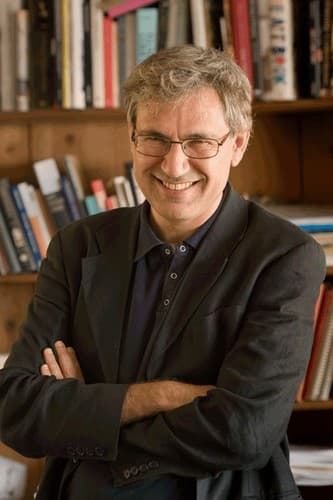
Ferit Orhan Pamuk is a Turkish novelist, screenwriter, academic, and recipient of the 2006 Nobel Prize in Literature. One of Turkey's most prominent novelists, he has sold over 13 million books in 63 languages, making him the country's best-selling writer.







