“The thing about being an orphan, even when you’re not really an orphan, is that it gives you a lot of time to imagine other lives.”
— Anne Shirley's perspective on her situation before coming to Green Gables.

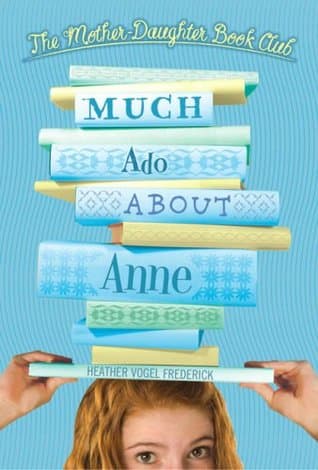
Heather Vogel Frederick (2008)
Genre
Children's / Young Adult
Reading Time
420 min
Key Themes
See below
Sign in to track this book
Four friends, joined by a new snooty member, must overcome a disastrous camping trip, a high-stakes fashion show, and their own differences to save one of their family farms before it's too late.
The story begins with the Mother-Daughter Book Club members—Emma, Jess, Cassidy, and Megan—hearing surprising news from their mothers. Mrs. Hawthorne announces that Becca Chadwick, a wealthy, snobbish classmate, and her mother, Mrs. Chadwick, will join the club for the year. The girls, especially Jess and Emma, who have had bad experiences with Becca, are immediately upset. Despite their protests, the mothers insist. The first book chosen for the year is L.M. Montgomery's classic, 'Anne of Green Gables'. The girls reluctantly accept the new arrangement, setting an uneasy mood for the club's upcoming meetings.
Jess, who lives on Half Moon Farm, overhears a worrying talk between her parents. She learns the farm, which has been in her family for generations, faces serious financial problems. Her parents are thinking about selling a large part of their land to a developer, Mr. Maxwell, as a last resort to avoid losing their home. This news deeply upsets Jess, who loves every part of farm life and its memories. The thought of losing her home and the farm's history weighs heavily on her, making her look for a way to save Half Moon Farm.
A winter skating party brings all the girls together outside of the book club. The event, meant to be fun, quickly shows the existing social differences. Becca Chadwick, with her expensive skates and superior attitude, tries to outshine everyone, especially Jess, who feels more self-conscious about her family's money problems. Emma, always trying to keep the peace, attempts to bridge the gap, but Becca's rude comments make it hard. The party shows the group's dynamics, with the original four girls often feeling left out by Becca's presence and her seemingly easy social dominance.
The mothers plan a mother-daughter camping trip, hoping it will help them bond and ease some of the tension. However, the trip quickly falls apart. Bad weather, poor planning, and personality clashes among the girls and mothers lead to a series of accidents. A fire almost gets out of control due to carelessness, causing a scare and more arguments. The experience is far from the perfect retreat they imagined, leaving everyone frustrated and highlighting the deep-seated resentments, especially between Becca and the other girls. The camping trip seems to make their differences worse, not better.
During a project, Emma starts to see a different side of Becca. She notices that Becca's seemingly perfect life is not what it seems. Emma sees Mrs. Chadwick being very demanding and critical of Becca, often pushing her to do well in school and social groups. This discovery helps Emma understand some of Becca's snobby behavior as a way to protect herself or cope with her mother's high expectations. This look into Becca's home life begins to change Emma's initial judgments, creating a new sense of empathy.
Inspired by 'Anne of Green Gables' and the need to save Half Moon Farm, the girls brainstorm ways to raise money. Jess, desperate to stop her family's land from being sold, suggests a fashion show. The idea gets mixed reactions, but the urgency of Jess's situation convinces everyone, including a surprisingly eager Becca, to join in. They decide to design and create their own outfits, aiming for a unique and memorable event. This ambitious project becomes a main focus, uniting the girls with a common goal, despite their remaining personal differences.
The fashion show preparations force the girls to work closely. They spend many hours sketching designs, finding materials, and practicing their modeling. Emma, with her artistic skill, leads the design. Cassidy uses her organizational skills for event logistics. Megan, with her quiet determination, helps with practical tasks. Even Becca, initially critical, shows unexpected talent and dedication, especially in her attention to detail. Through the shared creative process, they start to see each other's strengths and weaknesses, creating a sense of teamwork and mutual respect that slowly lessens their earlier dislike.
The fashion show is a big success, drawing a large crowd and receiving enthusiastic applause. The girls show off their creations with confidence and pride, and the event raises a lot of money. However, despite their hard work and the community's support, Jess's parents reveal that the funds raised, while significant, are still not enough to cover the farm's growing debts and stop the land sale to Mr. Maxwell. This news is a crushing blow to Jess and the other girls, who had put all their hopes into the event.
Just when all hope seems lost, Becca Chadwick, surprisingly, steps up. Using her family's wide network and her mother's business connections, Becca finds a historical preservation society that might be interested in Half Moon Farm. She learns that the farm's unique architecture and long history make it a possible candidate for a historical easement, which would provide financial help in exchange for preserving the property. This unexpected help from Becca shows a depth of character and resourcefulness the other girls had never seen in her, completely changing how they view her.
Following Becca's lead, the girls and their mothers work together to present Half Moon Farm's case to the historical preservation society. With Mrs. Chadwick's influence and Becca's research, they successfully get the easement, providing the needed funds to save the farm from being sold to Mr. Maxwell. The crisis is over, and Jess's family can stay on their beloved land. This group victory strengthens the bond between all the girls, including Becca, who is now truly accepted as a valued member of the book club. The experience changes their relationships, moving beyond just tolerating each other to genuine friendship and understanding.
The Protagonist
Jess grows from a girl burdened by fear for her home to a proactive leader who inspires her friends and learns to accept help from unexpected sources.
The Protagonist
Emma learns to look beyond superficial impressions and uses her empathy to understand and ultimately connect with someone she initially disliked.
The Antagonist/Supporting
Becca transforms from an isolated, snobbish rival to an integral, respected member of the group, revealing her true character and finding genuine friendship.
The Supporting
Cassidy learns to adapt her organizational skills to a larger, more complex group dynamic, embracing Becca's contributions.
The Supporting
Megan's quiet strength and loyalty contribute to the group's success, affirming her value within the book club.
The Supporting
Mrs. Hawthorne successfully expands the book club's inclusivity, proving her initial difficult decision was ultimately beneficial.
The Supporting
Mrs. Chadwick's influence, initially seen as a negative pressure on Becca, ultimately provides a crucial solution for the farm.
The Mentioned
Serves as the antagonist force that the girls must overcome.
The novel shows how real friendship can overcome initial dislike and social barriers. Becca Chadwick's forced inclusion in the Mother-Daughter Book Club first creates tension, but as the girls face a common challenge—saving Half Moon Farm—they learn to value each other's unique strengths, including Becca's. Scenes like the collaborative fashion show preparations and Becca's unexpected help highlight that true friendship is built on mutual respect and shared purpose.
“Perhaps it was only through sharing their burdens that they could truly lighten them.”
Jess's determination to save Half Moon Farm is a main theme, showing the importance of not giving up when facing big challenges. Despite problems, like the fashion show not raising enough money, Jess and her friends keep looking for solutions. Their group effort, driven by Jess's personal stake, shows that persistence, along with creative problem-solving and teamwork, can lead to unexpected wins. This theme matches the optimistic and resilient spirit of 'Anne of Green Gables'.
“It wasn't enough to wish for something; you had to work for it, even when it seemed impossible.”
The book explores the idea that people and situations are often more complex than they seem. Becca Chadwick, first seen as a simple snob, is shown to be a vulnerable girl seeking her mother's approval. Emma's growing empathy lets her see past Becca's outward appearance. Similarly, the seemingly perfect Half Moon Farm hides underlying financial problems. This theme encourages readers to look deeper, question assumptions, and understand the hidden complexities of people and situations, much like the layered characters in 'Anne of Green Gables'.
“You could never truly know what was going on inside someone else's heart, no matter how much you thought you did.”
Half Moon Farm is more than just a house; it represents Jess's family history, identity, and connection to the land. The threat of losing the farm shows the emotional and cultural importance of home. The girls' efforts to save it are not just about money, but about preserving a legacy and a way of life. This theme is reflected in 'Anne of Green Gables' with Anne's strong attachment to Green Gables, emphasizing the deep sense of belonging and roots that a beloved home provides.
“Half Moon Farm wasn't just a place; it was a part of who she was, etched into every memory and dream.”
The chosen book mirrors the characters' personal journeys and group dynamics.
The selection of 'Anne of Green Gables' as the book club's read serves as a powerful parallel to the girls' own experiences. Anne's initial status as an outsider, her vivid imagination, her dramatic friendships (like with Diana), and her eventual acceptance into Green Gables reflect Becca's journey, Emma's artistic spirit, and the overall theme of finding belonging. The book provides a framework for the girls to discuss and understand their own developing relationships and challenges, offering subtle guidance and inspiration, particularly in overcoming social hurdles and appreciating unique personalities.
A ticking clock that creates urgency and unites the characters.
The financial jeopardy facing Half Moon Farm acts as a critical plot device, introducing a significant external conflict and a ticking clock. This threat creates immediate urgency for Jess and, by extension, the entire book club. It forces the girls to set aside their personal squabbles and work together towards a common, tangible goal. Without this looming crisis, the motivation for Becca to genuinely engage and for the others to accept her might not have been strong enough, thus serving as the primary catalyst for their collective growth and the resolution of their interpersonal conflicts.
A collaborative project that fosters teamwork and reveals hidden talents.
The decision to organize and execute a fashion show is a key plot device for character development and plot advancement. It provides a concrete, creative task that requires the girls to collaborate closely, leveraging their individual strengths (Emma's design, Cassidy's organization, Becca's attention to detail). This shared endeavor forces them to communicate, compromise, and rely on each other, breaking down barriers and revealing unexpected talents and positive traits in Becca. It also serves as a visible demonstration of their collective effort, even if the initial financial outcome isn't sufficient.
“The thing about being an orphan, even when you’re not really an orphan, is that it gives you a lot of time to imagine other lives.”
— Anne Shirley's perspective on her situation before coming to Green Gables.
“It's all very well to be sensible and practical, but sometimes a girl just needs a little bit of sparkle.”
— Anne's desire for beauty and fancy things, contrasting with practical advice.
“Sometimes the best adventures are the ones you don't plan for.”
— Reflecting on unexpected events and opportunities.
“A good friend is like a rare jewel, precious and hard to find. Hold onto them tightly.”
— Anne's appreciation for Diana Barry and the value of true friendship.
“You can't always choose what happens to you, but you can choose how you react to it.”
— Anne's resilience in facing challenges and disappointments.
“The world is full of interesting things if you just open your eyes and look.”
— Anne's ability to find wonder and beauty in everyday life.
“Mistakes are just opportunities to learn something new, even if they're embarrassing at the time.”
— Anne reflecting on her various mishaps and their lessons.
“It's not about being perfect, it's about being true to yourself.”
— Anne's journey of self-acceptance and embracing her unique qualities.
“Imagination is a wonderful thing. It can take you anywhere.”
— Anne's reliance on her imagination for comfort and entertainment.
“Sometimes the quietest people have the loudest dreams.”
— Perhaps referring to Marilla or other characters who might seem reserved but have deep desires.
“Home isn't just a place, it's a feeling. It's where you belong.”
— Anne's experience of finding a true home at Green Gables.
“Never underestimate the power of a good story.”
— Anne's love for reading, storytelling, and the impact of narratives.
“Even the smallest kindness can make the biggest difference.”
— Highlighting the impact of compassion and thoughtful gestures.
“The best way to get over a disappointment is to find something new to be excited about.”
— Anne's optimistic approach to overcoming setbacks.
Ready to see how well you understood this book? Take our interactive quiz with 10 questions.

Biography coming soon.
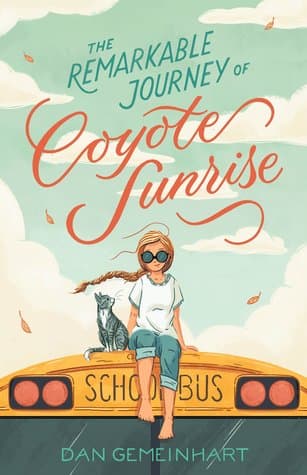
Dan Gemeinhart
4.5
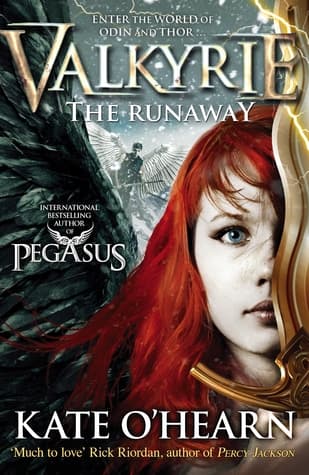
Kate O'Hearn
4.4

Jeanne Birdsall
4.4

Jen Wang
4.4
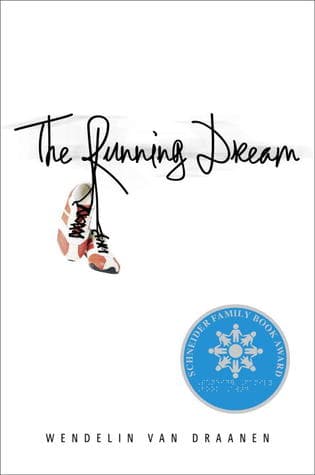
Wendelin Van Draanen
4.3

John Marsden
4.3

Chris Van Allsburg
4.3
Jennifer A. Nielsen
4.2