“A horse is worth more than riches.”
— Paul and Maureen's grandfather expresses the value of horses over material wealth.

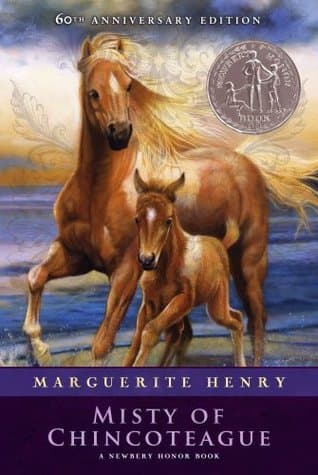
Marguerite Henry (1824)
Genre
Children's / Historical Fiction / Young Adult
Reading Time
176 min
Key Themes
See below
Sign in to track this book
On Chincoteague's wild shores, two siblings chase the legendary, untamable mare called the Phantom. They find her secret colt, Misty, and work to make them their own.
Paul and Maureen Beebe, orphaned siblings, live with their grandparents, Grandpa and Grandma Beebe, on Chincoteague Island, Virginia. Their lives center on the sea, fishing, and the island's culture. The children are especially drawn to the wild ponies that live on nearby Assateague Island. They often watch the ponies from a distance, particularly the legendary mare known as 'The Phantom,' a wild horse said to be very fast. The Phantom is known for avoiding capture during the yearly Pony Penning Day roundup, making her a symbol of wildness and freedom that impresses the children.
Paul and Maureen want to own the Phantom. They imagine what it would be like to ride her. Knowing that the wild ponies are rounded up once a year and sold at auction during Pony Penning Day, they begin saving all their money. Paul takes extra fishing jobs, and Maureen helps with chores, all to earn enough to bid on the Phantom. Their grandparents support them but are doubtful, reminding them that the Phantom is known for being uncatchable and untamable. This only makes the children more determined.
As Pony Penning Day gets closer, excitement grows on Chincoteague Island. Plans for the yearly event, where the wild ponies swim across the channel from Assateague to Chincoteague, start. Paul and Maureen's anticipation grows, mixed with worry about whether they can catch and afford the Phantom. They keep saving diligently, hoping their money will be enough. Islanders discuss the coming roundup, sharing stories of past events and guessing if the Phantom will escape again.
The day of the roundup comes. Paul joins other islanders in the hard work of herding the wild ponies across the channel. During the exciting event, the Phantom is finally caught. Everyone is surprised, especially Paul, when they find the Phantom is not alone. Running beside her is a tiny, silvery-gray newborn foal, barely a day old, whom Paul names Misty. This unexpected arrival adds a new challenge and wonder to their dream of owning the wild mare.
At the Pony Penning Day auction, Paul and Maureen, with their saved money, bravely bid for the Phantom and her foal, Misty. The bidding is strong, and the children are nervous, but their resolve is steady. With their own savings and some help from their grandparents, they outbid other buyers. The crowd, touched by the children's earnestness and the bond already forming with the wild mare and her unique foal, cheers as the Phantom and Misty are sold to Paul and Maureen Beebe.
Bringing the wild Phantom and her foal, Misty, back to their small stable on Chincoteague is a big challenge. The Phantom, true to her reputation, is jumpy and avoids human touch. Misty, though young, has her mother's wild spirit. Paul and Maureen are patient and gentle. They spend hours simply being near the ponies, offering food, and slowly building trust. Paul focuses on the Phantom, knowing that if he can gain her confidence, Misty will follow. Their efforts test their patience and understanding of animals.
Under Paul and Maureen's gentle care, Misty slowly adjusts to her new life. She shows signs of being smart and responsive, learning to accept touch and even a halter. However, the Phantom stays mostly untamed. She is very protective of Misty and keeps a careful distance from the children, always ready to run. This difference creates a problem: how can they fully tame Misty if her mother's wildness constantly influences her? Paul and Maureen understand they must earn the Phantom's trust for both ponies to do well with them.
Paul enters Misty in a local race, hoping to show her speed and spirit. Everyone is happy when Misty proves to be a fast and agile pony, winning the race and getting noticed for her unique qualities. Her win attracts a rich pony buyer from the mainland who offers a lot of money for Misty. This puts Paul and Maureen in a hard spot. While they love Misty, the money could greatly help their family and give the foal a good future. They are torn between their feelings and practical needs.
One day, the Phantom, still wild, escapes her enclosure and returns to Assateague Island. Paul and Maureen are sad, fearing they have lost her for good. However, the bond between the mare and her foal is stronger than the call of the wild. The Phantom, driven by her mother's instinct, eventually returns to Chincoteague, drawn back by Misty's whinnies. This event shows the children the deep connection between the two ponies and strengthens their commitment to keeping them together.
After much thought and struggle, Paul and Maureen decide not to sell Misty. They realize their love for the pony and the bond they have with both Misty and the Phantom are worth more than any money. They put the ponies' happiness and well-being first, choosing to keep them together on Chincoteague. This decision shows their maturity and deep understanding of the wild spirit they have come to love, committing to a future where Misty and the Phantom remain part of their family.
With the decision made, Paul and Maureen continue to work with Misty, who becomes a loved and spirited riding pony. The Phantom, while never fully losing her wildness, stays a constant and cherished part of their lives. She eventually lets Paul and Maureen care for her, seeing them as part of her herd. The story ends with the Beebe children having successfully brought the wild ponies into their lives, celebrating Chincoteague's spirit and the lasting bond between humans and animals. Misty represents the island and the children's dream come true.
The Protagonist
Paul grows from a dreaming boy into a responsible young man, learning the value of patience, perseverance, and the true meaning of ownership beyond material gain.
The Protagonist
Maureen develops from a child full of dreams into a compassionate and understanding young girl, learning to balance desire with responsibility and love.
The Supporting
Grandpa Beebe transitions from a cautious observer to a proud supporter, witnessing his grandchildren's determination and success.
The Supporting
Grandma Beebe remains a steadfast source of love and support, her character serving as an anchor for the children.
The Supporting
The Phantom transitions from an untouchable legend to a cherished, though still wild, member of the Beebe family, demonstrating the power of maternal love.
The Protagonist
Misty grows from a wild foal into a cherished and well-trained riding pony, symbolizing the children's realized dream and the enduring spirit of the Chincoteague ponies.
The Mentioned
Not a developed character, but a plot device that forces a crucial decision.
The Supporting
The community remains a stable and supportive backdrop, celebrating the continuation of their traditions.
This theme looks at the tension between nature's wildness and the human desire to tame it. The Phantom shows the untamed spirit, always resisting domestication, while Misty, her foal, is a link between these two worlds. Paul and Maureen's journey is about respecting wildness while building a loving connection, as when the Phantom escapes but returns due to her bond with Misty, showing that even the wild can choose connection.
“"You'll never catch the Phantom," says Grandpa. "That horse is fast as the wind. She's escaped from every roundup on the island!"”
The children's steady work to catch and tame the Phantom and Misty shows how important patience and determination are. From saving money to spending hours building trust with the shy ponies, Paul and Maureen show that big goals need steady effort and a gentle way. Their success with Misty, and partly with the Phantom, is a direct result of their consistent and understanding care, showing that real bonds take time.
“"Paul didn't try to touch the Phantom. He just stood there, quiet and still, letting her get used to his presence."”
The strong love Paul and Maureen have for Misty and the Phantom comes with much responsibility. This is clear in their hard work to care for the ponies, their difficult decision not to sell Misty for money, and their commitment to keeping the mother and foal together. Their actions show that real love for an animal means putting its well-being first, showing a mature understanding of care and the sacrifices that come with deep affection.
“"We can't sell Misty, Paul. She's part of us. And the Phantom needs her."”
Paul and Maureen's dream of owning the Phantom drives the whole story. Despite doubts from their grandparents and the challenge of catching a legendary wild mare, their determination never stops. Their efforts, from saving money to joining the dangerous roundup, show that with enough resolve, even big dreams can happen. Getting Misty and the Phantom shows the children's strong spirit.
“"I'm going to capture her myself," says Paul.”
The yearly Pony Penning Day and life on Chincoteague Island are central to the story. They show the strong community and the keeping of unique traditions. The islanders' part in the roundup and auction, their shared stories of the wild ponies, and their support for Paul and Maureen highlight the importance of cultural history. This theme shows how traditions connect a community and provide a background for individual stories.
“"Pony Penning Day was the most important day of the year on Chincoteague."”
The annual event that drives the plot and provides cultural context.
Pony Penning Day is both a real-life tradition on Chincoteague and a central plot device in the book. It serves as the primary mechanism for the children to acquire the wild ponies, creating the initial conflict and opportunity. Beyond its plot function, it provides rich cultural and historical context, showcasing the unique customs of the island and the deep connection between the islanders and the wild ponies of Assateague. It's the climax of the first act and a recurring motif representing the cycle of life on the islands.
A symbol of wildness and the primary object of the children's desire.
The legend of The Phantom, an untamable wild mare, serves as a powerful symbol throughout the story. She represents the allure of the wild, the seemingly impossible dream, and a challenge to human dominance. Her legendary status elevates the stakes for Paul and Maureen, making her capture and eventual partial taming a testament to their extraordinary determination and patience. Her wildness sets a high bar for their efforts and makes Misty's taming even more significant.
An unexpected twist that deepens the narrative and characters' commitment.
Misty's sudden appearance alongside the Phantom during the roundup is a significant plot twist. It transforms the children's goal from merely capturing a wild mare to caring for a mother and her vulnerable foal, adding layers of emotional depth and responsibility to their quest. Misty's birth makes the Phantom's capture more dramatic and provides a more approachable subject for the children's taming efforts, while also strengthening the emotional bond between the wild mare and the human characters, particularly when the Phantom returns for her foal.
A moral dilemma that tests the characters' values.
The children's financial struggle to save money for the ponies, contrasted with the wealthy pony buyer's offer for Misty, creates a significant moral dilemma. This device forces Paul and Maureen to weigh material gain against the emotional value of their beloved ponies and the bond they've formed. Their ultimate decision to keep Misty, despite the financial benefits of selling her, highlights the theme of love and responsibility over monetary wealth, reinforcing the core values of the story.
“A horse is worth more than riches.”
— Paul and Maureen's grandfather expresses the value of horses over material wealth.
“The Phantom was not a horse to be owned. She was a creature of the wind and the sea.”
— Description of the wild mare Phantom, emphasizing her untamed nature.
“It's the trying that counts.”
— Grandpa Beebe encourages the children after a setback in taming the Phantom.
“Every living thing has a right to its own freedom.”
— Paul reflects on the ethics of capturing wild horses.
“The island was a world of its own, with its own laws and its own magic.”
— Narration describing the unique atmosphere of Chincoteague and Assateague.
“You don't break a wild thing; you gentle it.”
— Advice given on how to approach taming the Phantom.
“Misty was the color of a wild duck's wing.”
— Descriptive passage about the foal Misty's appearance.
“Sometimes the hardest thing and the right thing are the same.”
— Paul struggles with the decision to keep or sell Misty.
“The roundup was like a page out of history.”
— Description of the annual Pony Penning event.
“A horse remembers kindness longer than anything else.”
— Observation about building trust with animals.
“The sea and the sky were one, and the ponies were part of it all.”
— Poetic description of the coastal landscape and the wild ponies.
“It's not the price you pay, but the love you give.”
— Grandma Beebe talks about the true value of caring for animals.
“The wind carried the sound of hoofbeats like a promise.”
— Atmospheric line evoking the presence of the wild ponies.
“To understand a horse, you must think like a horse.”
— Practical wisdom shared by an experienced horse handler.
Ready to see how well you understood this book? Take our interactive quiz with 10 questions.
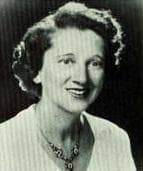
Biography coming soon.
Dan Gemeinhart
4.5
Kate O'Hearn
4.4

Jeanne Birdsall
4.4

Jen Wang
4.4
Wendelin Van Draanen
4.3

John Marsden
4.3

Chris Van Allsburg
4.3
Jennifer A. Nielsen
4.2