“In an old house in Paris that was covered with vines lived twelve little girls in two straight lines.”
— Opening lines introducing the setting and characters.

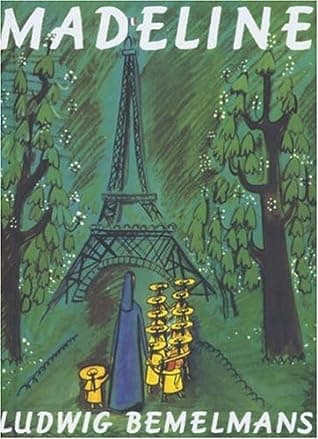
Ludwig Bemelmans (1900)
Genre
Children's / Young Adult
Reading Time
5 min
Key Themes
See below
Sign in to track this book
Madeline, the smallest and bravest girl at a Parisian boarding school, goes to the hospital for an appendectomy, an adventure that makes her the envy of her classmates.
In an old house in Paris, covered in vines, lived twelve little girls in two straight lines. The smallest and most spirited among them was Madeline. Every day, under the watchful eye of their governess, Miss Clavel, the girls followed a strict routine. They ate their bread and butter, brushed their teeth, went to bed, and woke up again, always moving in their neat, disciplined formation. Despite their uniformity, Madeline stood out with her daring and independent nature, often making Miss Clavel worry.
Madeline was not afraid of mice, nor was she afraid of lions. This clearly made her different from her eleven companions. She was known for her bold and sometimes mischievous behavior. One time, she teased a tiger at the zoo, showing her lack of fear and her adventurous spirit. This scene further shows her unique personality within the group of otherwise well-behaved girls, often leading Miss Clavel to exclaim, 'Goodness, gracious, me!'
One night, Miss Clavel woke up suddenly. Feeling that something was wrong, she quickly put on her shoes and coat and checked on the girls. She found that Madeline was not well. Madeline was crying and holding her stomach, clearly in pain. Miss Clavel immediately knew that something serious was happening and that Madeline needed urgent medical attention. This sudden illness changes the girls' routine life into an unexpected crisis.
Without delay, Miss Clavel carried Madeline out of the house and into the night. They quickly went to a hospital. There, doctors examined Madeline and decided she needed an operation. They found she had appendicitis, and her appendix had to be removed. This unexpected medical emergency brings a serious tone to the story, contrasting with the lighthearted routine shown earlier, and puts Madeline in a vulnerable situation.
The very next morning, Madeline felt much better. She ate and enjoyed her hospital stay. She received many flowers and a doll from her father, making her hospital room feel less lonely. The other eleven girls, with Miss Clavel, came to visit her, bringing even more cheer. Madeline proudly showed off her scar, a sign of her bravery and recent adventure, making her the center of attention.
During their visit, Madeline lifted her nightgown to show her appendectomy scar. The other eleven girls were very interested in it. They looked at the scar with a mix of awe and envy, seeing it as a badge of honor and a clear sign of Madeline's unusual experience. This moment makes Madeline's status among her peers special, changing her illness into an admirable adventure and further showing her individuality.
After their visit, the eleven girls and Miss Clavel returned to their old house, walking in their usual two straight lines. As they walked, they thought about Madeline and her brave experience. They wondered about the scar and the excitement of the hospital visit. The experience left a strong impression on them, making them think about their own lives and perhaps wish for a similar, though less painful, adventure.
Back in their beds, the eleven girls could not sleep. Their minds were still full of thoughts of Madeline's scar and her adventure. One by one, they began to cry, all wanting to have their appendix out too. This shows how much Madeline influences her friends and their wish to share in her unusual experience, even if it means having surgery. Miss Clavel, hearing their cries, knew she had to do something.
Miss Clavel, understanding the girls' sadness and their longing for a scar like Madeline's, quickly knew what was happening. She rushed into their dormitory, realizing that their envy and fascination had led them to wish for an appendectomy themselves. She simply said, 'Goodnight, little girls! Thank the Lord you are well! And now go to sleep!' Her words calmed them and ended their unusual night of wanting something like Madeline's experience, bringing the story to a peaceful close.
The Protagonist
Madeline begins as a unique and spirited child, faces a medical challenge with bravery, and emerges as an admired figure among her peers.
The Supporting
Miss Clavel consistently serves as the nurturing and responsible guardian, ensuring the girls' well-being throughout their routines and crises.
The Supporting
They begin as a uniform group but become influenced and inspired by Madeline's singular experience, leading to a shared desire for adventure.
The Mentioned
N/A
The Mentioned
N/A
The story consistently contrasts Madeline's unique and daring personality with the uniform behavior of the other eleven girls. While the group moves in 'two straight lines' and follows strict routines, Madeline is 'not afraid of mice' or 'lions' and teases tigers. Her appendectomy and subsequent scar further show her individuality, making her stand out from her peers who initially conform but later wish to be like her. This theme celebrates being different.
“In an old house in Paris that was covered with vines lived twelve little girls in two straight lines. They left the house at half past nine in two straight lines, in rain or shine. The smallest one was Madeline.”
Madeline is brave throughout the story. Her fearlessness is clear early on through her interactions with animals, showing she is 'not afraid of mice, she was not afraid of lions.' This bravery is most evident when she faces an unexpected illness and has an appendectomy. Her quick recovery and proud display of her scar show great endurance and a lack of fear, inspiring admiration from her friends and turning a potentially scary event into an adventure.
“And the smallest one was Madeline. She was not afraid of mice, she loved winter, snow, and ice. To the tiger in the zoo Madeline just said, 'Pooh-pooh.'”
Madeline's unique appendectomy experience makes the other eleven girls admire and envy her. When Madeline proudly shows her scar, her friends are 'filled with awe' and, back home, all wish to have their 'appendix out' too. This shows how a single, dramatic event can make one person special in the eyes of their peers, making her experience desirable, even if it involves pain or surgery. It demonstrates the human desire for special attention and adventure.
“The other little girls said, 'Boo-hoo, we want our appendix out, too!'”
The story starts by showing a strict and comforting routine for the twelve girls under Miss Clavel's care, from eating 'bread and butter' to brushing their teeth. This predictable order is suddenly broken by Madeline's appendicitis, leading to an emergency hospital visit. While the disruption is significant, the story quickly returns to a new normal, with Madeline recovering and the other girls returning to their routine. This theme looks at how unexpected events challenge established patterns and how life eventually returns to a sense of order, though with new experiences.
“In two straight lines they broke their bread and brushed their teeth and went to bed.”
Creates a memorable and engaging narrative flow
Bemelmans employs a consistent pattern of rhyming couplets and a strong, sing-song rhythm throughout the book. This poetic structure makes the story highly engaging and easy for young readers to follow and remember. For example, 'In an old house in Paris that was covered with vines / Lived twelve little girls in two straight lines.' This device enhances the whimsical tone and serves to underscore the routine and order, making the disruptions more impactful.
Highlights Madeline's individuality through illustrations
The illustrations frequently use visual contrast to emphasize Madeline's uniqueness. While the other eleven girls are often depicted uniformly, in their 'two straight lines' and similar postures, Madeline is consistently shown in a distinct pose, expression, or activity. For instance, in the zoo scene, she alone confronts the tiger. This visual device reinforces the theme of individuality versus conformity, making Madeline's spirited nature immediately apparent to the reader.
Reinforces routines and character traits
Repetition is used effectively to establish the girls' daily routine and Madeline's defining characteristics. Phrases like 'in two straight lines' are repeated to underscore the conformity, while descriptions of Madeline's fearlessness (e.g., 'She was not afraid of mice, she was not afraid of lions') are reiterated. This device helps to build a predictable narrative structure, making the moments of disruption more surprising and memorable, and solidifying key character traits in the reader's mind.
Represents bravery, experience, and individuality
Madeline's appendectomy scar serves as a powerful symbol in the story. Initially, it's a physical mark of her illness and recovery. However, when she proudly displays it, the scar transforms into a symbol of her bravery, her unique experience, and her individuality. For the other girls, it becomes an object of fascination and envy, representing an adventure and a badge of honor that sets Madeline apart. It externalizes an internal journey of courage.
“In an old house in Paris that was covered with vines lived twelve little girls in two straight lines.”
— Opening lines introducing the setting and characters.
“They left the house at half past nine in two straight lines in rain or shine.”
— Describes the girls' daily routine and discipline.
“The smallest one was Madeline.”
— Introduces the protagonist, highlighting her uniqueness.
“She was not afraid of mice. She loved winter, snow, and ice.”
— Shows Madeline's fearless and adventurous nature.
“And nobody knew so well how to frighten Miss Clavel.”
— Highlights Madeline's mischievous side and relationship with the caretaker.
“In the middle of the night, Miss Clavel turned on her light and said, 'Something is not right!'”
— Miss Clavel senses trouble, leading to the discovery of Madeline's illness.
“And soon after Dr. Cohn came, he rushed out to the phone, and he dialed: DANton-ten-six.”
— The doctor's urgent response to Madeline's appendicitis.
“To the hospital in no time flat, Madeline went, with a doll and a ball and a gift from Papa.”
— Madeline is taken to the hospital, bringing comfort items.
“And she had to stay in bed for ten days.”
— Describes the length of Madeline's hospital recovery.
“When they returned to the house in Paris covered with vines, they brushed their teeth and went to bed.”
— The girls resume their routine after visiting Madeline.
“Good night, little girls! Thank the lord you are well! And now go to sleep!”
— Miss Clavel's relieved bedtime words after the scare.
“And she smiled at the ceiling, and she smiled at the wall, and she smiled at Miss Clavel, and the toys and all.”
— Madeline's cheerful demeanor even in the hospital.
“But the biggest surprise by far was the scar! For they saw her scar!”
— The other girls are amazed by Madeline's appendectomy scar.
“We want to have our appendix out, too!”
— The other girls express envy after seeing Madeline's scar.
Ready to see how well you understood this book? Take our interactive quiz with 10 questions.
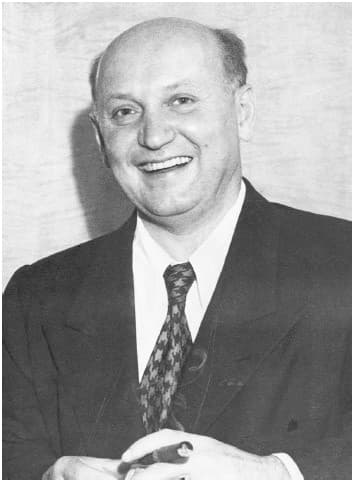
Biography coming soon.

Dan Gemeinhart
4.5

Kate O'Hearn
4.4

Jeanne Birdsall
4.4

Jen Wang
4.4

Wendelin Van Draanen
4.3

John Marsden
4.3

Chris Van Allsburg
4.3
Jennifer A. Nielsen
4.2