BookBrief
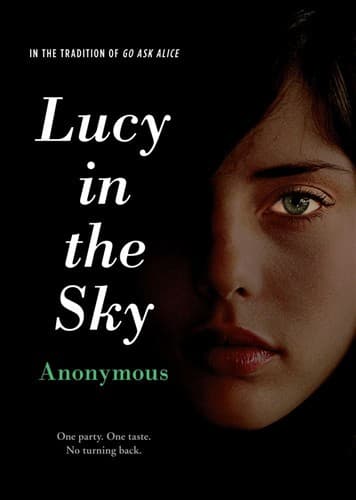
Lucy in the Sky cover
Archivist's Choice

Lucy in the Sky

Anonymous (2012)

Genre

Young Adult / Romance

Reading Time

12 Minutes

Key Themes

See below

Track Your Reading

Sign in to track this book

A seemingly perfect Santa Monica teen's life unravels into a desperate cycle of addiction after one party changes everything, meticulously documented in the diary she left behind.

Synopsis

Lucy, a seemingly ordinary sixteen-year-old living an idyllic upper-middle-class life in Santa Monica, finds her world irrevocably altered after attending a single party. What begins as casual experimentation with alcohol and drugs rapidly escalates into a full-blown addiction. Through her raw, first-person diary entries, Lucy chronicles her descent into a dangerous lifestyle, abandoning her studies, friends, and family in pursuit of her next high. The narrative unflinchingly portrays the devastating impact of addiction, from her initial taste of euphoria to the tragic consequences that ultimately define her journey.
Difficulty
Medium
Pacing
Moderate
Mood
Gritty, Tragic, Intense, Reflective

Plot Summary

Sweet Sixteen and a Taste of Freedom

The story begins with Lucy, a typical sixteen-year-old, celebrating her birthday. She lives in an affluent Santa Monica neighborhood with her loving parents and academically focused older brother. Her life seems perfect, filled with school, friends, and normal teenage worries. However, a turning point occurs at her birthday party when she tries alcohol for the first time. The initial experience is exciting and new, offering a sense of rebellion and maturity she finds appealing. This experimentation starts a subtle shift in her perception of pleasure and risk, setting the stage for future, more dangerous choices. She enjoys feeling uninhibited and part of the 'in' crowd.

The Slippery Slope of Social Experimentation

After her first experience, Lucy's social life increasingly involves parties and substance use. What starts as occasional drinking with friends quickly escalates to experimenting with marijuana and other drugs. She tells herself she is just like other teenagers who party and ignores any internal warnings. Her old friends, less interested in constant partying, begin to drift away. A new, edgier crowd replaces them. This new group encourages and normalizes her increasing drug use, making her believe her behavior is acceptable and even cool. Her diary entries from this period show a growing preoccupation with finding her next high and fitting in with her new companions.

Academic Decline and Parental Blindness

As Lucy's drug use intensifies, her commitment to school and her future quickly deteriorates. Her once-good grades suffer dramatically, and she frequently skips classes, preferring to spend her time getting high or with her new friends. She finds it harder to concentrate, and her priorities shift entirely from academic achievement to securing her next fix. Despite her obvious changes in behavior and declining performance, her parents, busy with their own lives and perhaps in denial, do not recognize the seriousness of her problem. They attribute her mood swings and academic struggles to typical teenage rebellion, missing the clear signs of addiction. Lucy becomes good at hiding her activities.

The Allure of a Darker World

Lucy fully embraces the drug subculture, finding a sense of belonging and acceptance among her new friends that she feels is missing elsewhere. The thrill of living on the edge, constantly seeking the next high, becomes her main focus. She begins to see her previous 'good girl' life as boring and restrictive. The diary entries show a growing detachment from her family and former values, replaced by a desperate need for the immediate gratification and escape drugs provide. She convinces herself that this new lifestyle is exciting and authentic, even as her physical and mental health visibly decline. Her identity becomes tied to her drug use and the edgy image of her new companions.

Confrontations and Defiance

Lucy meets sporadic attempts by her parents or brother to address her changing behavior with defiance and anger. She dismisses their concerns as overreactions or attempts to control her life. She becomes skilled at manipulation and lying, covering up her drug use and whereabouts. Her relationship with her family grows strained, marked by frequent arguments and a widening emotional distance. She resents their interference, seeing them as obstacles to her freedom and pursuit of pleasure. These confrontations, though often painful, fail to break through her denial or deter her from her path, as she is too deeply entrenched in her addiction.

Escalation and Desperation

As her tolerance grows, Lucy's drug use increases, requiring more frequent and stronger doses to achieve the desired effect. She begins to take greater risks to get drugs, including stealing money from her parents and engaging in illegal activities. The initial euphoria of her highs is increasingly replaced by a desperate need to avoid withdrawal and the harsh realities of her deteriorating life. Her diary entries become more frantic and focused on how to get high, reflecting a loss of control and a growing sense of desperation. The joy is gone, replaced by a relentless cycle of craving and temporary relief, pushing her further into addiction.

Moments of Clarity and Guilt

Amidst the haze of addiction, Lucy has fleeting moments of clarity, recognizing the destructive path she is on. She feels pangs of guilt, particularly about her family and the girl she used to be. These moments often come with a desire to change, to escape the cycle of drug use. However, the overwhelming power of her addiction and the fear of withdrawal quickly extinguish these sparks of hope. She finds herself unable to break free, succumbing to the cravings and the influence of her drug-using friends. These brief glimpses of her former self are tragic reminders of what she is losing.

The Isolation of Addiction

Despite being constantly surrounded by her new 'friends,' Lucy experiences deep isolation. Her relationships are superficial, built solely on shared drug use, and lack genuine connection or emotional support. She finds herself unable to communicate her true feelings or struggles to anyone, fearing judgment or abandonment. Her family feels distant, and her old friends are long gone. This isolation deepens her reliance on drugs as her only source of comfort and escape, creating a vicious cycle. The diary entries reveal a deep loneliness and a sense of being trapped, even as she continues to chase the fleeting high.

Physical and Mental Deterioration

The toll of Lucy's prolonged drug abuse becomes increasingly evident in her physical appearance and mental state. She loses weight, her skin becomes sallow, and her eyes appear hollow. Her once bright personality is replaced by irritability, paranoia, and depression. She suffers from extreme mood swings, anxiety, and an inability to experience joy without drugs. Her diary entries become disjointed and erratic, reflecting her fragmented mental state. Her body and mind are ravaged by the constant assault of substances, leaving her a shadow of her former self. The physical signs become undeniable, even to her previously oblivious parents.

A Final, Desperate Act

The cumulative weight of her addiction, isolation, and the irreversible damage to her life leads Lucy to deep despair. She finds herself completely overwhelmed, unable to envision a way out of her predicament. The once-glamorous world of partying has become a living hell, and the fleeting highs no longer offer comfort. In her final diary entries, a sense of hopelessness pervades, indicating a complete loss of will to live. The narrative culminates in her tragic decision to end her life, a final desperate act chronicled in the diary she leaves behind. Her last breath marks the end of her struggle, a stark warning of addiction's ultimate cost.

Principal Figures

Lucy

The Protagonist

Lucy transforms from an innocent, promising teenager into a desperate, isolated addict, ultimately succumbing to the destructive power of her choices.

Lucy's Mom

The Supporting

She moves from a state of contented parental oversight to growing concern, and ultimately, to the devastating realization of her daughter's addiction and loss.

Lucy's Dad

The Supporting

He remains largely unaware and then frustrated by Lucy's decline, culminating in the tragic realization of her fate.

Lucy's Brother

The Supporting

He observes Lucy's decline with increasing concern but is unable to intervene effectively.

New Friends (Unnamed Group)

The Supporting/Antagonistic

They remain static, serving as a constant negative influence that pulls Lucy deeper into addiction.

Themes & Insights

The Peril of Addiction

The central theme explores how drug addiction destroys lives. It shows how seemingly innocent experimentation can quickly become a life-consuming dependency, eroding one's identity, relationships, and future. The diary format offers a direct, first-person account of addiction's progression, from initial euphoria to desperate craving and ultimate despair, highlighting the loss of control and the physical and psychological toll it takes. It warns about how easily one can fall into substance abuse and how hard it is to escape.

I used to think I was in control. Now, I just chase the feeling, and it chases me, always a step behind, always wanting more.

Lucy (diary entry)

Loss of Innocence

This theme traces Lucy's rapid fall from a 'good girl' with a bright future to a drug-addicted teenager. Her sixteenth birthday marks the symbolic end of her innocence as she tries alcohol, opening the door to a world of illicit substances. The narrative carefully chronicles how her initial curiosity and desire for excitement progressively strip away her naiveté, replacing it with cynicism, manipulation, and a deep understanding of life's darker side. Her diary shows the erosion of her youthful optimism and the devastating impact of her choices on her perception of herself and the world.

The girl I was on my sixteenth birthday feels like a stranger now. I don't know who she was, or who I've become.

Lucy (diary entry)

Parental Blindness and Neglect

The theme explores the tragic failure of Lucy's parents to recognize and intervene in her escalating addiction. Despite living in an affluent, seemingly stable home, Lucy's cries for help (often expressed through behavioral changes, academic decline, and emotional withdrawal) go largely unheeded or misunderstood. The parents' obliviousness, whether due to denial, busyness, or a lack of understanding of addiction, is a critical factor in Lucy's unchecked decline. This theme highlights how even loving parents can miss warning signs, leading to devastating consequences for their children, and emphasizes the importance of active engagement and awareness.

They look at me, but they don't see me. Not the real me, the me that's screaming inside.

Lucy (diary entry)

The Illusion of Belonging

Lucy's initial attraction to her new, 'edgy' crowd stems from a desire for belonging and acceptance, a feeling she believes her old life lacked. However, the narrative reveals this belonging is an illusion. Her relationships with her drug-using friends are superficial and transactional, based solely on shared substance abuse rather than genuine connection or support. As her addiction deepens, she experiences deep isolation, realizing that despite being surrounded by people, she is utterly alone in her struggle. This theme exposes the emptiness of connections forged solely through shared destructive behaviors, highlighting how they ultimately leave individuals more isolated than before.

We're always together, but I've never felt more alone. They don't care about me, just the next high.

Lucy (diary entry)

Plot Devices & Literary Techniques

First-Person Diary Narration

Unfiltered insight into Lucy's deteriorating mental state.

The entire story is presented through Lucy's personal diary entries, offering an intimate and unfiltered look into her thoughts, feelings, and experiences. This device allows the reader to directly witness her descent into addiction, from her initial excitement and rationalizations to her growing desperation and eventual despair. The progression of her handwriting, the increasing disjointedness of her thoughts, and the shift in her priorities, as reflected in her entries, powerfully convey her deteriorating mental and emotional state. It creates a sense of immediacy and personal tragedy, making her story deeply impactful and raw.

Foreshadowing

Subtle hints of Lucy's tragic fate from the outset.

Foreshadowing is skillfully employed throughout the narrative, particularly through the book's description and the nature of the diary itself (being 'left behind'). The initial carefree entries are subtly laced with anxieties or justifications that hint at future problems. Early descriptions of her 'liking it' (the drug) 'really liked it' serve as a subtle warning. The very premise of the diary being a posthumous discovery immediately sets a somber tone, preparing the reader for a tragic outcome. This device builds a sense of dread and inevitability, making Lucy's eventual demise feel both shocking and tragically predictable.

Symbolism of 'Lucy in the Sky'

The title as a double entendre for drug use and lost innocence.

The title 'Lucy in the Sky' is a potent symbol, primarily referencing the Beatles' song 'Lucy in the Sky with Diamonds,' which is famously associated with LSD. This immediately sets a tone related to drug culture and hallucinogenic experiences. Beyond the direct drug reference, 'in the sky' can also symbolize the fleeting highs Lucy experiences, her detachment from reality, or even a metaphorical state of being 'lost in the clouds' of addiction. It encapsulates both the initial allure and the ultimate tragedy of her journey, hinting at the altered states of consciousness and the ultimate 'fall' that awaits her.

Critical analysis

Notable Quotes

Quiz

Test Your Knowledge

Ready to see how well you understood this book? Take our interactive quiz with 10 questions.

10
Questions
~5
Minutes
?
Best Score

Key Questions (FAQ)

"Lucy in the Sky" is a young adult romance novel told from a first-person perspective. It's a diary of a sixteen-year-old girl whose life takes a downward spiral after experimenting with drugs at a party, chronicling her descent into addiction.

About the author

Anonymous

Anonymous may refer to:Anonymity, the state of an individual's identity, or personally identifiable information, being publicly unknown Anonymous work, a work of art or literature that has an unnamed or unknown creator or author Anonymity, a property of a voting rule, saying that it does not discriminate apriori between voters