“Every person has a right to a happy life. It’s what you do with it that matters.”
— Perry's grandmother's philosophy on life.

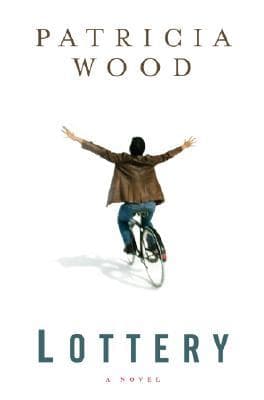
Patricia Wood (2007)
Genre
Literary Fiction
Reading Time
7 hours 45 min
Key Themes
See below
Sign in to track this book
A man with a low IQ but a heart full of his grandmother's wisdom wins the lottery, forcing him to navigate a shark tank of newfound 'family' while clinging to the true meaning of trust and capability.
Perry L. Crandall, 31, with a low IQ, lives a simple but safe life with his grandmother, Gram. She taught him how to live, including writing things down, managing money, and playing the Washington State Lottery weekly with specific numbers. Their routine ends when Gram suddenly dies. Perry is heartbroken and understands the deep loss. He is left alone in their home, with Gram's system for his life, including a notebook of instructions for every situation. He continues to play the lottery, a weekly habit that connects him to her memory.
Following Gram's instructions, Perry continues his routines, including playing the lottery. One Saturday morning, checking the winning numbers, he sees his ticket matches all six. He has won 12 million dollars. Overwhelmed, he looks at Gram's notebook, which has a section for winning the lottery, telling him to contact a lawyer named Mr. Peterson. This discovery puts Perry into a world more complex than he has ever known, drawing immediate attention and showing the true nature of those around him. He struggles to understand his sudden wealth and its meaning.
As news of Perry's lottery win spreads, many unknown relatives appear, all wanting a share of his money. His aunt and uncle, Sylvia and Jerry, arrive first, pretending to care and trying to control Perry and his money. Other distant cousins and opportunists follow. Perry, guided by Gram's warnings about whom to trust, is careful but also open. He tries to handle their manipulative ways, often using Gram's notebook for guidance, which has descriptions of different types of people and how to deal with them. The sudden arrival of 'family' creates chaos and distrust in his once peaceful life.
Following Gram's instructions, Perry contacts Mr. Peterson, a kind and smart lawyer. Mr. Peterson sees Perry's vulnerability and his need for protection. He helps Perry claim his winnings, setting up a trust to manage the money and protect it from greedy relatives. Peterson also advises Perry on how to handle his new fame and his 'family's' demands. He becomes a key person, acting as Perry's helper and explaining the legal and financial parts of his situation, always respecting Gram's wishes and Perry's good nature.
Among the relatives who appear is Frank, a distant cousin who acts caring and supportive. Frank offers to help Perry manage his daily life, promising to protect him from the other greedy relatives. At first, Perry is drawn to Frank's seeming kindness, as Gram's notebook did not warn against someone like Frank. However, Frank's true intentions are soon shown to be selfish. He subtly tries to isolate Perry and control his decisions, especially about his money, showing a more harmful form of manipulation than the other relatives. Perry begins to sense a deeper threat from Frank, despite his friendly outside.
Amidst the chaos and lies, Perry finds comfort and real care in his elderly neighbors, Vera and Walter. They are a kind, simple couple who knew Gram and truly care for Perry. They offer him practical help, emotional support, and a safe place from the intrusive relatives. Vera, especially, becomes a mother figure, providing home-cooked meals and listening. Their steady kindness and lack of interest in his money stand out against his 'family's' motives, letting Perry experience true, unconditional friendship and reminding him of the simple comforts of Gram's home.
Throughout the experience, Gram's notebook is Perry's most valuable item. It contains not just practical instructions for daily life but also smart observations about human nature, warnings about different types of people, and advice on handling unexpected wealth. Perry often refers to it, finding comfort and guidance in Gram's familiar handwriting and wisdom. The notebook helps him identify his relatives' manipulative actions and tell who is trustworthy. It shows Gram's foresight and her deep love for Perry, allowing her to keep protecting and guiding him even after her death.
Frank's manipulations increase, and he tries to convince Perry to sign over control of his money, using emotional blackmail and subtle threats. However, Perry, guided by Gram's warnings and the advice of Mr. Peterson, Vera, and Walter, starts to see through Frank's act. Mr. Peterson investigates Frank's past and finds a history of financial misdeeds. A confrontation happens, during which Frank's true, predatory nature is fully exposed. Perry, though upset, stands firm, armed with the knowledge and support he has gathered, stopping Frank from carrying out his plan to steal his inheritance.
As things settle from the attempts to exploit him, Perry starts to feel more independent. He learns to trust his own instincts, supported by Gram's teachings and the real advice of his true friends. With Mr. Peterson's guidance, he makes informed decisions about his money, choosing to invest it wisely and use some to help those he cares about. He begins to understand that 'capable' is not just about IQ, but about kindness, trust, and the ability to tell good from bad. Perry's journey changes him from a vulnerable, sheltered man into someone more self-assured and discerning.
With his money safe and the greedy relatives gone, Perry begins a new life. He uses his money to buy a comfortable home for himself, Vera, and Walter, creating a loving, chosen family. He also makes thoughtful donations to local charities, especially those that help children and the elderly, honoring Gram's kind spirit. Perry finds satisfaction in these acts of kindness and in the real relationships he builds. He finds that true wealth is not in money itself, but in the ability to share it with loved ones and make a positive impact, finally finding a sense of belonging and purpose.
The Protagonist
Perry transforms from a sheltered, vulnerable man into a more independent and discerning individual, capable of making his own decisions and protecting himself.
The Supporting/Influential
Gram's arc is complete before the story begins, but her legacy ensures Perry's survival and growth.
The Supporting
Mr. Peterson consistently provides steadfast legal and moral support, serving as Perry's protector and educator.
The Supporting
Vera's character provides consistent, unwavering support and love, offering Perry a genuine family connection.
The Supporting
Walter remains a consistent, quiet source of support and companionship for Perry.
The Antagonist
Frank's true, predatory nature is gradually revealed, leading to his eventual exposure and defeat.
The Antagonist
Sylvia's attempts to exploit Perry are thwarted, and she is ultimately removed from his life.
The Antagonist
Jerry's role is primarily to support Sylvia's antagonistic actions, which are ultimately unsuccessful.
The novel explores trust: who can be trusted and how it is earned or broken. Perry, innocent, is vulnerable, but Gram's teachings give him a way to tell good from bad. The sudden money shows people's true character, separating those who genuinely care (Vera, Walter, Mr. Peterson) from those who want to exploit (Frank, Sylvia, Jerry). Perry's journey is about learning to identify and navigate these human intentions, choosing to trust his instincts and people who show consistent kindness and integrity, rather than those who claim kinship.
“Gram always said, 'You can't buy trust, Perry. It's something people give you, or they don't.'”
A main theme is redefining 'capable.' Perry's IQ of 76 makes many dismiss him, yet he shows deep emotional intelligence, moral clarity, and an ability to follow instructions and adapt. The book challenges usual ideas of intelligence, suggesting that kindness, loyalty, common sense, and the ability to tell good from bad are equally, if not more, important forms of capability. Gram's wisdom, through the notebook, helps Perry outsmart those with higher intellectual abilities but lower moral standards, proving that true capability goes beyond mere academic smarts.
“Perry's IQ was 76, but Gram said he wasn't stupid. He just thought different.”
The novel contrasts biological family ties with chosen family bonds. While Perry's biological relatives appear only to exploit his new wealth, real familial love and support come from his neighbors, Vera and Walter, and his lawyer, Mr. Peterson. This theme shows that blood relation does not guarantee love or loyalty, and that real connection is built on care, respect, and shared values. Perry ultimately creates a new, loving family unit with Vera and Walter, showing that community and chosen relationships can be more lasting than default biological ones.
“Gram always said, 'Family ain't just who you're born to, Perry. It's who takes care of you.'”
The 12 million dollar lottery win is a strong catalyst, exposing the greed and moral failings of many characters. Before the money, Perry lived a quiet, unnoticed life. The sudden fortune acts as a magnet, bringing out the worst in his estranged relatives and showing how easily money can corrupt intentions and relationships. It forces Perry to face the darker side of human nature, showing how even seemingly good people can be swayed by the promise of wealth. The theme stresses that money itself is neutral, but its presence tests the integrity and values of those around it.
“The money didn't change Perry. It changed everyone else, though.”
A meticulously kept notebook containing Gram's wisdom, instructions, and observations on life.
Gram's notebook is the central plot device, serving as Perry's guide, mentor, and a continuous connection to his grandmother. It contains practical instructions for daily tasks, financial advice, and astute character analyses of different types of people, including specific warnings about potential exploiters. The notebook empowers Perry to navigate complex situations, make informed decisions, and discern trustworthy individuals from manipulative ones, effectively extending Gram's protective presence beyond her death. It is crucial for both plot progression and Perry's character development.
The winning lottery ticket that thrusts Perry into wealth and unforeseen challenges.
The lottery ticket is the inciting incident of the entire novel. It transforms Perry's quiet, predictable life into a whirlwind of attention, greed, and newfound responsibility. It acts as a catalyst, revealing the true nature of his estranged family and forcing Perry to grow and adapt. The weekly ritual of playing the lottery, a tradition with Gram, underscores the theme of continuity and Gram's enduring influence, even as the win itself upends everything.
Perry's low IQ, which makes him appear vulnerable but often masks his inherent wisdom and moral clarity.
Perry's IQ of 76 functions as a key plot device by setting up audience expectations and creating his vulnerability. It makes him an easy target for manipulation and exploitation by those who underestimate him. However, it also serves to highlight his other strengths: his kindness, loyalty, and the practical wisdom instilled by Gram. This contrast allows the novel to explore themes of intelligence, capability, and the true meaning of being 'smart,' as Perry often sees through deceit that others miss, guided by his pure heart and Gram's teachings.
“Every person has a right to a happy life. It’s what you do with it that matters.”
— Perry's grandmother's philosophy on life.
“If you don’t have a dream, how you gonna have a dream come true?”
— Perry reflecting on the importance of having aspirations.
“Sometimes the best way to get what you want is to not want it so much.”
— Perry's musings on desire and letting go.
“The world is full of good people, but you gotta know how to find 'em.”
— Perry's optimistic view of humanity despite his challenges.
“Money don't solve everything, but it sure makes a lot of things easier.”
— Perry's pragmatic take on the role of wealth after winning the lottery.
“A good book is like a good friend. It's always there for you.”
— Perry's love for reading and the comfort he finds in books.
“You can't change the past, but you can sure make a different future.”
— Perry's realization about moving forward from past difficulties.
“Sometimes the smartest thing to do is to act like you don't know nothin'.”
— Perry's strategy for navigating social situations and avoiding trouble.
“Family ain't just who you're born to; it's who you choose.”
— Perry's understanding of his chosen family, including his grandmother and friends.
“The greatest treasure ain't gold or silver, it's the people you love.”
— Perry's ultimate conclusion about what truly matters in life.
“Being different ain't bad. It just means you gotta find your own way.”
— Perry's acceptance of his own intellectual disability and unique perspective.
“Fear is a big bully. Don't let it push you around.”
— Perry's advice on confronting one's anxieties.
“A promise is a promise, and you gotta keep it, even if it's hard.”
— Perry's strong moral compass regarding commitments.
“Sometimes the answers are right in front of you, if you just know how to look.”
— Perry's simple yet profound observation about problem-solving.
Ready to see how well you understood this book? Take our interactive quiz with 10 questions.

Biography coming soon.







