“The wilderness has no mercy.”
— Awasin reflects on the harsh realities of survival in the Arctic after they become stranded.

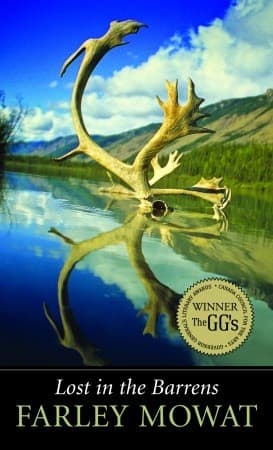
Farley Mowat (1956)
Genre
Children's / Historical Fiction / Young Adult
Reading Time
360 min
Key Themes
See below
Sign in to track this book
Two boys, one Cree and one Canadian orphan, go on a dangerous adventure through the Arctic barrens, testing their survival against the northern wilderness.
Jamie Macnair, a sixteen-year-old orphan from Toronto, arrives in northern Manitoba to live with his uncle, Angus Macnair, a fur trapper. Jamie finds the isolated trapper's cabin and the wilderness a big change from his city life. He soon meets Awasin, a Cree Indian boy his age, who lives with his family nearby. Despite their different backgrounds, the two boys quickly become friends, sharing a love for the wilderness and a wish for adventure. Angus, a gruff but kind man, teaches Jamie the skills needed to survive in the north, including trapping, hunting, and finding his way in the land. Jamie is eager to learn, interested by the beauty and challenges of his new home, and finds a friend in the knowledgeable Awasin.
As winter nears and food gets low, the Cree band faces possible hunger. The main caribou herds, their main food source, have not appeared in their usual hunting areas. Awasin's father, Peetyuk, a respected hunter, suggests a long and dangerous trip deep into the Barren Lands to find the caribou. Jamie, wanting to prove himself and join Awasin, volunteers to go with Peetyuk and Awasin. Angus, at first unsure because of Jamie's lack of experience, eventually agrees, seeing the great need for food and trusting Peetyuk's judgment. The trip is planned to be short, to find the herds and bring back meat, but the Barrens are vast and unpredictable, presenting big risks.
The hunting group, Peetyuk, Awasin, and Jamie, travels deep into the Barrens. They meet a fierce, sudden blizzard that comes upon them quickly. In the blinding snow and wind, the boys get separated from Peetyuk. Despite trying hard to find him, the storm makes it impossible. After the blizzard, the boys realize they are alone, lost in the Barren Lands. Peetyuk is nowhere to be found, and their supplies are low. Awasin, though worried, tries to stay calm, using his traditional knowledge, while Jamie deals with the scary reality of being alone and the huge challenge of survival.
Facing hunger and cold, Awasin leads Jamie in building a temporary shelter from snow and spruce branches. They carefully ration their remaining food. Awasin, skilled in hunting and trapping, catches a few ptarmigan and rabbits, giving them food. Jamie, despite his inexperience, helps by gathering firewood and learning fast from Awasin. They understand that their survival depends on working together and using everything the harsh environment offers. The boys realize how big their problem is and the huge task ahead to survive the winter and find their way home.
While looking for food and signs of caribou, Jamie and Awasin find an old, unused Eskimo camp. Inside a broken sod hut, they find the bones of an old man, along with some old tools and a carving. More importantly, they find a rough map carved into a piece of caribou bone, showing where a large caribou herd is and a possible way to a better area. This discovery gives the boys hope, suggesting a way to survive and escape the Barrens. Finding the old man's remains reminds them of how harsh the land is and how close they are to not surviving.
Guided by the old man's map, Awasin and Jamie begin a long and hard journey across the Barren Lands, dealing with freezing temperatures, strong winds, and hunger. They travel for days, pushing their physical and mental limits. Finally, after much struggle, they find the large caribou herd shown on the map. This discovery is a big relief, giving them a key food source and new hope. They hunt several caribou, ensuring their immediate survival and refilling their low supplies, but they know their journey is far from over.
With a steady food supply from the caribou, Awasin and Jamie decide to make a more permanent winter camp. They carefully build a strong, insulated sod house, using their cleverness and knowledge of the land. This shelter gives needed protection from the Arctic winter. They also set traps for smaller animals and gather what little firewood they can find, getting ready for months of being alone. Their days are filled with the constant struggle to survive, hunting, keeping their camp, and enduring the cold. The boys learn to rely completely on each other, their friendship growing stronger through shared hardship and their efforts to stay alive.
The boys' winter camp, with its stored caribou meat, attracts hungry wolves. The wolves become a constant threat, circling their camp and trying to steal their food. Jamie and Awasin must always guard their meat, using their wits and bravery to scare off the predators. They set up simple alarms and spend sleepless nights watching, knowing that losing their food to the wolves would mean starvation. This long fight against the wolves adds another danger and stress to their already difficult life, testing their determination and cleverness to protect their most important resource.
As the long winter finally turns to spring, the snow begins to melt, and the rivers and lakes thaw. Awasin and Jamie, having survived the harshest season, get ready for their journey home. They build a canoe from caribou hides and wood, showing their resourcefulness. They begin to travel the newly thawed waterways, facing challenges like rapids and carrying their canoe over land. The journey is still dangerous, but the signs of spring and the thought of returning home fill them with new determination. They continue to hunt for food along the way, slowly making their way back towards the familiar areas of their people and Angus.
After months apart and a survival ordeal, Awasin and Jamie finally make their way back to the edge of civilization. A search party finds them, including Angus and Peetyuk, who had not given up hope. The reunion is emotional and happy. The boys, though thinner and showing the marks of their adventure, are changed, having grown up far beyond their years. They are no longer just boys, but experienced survivors of the Barrens, forever connected by their shared struggle. Their story of survival becomes a legend among the Cree and a reminder of human strength and the power of friendship when facing big challenges.
The Protagonist
Transforms from an inexperienced city boy into a capable and resilient survivor, deeply connected to the wilderness and Awasin.
The Protagonist
Proves his leadership and survival skills, solidifying his identity as a wise and capable hunter, and deepens his bond with Jamie.
The Supporting
Maintains his steadfast nature, demonstrating quiet resilience and unwavering hope for the boys' return.
The Supporting
His hope and determination to find the boys remain steadfast throughout their ordeal, reinforcing his role as a compassionate leader.
The Mentioned
Though deceased, his legacy guides the protagonists, demonstrating the enduring power of knowledge and resourcefulness.
The Supporting
Their migration patterns drive the plot, symbolizing the life-sustaining yet elusive nature of the wilderness.
The Antagonist
Serve as a continuous threat, symbolizing the relentless challenges of the wilderness and forcing the boys to defend their resources.
The main theme of the book is the boys' struggle for survival against the Barren Lands. From finding food and building shelter to fighting off wolves and traveling long distances, Jamie and Awasin show great strength. Their ability to adjust, learn, and keep going through hunger, extreme cold, and being alone shows the strength of the human spirit when faced with bad situations. Their cleverness, especially Awasin's wilderness skills and Jamie's fast learning, is key to their survival.
“"They were no longer boys, but men who had faced death and conquered it, and who had learned the greatest lesson of all – the lesson of survival."”
The friendship between Jamie and Awasin is central to the story. Despite their different backgrounds, their bond grows stronger through shared hardship and relying on each other. Awasin's knowledge and Jamie's willingness to learn create a working partnership. They learn to trust each other completely, understanding that their individual survival is tied to their ability to work together. This theme shows how important human connection and working together are in overcoming difficulties, especially in isolated and dangerous places.
“"They were two boys, but they were also a team, and without each other, neither could have survived."”
The Barren Lands are a powerful 'character' in the story, showing nature's vast and uncaring power. The boys constantly fight against blizzards, extreme cold, hunger, and wild animals. The story clearly shows nature's beauty and its harshness, showing people's place in the natural world. The boys do not 'conquer' nature but learn to live within its limits, respecting its power and changing their plans to survive its challenges. This theme explores how much people can endure and the need to understand and respect the environment.
“"The Barrens had no mercy, no pity, no understanding. It simply was."”
The relationship between Jamie, the city boy, and Awasin, the Cree hunter, shows a cultural exchange. Jamie learns traditional survival skills, tracking, and understanding of the land from Awasin, who in turn learns more about friendship outside his own community. This theme shows the value of different types of knowledge and the benefits of learning from other cultures. It highlights how Indigenous knowledge, developed over generations, is important for survival in environments often misunderstood by outsiders.
“"Jamie was learning, not just how to survive, but how to see the world through Awasin's eyes, a world alive with meaning and purpose."”
Jamie and Awasin begin their journey as boys and come back as mature young men. Their experience in the Barrens forces them to face their fears, become self-reliant, and make decisions about life and death. They grow in courage, wisdom, and self-awareness, losing their youthful innocence in the face of extreme difficulty. This transforming experience shapes who they are, giving them a deep understanding of their own abilities and what survival truly means. Their journey is a classic hero's journey, focused on internal growth through external hardship.
“"The Barrens had taken their youth, but given them something far more precious: an understanding of themselves and the world around them."”
A crucial plot device guiding the boys to survival.
The map etched onto a caribou bone, found with the skeletal remains of an ancient Eskimo, serves as a pivotal plot device. It provides Jamie and Awasin with the critical information needed to locate the caribou herds and potentially a safer route. Without this discovery, their chances of survival would have been drastically reduced. It functions as a symbol of inherited knowledge and the enduring legacy of past inhabitants of the Barrens, allowing the boys to tap into ancient wisdom for their modern-day struggle.
An inciting incident that separates the boys and initiates their solo struggle.
The sudden, fierce blizzard that separates Jamie and Awasin from Peetyuk acts as the primary inciting incident of their solo survival ordeal. It abruptly shifts the narrative from a guided hunting trip to an independent fight for life. The blizzard not only creates the central conflict but also emphasizes the unpredictable and overwhelming power of nature, forcing the boys to rely entirely on their own skills and each other.
A MacGuffin and a symbol of life and sustenance.
The caribou herd functions as both a MacGuffin and a vital symbol. Initially, the search for the caribou drives the entire expedition. Once found, they become the boys' primary means of sustenance and survival, allowing them to establish a winter camp. The caribou represent life, hope, and the delicate balance of the Arctic ecosystem. Their presence or absence dictates the success or failure of human endeavors in the Barrens, making them a constant focal point of the boys' struggle.
A symbol of human ingenuity and adaptation.
The sod house that Jamie and Awasin painstakingly build serves as a powerful symbol of human ingenuity, adaptability, and resilience in the face of extreme conditions. It represents their ability to create shelter and a semblance of home in the most desolate of environments. The construction and maintenance of the sod house highlight their learned skills and their determination to survive the brutal Arctic winter, becoming their sanctuary and a testament to their efforts.
“The wilderness has no mercy.”
— Awasin reflects on the harsh realities of survival in the Arctic after they become stranded.
“We must think like the Eskimos if we are to live.”
— Jamie emphasizes adapting to Indigenous knowledge and methods to survive in the barren lands.
“In the barrens, a man is nothing without a friend.”
— Jamie realizes the importance of companionship and teamwork during their ordeal.
“The caribou are the lifeblood of the north.”
— Observing the migration of caribou, which becomes crucial for their food and supplies.
“Fear is a luxury we cannot afford.”
— Jamie pushes aside his fears to focus on practical survival tasks.
“Every step north is a step into the unknown.”
— As they venture deeper into the Arctic wilderness, acknowledging the uncertainty ahead.
“The land does not forgive mistakes.”
— Awasin warns Jamie about the consequences of errors in their harsh environment.
“We are part of this land now, whether we like it or not.”
— Jamie comes to terms with their integration into the natural world around them.
“In silence, the barrens speak loudest.”
— Reflecting on the profound and often intimidating quiet of the Arctic landscape.
“Hope is the last thing to die in the barrens.”
— Maintaining optimism despite increasing hardships and dangers.
“The stars are our only map.”
— Using celestial navigation to find their way when traditional maps are useless.
“To survive is to understand, not to conquer.”
— Awasin teaches Jamie that respecting the land is key, rather than trying to dominate it.
“A fire in the night is more than warmth; it is a beacon of life.”
— The symbolic and practical importance of fire during their cold, dark nights.
“The wind carries stories of those who came before.”
— Feeling the history and presence of past Indigenous peoples in the landscape.
Ready to see how well you understood this book? Take our interactive quiz with 10 questions.
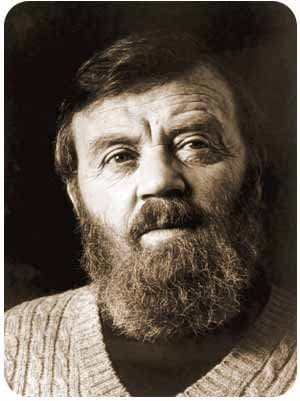
Biography coming soon.

Dan Gemeinhart
4.5

Kate O'Hearn
4.4

Jeanne Birdsall
4.4

Jen Wang
4.4

Wendelin Van Draanen
4.3

John Marsden
4.3

Chris Van Allsburg
4.3

Jennifer A. Nielsen
4.2