“The Shepards of the people had to be the first to bleed, and the last to cease.”
— Rand al'Thor reflecting on his role as the Dragon Reborn.

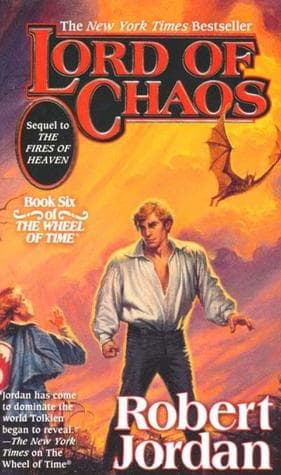
Robert Jordan (1994)
Genre
Fantasy
Reading Time
1670 min
Key Themes
See below
Sign in to track this book
As Rand struggles with prophecy and a divided world, light and shadow meet, threatening his sanity and unleashing chaos.
The book opens with Rand al'Thor, the Dragon Reborn, dealing with leading a nation, gaining power, and preparing for the Last Battle. He lives in Caemlyn, trying to govern Andor and Cairhien, but constantly struggles with Lews Therin Telamon's voice in his head and the weight of his destiny. Meanwhile, the Forsaken, especially Demandred and Semirhage, meet to plan against Rand. They disagree on whether to kill him or break him to the Dark One's will. Rand's immediate challenge is handling different noble factions and his own Aiel, while also trying to understand the prophecies and his role. He makes a key move by forcing the High Lords of Cairhien and the nobles of Andor to swear loyalty to him, securing his political power in both nations, though with underlying resentment.
In Salidar, the rebel Aes Sedai, led by Siuan Sanche and Leane Sharif, continue their plans to rebuild the White Tower and control Rand. They decide to send a group to Rand in Caemlyn, intending to manipulate him. However, internal divisions and power struggles trouble them. The Salidar Aes Sedai, influenced by Siuan and Gareth Bryne, raise Egwene al'Vere to the Amyrlin Seat, believing she will be easier to control and a figurehead. Egwene, despite her youth, quickly shows surprising strength and resolve, beginning to use her own authority and challenge the expectations of the older Aes Sedai. Her coronation changes the rebel Tower's leadership.
Perrin Aybara, now Lord of the Two Rivers and married to Faile Bashere, feels Rand's growing danger. He gathers his forces, including the newly trained Two Rivers archers and Mayeners, preparing to march north to help Rand. Faile insists on going with him. They face the challenge of uniting different groups and managing an army. Perrin's internal struggle with his wolf-brother nature and his responsibilities as a lord continues, but his loyalty to Rand comes first, leading him directly toward the conflict in Cairhien.
Nynaeve al'Meara and Elayne Trakand, with Thom Merrilin and Juilin Sandar, continue their search for the Bowl of the Winds, which is vital for fixing the weather. Their journey takes them through various cities, including Ebou Dar, where they find complex political intrigue and Shadowspawn activity. They discover that Sammael, one of the Forsaken, is working to undermine Rand and has agents in the region. Elayne studies the history of the Bowl, while Nynaeve deals with her channeling block and her growing feelings for Lan Mandragoran. Their pursuit of the Bowl is dangerous and brings them closer to uncovering Sammael's larger plan.
Morgase Trakand, having fled Caemlyn and lost her throne to Rand, is a virtual prisoner of the Children of the Light, under the influence of Pedron Niall, the Lord Captain Commander. Niall plans to use her as a political tool against Rand, calling him a usurper and a false Dragon. Morgase, though disgraced, keeps her strength. She forms an unexpected alliance with Dain Bornhald, a Whitecloak officer who dislikes Rand, as she tries to regain her freedom and possibly her throne. Her time with the Children exposes her to their strict beliefs and the widespread fear of the Dragon Reborn, making her situation worse.
Seeing the urgent need for male channelers to fight the Shadow, Rand al'Thor creates the Black Tower, a counterpart to the White Tower, to train men who can use the One Power. He appoints Mazrim Taim, a former false Dragon, as its M'Hael (leader). Rand deeply suspects Taim's loyalty and methods, but the urgency forces him to proceed. Taim quickly gathers and trains many Asha'man, who swear loyalty to Rand. However, Taim's strict style and fast, sometimes brutal, training methods worry Rand's advisors. The Black Tower becomes a powerful, yet unpredictable, force, with its ultimate allegiance a constant source of tension for Rand.
The Aes Sedai from Salidar, led by Lelaine and Romanda, arrive in Caemlyn to bring Rand al'Thor under the White Tower's control. They try to assert their authority, treating Rand as a child. Rand, having learned from past encounters, refuses to be manipulated. He skillfully plays the different Aes Sedai factions against each other, showing their internal divisions and his own power. He makes it clear that he will not be commanded by them, asserting his independence as the Dragon Reborn. This confrontation highlights the growing gap between Rand's vision and the White Tower's traditional authority.
Driven by fear and a mistaken belief that they must control the Dragon Reborn, a group of Salidar Aes Sedai, led by Elaida loyalist Galina Casban, betray Rand. They are subtly influenced by the Forsaken, Semirhage and Demandred, who see a chance to break Rand. During a tense meeting in Cairhien, they use a powerful ward and a circle of channelers to overwhelm and capture Rand. Rand is bound with an a'dam, a device used to control damane, and subjected to humiliating treatment. This betrayal by the Aes Sedai is a catastrophic blow to Rand and a major turning point in the war against the Shadow, leaving him vulnerable.
After his capture, Rand al'Thor is taken to a remote location and brutally imprisoned and tortured by the Aes Sedai, mainly Galina Casban. They aim to 'gentle' him, or at least break his will and force him to submit to the White Tower. Rand endures immense pain and psychological torment, his mind a battleground between his own identity and Lews Therin Telamon's madness. The a'dam binds him, taking away his ability to channel freely and leaving him helpless. This suffering deeply affects Rand, hardening his resolve but also deepening his distrust of the Aes Sedai and pushing him toward a ruthless, cold demeanor, believing he must rely only on himself.
Upon learning of Rand's capture, Perrin Aybara, with his Two Rivers forces, Faile, and Mayeners, rushes to his rescue. They are joined by a large group of Aiel, led by Rhuarc and the Wise Ones, and many Asha'man from the Black Tower, led by Mazrim Taim. These different forces gather where Rand is held by the Aes Sedai. The resulting fight, known as the Battle of Dumai's Wells, is a huge clash. The Asha'man unleash devastating power, showing their potential. Perrin's forces fight well, and the Aiel prove their skill. The battle is bloody, ending in the complete defeat of the Aes Sedai and Rand's dramatic rescue, but with a terrible cost and major consequences for the world.
Immediately after his rescue at Dumai's Wells, Rand al'Thor, still recovering from his imprisonment, confronts the remaining Aes Sedai. In a chilling moment, he forces all present Aes Sedai, regardless of faction, to kneel and swear loyalty to him. This act, done with cold anger and absolute authority, changes Rand's character and his relationship with the White Tower. He no longer trusts them and will not allow disobedience. The kneeling of the Aes Sedai is a symbolic and literal submission, showing Rand's complete control. He emerges from the ordeal harder, more ruthless, and determined to control his destiny and lead the world against the Shadow, even if it means alienating former allies.
The Protagonist
Rand transforms from a conflicted leader into a hardened, ruthless figure, willing to exert absolute authority after enduring profound betrayal and torture.
The Supporting
Perrin fully embraces his leadership role and his wolfbrother abilities, demonstrating unwavering loyalty and strategic prowess in leading an army to Rand's rescue.
The Supporting
Egwene transforms from a novice into a formidable and politically astute Amyrlin Seat, demonstrating unexpected strength and resolve in leading the rebel Aes Sedai.
The Supporting
Nynaeve continues to mature, gradually overcoming her channeling block and embracing her feelings for Lan, while remaining fiercely protective and determined in her quest.
The Supporting
Elayne grows in resourcefulness and confidence, proving her capabilities as a channeler and investigator while deepening her commitment to both Rand and her quest.
The Supporting
Faile's loyalty and love for Perrin are tested and solidified as she actively participates in his mission to rescue Rand, showcasing her strength and resolve.
The Supporting/Antagonist
Taim establishes himself as a powerful and ruthless leader, his true allegiances remaining ambiguous but leaning towards a self-serving, potentially dark path.
The Supporting
Morgase endures humiliation and captivity, maintaining her regal bearing while becoming an unwitting pawn in the political games of the Children of the Light.
The Supporting
Siuan continues to exert significant influence from behind the scenes, using her political acumen to guide the rebel Aes Sedai, even as her chosen puppet, Egwene, begins to assert her own will.
The Antagonist
Galina embodies the rigid, power-hungry faction of the Aes Sedai, leading the brutal capture and torture of Rand, solidifying her role as a key antagonist.
The novel explores the pressures and moral compromises of leadership, especially for Rand al'Thor. He struggles with his destiny as the Dragon Reborn, the constant threat of madness, and the demands of governing two nations. His decisions, such as forcing nobles to swear loyalty and creating the Black Tower, are necessary but often lead to resentment and fear. The Aes Sedai's betrayal, believing they must control him 'for the good of the world,' shows how even good intentions can corrupt power. Rand's post-Dumai's Wells ruthlessness is a direct result of this burden, showing how power hardens and isolates him.
“The price of power is often loneliness, and the weight of the world must be borne on the shoulders of one.”
Betrayal is a common theme, especially with the Aes Sedai's capture and torture of Rand. This act shatters Rand's fragile trust in the White Tower and forces him to become colder and more authoritarian. The Forsaken's constant manipulation and infiltration further show how hard it is to tell friend from foe. Even within the rebel Aes Sedai, there are internal betrayals and power plays. The theme shows how broken trust is hard to fix, and how betrayal can change a character's path, making Rand believe he can only truly rely on himself and his loyal companions.
“Trust is a fragile thing, easily broken, and once shattered, almost impossible to mend.”
The struggle for authority and control is central to *Lord of Chaos*. Rand tries to assert his authority over nobles and the Aes Sedai, while the White Tower in Salidar tries to regain its traditional control over the world and the Dragon Reborn. Egwene's rise to Amyrlin Seat and her assertion of her own will against her mentors shows a change in traditional power dynamics. The Black Tower under Mazrim Taim also represents a new, possibly dangerous, form of male authority. The Battle of Dumai's Wells and Rand's demand for the Aes Sedai to kneel clearly illustrate his assertion of authority, showing that control must be taken, not simply given, in a world on the brink of chaos.
“Authority is not given; it is taken. And once taken, it must be held with an iron hand.”
Characters deal with changing identities and transformations. Rand struggles with his mind merging with Lews Therin Telamon and the increasing ruthlessness needed from the Dragon Reborn. Perrin fully accepts his role as Lord of the Two Rivers and his wolf-brother abilities, taking on a leadership position he first resisted. Egwene changes from a novice into a strong Amyrlin Seat, trading youthful innocence for political skill. Nynaeve continues to overcome her channeling block and embrace her emotions, especially her love for Lan. These transformations are often painful and forced by circumstances, but they are essential for the characters to face the challenges of the Last Battle.
“You can never go home again, not truly. The person who left is not the person who returns.”
This theme shows how actions, even with good intentions, can lead to disaster. The Aes Sedai who capture Rand truly believe they are saving the world from a mad Dragon, yet their actions push Rand to the edge and unleash the Asha'man's fury at Dumai's Wells. Pedron Niall's manipulation of Morgase, while aimed at discrediting Rand, only adds to the chaos. These examples show that good intentions are not enough without wisdom, and that strict adherence to dogma can be as dangerous as malice, contributing to the escalating conflicts and distrust.
“The road to the Pit of Doom is paved with good intentions.”
Individuals around whom the Pattern of the Age is woven, influencing events and people.
Rand, Perrin, and Mat are ta'veren, meaning their presence distorts the Wheel of Time, causing unlikely events and people's lives to converge around them. In *Lord of Chaos*, this device is crucial as it draws Perrin and his forces, along with the Aiel and Asha'man, inexorably towards Rand when he is captured. It explains the almost miraculous convergence of allies at Dumai's Wells, ensuring Rand's rescue. It also subtly influences political decisions and the rapid growth of the Black Tower, accelerating events and ensuring the main characters are always at the center of the unfolding drama, whether they wish to be or not.
A magical artifact used by the Seanchan to control female channelers, here used on Rand.
The a'dam is a potent and horrifying magical device consisting of a bracelet and a collar, used by the Seanchan to enslave female channelers (damane). In *Lord of Chaos*, its use on Rand al'Thor by the Aes Sedai is a shocking and pivotal moment. It symbolizes the ultimate betrayal and an attempt to completely strip Rand of his power and will. The experience of being bound by the a'dam and his subsequent torture profoundly traumatizes Rand, hardening his resolve and contributing to his more ruthless demeanor post-rescue. It highlights the brutality of control and the violation of agency, especially for a male channeler, for whom it was thought impossible to use.
The fragmented consciousness of the previous Dragon Reborn, constantly warring with Rand's mind.
The voice of Lews Therin Telamon, the previous Dragon Reborn, is a constant presence in Rand's mind throughout the novel. It represents the encroaching madness that threatens all male channelers, as well as the burden of past memories and experiences. This device creates immense internal conflict for Rand, making him question his sanity and his own identity. The voice often offers commentary, warnings, or even taunts, forcing Rand to constantly battle for control of his own thoughts. It foreshadows the ultimate fate of male channelers and underscores the psychological toll of wielding the One Power, pushing Rand to the brink of despair and contributing to his increasingly cold exterior.
Visions and ancient prophecies that guide and foreshadow the characters' destinies.
Prophecies, particularly those concerning the Dragon Reborn and the Last Battle, continue to serve as a driving force and a source of both hope and dread. Min's viewings, Egwene's dreams, and ancient texts provide cryptic clues about future events and character fates. These foretellings often guide characters' decisions, even if their full meaning is not understood until later. For example, Egwene's dreams of Rand's capture subtly influence her actions, and the larger prophecies compel Rand to take drastic measures to prepare for Tarmon Gai'don. This device creates a sense of predetermined destiny while allowing for individual choices within that framework, adding layers of mystery and urgency to the narrative.
“The Shepards of the people had to be the first to bleed, and the last to cease.”
— Rand al'Thor reflecting on his role as the Dragon Reborn.
“Almost dead, and not a single clean shirt. That's the main trouble with being a hero.”
— Mat Cauthon's humorous internal monologue after a battle.
“The Wheel weaves as the Wheel wills.”
— A common saying in the series, often used by characters like Moiraine or Egwene.
“A man's reach should exceed his grasp, or what's a heaven for?”
— Perrin Aybara pondering the challenges ahead and the need to strive.
“You can't buy something for nothing. You can't get something for nothing. You can't have something for nothing. There is always a price.”
— Elayne Trakand reflecting on the consequences of actions and choices.
“It was not a matter of whether you could trust them, but whether you could manage them.”
— Rand considering his newly acquired Aes Sedai followers.
“If you don't know what you want, you will never get it.”
— Min Farshaw giving advice to another character about clarity of purpose.
“The more you try to hold a thing, the more it slips away.”
— Egwene al'Vere observing the nature of power and control.
“We are not always what we think we are.”
— Nynaeve al'Meara reflecting on personal identity and self-perception.
“He knew what he had to do. He only wished he knew how to do it.”
— Rand al'Thor facing an impossible task.
“Madness and glory. They were two sides of the same coin, and he had to walk that edge.”
— Rand's internal struggle with the taint on *saidin* and his destiny.
“Duty is heavier than a mountain, death lighter than a feather.”
— A common saying among the Aiel, often quoted by Aviendha.
“There are no easy answers. Only choices.”
— Moiraine Damodred's pragmatic view on difficult situations.
“The only way to make sure a secret is kept is to never tell it.”
— Lan Mandragoran's stern advice on secrecy.
Ready to see how well you understood this book? Take our interactive quiz with 10 questions.
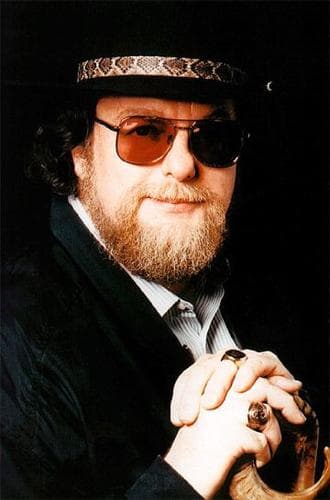
James Oliver Rigney Jr., better known by his pen name Robert Jordan, was an American author of epic fantasy. He is known best for his series The Wheel of Time which comprises 14 books and a prequel novel. He is one of several writers to have written original Conan the Barbarian novels; his are considered by fans to be some of the best of the non-Robert E. Howard efforts. Jordan also published historical fiction using the pseudonym Reagan O'Neal, a western as Jackson O'Reilly, and dance criticism as Chang Lung. Jordan claimed to have ghostwritten an "international thriller" that is still believed to have been written by someone else.







