“I was just a boy, and all I wanted was to be home.”
— Reflecting on his experiences as a young evacuee.

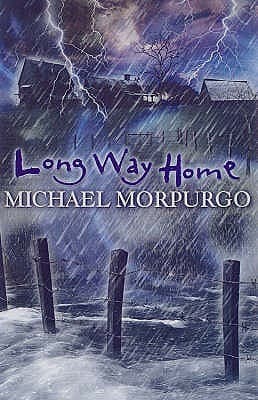
Michael Morpurgo (1975)
Genre
Children's / Young Adult
Reading Time
150 min
Key Themes
See below
Sign in to track this book
A cynical twelve-year-old, shaped by a lifetime in foster care, finds family and belonging on Dyer's farm.
Twelve-year-old George, who has lived in many foster homes, is driven by his social worker, Mrs. Henderson, to Dyer's Farm in rural England. He arrives with his usual cynicism, believing this placement, like all others, will be temporary and bad. The farm is run by Mrs. May and her husband, Mr. May, who seem kind but quiet. George immediately notices the farm's peaceful, isolated feel. He is shown to his simple, clean room, and he feels a familiar mix of worry and defiance. He is determined not to get attached, having learned that attachments only lead to pain when he has to move on.
George spends his first few days at Dyer's Farm exploring the grounds, initially alone. He watches the farm's routine and the animals, especially a young Border Collie named Barney, who wants attention. One afternoon, he finds an old, broken-down caravan hidden in a corner of the property. Inside, he finds an elderly man, Mr. Barnaby, who is gruff but not unkind. Mr. Barnaby, a former farmhand, now lives alone, seemingly forgotten. Their first interactions are short and cautious, but George feels a flicker of curiosity about the old man, which is unusual for him.
Over the next few weeks, George is drawn to Mr. Barnaby's caravan. He starts bringing the old man food and listening as Mr. Barnaby, in his own time, tells stories from his youth. These are not just simple stories; they are clear memories of his life as a farm boy, the hardships and simple joys of a past era. George learns about the farm's history, the changing seasons, and Mr. Barnaby's deep connection to the land and animals. He is especially interested in stories of a young boy named Joe, who sounds like Mr. Barnaby himself, and a beloved dog named Patch. George, usually cynical, finds himself unexpectedly interested.
Mr. Barnaby's stories become more detailed, focusing on his childhood self, Joe, and his dog, Patch. George listens as Mr. Barnaby describes Joe's life on the farm, the farming rhythms, and the special bond between a boy and his dog. He learns about the farm's challenges, especially during harsh winters and tough economic times. Through these stories, George begins to see a different side of life, one filled with dedication, resilience, and unconditional love. He starts to compare Joe's stable, though hard, upbringing with his own changing life, feeling a longing for such roots.
The stories turn darker as Mr. Barnaby describes World War II and its impact on Dyer's Farm. He recounts how the war brought rationing, the threat of invasion, and young men leaving to fight. Joe, still a boy, watched his older brothers leave, and the farm struggled to produce with fewer workers. George learns about the anxieties and sacrifices of the time, and how the war changed rural life forever. Mr. Barnaby's voice carries the weight of those memories, and George begins to understand the deep scars that historical events can leave on people and communities.
Mr. Barnaby continues his story, introducing Lucy, a young girl evacuated from London during the Blitz, who comes to live at Dyer's Farm. At first, Joe is wary of Lucy, a city girl placed in a rural setting. However, their shared experiences on the farm, especially the war's challenges, create an unexpected friendship. George learns how Lucy, despite her initial worry, adapts to farm life and becomes an important part of the family, bringing a new energy to Joe's world. This part of the story shows adaptation, resilience, and forming bonds in unusual situations, reflecting George's own experiences in new homes.
The most painful part of Mr. Barnaby's story unfolds as he tells of a devastating decision Joe had to make. Due to wartime rationing and severe food scarcity, the family faced an impossible choice about Patch. With heavy hearts, they decided that, for the family's survival, Patch would have to be put down. Mr. Barnaby's voice falters as he describes Joe's deep grief and the pain of losing his dog. George, deeply affected, sees the old man's raw emotion, understanding the immense sacrifice and lasting trauma of such a decision.
As summer goes on, George notices Mr. Barnaby's health getting worse. One day, while helping the old man clean out old boxes in his caravan, George finds an old photograph. It shows a young boy, a dog, and the farm in the background — clearly Joe and Patch. He also finds an old identity card with the name 'Joseph Barnaby.' The pieces connect: Mr. Barnaby is Joe. This discovery greatly affects George. The stories he has been hearing are not just tales; they are the living history of the man before him. The old man, seeing George's discovery, quietly confirms it, revealing the depth of his memories.
Mr. Barnaby, now known as Joe, explains his life after the war. He left Dyer's Farm to find work, experiencing different parts of the world and various jobs, but he never forgot his roots. He returned to the farm in his old age, drawn back by his deep connection to the land and its memories. He explains that Mrs. May, the current owner, is a distant relative who kindly let him stay in the caravan. George understands that Joe's journey, though different from his own, also involved searching for a place to belong and returning to where his heart truly lay.
As summer ends, Mr. Barnaby's health continues to decline. George spends as much time as possible with him, feeling a deep connection he has never had before. He helps around the farm, cares for Barney, and finds quiet contentment in the routine. He realizes that, unlike his previous foster homes, Dyer's Farm feels different. He does not want to leave. He has found peace and belonging, not just with the Mays, but through Mr. Barnaby's stories and presence. The farm, through Joe's eyes, has become a symbol of endurance, memory, and ultimately, home.
Sadly, Mr. Barnaby dies peacefully in his caravan. George is deeply saddened but also grateful for their time together. The Mays are understanding and supportive. At the funeral, George feels a strong connection to the old man and the farm community. He realizes that Mr. Barnaby's stories have not only shown him the past but have also helped him understand his own longing for roots and belonging. George feels a new maturity and a desire to honor Mr. Barnaby's memory by embracing life at the farm. He finally feels like he has a place, a home, and a connection to a history that now includes him.
After Mr. Barnaby's death, George decides he wants to stay at Dyer's Farm permanently. Mrs. Henderson and the Mays are happy with his decision. George fully takes on his role on the farm, helping with chores, caring for Barney, and learning rural life. He often revisits the caravan, now empty, feeling Mr. Barnaby's lingering presence and his stories. George no longer feels like an outsider; he is part of the farm's story. He understands that home is not just a physical place, but a connection to people, history, and a sense of belonging that he finally found at Dyer's Farm, a long way home indeed.
The Protagonist
George transforms from a cynical, detached foster child into a boy who finds a true sense of home and belonging, understanding the importance of roots and connection.
The Supporting Character
Mr. Barnaby, initially a reclusive figure, finds solace and meaning in sharing his life story with George, passing on a legacy of connection to the land and memory.
The Supporting Character
Mrs. May remains a steadfast and nurturing presence, successfully providing a stable home that allows George to flourish.
The Supporting Character
Mr. May remains a consistent and reliable figure, offering a stable environment that helps George find his place.
The Mentioned Character
Patch's story serves as a tragic memory for Mr. Barnaby, representing a profound loss that shaped his past and evokes empathy from George.
The Mentioned Character
Lucy's story, told through Mr. Barnaby, illustrates adaptation and resilience in the face of displacement.
The Supporting Character
Mrs. Henderson successfully places George in a home where he finally thrives, fulfilling her professional duty.
The Supporting Character
Barney provides George with immediate, unconditional companionship, helping him open up and feel connected to the farm.
This is the main theme, shown through George's journey as a foster child and Mr. Barnaby's life story. George's initial cynicism comes from his many experiences of being moved, making him believe he will never find a true home. Dyer's Farm, at first just another temporary stop, slowly becomes a sanctuary as he connects with the land, the Mays, and especially Mr. Barnaby. Mr. Barnaby's stories about Joe's deep roots in the farm, despite wartime changes and later travels, show that 'home' is a connection to history, memory, and community. George ultimately finds his 'long way home' by accepting these connections.
“''Home is not just a place you live, George. It's a place that lives in you.'”
Storytelling is the main way George changes and understands things. Mr. Barnaby's clear memories of his childhood as Joe, his dog Patch, the war, and the evacuee Lucy, are more than just stories; they are a living history that connects George to a past he never knew. These stories give George context, empathy, and a sense of continuity, helping him understand that life, though hard, is also full of lasting bonds and resilience. Listening allows George to process his own feelings of being rootless and find common ground with the old man, connecting generations through shared human experience.
“'Sometimes, George, the past is the only way you can truly understand the present.'”
Both George and the characters in Mr. Barnaby's stories show resilience. George, despite his hard past, adapts to another new environment, eventually opening himself to connection. Mr. Barnaby's stories tell of his family's resilience during wartime hardships, rationing, and the painful decisions they had to make, such as sacrificing Patch. The arrival of the evacuee Lucy also shows adaptation, as a city child learns to thrive in a rural setting. This theme highlights the human ability to endure hardship, find strength in tough times, and create new paths and connections even when facing change and loss.
“'Life on the farm, especially during the war, taught you to be strong, to make do, and to keep going, no matter what.'”
The bond between George and Mr. Barnaby explores intergenerational connection. George, a young boy with no stable past, finds an unexpected mentor in the elderly Mr. Barnaby, who is rich in history and memory. Mr. Barnaby, in turn, finds purpose and a listener in George, allowing him to share his life story and ensure its legacy. This connection gives George the 'roots' he lacks and offers Mr. Barnaby a chance to reflect and pass on his wisdom. Their relationship shows how different generations can enrich each other's lives, offering comfort, understanding, and continuity over time.
“'You're like a young tree, George, waiting for its roots to take hold. And sometimes, the oldest trees can help show the way.'”
Mr. Barnaby's life story is told within the larger narrative of George's summer at the farm.
The novel uses an embedded narrative structure where Mr. Barnaby's detailed stories of his life as 'Joe' during wartime form a significant part of the overall plot. These stories are not just background; they directly influence George's emotional journey. As George listens, he gains perspective on resilience, loss, and the meaning of home, allowing him to reflect on his own experiences. This device effectively connects the past with the present, showing how history and personal narratives can shape an individual's understanding and future.
Dyer's Farm symbolizes stability, roots, and enduring life.
Dyer's Farm is more than just a setting; it's a powerful symbol. For George, it initially represents another temporary stop, but it slowly becomes a symbol of stability, growth, and belonging. For Mr. Barnaby, it embodies his entire life's history, his roots, and the continuity of generations. The farm's routines, its animals, and the changing seasons all contribute to a sense of natural order and permanence, contrasting with George's transient past. It represents a place where life endures, memories are kept, and a true home can be found.
Both Patch and Barney serve as animal companions reflecting the characters' emotional states and needs.
The dogs in the story, Patch and Barney, act as significant emotional anchors and symbols. Patch, Joe's loyal dog, symbolizes unconditional love, companionship, and the profound pain of loss during wartime. His story deeply moves George. Barney, the young Border Collie on Dyer's Farm, offers George immediate, uncomplicated companionship and a sense of responsibility. George's growing bond with Barney mirrors his own emotional opening up and his increasing connection to the farm, showing how animal companions can facilitate human connection and healing.
Mr. Barnaby's caravan symbolizes his isolation and the repository of his memories.
The dilapidated caravan where Mr. Barnaby lives serves as a poignant symbol. It initially represents his isolation and detachment from the main farmhouse, mirroring George's own feelings of being an outsider. However, as George spends more time there, the caravan transforms into a sanctuary of storytelling and memory. It becomes the intimate space where the past is resurrected, secrets are revealed, and an intergenerational bond is forged. It is a physical manifestation of Mr. Barnaby's personal history, a small world within the larger farm, where George finds the keys to understanding.
“I was just a boy, and all I wanted was to be home.”
— Reflecting on his experiences as a young evacuee.
“The war was everywhere, even in the quietest corners of the countryside.”
— Describing the pervasive impact of World War II on rural England.
“Animals don't judge you. They just accept you for who you are.”
— Speaking about the comfort and companionship found in animals.
“Sometimes, the hardest thing to do is to forgive yourself.”
— A moment of introspection regarding past actions or perceived failures.
“Hope is a small bird that sings in the darkest night.”
— A metaphorical reflection on maintaining optimism during difficult times.
“You never truly leave home, not if it's in your heart.”
— A poignant thought about the enduring connection to one's roots.
“Every goodbye is a little death, but every hello is a little life.”
— Contemplating the bittersweet nature of departures and new beginnings.
“The stories we tell ourselves are the ones that truly shape us.”
— Discussing the power of narrative and self-perception.
“There's a strength in quiet endurance, a kind of courage that doesn't shout.”
— Observing the quiet resilience of ordinary people during wartime.
“The land remembers. It holds the echoes of all who have walked upon it.”
— A mystical reflection on the history embedded in the landscape.
“Even in the midst of sorrow, there can be moments of pure joy.”
— Highlighting the duality of human experience during hardship.
“Sometimes, the most important journey is the one you make within yourself.”
— Reflecting on personal growth and inner discovery.
“A kindness, no matter how small, can light up the darkest day.”
— Emphasizing the impact of small acts of compassion.
“Growing up means learning to carry your own burdens, but never having to carry them alone.”
— A reflection on maturity, responsibility, and the importance of support.
Ready to see how well you understood this book? Take our interactive quiz with 10 questions.

Biography coming soon.

Dan Gemeinhart
4.5

Kate O'Hearn
4.4

Jeanne Birdsall
4.4

Jen Wang
4.4

Wendelin Van Draanen
4.3

John Marsden
4.3

Chris Van Allsburg
4.3

Jennifer A. Nielsen
4.2