“The older the violin, the sweeter the music.”
— Captain Woodrow Call reflects on aging and experience.

Larry McMurtry (2011)
Genre
Historical Fiction
Reading Time
25-30 hours
Key Themes
See below
Sign in to track this book
Two aging, cantankerous Texas Rangers embark on one last, epic cattle drive from the dusty Rio Grande to the untamed Montana frontier, confronting the brutal beauty and heartbreaking realities of the fading American West.
The novel opens in Lonesome Dove, Texas, where former Texas Rangers Captain Woodrow Call and Captain Augustus 'Gus' McCrae operate the Hat Creek Cattle Company. Their days are spent in relative idleness, drinking, gambling, and remembering past adventures. They live with their small crew: Deets, a silent, skilled Black scout; Pea Eye Parker, a loyal but simple-minded former Ranger; and Newt, Call's illegitimate son, whom Call refuses to acknowledge publicly. Their peace is interrupted by the arrival of Jake Spoon, another former Ranger, who has fled Arkansas after accidentally killing a dentist. Jake’s tales of the untouched, fertile lands of Montana spark an idea in Gus: to drive a cattle herd north and establish the first ranch in that territory.
Gus, captivated by Jake Spoon's description of Montana's vast plains, proposes the plan of driving a cattle herd all the way from Texas to Montana. Call is at first reluctant but is eventually swayed by the ambition and challenge of the endeavor, seeing it as a final adventure. They decide to steal a large herd of cattle and horses from Mexican bandits across the Rio Grande, believing it is faster than buying them. Gus also tries to persuade Lorena Wood, a kind-hearted prostitute from Lonesome Dove, to join them, promising her a new life away from her current profession. She agrees, hoping for a better future. Jake Spoon also likes her, adding to the group's tensions.
With a stolen herd of 2,500 cattle and 100 horses, the Hat Creek outfit begins its hard journey north. The first part through the desolate South Texas plains is difficult, with dust, heat, and constant rattlesnakes. Gus tries to court Lorena, much to Jake Spoon's annoyance. Call remains stoic and focused on the drive, keeping his distance from Newt, who diligently performs his duties. The early days show the grueling pace and dangers of the trail, and the resilience needed for such a task. The men quickly learn that the dream of Montana will come at a high cost, physically and emotionally.
As the drive continues through rougher territory, Jake Spoon, tired of the cattle drive and Lorena's lack of interest in him, leaves the group, heading north alone. Soon after, Lorena, who was left behind with a small guard, is abducted by the Comanche bandit, Blue Duck, a brutal outlaw. Gus, upon discovering her disappearance, immediately sets out alone in pursuit, leaving Call and the rest of the crew to manage the cattle. His loyalty and affection for Lorena drive him through treacherous lands, showing his commitment to those he cares about, even at great personal risk.
Gus's solo pursuit of Lorena leads him through dangerous landscapes and encounters with various characters. He eventually tracks Blue Duck to a remote canyon and, with the unexpected help of an old acquaintance, saves Lorena after she has endured horrific abuse. Gus then brings Blue Duck to justice, hanging him from a tree, a grim act that shows the brutal realities of the frontier. Lorena is deeply traumatized by her ordeal, becoming withdrawn and silent, but Gus's presence provides some comfort. He then begins the long journey back to rejoin Call and the herd, bringing the shaken Lorena with him.
The cattle drive presses onward, encountering more challenging terrain, including flash floods, stampedes, and encounters with hostile Indians. Call continues to drive the men relentlessly, pushing them and the herd towards Montana. Along the way, Gus and Lorena eventually rejoin the main group. As they reach Nebraska, Gus decides to visit his former love, Clara Allen, who now runs a ranch with her three daughters. Their reunion is bittersweet, filled with rekindled affection but also the pain of past choices. Clara offers Lorena a place to stay, seeing her trauma and offering her a chance at healing and a stable life away from the trail.
Jake Spoon, having joined a group of murderous outlaws, is eventually caught by Call and his men. After a brief trial, Call, following the law and his strict moral code, personally hangs Jake for his involvement in the murder of a family. This difficult act weighs heavily on Call. Later, while scouting ahead, the scout Joshua Deets is killed by a group of renegade Indians. His death is a profound blow to the entire company, especially Gus and Call, who respected his skills and quiet loyalty. Deets's burial marks a turning point, showing the high cost of their ambitious journey.
As the drive enters Montana, Gus, an adventurous man, rides ahead alone. He is ambushed by a group of renegade Indians and is severely wounded, taking several arrows to his leg. He manages to ride back to the main group, but his injuries are bad. A doctor is found, who recommends amputation to save Gus's life. Despite the crude conditions, Gus undergoes the procedure, but gangrene sets in. On his deathbed, Gus makes Call promise to carry his body all the way back to Lonesome Dove, Texas, for burial. Gus's death is a devastating loss for Call and the entire crew, ending an era and a long friendship.
True to his word, and despite the practical difficulties, Woodrow Call sets out to fulfill Gus's dying wish. He builds a makeshift coffin and begins the thousands-of-miles journey back to Lonesome Dove, carrying Gus's body. This solitary, grueling trip shows Call's loyalty and his way of grieving. He faces ridicule, hardship, and the physical toll of the journey, but his resolve never wavers. This final act defines Call's character, showing his deep, if often unexpressed, love for his lifelong friend and partner.
During the return journey, Call finally acknowledges Newt as his son, a long-overdue recognition that brings both relief and sorrow. He also encounters Clara Allen again, who confronts him about his emotional distance and his treatment of Newt, forcing him to face his own shortcomings. Eventually, Call reaches Lonesome Dove, Texas, and buries Gus on a hill overlooking the town, fulfilling his promise. The completion of this monumental, solitary task leaves Call a broken man, changed by the loss of his friend and the weight of his journey. He continues to wander, a solitary figure haunted by the past and the ghosts of his adventures, but with a new, if painful, understanding of love and family.
The Protagonist
Gus begins as a dreamer seeking adventure and ends as a tragic figure whose death forces Call to confront his own humanity and promises.
The Protagonist
Call starts as an emotionally distant, duty-bound leader and ends as a broken but more self-aware man, having confronted his past and his capacity for love and grief.
The Supporting
Lorena transforms from a vulnerable, hopeful woman into a deeply traumatized survivor who finds a path to healing and stability.
The Supporting
Newt begins as a yearning, unrecognized son and develops into a competent, respected cowboy who eventually receives his father's acknowledgment, finding his place.
The Supporting
Clara remains a strong, independent figure, providing a stable point in the narrative and offering a perspective on the men's lives and choices.
The Supporting
Deets remains a steadfast, indispensable member of the crew until his tragic, untimely death, which marks a significant turning point in the journey.
The Supporting
Jake's journey is one of moral decline, from a charming but flawed wanderer to an unrepentant outlaw, leading to his eventual execution.
The Supporting
Pea Eye remains a steadfast, loyal companion throughout the journey, his character providing a consistent presence of simple devotion.
The Antagonist
Blue Duck remains a consistently brutal and menacing force until his ultimate defeat and death at Gus's hands.
The novel explores the fading era of the American West. Gus and Call, from the Ranger days, embark on a final adventure that proves to be the last of its kind. The journey to Montana, a 'promised land,' is filled with the dangers of a vanishing wilderness, but also hints at the coming civilization. The characters constantly remember the past, realizing that their way of life is slowly disappearing. Gus's death and Call's solitary return symbolize the closing of the frontier and the end of an era of untamed freedom and individualism.
“It ain't the life, it's how you live it. And I ain't got no regrets.”
At its heart, 'Lonesome Dove' is an exploration of the friendship between Gus and Call. Despite their different personalities and constant arguments, their bond is one of loyalty and deep affection. This theme is shown by Call's hard journey to fulfill Gus's dying wish, carrying his body thousands of miles for burial. Their loyalty extends to their crew, especially Deets and Pea Eye, forming a unit against the harsh wilderness. The novel suggests that such bonds are important for survival and meaning in a brutal world.
“I promised him. I just promised him.”
The conflict between duty and personal desire is central, especially for Woodrow Call. He is a man driven by duty and a strict moral code, often suppressing his emotions and personal relationships, especially with his son, Newt. Gus, by contrast, is driven by adventure, love, and a full life. The cattle drive itself is a blend of both: Call's sense of purpose and Gus's romantic vision. Call's final act of carrying Gus's body, a painful duty, forces him to confront his own desires and his capacity for grief, blurring the lines between obligation and love.
“It's a wonder men ain't all crazy, living the way we live. We're always chasing something, and half the time we don't know what it is.”
McMurtry shows the brutal, unforgiving nature of the American West, removing romanticized ideas. The cattle drive is a constant struggle against the elements—dust, heat, floods, blizzards—and the dangers of human and animal predators. Characters endure physical hardship, violence, and loss, such as Lorena's abduction and Deets's death. The narrative shows that survival often requires harsh justice (e.g., Jake Spoon's hanging) and that life is often short and brutal. This realism grounds the epic adventure in a stark, often tragic, reality.
“It's an odd thing, but you can be a man of great courage and still be afraid.”
Many characters deal with their identities throughout the journey. Newt constantly tries to understand his parentage and earn his father's love, defining himself through his actions. Call, through Gus's death and the burden of his promise, must confront his own emotional repression and the true nature of his relationships, leading to a painful self-discovery. Lorena, after her trauma, must rebuild her identity and find a sense of self beyond her past. The vast, untamed landscape often forces characters to remove pretenses and understand who they truly are.
“I guess if you want to see what a man's made of, you just take him out on the trail.”
The central narrative device, propelling the plot and revealing character
The epic cattle drive from Lonesome Dove, Texas, to Montana serves as the primary plot device, providing the narrative structure and propelling all major events. It's not merely a journey but a crucible that tests the characters' physical and emotional limits, forcing them to confront their pasts, make difficult decisions, and reveal their true natures. The changing landscapes encountered along the drive also reflect the evolving challenges and the vastness of the American West, symbolizing the characters' own internal journeys and the closing of the frontier era.
A powerful catalyst for Call's character development and the novel's poignant ending
Gus's dying request for Call to bury him in Lonesome Dove, Texas, is a crucial plot device. It transforms the narrative from an outward journey of expansion into an inward, mournful pilgrimage. This promise forces Call, a man of duty and stoicism, into an act of profound, if awkward, love and grief. It is the ultimate test of their friendship, driving Call's character arc and providing the poignant, reflective conclusion to the novel. The seemingly absurd nature of the task underscores the deep, complex bond between the two men.
A recurring symbol representing the characters' past, present, and future
The sign for the Hat Creek Cattle Company, frequently mentioned and eventually carried to Montana, serves as a potent symbol. Initially, it represents their idle, nostalgic existence in Lonesome Dove. As it's carried across the continent, it symbolizes their ambition, their attempt to transplant their identity, and the weight of their past. Its eventual placement in Montana signifies their claim on the new land, but also the transient nature of their endeavors. It's a tangible link to their origins and a marker of their epic, ultimately tragic, journey.
Used to deepen character backstories and provide historical context
McMurtry frequently employs flashbacks and the characters' reminiscences, particularly Gus's storytelling, to enrich the narrative. These moments provide crucial backstory for the characters, revealing their past as Texas Rangers, their relationships, and the historical context of the vanishing frontier. They deepen the reader's understanding of the motivations and shared history of Gus and Call, highlighting the bonds forged in earlier, wilder times. This technique allows the author to explore themes of nostalgia, regret, and the changing West without disrupting the forward momentum of the cattle drive.
“The older the violin, the sweeter the music.”
— Captain Woodrow Call reflects on aging and experience.
“Yesterday's gone on down the river and you can't get it back.”
— Augustus McCrae advising to move forward from the past.
“If you want any one thing too badly, it's likely to turn out to be a disappointment.”
— Augustus McCrae discussing desire and contentment.
“It ain't dying I'm talking about, it's living.”
— Augustus McCrae emphasizing the importance of life over death.
“The sun looks down on nothing half so good as a household laughing together over a meal.”
— Augustus McCrae reflecting on simple joys and family.
“I'd rather be a walking fool than a sitting wise man.”
— Augustus McCrae on preferring action over inaction.
“A man who wouldn't cheat for a poke don't want one bad enough.”
— Augustus McCrae on human nature and desire.
“The earth is mostly just a boneyard.”
— Woodrow Call's grim view of life and death.
“Life in San Francisco is still just life.”
— Clara Allen on finding contentment regardless of location.
“You can't avoid dying, but you can avoid being unprepared for it.”
— Woodrow Call on practicality and mortality.
“I hate rude behavior in a man. I won't tolerate it.”
— Woodrow Call expressing his strict code of conduct.
“It's not the goin' that's hard, it's the leavin'.”
— Jake Spoon on the emotional difficulty of departure.
“A man that will run from a fight ain't worth much.”
— Woodrow Call on courage and character.
“The only healthy way to live life is to learn to like all the little everyday things.”
— Augustus McCrae on finding joy in simplicity.
Ready to see how well you understood this book? Take our interactive quiz with 10 questions.
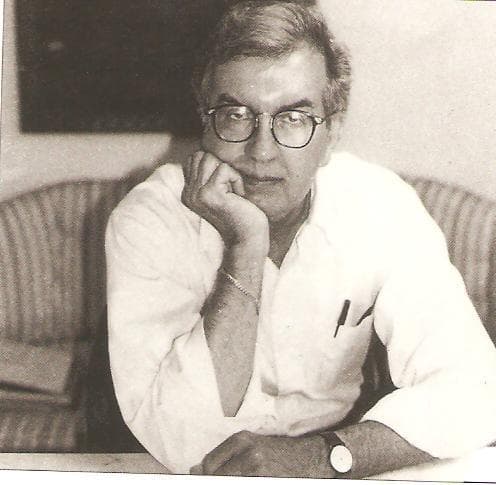
Larry Jeff McMurtry was an American novelist, essayist, prominent book collector, bookseller and screenwriter whose work was predominantly set in either the Old West or contemporary Texas. His novels included Horseman, Pass By (1962), The Last Picture Show (1966), and Terms of Endearment (1975), which were adapted into films. Films adapted from McMurtry's works earned 34 Oscar nominations.







