BookBrief
Little Men cover
Archivist's Choice

Little Men

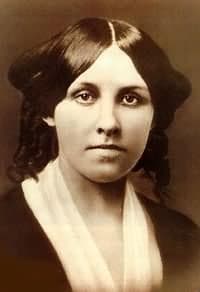
Louisa May Alcott (1885)

Genre

Children's / Historical Fiction / Young Adult

Reading Time

350 min

Key Themes

See below

Track Your Reading

Sign in to track this book

At Plumfield, the boisterous and loving school run by the grown-up Jo March, twelve rescued orphan boys, alongside her own two sons, tumble through a series of heartwarming scrapes and adventures under the watchful, affectionate eye of the entire March family.

Synopsis

Jo Bhaer, formerly Jo March, runs the Plumfield School with her husband, Professor Bhaer, for their two sons and twelve rescued orphan boys. The story follows the daily lives, mischief, and moral development of these boys, focusing particularly on Nat, a timid orphan violinist, and Dan, a rebellious but good-hearted street boy who Nat brings to Plumfield. Jo and Professor Bhaer use unconventional, loving methods of discipline and education, allowing the boys considerable freedom while guiding them toward good character. Challenges arise from the boys' natural inclination for pranks, their individual struggles, and the influence of new arrivals. Nat faces temptation when he is lured away by old acquaintances who exploit his musical talent, but he eventually returns to Plumfield, having learned a valuable lesson. Dan, after several disciplinary incidents and a period of running away, ultimately finds his purpose and path. The novel concludes with the boys growing into young men, some leaving Plumfield for new adventures, while others remain, all carrying the indelible lessons learned under Jo and Professor Bhaer's care.
Reading time
350 min
Difficulty
Easy
Pacing
Slow
Mood
Heartwarming, Wholesome, Nostalgic, Gentle
✓ Read this if...
You enjoy heartwarming stories about childhood, moral development, and the power of a loving, unconventional family and school environment. Perfect for fans of classic children's literature with a focus on character growth and gentle life lessons.
✗ Skip this if...
You prefer fast-paced plots, high-stakes adventure, or stories with complex adult relationships. This book is episodic and primarily focuses on the everyday lives and minor misadventures of children.

Plot Summary

New Beginnings at Plumfield

The story opens with Nat Blake, a timid orphan boy with a violin, arriving at Plumfield. This experimental school is run by Jo Bhaer (formerly Jo March) and her husband, Professor Friedrich Bhaer. Nat is immediately welcomed into the bustling, unconventional household. It already includes Jo and Fritz's two young sons, Rob and Teddy, and a diverse group of orphaned and disadvantaged boys. Jo, with her lively spirit, and Fritz, with his gentle wisdom, aim to educate the boys academically and morally. They encourage self-governance and kindness. Nat quickly forms a bond with Dan, a wilder, more independent boy, and struggles to adjust to the structured yet loving environment after a life on the streets. He observes the unique rules, like the 'castle' for quiet reflection and the 'black hole' for serious transgressions, and begins to feel a sense of belonging.

Daily Life and Mischief at Plumfield

Life at Plumfield is a lively mix of lessons, chores, games, and occasional mischief. The boys, each with distinct personalities, learn through practical experience and moral guidance. Tommy Bangs is boisterous and prone to accidents, while Demi and Daisy (Meg's children) are gentle and studious. Emil is adventurous, and Stuffy is a good-natured glutton. Jo and Fritz encourage outdoor play, animal care, and self-expression, often allowing the boys to resolve their own minor disputes. This section details various escapades, such as the boys' attempts to make money, their theatrical performances, and the general chaos that happens when a group of energetic boys lives together. Despite the occasional squabbles and broken rules, a strong sense of camaraderie and family fills the school.

Dan's Arrival and Influence

Nat, remembering his old friend, convinces Jo to take in Dan, a rough-around-the-edges, independent boy with a troubled past. Dan’s arrival initially causes friction. He is defiant, prone to fighting, and struggles to adapt to the gentle discipline of Plumfield. He influences some of the other boys, particularly Tommy, towards more rebellious behavior. Jo and Fritz, however, see potential in Dan and are determined to help him. They understand his background and try to reach him through kindness and understanding, rather than strict punishment. Dan, despite his resistance, slowly begins to respond to their unwavering patience and the positive influence of the other boys, especially Nat, who looks up to him.

Challenges and Disciplinary Lessons

Dan's wild nature leads to several incidents, testing Jo and Fritz's educational philosophy. He gets into fights, defies rules, and brings a dangerous dog to the school, causing a minor panic. One significant event involves Dan leading a group of boys in a mischievous, destructive raid on a neighbor's watermelon patch, resulting in serious consequences. Instead of expulsion, Fritz uses a unique form of discipline, appealing to Dan's sense of honor and responsibility. This incident, along with others, forces Dan to confront the consequences of his actions and slowly begin to understand the value of self-control and respect for others. The Bhaers consistently emphasize making amends and learning from mistakes.

The Introduction of Daisy and Demi

Meg's twins, Daisy and Demi, often visit Plumfield and eventually become temporary residents. They offer a gentle, more refined contrast to the boisterous boys. Daisy is sweet, domestic, and enjoys playing with dolls and helping Jo, while Demi is studious, philosophical, and a bit of a dreamer. Their presence highlights the different approaches to child-rearing and personality types. They participate in the school's activities, adding a touch of innocence and order. Daisy's kindness often soothes tensions, and Demi's thoughtful nature sometimes inspires the other boys to consider deeper questions. This shows the diverse influences that shape the Plumfield environment.

Nat's Temptation and Fall

Nat, who has been steadily improving, faces a significant moral test. Tempted by a desire for money to buy a present, he secretly takes money from Tommy's pocket. When the theft is discovered, Nat, out of fear and shame, denies it. The accusation falls on Dan, who, with his reputation, is immediately suspected. The truth eventually comes out, and Nat confesses his guilt, deeply regretting his lie and the injustice done to Dan. This incident is a turning point for Nat, as he experiences remorse and learns the painful consequences of dishonesty. Jo and Fritz handle the situation with understanding, emphasizing forgiveness and the importance of honesty.

Dan's Departure and Return

Following a particularly bad fight with another boy, and feeling misunderstood and unfairly targeted, Dan runs away from Plumfield. His absence deeply affects the other boys, especially Nat, who feels responsible. Jo and Fritz are saddened but hope for his return. After a period of wandering and experiencing the harsh realities of life outside Plumfield, Dan realizes the value of the home and family he left behind. He eventually returns, humbled and ready to try harder. His return is a sign of the Bhaers' lasting influence and his own desire for a better life. It is a significant step in his character development and acceptance of the Plumfield values.

Amy and Laurie's Contribution

Amy and Laurie, now married, visit Plumfield, bringing a touch of sophistication and cultural enrichment. Amy, with her artistic background, introduces the boys to art and beauty, while Laurie, ever generous, provides entertainment and often financial support for the school's various projects and treats. Their visits are always a source of excitement and joy for the boys. They represent the extended March family's support for Jo's unconventional educational endeavors, showing that Plumfield is a community effort. Their interactions with the boys often highlight the contrast between the boys' rough-and-tumble lives and the more refined world of their aunts and uncles, yet they embrace the spirit of Plumfield wholeheartedly.

Rob and Teddy's Childhood

Jo and Fritz's two young sons, Rob and Teddy, grow up at Plumfield, as the youngest members of the diverse family. Rob is lively and adventurous, often leading the younger boys in games, while Teddy is sweet-natured and a bit more delicate. Their childhood is unique, surrounded by a constant stream of older boys, learning alongside them and absorbing the Bhaers' values from their earliest days. Their presence shows the personal investment Jo and Fritz have in their educational experiment. They illustrate the loving and stimulating environment they have created through their own development.

Growth and Departures

As the years pass, the boys at Plumfield mature and begin to leave, ready to embark on their own paths. Jo and Fritz take pride in seeing their students grow into responsible, kind young men. Emil, with his adventurous spirit, decides to go to sea. Others pursue trades or further education, equipped with the moral compass and practical skills learned at Plumfield. The departures are bittersweet, but they show the success of Jo and Fritz's mission: to prepare these 'little men' for useful and honorable lives. The school continues to thrive, welcoming new boys, as the Bhaers remain dedicated to their unique vision of education and family.


Principal Figures

Jo Bhaer (Jo March)

The Protagonist

Jo continues to evolve as a maternal figure and educator, finding fulfillment in creating a loving home and school, demonstrating her capacity for boundless love and patience.

Professor Friedrich Bhaer

The Protagonist/Supporting

Fritz continues to embody wisdom and gentle authority, finding immense satisfaction in guiding young minds and supporting Jo's vision.

Nat Blake

The Supporting

Nat transforms from a timid, dishonest boy into a more confident and morally upright young man, learning the value of truth and friendship.

Dan Kean

The Supporting

Dan gradually softens and learns to control his temper and respect authority, finding a sense of belonging and purpose at Plumfield.

Tommy Bangs

The Supporting

Tommy learns to temper his boisterous nature with a greater sense of responsibility and consideration for others.

Demi Brooke (John Brooke Jr.)

The Supporting

Demi maintains his gentle and studious nature, becoming a positive, calming influence among the more boisterous boys.

Daisy Brooke (Margaret Brooke Jr.)

The Supporting

Daisy remains a sweet and nurturing presence, embodying the gentle domesticity that balances the rough-and-tumble school.

Rob Bhaer

The Supporting

Rob grows into a spirited and kind-hearted boy, a testament to the loving environment of Plumfield.

Teddy Bhaer

The Supporting

Teddy remains a sweet and beloved child, bringing joy and tenderness to the Plumfield household.

Amy Laurence

The Supporting

Amy continues to embody grace and artistic sensibility, offering support and cultural enrichment to the Plumfield family.

Laurie Laurence

The Supporting

Laurie remains a generous and beloved family member, consistently supporting Plumfield with his kindness and resources.

Themes & Insights

Unconventional Education and Nurturing

The central theme is Jo and Fritz Bhaer's experimental approach to education at Plumfield. Unlike traditional boarding schools, Plumfield prioritizes moral development, self-governance, and learning through experience over memorization. The Bhaers treat each boy as an individual, nurturing their unique talents and addressing their specific challenges with patience and understanding. This is evident in their 'castle' for quiet reflection and the 'black hole' for serious transgressions, as well as their emphasis on outdoor play, practical skills, and self-expression. The school acts as a large, loving family, showing that emotional well-being and character building are as important as academic knowledge.

"This is a school where boys are to be taught to be men, not monkeys; to be good, not great; to be kind, not clever."

Jo Bhaer

Redemption and Second Chances

Many of the boys at Plumfield, particularly Nat and Dan, come from difficult backgrounds and have made mistakes. The Bhaers consistently offer them second chances, believing in their inherent goodness and capacity for change. Dan's journey from a defiant street boy to a more responsible young man, and Nat's struggle with dishonesty and subsequent remorse, highlight this theme. Jo and Fritz refuse to give up on their students, even when they misbehave. Instead, they use disciplinary actions as opportunities for growth and moral instruction. The school is a sanctuary where boys can overcome their pasts and build better futures, emphasizing forgiveness and the power of love to transform lives.

"Every day is a fresh start, my dears, and every morning we begin anew."

Jo Bhaer

Family and Belonging

Plumfield is not just a school; it is a family. Many of the boys are orphans or come from broken homes, finding a sense of belonging and unconditional love with the Bhaers and each other. The daily routines, shared meals, collaborative projects, and even squabbles create a strong familial bond. Jo and Fritz act as surrogate parents, providing the stability and affection many of the boys have never known. The extended March family, including Meg, Amy, and Laurie, also contribute to this sense of community, reinforcing the idea that love and support extend beyond biological ties. This theme shows the importance of a nurturing environment for a child's development.

"Love is the best schoolmaster, and the boys learned more from that than from all their books."

Narrator

Childhood Innocence and Mischief

The book portrays the joys, challenges, and mischief of childhood. The boys' various antics, from watermelon raids to theatrical performances and playground squabbles, are central to the narrative. Alcott captures the energy, curiosity, and sometimes thoughtlessness that characterize young boys. While not avoiding depictions of their flaws and disciplinary moments, the narrative largely celebrates the innocence and good-heartedness of children. The Bhaers' approach acknowledges this natural exuberance, aiming to guide it constructively rather than suppress it, allowing the boys to be 'little men' as healthy, developing individuals.

"Boys will be boys, and the best way to manage them is to let them be boys with a hand to guide them, not a rod to break them."

Jo Bhaer

Nature and Outdoor Life

Plumfield is deeply connected to nature, with the boys spending a significant amount of time outdoors. They engage in gardening, caring for animals, playing in the woods, and exploring the surrounding countryside. This focus on outdoor life is part of the Bhaers' educational philosophy, promoting physical health, practical skills, and an appreciation for the natural world. It also gives an outlet for the boys' energy and is a setting for many of their adventures and lessons. Dan, in particular, finds solace and purpose in his connection to animals and the outdoors, showing how nature can be a powerful teacher and healer.

"The children were never happier than when out of doors, and the good professor believed in giving them plenty of fresh air and exercise."

Narrator

Plot Devices & Literary Techniques

Episodic Structure

A series of interconnected short stories and vignettes illustrating daily life and lessons.

The novel is structured as a series of loosely connected episodes or vignettes, each focusing on a specific incident, character, or moral lesson at Plumfield. While there are overarching character arcs (like Nat's and Dan's), the plot doesn't follow a single, continuous narrative conflict. Instead, it presents a mosaic of daily life, showcasing the various challenges, joys, and educational moments that occur within the school. This episodic style allows Alcott to explore different facets of childhood and the Bhaers' teaching methods without relying on a strong central plot, making it feel like a series of interconnected short stories.

Moral Didacticism

The explicit teaching of moral lessons and virtues through character actions and consequences.

Alcott uses the Plumfield setting as a vehicle for explicit moral instruction. Each episode, especially those involving misbehavior, invariably leads to a clear lesson about honesty, kindness, self-control, forgiveness, or responsibility. The Bhaers' conversations with the boys, and the boys' own experiences, are designed to illustrate virtues and vices. For instance, Nat's theft and subsequent remorse, or Dan's wildness leading to consequences, directly teach moral principles. This didactic approach is characteristic of much 19th-century children's literature, aiming to both entertain and educate young readers on proper conduct.

Character Archetypes

Representing various types of boys and their paths to growth.

Alcott employs character archetypes to populate Plumfield, representing different facets of childhood and human nature. Nat embodies the timid, easily influenced but good-hearted child; Dan represents the wild, independent, and troubled boy who needs guidance; Tommy is the boisterous and mischievous but ultimately good-natured boy; Demi is the studious and imaginative one; Daisy is the gentle and domestic girl. These archetypes allow Alcott to explore a range of behaviors and demonstrate how the Bhaers' individualized approach to education caters to diverse personalities, showing different journeys of growth and moral development within the same nurturing environment.

Plumfield as a Microcosm

The school represents an idealized society where children learn to navigate the world.

Plumfield functions as a microcosm of society, albeit an idealized one. Within its bounds, the children learn to interact with diverse personalities, resolve conflicts, understand social norms, practice self-governance, and develop a moral compass. The Bhaers' system of rules, consequences, and rewards, along with the emphasis on mutual respect and kindness, prepares the 'little men' for the wider world. The challenges they face (like theft, fighting, or disobedience) are miniature versions of adult problems, and their resolutions provide models for ethical living. It's a controlled environment designed to equip them with the tools for a virtuous life outside its protective walls.

Symbolism of Music and Nature

Music (Nat's violin) and nature symbolize beauty, solace, and intrinsic goodness.

Nat's violin serves as a recurring symbol of beauty, solace, and his inherent gentle nature, often calming his own anxieties and those around him. It represents the artistic and emotional side of life that the Bhaers encourage. Similarly, nature, through the Plumfield grounds, the animals, and outdoor activities, symbolizes freedom, growth, and a connection to something pure and wild. The boys' interactions with nature, particularly Dan's affinity for animals, highlight a primitive goodness and a space for uninhibited expression. Both music and nature offer outlets for emotional release and contribute to the holistic development of the children.

Critical analysis

Notable Quotes

Love is a flower that grows in any soil, works its sweet miracles undaunted by autumn frost or winter snow, blooming fair and fragrant all the year, and blessing those who give and those who receive.

Narrator reflecting on the nurturing environment of Plumfield.

I'd rather see a houseful of happy, healthy children than the finest palace in the world.

Jo March Bhaer expressing her philosophy on education and home life.

Now, I'm going to teach you to play fair, for that's a thing which every boy should learn.

Jo instructing the boys during a game at Plumfield.

The small duties and tasks of life are the best discipline for the soul.

Narrator commenting on the value of daily chores at the school.

I want my boys to be honest, brave, and kind, and to grow up to be good men.

Professor Bhaer discussing his educational goals with Jo.

A little kingdom I possess, where thoughts and feelings dwell; And very hard the task I find of governing it well.

A poem recited by one of the children, reflecting on self-control.

Work is wholesome, and there is plenty for everyone; it keeps us from mischief and makes us strong.

Jo encouraging the children to engage in productive activities.

The love of money is the root of all evil, but the want of it is sometimes the root of a great deal of unhappiness.

Narrator musing on the challenges faced by poorer characters.

Let us be elegant or die!

A humorous exclamation by one of the girls during a play rehearsal.

Every child has a right to a happy childhood, and we must help them to it if we can.

Professor Bhaer advocating for the well-being of all students.

Nature is a gentle teacher, and her lessons are often the sweetest.

Narrator describing outdoor activities and learning at Plumfield.

It takes so little to make a child happy, that it is a pity we so often neglect to do it.

Jo reflecting on simple joys after a successful day with the children.

I am not afraid of storms, for I am learning how to sail my ship.

A character (often attributed to Jo or a child) showing resilience.

The best way to cure selfishness is to give until it hurts.

Professor Bhaer teaching a lesson on generosity to a selfish boy.

Quiz

Test Your Knowledge

Ready to see how well you understood this book? Take our interactive quiz with 10 questions.

10
Questions
~5
Minutes
?
Best Score

Key Questions (FAQ)

'Little Men' follows Jo March (now Jo Bhaer) and her husband Professor Bhaer as they run Plumfield, an informal school and home for their two sons and twelve rescued orphan boys. The story chronicles the boys' scrapes, adventures, and personal growth under the guidance of the Bhaers and the extended March family, emphasizing themes of kindness, education, and character development.

About the author