“He had found out that the best way to make himself happy was to make other people happy.”
— Cedric's realization about his own happiness.

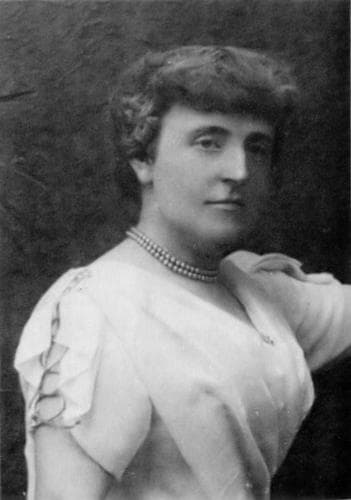
Frances Hodgson Burnett (2016)
Genre
Children's / Historical Fiction / Young Adult
Reading Time
164 min
Key Themes
See below
Sign in to track this book
An impoverished American boy's kindness changes his aristocratic British grandfather, but a rival challenges his claim to the earldom.
Cedric Errol, a charming, kind seven-year-old, lives in a humble New York City home with his mother, Mrs. Errol, whom he calls 'Dearest.' His English father, Captain Errol, died when Cedric was young, leaving them with little money. Despite their poverty, Cedric's upbringing includes love, kindness, and strong morals. He makes friends with a local grocer, Mr. Hobbs, a strong Republican, and a bootblack named Dick. Cedric often shares his innocent wisdom and cheerful attitude with them. He believes all people are good, a trait his mother taught him.
One day, a distinguished English lawyer, Mr. Havisham, visits Cedric and his mother. He brings the surprising news that Cedric's paternal grandfather, the Earl of Dorincourt, a wealthy, notoriously grumpy aristocrat, has lost all his other sons. This means Cedric is now the sole heir to the earldom and its large estates. He is to become Lord Fauntleroy. The Earl, who had disowned Cedric's father for marrying an American woman he did not approve of, reluctantly requires Cedric to move to England to be educated as a proper English lord. However, he forbids Cedric's mother from living in the castle, offering her a nearby house instead.
Cedric's mother is sad about the Earl's harsh rules and the separation from her son, but she agrees to the move for Cedric's future. Cedric, at first excited to live in a castle and be a 'lord,' mostly cares about making his grandfather happy and using his new position to help others. Before they leave, Cedric says goodbye to his New York friends, Mr. Hobbs and Dick, promising to write. His innocence and good nature make a lasting impression on everyone he meets, even those who were initially skeptical or quiet.
When they arrive in England, Cedric's mother moves into a charming house on the Dorincourt estate. Cedric moves into the grand castle with his grandfather. The Earl, a bitter, sickly old man, expects to find a spoiled child. Instead, Cedric's natural charm, genuine affection, and open innocence surprise him. Cedric, not knowing his grandfather's true nature or past cruelty, sees only a lonely old man he can love and cheer up. He begins to soften the Earl's hardened heart with simple acts of kindness and an optimistic outlook.
Cedric's presence in the castle has a strong effect on the Earl. Through Cedric's innocent observations and questions, the Earl starts to see the suffering of his tenants, whom he had treated poorly. Cedric's care for the poor and sick, and his belief in his grandfather's goodness, cause the Earl to care about their well-being. He begins to make improvements on his estate, providing better housing and medical care, all while saying these changes are due to Cedric. The Earl finds himself growing fond of the boy, something he never thought possible.
The Earl still insists that Cedric's mother not live in the castle or socialize with him, but he secretly watches her. He learns she is a kind, intelligent, and dignified woman, loved by everyone on the estate. Her gentle nature and independent spirit impress him, slowly breaking down his prejudices. He sees her charitable acts and quiet strength, realizing she is not the frivolous American he imagined, but a good and noble woman, worthy of respect, and a fitting mother for his grandson.
Just as the Earl's heart softens and he grows close to Cedric, a shocking event happens. A woman, Mrs. Minna Tipton, appears in England with her son. She claims her deceased husband was the Earl's eldest son, Bevis. She says her son, also named Bevis, is the true Lord Fauntleroy, making Cedric an impostor. The Earl and his lawyers, Mr. Havisham and Mr. Mordaunt, must investigate this claim, which puts Cedric's future and the Earl's new happiness at risk. Cedric does not know about the potential threat to his position and continues to love his grandfather.
The Earl is upset by the chance of losing Cedric and tells his lawyers to investigate Mrs. Tipton's claim thoroughly. He is torn between his growing love for Cedric and his duty to his family line. Meanwhile, in New York, Cedric's old friends, Mr. Hobbs and Dick, read about the scandal in American newspapers. Dick recognizes Mrs. Tipton from his past. He remembers a woman who left her child and later remarried, believing her to be the same person. He immediately writes to Cedric's mother, sharing his suspicions and important information.
Dick's letter to Mrs. Errol is important. He reveals that Mrs. Tipton was married to his own brother, Ben, before leaving him and their child to marry a richer man named Tipton. He further states that the child she is presenting as the Earl's grandson is actually his own nephew, Ben's son. This information, supported by Mr. Hobbs and other witnesses from New York, completely discredits Mrs. Tipton's claim. Mr. Havisham confirms the details, proving that Mrs. Tipton's son is not the true heir and that Cedric is the rightful Lord Fauntleroy.
With the truth known, the Earl is very happy. He is relieved that Cedric is his rightful heir and also grateful to Mrs. Errol for handling the crisis calmly and for raising such a wonderful grandson. He finally welcomes her, inviting her to live in the castle and treating her with the respect and affection she deserves. Cedric's eighth birthday is celebrated with ceremony, attended by all the tenants and Cedric's New York friends, Mr. Hobbs and Dick, who travel to England for the occasion. The Earl, now a changed man, looks at his family and his people with love, beginning a new, benevolent time for Dorincourt.
The Protagonist
Cedric transitions from an impoverished American boy to an English lord, but his core values of kindness and compassion remain unchanged, ultimately transforming those around him.
The Antagonist/Supporting
The Earl undergoes a significant transformation from a cynical, cruel aristocrat to a loving, benevolent grandfather and landlord, directly influenced by Cedric's pure heart.
The Supporting
She maintains her dignity and grace despite adversity, eventually earning the full acceptance and love of the Earl.
The Supporting
He remains a steadfast friend, eventually traveling to England to support Cedric.
The Supporting
He uses his past knowledge to help expose a fraud, demonstrating his loyalty and intelligence.
The Supporting
He diligently carries out his legal duties, ensuring justice and the rightful heir are established.
The Antagonist
She attempts a fraudulent claim to the Dorincourt title but is ultimately exposed and defeated.
The Mentioned
His past relationship with Mrs. Tipton is uncovered to reveal her deceit.
The main theme is Cedric's pure heart and optimism, which strongly affect those around him. His innocent belief that people are good, even the grumpy Earl, changes a bitter old man into a benevolent figure. Cedric's kindness and care for the tenants make the Earl improve their lives, showing that real goodness can overcome cynicism and prejudice. His childlike view challenges the strict social rules of the English aristocracy.
“"He had lived his eight years in a world which was made fair and sweet by the love and kindness of his mother, and he had been taught to believe that all the world was good and beautiful."”
This theme is clearest in the Earl of Dorincourt's character change. Initially a cruel, selfish, and isolated man, he changes a lot because of his grandson. Cedric's unconditional love and simple affection reduce the Earl's bitterness, leading him to rediscover his humanity. He starts to care for his tenants, respect Cedric's mother, and finds joy and purpose in his life, redeeming himself through kindness and love. His change shows that even the hardest hearts can change.
“"The Earl had been a hard man all his life, and had lived in his own way, caring little for the opinion of others; but this child had come into his life and had found his way to his heart."”
The novel looks at the strict class differences of Victorian England and the prejudices that came with them. The Earl at first dislikes Mrs. Errol because she is American and from an ordinary background, forbidding her from living in the castle. He also treats his tenants poorly. Cedric, an American boy, bridges the gap between classes with his goodness, treating everyone with equal respect, whether they are a grocer, a bootblack, or an Earl. The story argues against class prejudice, showing that true nobility comes from character, not birth.
“"He had never thought of a lord as different from other people, except that he was a little grander, perhaps, and had more money."”
At its heart, the story is about forming an unusual family. Cedric and his mother, at first a small, loving unit, are put into a grand, dysfunctional aristocratic family. The Earl, who had disowned his son, eventually accepts Cedric and, through him, accepts and loves Mrs. Errol. The theme stresses the importance of family bonds, forgiveness, and the idea that a family is defined by love and respect, not by strict lineage or social status. Dick and Mr. Hobbs arriving at the end further expands the sense of belonging.
“"He had never known what it was to have a family, and now he had one, and it was all his own."”
Cedric's American innocence contrasts with English aristocracy.
This device highlights Cedric's natural goodness and lack of pretense, contrasting it with the rigid social conventions and cynicism of the English aristocracy. His American upbringing, free from class consciousness, allows him to approach the Earl and his tenants with genuine affection and respect, fundamentally altering the dynamics of Dorincourt. His 'innocence abroad' is the primary catalyst for the Earl's transformation, as he is unburdened by the historical grudges and social expectations that weigh down the other characters.
Cedric, though humble, possesses innate moral superiority.
Cedric, despite his humble origins and lack of aristocratic training, possesses an inherent moral compass and purity of spirit that makes him a 'diamond in the rough.' He is naturally kind, compassionate, and honorable, qualities that are far more valuable than any inherited title or wealth. This device emphasizes that true nobility comes from character, not birth, and that even a simple, unadorned child can be a greater 'lord' than a seasoned aristocrat.
Dick's letter provides an unexpected, timely solution to the plot.
The resolution of the fraudulent claim by Mrs. Tipton is achieved through a 'deus ex machina' in the form of Dick's letter. Just when the plot reaches its crisis, and Cedric's inheritance is in jeopardy, a letter arrives from New York containing the precise, unexpected information needed to expose the imposter. While convenient, it serves to swiftly resolve the conflict and reinforce the loyalty of Cedric's American friends, allowing the story to conclude on a happy, unified note without prolonged legal battles.
Mrs. Tipton and the Earl's initial character act as foils to Cedric's goodness.
Mrs. Tipton serves as a direct foil to Cedric and his mother, embodying deceit, greed, and manipulation, in stark contrast to their honesty and benevolence. Similarly, the Earl, in his initial curmudgeonly and prejudiced state, acts as a foil to Cedric's innocent optimism and compassion. These contrasting characters highlight Cedric's virtues and underscore the transformative power of his goodness by showing what he is not, and what he is able to overcome or change.
“He had found out that the best way to make himself happy was to make other people happy.”
— Cedric's realization about his own happiness.
“A true nobleman is one who is brave, and gentle, and is not afraid to do what is right.”
— Cedric's definition of nobility to his grandfather.
“It is not the coat that makes the gentleman, but the way he wears it.”
— A general sentiment about appearances versus character.
“He thought the Earl was like a very big, rather cross, but not really bad-hearted dog.”
— Cedric's initial perception of his grandfather, the Earl.
“If you are good to others, they will be good to you.”
— Cedric's simple philosophy of life.
“He was quite sure that if he told the Earl about the people in the village, the Earl would help them.”
— Cedric's unwavering faith in his grandfather's goodness.
“His mother had taught him that it was always best to speak the truth, even if it was a little bit uncomfortable.”
— Cedric's adherence to honesty, learned from his mother.
“The little American boy, with his frank, innocent face, and his charming, unconscious ways, was a new element in the old house.”
— Description of Cedric's impact on Dorincourt Castle.
“He had never known how much he wanted to be loved until he found himself loving this little boy.”
— The Earl's realization about his own emotional needs.
“The greatest joy of all was to feel that he was making his grandfather happy.”
— Cedric's deep satisfaction in pleasing the Earl.
“He had a way of making people feel as if they were doing him a favor by letting him do them one.”
— Description of Cedric's charming and persuasive nature.
“It was really quite wonderful how much good a little boy could do.”
— A reflection on Cedric's positive impact on everyone around him.
“He had never seen anyone who looked so grand and yet so kind.”
— Cedric's first impression of his grandfather, the Earl.
“He was a very small boy to be so important, but he seemed to manage it quite well.”
— Narrator's observation on Cedric's significant role despite his age.
Ready to see how well you understood this book? Take our interactive quiz with 10 questions.
Biography coming soon.

Dan Gemeinhart
4.5

Kate O'Hearn
4.4

Jeanne Birdsall
4.4

Jen Wang
4.4

Wendelin Van Draanen
4.3

John Marsden
4.3

Chris Van Allsburg
4.3
Jennifer A. Nielsen
4.2