“There's no great loss without some small gain.”
— Pa says this after their house burns down, finding a silver lining in hardship.

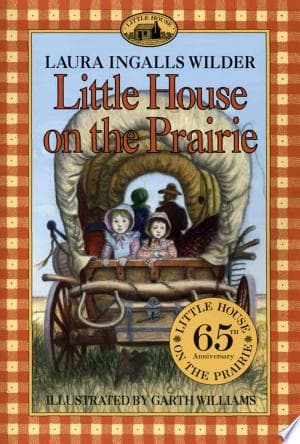
Laura Ingalls Wilder (2016)
Genre
Children's / Historical Fiction / Young Adult
Reading Time
360 min
Key Themes
See below
Sign in to track this book
In the Kansas Territory, young Laura Ingalls and her family build a new home, facing frontier life's joys and dangers, from planting crops to navigating conflicts.
The story begins with the Ingalls family—Pa, Ma, Mary, Laura, and baby Carrie—leaving their log cabin in Wisconsin's Big Woods. Pa decides they must move west to the Kansas Territory, where land and game are plentiful. They pack their belongings into their covered wagon, which is their home during the journey. Laura is excited; Mary is more reserved. They say goodbye to their neighbors and set out, their dog Jack with them. The vast, open prairie is a big change from the woods they left.
The journey is long and new for Laura. They travel through different places, meet various people, and overcome problems. Crossing a swollen creek is one challenge. Pa carefully raises the wagon box on blocks to keep water out. The current is strong, and the wagon almost flips, scaring Ma and the girls. They cross safely, but their dog Jack is swept away. Laura is sad, thinking Jack is gone, but he reappears later, to her relief and joy. This event shows the dangers of frontier travel.
After weeks of travel, Pa finds a good spot on the Kansas prairie, near a creek and tall grass, offering water and grazing for their animals. It is a beautiful, wild place, seemingly empty of other settlers. They unload the wagon and begin building a new log cabin. Pa fells trees, and Ma and the girls help with smaller tasks, like clearing land and cooking over an open fire. Laura and Mary explore, enjoying the prairie's vastness and wildlife. The covered wagon is their temporary home while they build.
Building the cabin is hard work, needing all of Pa's strength and skill. He fells trees, notches logs, and raises the walls. One day, Mr. Edwards, a rough but kind neighbor, arrives and helps Pa with the heavy work of raising the cabin's ridge-pole. Mr. Edwards shares stories and brings some cheer to their isolated lives. His presence shows the start of a small community, even in this vast wilderness. The cabin slowly takes shape, becoming a sturdy, simple dwelling with a fireplace and a door, providing needed shelter.
Life in the new cabin quickly settles into a routine. Pa hunts deer, turkeys, and even a buffalo, providing food. Ma and the girls manage the house, cooking, cleaning, and making butter and cheese. Laura and Mary explore, watching prairie dogs and large herds of wild horses. They also see a prairie fire, a scary but harmless event since it burns far from their home. The family learns to live with nature, enjoying its beauty while respecting its dangers. These experiences deepen Laura's connection to the wild land.
As time passes, more settlers arrive, building homes down the creek. This brings a sense of community but also hints at increasing encroachment on the land. More importantly, the Ingalls family learns about the Osage Indians, the land's original inhabitants. Pa explains that the land belongs to the Indians, and the settlers are there illegally. Laura watches the Osage from afar, fascinated and a little scared. They see Indian hunting parties, hear drums, and witness a large gathering, making the family aware of the complex frontier situation.
The Osage Indians hold a large council nearby, filling the prairie with their lodges and drumming. This creates a tense atmosphere for the settlers. Pa watches closely, ensuring his family's safety. He tells Ma and the girls that the Indians are discussing whether to let the white settlers stay or drive them out. Laura is curious and frightened by the nearby Indian camp. The settlers, including the Ingalls, are living on land that is, by treaty, Indian territory, making their presence uncertain and showing the conflicts of westward expansion. The family feels this uncertainty.
Ma gets seriously ill with fever and chills, likely malaria, a common frontier sickness. Pa worries deeply and works hard to care for her, giving her quinine and trying to keep her comfortable. Laura and Mary help as much as they can, but the situation is bad. Pa's resourcefulness and determination are tested as he tries to nurse Ma back to health in their isolated cabin, far from any doctor. This time is a severe test for the family, showing the hardships and dangers of frontier life and the strength of their family bonds.
After the Indian council's tension, the Osage begin to move west, leaving the area near the Ingalls' cabin. This brings temporary relief to the settlers. With the threat of conflict seemingly gone, the family prepares for winter. They stock food, gather firewood, and secure the cabin against the cold. The vast prairie, once a symbol of freedom, now hints at the isolation and severity of the coming months. The family looks forward to winter's quiet, hoping for peace.
Just as the family settles into their routine, news arrives that the government is removing all white settlers from the Kansas Territory, as it is officially Indian land. Despite Pa's hard work building their home and working the land, they are squatters. The dream of a permanent home on the prairie ends. With heavy hearts, the Ingalls family packs their belongings back into the covered wagon. They say goodbye to their little house on the prairie and the land they loved, again setting out for an unknown future, heading further west to find a place they can truly call their own.
The Protagonist
Laura learns resilience and resourcefulness, adapting to the harsh realities of frontier life while retaining her adventurous spirit and love for her family.
The Supporting
Pa demonstrates unwavering determination and resourcefulness in the face of immense challenges, always striving to protect and provide for his family.
The Supporting
Ma maintains her steadfast resolve and nurturing presence, providing emotional and practical stability despite the constant upheaval and challenges of frontier life.
The Supporting
Mary consistently embodies gentleness and obedience, providing a quiet strength and a foil to Laura's more boisterous nature throughout their journey.
The Supporting
Carrie remains an infant, her primary role being a symbol of the family's hopes and the focus of their protective instincts.
The Supporting
Jack's arc is one of unwavering loyalty and protection, demonstrating resilience when separated and returning to his family.
The Supporting
Mr. Edwards briefly appears as a helpful and friendly neighbor, embodying the spirit of cooperation among isolated settlers.
The Mentioned
The Osage Indians' presence shifts from a distant observation to a direct, albeit non-confrontational, influence that ultimately forces the Ingalls family to relocate.
The book shows the challenges and rewards of pioneering. The Ingalls family embodies self-reliance, with Pa building their home, hunting food, and Ma managing the household with few resources. Building the log cabin from scratch, Pa's hunting trips for deer and buffalo, and Ma's skill in cooking and making household items all show the ingenuity and hard work needed to survive on the prairie. The family's ability to adapt and provide for themselves, far from towns, is central to their identity and survival.
“"Here was a new house, all their own, in a new land. Pa was building it for them, with his own hands."”
The Ingalls family's strong bond is central to the story. Their love, support, and shared goals help them face great hardships, from dangerous river crossings to Ma's illness and forced relocation. The family works together, comforts each other, and finds joy in simple moments, like Pa's fiddle playing or Laura and Mary's games. Ma's quiet strength, Pa's protective nature, and the sisters' companionship help them survive emotionally and physically in the isolated, often dangerous prairie environment. Their resilience shows their deep family ties.
“"We must all do our share, and that's the way we'll get along."”
The book explores the complex relationship between humans and nature on the prairie. Nature is beautiful and abundant, offering vast plains, much wildlife, and stunning sunsets. It is also a source of danger and hardship, through swollen creeks, possible prairie fires, and harsh weather. The family learns to live with nature, respecting its power while using its resources. Laura's deep connection to the land, her observations of animals, and her awe at the landscape show a deep appreciation for nature, even as they try to settle a part of it.
“"The vast, empty land stretched away to the sky, and there was no house anywhere, only the grass and the sky."”
A main theme is the ethical problem of white settlers moving onto Native American land. Pa directly states that the land belongs to the Osage Indians, and the family knows they are 'squatters.' The presence of the Osage and their eventual removal by the government show the injustice of westward expansion. While the book is told from the settler's view, it acknowledges the displacement of indigenous peoples, adding moral complexity to the family's dream of a new home and questioning the simple idea of 'empty' land.
“"This is Indian country, isn't it? What are we doing here?" "We're not doing anything, Laura. We're just living here. The government will take care of it."”
Narrative told through the eyes and experiences of young Laura Ingalls.
The entire story is filtered through Laura's observations, thoughts, and feelings. This allows readers to experience the prairie frontier with the fresh wonder, curiosity, and occasional fears of a child. It limits the reader's knowledge to what Laura perceives, making events like the Indian council or the government's decision more mysterious and impactful as they unfold through her understanding. This perspective also emphasizes the innocence and adventure of childhood amidst the harsh realities of pioneer life.
The physical journey westward symbolizes life's challenges and the pursuit of dreams.
The Ingalls family's physical journey in their covered wagon from Wisconsin to Kansas, and then their subsequent relocation, serves as a powerful metaphor for the broader journey of life, full of uncertainty, hardship, and the constant search for a better future. Each stop and departure represents a new phase, a new challenge, and a renewed hope for a permanent home. The journey isn't just about covering distance; it's about personal growth, resilience, and the evolving dream of the American frontier.
A symbol of home, security, and human endeavor against the wilderness.
The log cabin, which Pa builds with his own hands, is a central symbol in the book. It represents the family's attempt to establish roots, create security, and impose order upon the vast, untamed prairie. Its construction signifies their hard work and self-reliance, while its eventual abandonment underscores the impermanence of their settlement and the larger forces at play (government treaties, indigenous rights). It is both a physical shelter and a symbol of their hopes and dreams for a permanent home.
A symbol of comfort, culture, and resilience in the face of hardship.
Pa's fiddle is a recurring motif and a potent symbol throughout the book. In the isolation of the prairie, the fiddle provides entertainment, comfort, and a connection to civilization and culture. Its music lifts spirits, calms fears, and strengthens family bonds during difficult times. When Pa plays, it brings joy and a sense of normalcy, reminding the family of beauty and hope amidst the wilderness. It represents the enduring human spirit and the importance of art and music in maintaining morale.
“There's no great loss without some small gain.”
— Pa says this after their house burns down, finding a silver lining in hardship.
“Home is the nicest word there is.”
— Laura reflects on the comfort and importance of home after their travels.
“The only thing that is never wasted is education.”
— Ma emphasizes the value of learning, even in difficult frontier conditions.
“We'd never get anything fixed to suit us if we waited for things to suit us before we started.”
— Pa encourages action despite imperfect circumstances while building their life.
“A long time ago, when all the grandfathers and grandmothers of today were little boys and little girls or very small babies, or perhaps not even born, Pa and Ma and Mary and Laura and Baby Carrie left their little house in the Big Woods of Wisconsin.”
— Opening lines describing the family's journey westward.
“The sky was full of light, and the prairie was like a great bowl of sunshine.”
— Laura describes the vast, beautiful landscape of the prairie.
“It is best to be honest and truthful.”
— Ma teaches Laura about integrity after a minor incident.
“The wind sang a low, rustling song in the grass.”
— Descriptive passage evoking the sounds and atmosphere of the prairie.
“We are all here, safe and sound.”
— Pa reassures the family after a dangerous encounter or storm.
“Laura felt a warmth inside her. It was very small, but it was strong. It was steady, like a tiny light in the dark, and it burned very low but no winds could make it flicker because it would not give up.”
— Laura's inner thoughts during a challenging moment on the prairie.
“The land was level, and there were no trees. The sky was big, and there was so much wind.”
— Description of the stark, open prairie landscape.
“Do the best you can, and don't worry about the rest.”
— Practical advice from Ma about managing frontier hardships.
“They had nothing but the courage in their hearts and the strength in their hands.”
— Narration about the family's reliance on their own resources.
“The stars hung low and bright over the prairie.”
— Evening description highlighting the beauty of the natural world.
Ready to see how well you understood this book? Take our interactive quiz with 10 questions.
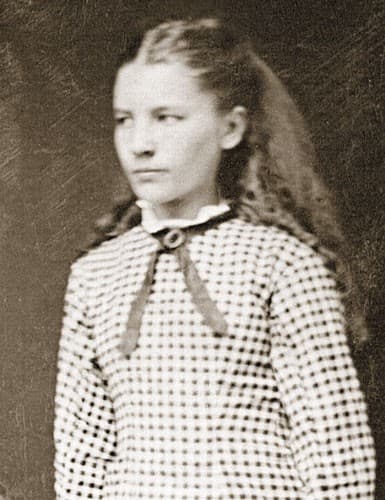
Laura Elizabeth Ingalls Wilder was an American writer. The Little House on the Prairie series of children's books, published between 1932 and 1943, were based on her childhood in a settler and pioneer family.

Dan Gemeinhart
4.5

Kate O'Hearn
4.4

Jeanne Birdsall
4.4

Jen Wang
4.4

Wendelin Van Draanen
4.3

John Marsden
4.3

Chris Van Allsburg
4.3
Jennifer A. Nielsen
4.2