“There is no great loss without some small gain.”
— Pa says this after a tree falls on their house, teaching Laura about finding positives in hardship.

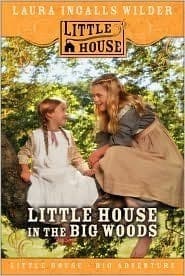
Laura Ingalls Wilder (1932)
Genre
Children's / Historical Fiction / Young Adult
Reading Time
180 min
Key Themes
See below
Sign in to track this book
Journey into 1871 Wisconsin as four-year-old Laura Ingalls learns the rhythms of pioneer life, from churning butter to celebrating Christmas, all while nestled in a cozy log cabin and lulled to sleep by her Pa's fiddle.
The story introduces four-year-old Laura Ingalls, her older sister Mary, baby sister Carrie, Ma, and Pa, living in a small log cabin in the Big Woods of Wisconsin in 1871. Their nearest neighbors are several miles away. Pa hunts and farms, while Ma manages the household, cooking, cleaning, and making clothes. The family relies entirely on their own efforts for survival, preparing for the harsh winter ahead. Laura observes and learns about their daily routines, from fetching water to Pa's stories and fiddle playing in the evenings, which provide comfort and entertainment in their isolated home. Wild animals, like bears and wolves, are a constant reminder of the wilderness surrounding their little house.
Laura and Mary help Ma with daily chores, such as washing dishes, churning butter, and preparing meals. Laura often goes with Pa when he goes outside, watching him work. One day, Pa hunts and brings home a deer, providing meat for the family. Ma processes the deer, rendering the fat for tallow and salting the meat for preservation. Laura learns about pioneer life, from making candles and soap to preparing food for storage. Evenings are a time for family togetherness, with Pa playing his fiddle by the fire and telling stories of his own childhood adventures and encounters with animals, captivating Laura and Mary.
As autumn progresses and the weather turns colder, the family prepares for the annual hog butchering. This event ensures a supply of meat for the coming winter. Pa, with the help of a neighbor, Mr. Edwards, butchers two hogs. Ma and the girls are busy inside, rendering lard, making headcheese, and salting the pork. Laura helps by turning the crank for the sausage grinder and watches the entire process. The butchering is hard and messy, but it is necessary for their survival, providing not only food but also valuable lard for cooking and soap-making.
Ma is good at making cheese, a process Laura finds interesting. She watches as Ma warms the milk, adds rennet, and presses the curds into a round cheese. The fresh cheese is then carefully aged. Besides cheese, Ma also preserves pumpkins by cutting them into rings and drying them, and stores apples and potatoes in the cellar for winter. These activities show the self-sufficiency needed for pioneer life, where every family member helps ensure they have enough food to last through the long, cold months when fresh produce is unavailable. Laura's observations teach her the value of hard work and resourcefulness.
Christmas arrives, bringing much anticipation and joy to the Ingalls household. On Christmas morning, Laura and Mary find modest but cherished gifts: a rag doll for Laura, a corn-cob doll for Mary, and a shiny new tin cup and a stick of striped candy for each. Pa and Ma exchange practical gifts like mittens and a new shawl. Later, the family visits Grandma and Grandpa Ingalls for a Christmas dinner, where they enjoy a feast including roasted turkey, potatoes, gravy, and pies. The warmth of family and the simple pleasure of homemade toys and good food make for a memorable holiday, emphasizing love and togetherness.
During their Christmas visit to Grandma and Grandpa Ingalls, the family gathers around the fire. Grandpa Ingalls, like Pa, is a talented fiddle player. He entertains everyone with lively tunes, and the adults even dance a jig. Grandpa also shares stories from his own youth as a pioneer, recounting tales of encounters with bears and other wild animals, and adventures in the wilderness. These stories entertain Laura and Mary and connect them to their family's history and the pioneer experience, providing a look into the challenges and excitements of settling the frontier. Family warmth and shared traditions are important.
As winter begins to recede, the family looks forward to the maple sugaring season. Pa taps the maple trees, and sap is collected in buckets. The sap is then boiled down in large kettles over an outdoor fire, a long process that transforms the watery sap into sweet syrup and sugar. Laura and Mary are delighted to help and eagerly anticipate the treats that come from it, like maple candy made by pouring hot syrup onto snow. This annual tradition is a sign of spring's arrival and provides a source of sweetness for the family throughout the year, marking a shift in the seasonal cycle of their lives.
One day, Pa takes the family on a rare trip to the town of Pepin. It is a significant event, as they seldom leave their isolated cabin. Laura is amazed by the sights and sounds of the town, including the stores filled with goods they do not produce themselves. Ma buys calico cloth for dresses, and Pa gets supplies. Laura and Mary are particularly fascinated by the candy store. The trip provides a look at a different kind of life beyond the Big Woods and shows the self-sufficiency of their daily existence, as most of what they need is made at home. It is a memorable adventure for the girls.
Throughout the spring and summer, Pa works to clear more land and plant crops like corn, wheat, and potatoes. Laura and Mary often help in the garden, planting seeds and weeding. The harvest season is busy for everyone, as they gather the fruits of their labor. Pa harvests the wheat, and Ma grinds some of it into flour. They also pick berries and nuts from the woods to supplement their diet. These activities show the cyclical nature of pioneer life, where hard work in one season directly impacts their survival and well-being in the next. The bounty of the land is carefully preserved for future use.
As the leaves begin to turn and the air grows crisp, the Ingalls family starts their preparations for the next winter. The cellar is filled with preserved foods, the woodpile is stacked high, and the cabin is made snug against the cold. Laura thinks about the past year, filled with hard work, simple pleasures, and the constant presence of the wilderness. The cycle of life in the Big Woods continues, with each season bringing its own challenges and rewards. The story ends with the family safe and warm in their little house, listening to Pa's fiddle, ready to face another winter together, secure in their love and self-reliance.
The Protagonist
Laura begins as a young, curious child and through her observations and participation in daily life, she gains a deeper understanding and appreciation for the pioneer lifestyle and her family's resilience.
The Supporting
Pa consistently demonstrates his role as a provider and protector, showcasing his unwavering love and dedication to his family's survival and happiness.
The Supporting
Ma remains a steadfast figure of domestic strength and nurturing, consistently providing stability and teaching essential life skills to her daughters.
The Supporting
Mary maintains her role as the 'good' and compliant older sister throughout the narrative, serving as a contrast to Laura's more active and curious nature.
The Supporting
As an infant, Carrie's character does not undergo significant development, serving primarily as a symbol of the family's growth and love.
The Supporting
Jack consistently serves as a faithful and protective family dog, his loyalty unwavering.
The Supporting
Grandma Ingalls maintains her role as a loving matriarch, a central figure in family gatherings and traditions.
The Supporting
Grandpa Ingalls consistently provides entertainment and historical context through his fiddle playing and storytelling, connecting the family to their pioneer heritage.
The Mentioned
Mr. Edwards appears briefly to assist with a specific task, reinforcing the theme of neighborly cooperation.
The Ingalls family is self-sufficient, relying almost entirely on their own labor and the land for survival. From hunting and farming to making their own clothes, candles, and food, every part of their life shows resourcefulness. Ma's skills in preserving food, making cheese, and spinning wool, and Pa's abilities as a hunter, farmer, and carpenter, are central to their existence. This theme is clear in scenes like the hog butchering, maple sugaring, and the extensive food preparations for winter, showing how they transform raw materials into necessities.
“They must work hard and make everything they needed.”
Despite the hardships of pioneer life, the deep love and strong bond within the Ingalls family is a main theme. Their shared experiences, from daily chores to festive celebrations like Christmas, strengthen their unity. Pa's fiddle playing and storytelling in the evenings provide comfort and joy, bringing the family together after a day of work. The girls' interactions, Ma's nurturing, and Pa's protective nature all show the importance of family as a source of strength, security, and happiness in their isolated environment. Their reliance on each other is both practical and emotional.
“The little house was a haven of warmth and love.”
The book shows the Ingalls family's close relationship with nature. They live within the Big Woods, constantly interacting with its resources and challenges. Pa's hunting provides food, the maple trees yield sugar, and the changing seasons dictate their activities. While the wilderness can be dangerous (bears, wolves), it also provides sustenance and beauty. Laura's observations of animals and the forest show an acceptance and understanding of their place within the natural cycle, showing the balance between utilizing nature and respecting its power.
“Wild animals were all around them, but Pa knew how to live among them.”
The story is structured around the changing seasons, each bringing its own tasks and rhythms. From the autumn harvest and winter preparations to spring's maple sugaring and summer's planting, the family's life is linked to the annual cycle of nature. This structure emphasizes the repetitive yet essential nature of pioneer living, where survival depends on anticipating and adapting to seasonal changes. It shows the continuous hard work required to provide for the family throughout the year, with no rest from the demands of their environment.
“Every season brought its own work and its own pleasures.”
The story is told from the perspective of four-year-old Laura, capturing her innocent wonder and curiosity as she discovers the world around her. Everyday tasks like churning butter or watching Pa hunt become important learning experiences. Her questions and observations provide a fresh, unjaded view of pioneer life, making even mundane activities seem exciting. This theme emphasizes the joy of childhood discovery and the unique way children perceive and adapt to their environment, finding wonder in the simple realities of their existence.
“Laura loved to watch everything Pa did.”
The story is told through the eyes of four-year-old Laura Ingalls.
The entire narrative is presented from Laura Ingalls's perspective, limited to what she sees, hears, and understands as a young child. This device allows readers to experience pioneer life with a sense of wonder and discovery, much like Laura herself. It simplifies complex adult activities into understandable observations and creates an intimate, personal connection with the protagonist. The innocent viewpoint shapes the tone of the book, making even harsh realities seem less daunting and highlighting the simple joys and comforts of family life.
The plot is a series of loosely connected vignettes and seasonal events.
Instead of a single overarching conflict, the book is composed of distinct episodes or vignettes that depict daily and seasonal life in the Big Woods. Each chapter often focuses on a specific event, chore, or celebration, such as hog butchering, making maple sugar, or Christmas. This episodic structure mirrors the cyclical nature of pioneer life and allows for detailed descriptions of various aspects of self-sufficiency without needing a complex plot arc, emphasizing the continuous flow of life rather than a singular dramatic climax.
A recurring symbol of comfort, entertainment, and oral tradition.
Pa's fiddle playing and storytelling serve as a recurring motif and plot device throughout the book. The fiddle provides music, comfort, and a sense of home, especially in the isolated wilderness. His stories, often recounting encounters with animals or past adventures, entertain the girls and connect them to a broader pioneer experience, serving as a form of oral history. This device reinforces the themes of family togetherness, the simple pleasures of life, and the importance of tradition and shared narratives in pioneer culture.
Rich descriptions of sights, sounds, smells, and tastes immerse the reader.
Wilder employs abundant sensory details to bring the pioneer world to life. Readers experience the smell of woodsmoke, the taste of maple candy, the sound of Pa's fiddle, the feel of soft deerskin, and the sight of wild animals. These vivid descriptions immerse the reader in Laura's world, making the daily activities, the food, and the natural environment palpable. This device is particularly effective in a children's book, helping young readers visualize and connect with a historical setting that is vastly different from their own.
“There is no great loss without some small gain.”
— Pa says this after a tree falls on their house, teaching Laura about finding positives in hardship.
“The only thing better than a good story is a good story with a good meal.”
— Laura reflects on family evenings spent listening to Pa's stories while eating.
“The woods were dark and deep, but the little house was safe and warm.”
— Description of their isolated home in the Wisconsin wilderness.
“Every job is good if you do it right and take pride in it.”
— Ma teaches Laura while they work together on household chores.
“Waste not, want not.”
— Ma's frequent reminder about conserving resources on the frontier.
“The days were full of work, but the evenings were full of music.”
— Laura describes Pa playing his fiddle after the day's labor.
“A good name is better than riches.”
— Pa discusses the importance of reputation and honesty.
“The world is full of things to see if you just look.”
— Laura observes the details of nature around their home.
“Butchering time was hard work, but it meant meat for the winter.”
— Description of the annual hog butchering to prepare for cold months.
“Children must mind their parents, for parents know best.”
— Ma instructs Laura and Mary about obedience.
“The maple syrup was sweet, but the making of it was sweeter.”
— Laura enjoys the process of gathering sap with her family.
“A storm outside makes the fire inside seem brighter.”
— Laura feels cozy during a winter blizzard.
“We must make do with what we have.”
— Ma says this while repairing clothes or cooking with limited ingredients.
“The long winter evenings were for stories and dreams.”
— Laura recalls how her family passed time during cold months.
Ready to see how well you understood this book? Take our interactive quiz with 10 questions.
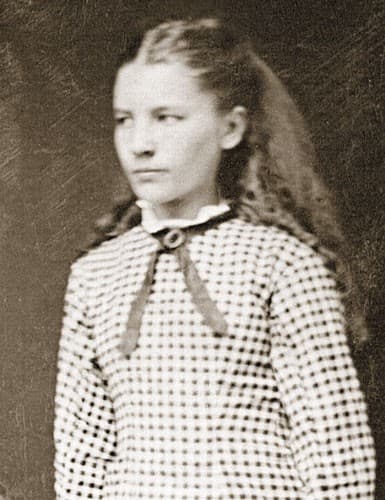
Laura Elizabeth Ingalls Wilder was an American writer. The Little House on the Prairie series of children's books, published between 1932 and 1943, were based on her childhood in a settler and pioneer family.

Dan Gemeinhart
4.5

Kate O'Hearn
4.4

Jeanne Birdsall
4.4

Jen Wang
4.4

Wendelin Van Draanen
4.3

John Marsden
4.3

Chris Van Allsburg
4.3
Jennifer A. Nielsen
4.2