“It was the sound of a place being discovered, a place where the air was thinner and the light sharper, where the trees were black against the snow.”
— Describing the remote northern landscape of Yellowknife, Northwest Territories.

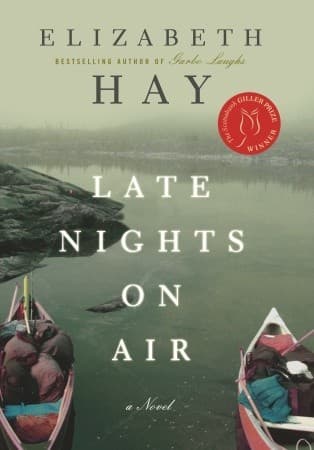
Elizabeth Hay (2007)
Genre
Literary Fiction / Historical Fiction
Reading Time
9-12 hours
Key Themes
See below
Sign in to track this book
In 1975, a cynical TV producer exiled to the remote Canadian North falls in love with a captivating radio voice. Their lives and community face challenges from an Arctic canoe trip and a gas pipeline.
Harry Boyd, a Toronto TV journalist, arrives in Yellowknife in 1975 after a public career mistake. He is to manage the local CBC radio station, a small operation in the remote Canadian North. His first impression of the station and its broadcasters is one of amused resignation. He quickly becomes a gruff but capable leader, bringing professional ambition to the quirky, laid-back Northern outpost. He is particularly interested in a female voice he hears on air, Dido Paris, a mysterious woman he has not yet met, which sparks his curiosity and an unexpected attraction.
Harry finally meets Dido Paris, the voice that has captivated him. Dido is a striking, unconventional artist and free spirit whose presence immediately challenges Harry's guarded nature. Their first interactions show professional respect and a growing personal tension. Dido, like many others at the station, is new to the North, carrying her own past and a fierce independence. Harry finds himself drawn to her intelligence, wit, and vulnerability, recognizing a similar spirit in their shared experience of being somewhat adrift.
The CBC Yellowknife station is a small version of the North itself, attracting diverse characters seeking escape or new beginnings. Eleanor, the meticulous producer, manages the station's quirks and Harry's demands. Gwen, the young reporter, wants to prove herself. Eddie, the veteran broadcaster, connects to the North's past, while Ralph, the engineer, remains quiet and observant. These individuals, all exiles in their own ways, form a surrogate family, sharing late nights, personal stories, and the challenges of broadcasting in a remote, often harsh, environment. Their professional lives are linked to their personal dramas.
As summer goes on, relationships within the station intensify. Harry and Dido's mutual attraction becomes more open, though they are cautious, each wary of commitment. Harry admires Dido's artistic sense and independence. Dido is drawn to Harry's warmth and integrity, despite his gruff exterior. Other relationships also develop: Gwen has a crush on Harry, and Eleanor struggles with her own desires. The close quarters and shared experiences of working in a small, isolated community amplify these personal dynamics, creating a complex web of affections, jealousies, and unspoken longings that both connect and strain the group.
A major political and environmental issue begins to dominate the news: the proposed Mackenzie Valley gas pipeline. This project threatens to change the landscape and the lives of Indigenous peoples in the North. The CBC station becomes a platform for debate, with Harry leading the coverage, ensuring fair reporting. Dido, with her artistic sensibilities and connection to the land, is sensitive to the pipeline's implications, often bringing a nuanced, human perspective to discussions. The pipeline debate mirrors the personal conflicts within the station, showing themes of progress versus tradition, and the impact of outside forces on a fragile community.
Inspired by John Hornby's tragic 1927 expedition, where he starved in the Arctic barrens, Harry, Dido, Gwen, and Eddie decide to go on their own canoe trip into the wilderness. This journey is meant to be a personal adventure and a professional project, with plans to record sounds and stories for a radio documentary. The decision to take such a demanding trip shows their shared desire for escape, a deeper connection to the land, and a way to confront their inner demons. It also mirrors the larger struggles of the North, facing an uncertain future.
The canoe trip into the Arctic barrens tests their endurance, physically and emotionally. The vast, unforgiving landscape forces the group to face their vulnerabilities and rely on each other. Harry's leadership is tested, Dido's resilience is clear, Gwen deals with her inexperience, and Eddie offers his wisdom. The isolation and beauty of the wilderness strip away their pretenses, leading to moments of connection, arguments, and revelations. The journey becomes a difficult experience, creating stronger, though more complicated, bonds between them, especially between Harry and Dido.
During the canoe trip, a dangerous incident occurs—perhaps a near-capsizing, a close encounter with wildlife, or getting lost—which heightens the group's anxieties and brings emotions to a head. In the face of adversity, Harry and Dido's connection deepens, solidifying their unspoken love. However, Gwen's unrequited feelings for Harry also surface, creating an awkward dynamic. The crisis forces each character to confront themselves and their relationships, showing the fragile balance of their affections and the harsh realities of the wilderness. The trip, meant as an escape, changes them profoundly.
After weeks in the barrens, the group returns to Yellowknife, exhausted but transformed. The wilderness experience has left its mark on each of them, changing their perspectives and solidifying or shifting their relationships. Harry and Dido's love is undeniable, though the complexities of their lives and the presence of others, especially Gwen, add difficulties. Their camaraderie is deepened, but also strained by the emotions exposed during the journey. They bring back not just audio recordings, but a deep understanding of themselves and the powerful, indifferent beauty of the North.
Back in Yellowknife, the characters deal with the aftermath of their trip. Harry and Dido navigate their new relationship, weighing their future against their individual goals and past commitments. Gwen accepts her unrequited love, finding a new maturity and direction. The pipeline debate continues, reflecting the ongoing struggle for the North's future. Each character faces decisions about where they belong and who they want to be. The wilderness experience and the unique environment of Yellowknife have shaped them, leading them towards paths they might never have imagined before arriving in the North.
The Protagonist
Harry transitions from a cynical, detached exile to a man capable of deep love and connection, finding a new purpose in the North.
The Protagonist/Love Interest
Dido moves from a state of independent solitude to embracing a deep, committed love, without sacrificing her artistic spirit.
The Supporting
Eleanor grapples with her unfulfilled desires and learns to accept her place, finding strength in her professional role and quiet observations.
The Supporting
Gwen matures from a naive young woman with an infatuation to a more self-aware individual who accepts the complexities of love and ambition.
The Supporting
Eddie remains a steadfast and wise presence, embodying the enduring spirit of the North and its history.
The Supporting
Ralph remains a consistent, observant presence, symbolizing the quiet, unsung support system of the station.
The Mentioned
N/A (historical figure)
The novel shows the Canadian North's dual nature: its beauty and isolation, combined with its harshness. Yellowknife attracts those seeking escape or a fresh start, a place where people can reinvent themselves away from the 'South.' The vast, indifferent landscape, especially during the canoe trip into the barrens, makes characters confront their vulnerabilities and nature's power. This theme is central to the characters' journeys, as the environment both shapes and tests them, showing their resilience and their smallness in the Arctic.
“The North was a place for secrets, for disappearances, for reinventing yourself under a sky that stretched on forever.”
Many characters, especially Harry Boyd, are 'refugees' from past failures or disappointments in more populated areas, seeking redemption or a fresh start in Yellowknife. The North offers a blank slate, a place to escape a tarnished reputation or a suffocating past. Harry's journey from a disgraced Toronto broadcaster to a respected station manager and a man capable of love shows this theme. The North's isolation allows for introspection and a stripping away of pretenses, encouraging personal growth and the chance to form new identities and find purpose.
“He'd come to the North to disappear, but instead, he was beginning to find himself.”
Since the story is set in a radio station, the theme of voice and its power is important. Harry is first drawn to Dido by her voice on air, showing its ability to convey personality, emotion, and connection. Radio, in the remote North, is a lifeline, connecting isolated communities and providing a shared identity. It is a medium for storytelling, news, and even romance, shaping perceptions and fostering intimacy. The characters' professional lives are linked to their ability to communicate through sound, making 'voice' a central part of their identities and interactions.
“A voice on air could be a siren, a comfort, a whisper of a life beyond your own.”
The novel explores the complexities of romantic and platonic love that grow within the isolated Yellowknife community and during the intense wilderness trip. Close quarters and shared experiences amplify emotions, leading to deep bonds, unrequited affections, and unexpected romantic connections. Harry and Dido's love story is central, developing from initial interest to intimacy, tested by their pasts and their environment. The theme shows how people seek connection and intimacy even, or especially, in the most remote and challenging circumstances, forming surrogate families and finding comfort in shared vulnerability.
“In the vastness, their small human connections felt more precious, more vital.”
The proposed Mackenzie Valley gas pipeline provides a background to the personal stories, raising questions about environmental stewardship, resource extraction, and Indigenous rights. The CBC station becomes a platform for these debates, reflecting real-world tensions between economic development and preserving traditional ways of life. Dido, with her artistic sensitivity, often voices concerns for the land, while Harry, as a journalist, aims for balanced reporting. This theme places the personal stories in a larger socio-political context, showing the impact of outside forces on the fragile ecosystem and communities of the North.
“The pipeline wasn't just about gas; it was about who owned the land, and what was left of it.”
The isolated, unique environment of the Canadian North as a character and catalyst.
The setting of Yellowknife and the vast Arctic barrens functions as more than just a backdrop; it is a character in itself. The isolation and harshness of the North act as a crucible, stripping away characters' pretenses and forcing them to confront their true selves. It amplifies emotions, fosters unique community bonds, and provides a sense of both profound beauty and existential challenge. The remoteness also serves as a refuge for those seeking escape or reinvention, making it a crucial element in the characters' personal and relational development.
An arduous journey into the wilderness serving as a catalyst for self-discovery and relational shifts.
The canoe trip into the Arctic wilderness is a classic literary device, functioning as an extended metaphor for the characters' internal journeys. Inspired by the tragic Hornby expedition, it forces the characters out of their comfort zones and into direct confrontation with nature and each other. The physical challenges and isolation of the barrens accelerate personal revelations, deepen existing bonds, and expose underlying tensions. It acts as a crucible for their relationships, particularly between Harry and Dido, and becomes a pivotal turning point in their individual arcs and the overall narrative.
A real-world political and environmental conflict that mirrors the personal dramas.
The historical context of the proposed Mackenzie Valley gas pipeline serves as a significant plot device, grounding the personal stories in a larger socio-political reality. This environmental and Indigenous rights debate provides a backdrop of external conflict that mirrors the internal struggles of the characters, particularly regarding progress versus preservation, and the impact of external forces on a vulnerable community. It allows the novel to explore themes of environmentalism and social justice, providing a sense of historical authenticity and adding depth to the characters' motivations and concerns.
The medium of radio as a tool for connection, storytelling, and character development.
The radio station itself is a central plot device. As a medium, radio highlights the power of voice, sound, and storytelling in fostering connection, especially in an isolated region. It allows characters like Harry and Dido to interact and be drawn to each other before meeting in person. The act of broadcasting provides a professional framework for their lives, but also a platform for sharing personal stories and engaging with the wider community. It underscores themes of communication, identity, and the influence of media on shaping perceptions and relationships.
“It was the sound of a place being discovered, a place where the air was thinner and the light sharper, where the trees were black against the snow.”
— Describing the remote northern landscape of Yellowknife, Northwest Territories.
“When you live in a place like this, you learn to pay attention to the small things. The way the light falls on the snow, the sound of a raven's wings.”
— A character reflecting on the sensory details of life in the Canadian North.
“Radio was magic. It was a voice in the dark, a connection to the world beyond the window.”
— Recalling the power and allure of radio broadcasting in an isolated setting.
“We were all a little bit lost, a little bit damaged, but we were together in it.”
— Reflecting on the camaraderie among the eccentric group of broadcasters.
“The past isn't dead. It's not even past. It's right here, breathing down your neck.”
— A character grappling with the lingering presence of historical events and personal memories.
“Sometimes the most important stories are the ones that are never told, the ones that live only in the silence between the words.”
— Musings on the untold narratives and unspoken truths within human experience.
“Love, in a place like this, was a fierce and fragile thing. It had to be protected, nurtured, like a small flame against a vast, cold wind.”
— Considering the nature of relationships and affection in a harsh environment.
“The world was full of voices, and every one of them had a story to tell, if you only knew how to listen.”
— Emphasizing the importance of active listening and empathy in understanding others.
“There was a kind of freedom in being so far north, a sense of being untethered, unbound by the usual rules.”
— Describing the liberating feeling of living in a remote and unconventional place.
“Grief was a landscape you had to walk through, sometimes alone, sometimes with a hand to hold.”
— A character's reflection on the experience of loss and mourning.
“History wasn't just dates and names; it was the way the light fell on a certain building, the echo of a laugh in an empty room.”
— A broader definition of history, encompassing atmosphere and sensory details.
“We built our lives on air, on words, on the belief that something invisible could connect us.”
— A poignant summary of the broadcasters' work and their faith in the power of radio.
“The wind howled a different tune up here, a song of vastness and indifference, but also of a strange, wild beauty.”
— Evoking the powerful and ambivalent nature of the northern wind.
“Even in the darkest hours, there was always a faint signal, a whisper of hope carried on the airwaves.”
— A metaphor for enduring hope amidst difficulties, linked to the theme of radio.
Ready to see how well you understood this book? Take our interactive quiz with 10 questions.

Biography coming soon.







