“Darrell Rivers had found it difficult to get through her first term without being expelled, and now she was head of the school!”
— Mam'zelle Dupont reflecting on Darrell's journey as she becomes Head Girl.


Enid Blyton (1951)
Genre
Children's / Young Adult
Reading Time
197 min
Key Themes
See below
Sign in to track this book
As Darrell takes the lead as head girl, her final term at Malory Towers is a mix of leadership, friendship, and the changes in her closest companions.
The Sixth Formers, including Darrell Rivers, Sally Hope, Alicia Johns, and Mary-Lou, return for their final term at Malory Towers. Darrell is Head Girl, a role she takes seriously, aiming to set a good example. Her first job is to manage the new girls, especially Suzanne, a French girl who struggles with English and school customs, and Amanda, a talented but arrogant gymnast who immediately clashes with the other girls. Darrell often mediates disputes and encourages younger students, while also handling her friendships and the demands of her new leadership.
Suzanne continues to have trouble adjusting to Malory Towers. Her poor English makes her feel alone, and she often misunderstands instructions, leading to small problems. Mary-Lou, always kind, helps Suzanne with her studies and makes her feel more at home. Meanwhile, Amanda's gymnastic skills make her feel superior. She boasts and often dismisses others' achievements, especially in games. This attitude creates tension among her classmates, particularly sports-loving girls like Sally and Belinda, who find her self-importance annoying.
Belinda Towers, usually quiet, shows a remarkable talent for drawing and painting. Miss Williams, the art mistress, is impressed and encourages Belinda. Belinda spends more time in the art room, improving her skills. Surprisingly, Amanda, who usually only cares about gymnastics, shows a hint of jealousy towards Belinda's art success. She makes a few sharp comments about Belinda's 'messy' art and tries to downplay her achievements, showing a competitive side that goes beyond her own sport.
Gwen Lacey, known for her snobbery and manipulation in earlier books, returns to Malory Towers after being away. She seems to have matured, showing politeness and a touch of humility, which surprises her old classmates. Darrell and Sally are cautiously hopeful that Gwen has truly changed. However, Gwen's old habits soon reappear. She subtly undermines others, complains about small issues, and tries to get special favors, annoying the Sixth Formers.
Connie and Ruth Batten, mischievous twins in the lower forms, cause minor chaos. They constantly play pranks, break rules, and get into trouble, often trying to fool their teachers and prefects. Darrell, as Head Girl, often deals with their antics. She tries to balance discipline and understanding, wanting to guide them without being too harsh. The twins' energy and knack for trouble test Darrell's patience and leadership, forcing her to be firm but fair.
The annual swimming gala arrives, and Amanda, confident in her skills, expects to win every race. She boasts endlessly, irritating her classmates. However, during one key race, she makes a careless mistake due to overconfidence, or perhaps a moment of distraction, and loses. The unexpected defeat greatly hurts her pride. This public 'fall' humbles Amanda, making her face the fact that she is not perfect and that arrogance can lead to failure. It is a major turning point in her character.
Gwen, unable to truly change, tries to manipulate situations to her benefit. She tries to cause trouble between students, spread rumors, and generally make herself seem more important. She tries to gain sympathy by faking illness or exaggerating small complaints. However, her old friends, especially Alicia, are aware of her tricks. Alicia, with her sharp mind, sees through Gwen's act and eventually exposes her manipulative behavior. Gwen is then reprimanded by Miss Grayling and loses the little respect she had gained.
With Mary-Lou's help and her own hard work, Suzanne's English skills greatly improve. She becomes more confident in speaking and understanding, allowing her to join in school life more fully. She starts to make friends and enjoy activities, no longer feeling like an outsider. Her change shows the power of kindness and persistence. She becomes a valued member of the Sixth Form, showing how Malory Towers can help students from different backgrounds.
As the term ends, a farewell concert is planned to celebrate the departing Sixth Formers. Belinda is asked to design the program and stage decorations, showing her artistic talent. Her work is beautiful and praised by teachers and students, solidifying her reputation as a skilled artist. This public recognition is a moment of triumph for Belinda, who often felt overshadowed by louder personalities. It highlights her unique contribution to the school and her successful development.
On their last night, the Sixth Formers gather, recalling their years at Malory Towers. Darrell, Sally, Alicia, and the others reflect on their growth, the lessons learned, and the strong friendships they have made. They discuss their future plans, whether university, art school, or other paths. Darrell, having successfully handled her role as Head Girl, feels a sense of accomplishment and readiness for the next stage of her life. There is a mix of nostalgia and excitement as they prepare to leave Malory Towers and begin their adult lives.
The Protagonist
Darrell learns to balance stern leadership with compassionate understanding, solidifying her role as a respected and effective leader.
The Supporting
Sally remains a consistent and supportive friend, a pillar of stability for Darrell and the Sixth Form.
The Supporting
Alicia matures slightly, her wit becoming more a tool for justice than just mischief, particularly in dealing with Gwen.
The Supporting
Mary-Lou's gentle nature proves to be a powerful force for good, as she successfully helps Suzanne integrate into school life.
The Antagonist/Supporting
Gwen's brief attempt at reformation ultimately fails, reinforcing her self-serving nature, but she does not cause as much serious trouble as in previous terms.
The Supporting
Suzanne overcomes her language and cultural barriers, becoming a confident and accepted member of the Malory Towers community.
The Supporting
Amanda's overconfidence leads to a public failure, forcing her to confront her arrogance and begin a path towards humility.
The Supporting
Belinda's artistic talent is discovered and celebrated, giving her confidence and recognition among her peers.
The Mentioned
Their mischief is a consistent background element, providing opportunities for Darrell to exercise her leadership.
The Supporting
Miss Grayling continues to provide a stable, wise presence, affirming the values of Malory Towers.
This theme is key, seen through Darrell's experience as Head Girl. She learns that leadership means setting an example, mediating disputes, and guiding younger students with patience. Her struggles with Gwen, Amanda, and the twins highlight the constant demands and moral choices of her role. She consistently puts the school's welfare and her peers' development above personal feelings, showing true leadership.
“Darrell felt the weight of her responsibilities heavy upon her. It was not enough to be good herself; she had to make sure the others were good too.”
The final term shows the culmination of the girls' development over their years at Malory Towers. Characters like Darrell, Sally, and Alicia show their maturity in handling complex situations and supporting each other. Even new girls like Suzanne and Amanda grow personally, with Suzanne overcoming shyness and language barriers, and Amanda learning humility after her fall. The book shows how the school helps build character and prepares the girls for the wider world.
“They had all changed so much since they first came to Malory Towers. They were ready for the world now.”
Mary-Lou's kindness towards Suzanne is a clear example of this theme. Her patient help and understanding allow Suzanne to overcome her difficulties and fit into the school. This shows how simple acts of empathy can greatly affect others, building a sense of belonging and overcoming barriers. It contrasts sharply with the negative effects of Gwen's self-serving behavior and Amanda's arrogance, showing the positive power of genuine compassion.
“Mary-Lou, with her kind heart, understood what Suzanne was feeling and made it her business to help her.”
This theme is best shown by Amanda. Her initial arrogance and boasting about her gymnastic skills lead to her downfall at the swimming gala. This humbling experience forces her to face her pride and start learning modesty. In contrast, Belinda's quiet talent and lack of self-importance lead to genuine admiration and success, reinforcing the idea that true worth is not in boasting but in real ability and a humble spirit. Gwen's inability to give up her self-importance also fits this theme.
“It was a bitter pill for Amanda to swallow, but it did her a world of good. She had been far too pleased with herself.”
Despite challenges, the core friendships among Darrell, Sally, Alicia, and Mary-Lou remain strong. They support each other, offer advice, and share both triumphs and disappointments. Their bond shows the lasting connections made during their school years, preparing them for future relationships. The shared history and mutual understanding provide a comforting background to the individual struggles and successes of the girls.
“No matter what happened, they knew they would always have each other. Their Malory Towers friendships would last a lifetime.”
Introduces new characters to disrupt and develop existing dynamics.
The introduction of Suzanne and Amanda serves as a classic Blyton device to introduce new challenges and opportunities for character development. Suzanne's struggles with language and culture allow Mary-Lou to demonstrate her kindness and highlight the theme of integration. Amanda's arrogance provides a foil for the established girls and leads to a clear lesson in humility, directly impacting the plot through her actions at the swimming gala and her interactions with Belinda.
A position of authority that tests leadership and moral character.
Darrell's appointment as Head Girl is a central plot device. It immediately places her in a position of authority and responsibility, forcing her to mediate disputes, enforce rules, and set an example. This role is a direct catalyst for many of the plot points, as Darrell's decisions and interactions with the other girls (like Gwen, Amanda, and the twins) drive the narrative and showcase her growth as a leader. It's the ultimate test of her character development.
Brings back a familiar character to test the group's patience and reinforce themes.
Gwen Lacey's return to Malory Towers is a specific plot device. She serves as a consistent, though less severe, source of conflict and annoyance. Her inability to truly change highlights the theme of inherent character and the difficulty of genuine reformation. Her subtle manipulative attempts allow Alicia to demonstrate her perceptiveness and Darrell to practice patience and firm leadership, reinforcing the established dynamics and values of the school without introducing entirely new, high-stakes drama.
Provides a focal point for character actions and consequences.
The swimming gala and the farewell concert are examples of this device. The swimming gala serves as the stage for Amanda's public humbling, directly illustrating the consequences of her arrogance. The farewell concert, on the other hand, provides a platform for Belinda's artistic triumph and for the girls to reflect on their shared experiences. These events are not just background details but crucial moments where character traits are revealed and plot developments culminate.
“Darrell Rivers had found it difficult to get through her first term without being expelled, and now she was head of the school!”
— Mam'zelle Dupont reflecting on Darrell's journey as she becomes Head Girl.
“It was strange to think that they would all be leaving Malory Towers soon, going out into the big world.”
— The girls contemplating their imminent departure and future.
“A good Head Girl isn't just someone who keeps rules, it's someone who inspires others to be their best.”
— Miss Grayling advising Darrell on the true meaning of leadership.
“There was a time when I thought I'd never be able to control my temper, but Malory Towers taught me a lot.”
— Darrell reflecting on her past struggles and personal growth.
“The feeling of being grown-up was exciting, but also a little bit scary.”
— Sally Hope's internal thoughts about leaving school and facing adulthood.
“Friendship means being there for each other, even when things are difficult.”
— Alicia Johns expressing her understanding of true friendship.
“You can't always get what you want, but you can always try your best with what you have.”
— Miss Grayling offering a practical piece of advice to the girls.
“Malory Towers isn't just a school, it's a home, and we'll always carry a piece of it with us.”
— Gwendoline Lacey, surprisingly, showing a moment of sentimentality about the school.
“The final term was a blur of exams, goodbyes, and promises to meet again.”
— Narrator summarizing the bittersweet end of the girls' school days.
“It's not just about what you learn from books, but what you learn about life and people.”
— Mary-Lou reflecting on the broader lessons gained at Malory Towers.
“To be truly happy, you must be honest with yourself and with others.”
— Miss Grayling's advice, particularly relevant to Gwendoline's character arc.
“The world is waiting for you, full of adventures and new challenges.”
— Miss Grayling's parting words to the graduating class.
“They had come as girls, full of mischief and dreams, and now they were leaving as young women, ready to face the world.”
— Narrator's final reflection on the transformation of the main characters.
Ready to see how well you understood this book? Take our interactive quiz with 10 questions.
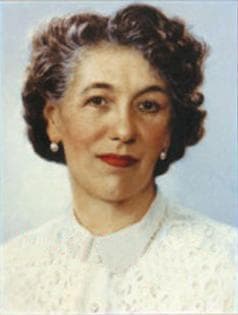
Biography coming soon.

Dan Gemeinhart
4.5

Kate O'Hearn
4.4

Jeanne Birdsall
4.4

Jen Wang
4.4

Wendelin Van Draanen
4.3

John Marsden
4.3

Chris Van Allsburg
4.3

Jennifer A. Nielsen
4.2