“I'm not a kid anymore, and I'm not going to be treated like one. I'm going to be a man, and I'm going to play baseball.”
— Joey's determination to play baseball despite his age and the war.

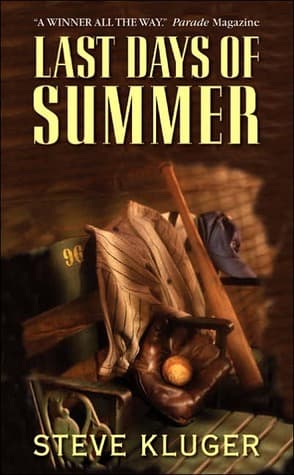
Steve Kluger (1998)
Genre
Historical Fiction / Young Adult
Reading Time
360 min
Key Themes
See below
Sign in to track this book
In 1940s Brooklyn, a fatherless, baseball-obsessed boy's relentless pursuit of his New York Giants hero sparks an unlikely, heartwarming friendship that alters both their lives.
In the summer of 1940, ten-year-old Joey Margolis, a Jewish boy in Brooklyn, often faces bullying. He wants a father figure, as his own father died when Joey was young. Inspired by a radio broadcast, Joey chooses New York Giants third baseman Charlie Banks as his hero. He starts writing letters to Charlie, first asking for an autographed baseball, then asking more imaginatively and persistently for friendship and attention. Joey's letters describe his daily struggles, his mother's overprotective nature, and his strong desire for a male role model. He even invents a fictional illness for himself to get sympathy, not knowing how much his relentless letters will change Charlie's life.
Charlie Banks first ignores Joey's many letters, finding them annoying and overwhelming. However, Joey's creativity, his made-up ailments, and his persistence eventually wear Charlie down. Charlie, a gruff and somewhat solitary man, is recovering from an injury and dealing with his own issues, including a difficult relationship with his estranged father. He eventually sends a short, typed letter to Joey, mostly to make him stop writing. This first, reluctant response only makes Joey bolder, who sees it as a sign of a growing friendship. Their correspondence, initially one-sided, slowly becomes a back-and-forth exchange, with Charlie's letters becoming a little less formal and more engaged, despite his outward gruffness.
As the United States enters World War II, the conflict starts to affect Joey's letters, which include his fears about the war and his mother's worries. Charlie, too, is affected, as many of his teammates enlist. Through their continued letters, the two begin to share more personal details. Joey talks about his struggles with bullies like Frankie the Goat and his wish for a father. Charlie, in turn, subtly mentions his own family issues, particularly his difficult relationship with his father, and his thoughts on the war's effects on baseball and his future. The letters become a safe place for both to say things they might not tell others, making their unlikely friendship stronger.
Joey, always a planner, arranges a meeting between Charlie and his family. He convinces his mother, Mrs. Margolis, and his eccentric Aunt Carrie to invite Charlie to their home for dinner. Charlie, despite his initial reluctance and discomfort with social situations, eventually agrees. The dinner is a mix of awkwardness and charm, with Mrs. Margolis's doting nature and Aunt Carrie's flamboyant personality creating a lively atmosphere. This meeting is a turning point, moving their relationship beyond just letters. Charlie begins to see Joey not just as a fan, but as a boy who needs guidance, and he starts to appreciate the warmth of Joey's family, a contrast to his own.
Charlie, acting on an impulse and seeing Joey's deep love for baseball, takes Joey to Ebbets Field for a New York Giants game. This is a dream come true for Joey, who is excited to be in the dugout and experience professional baseball firsthand. During the game, Charlie gives Joey insights into the sport and his life as a player. This outing further strengthens their bond, as Charlie shows real affection and a protective instinct towards Joey. It is a rare moment of joy for both, giving Joey a sense of belonging and Charlie a taste of the simple, pure hero-worship he rarely gets off the field.
The war, which had been a distant threat, becomes a reality when Charlie Banks receives his draft notice for military service. This news affects both Charlie and Joey deeply. Charlie, despite his athletic skill, is not exempt from the call of duty and faces the uncertainty of leaving his baseball career. Joey, who idolizes Charlie, is devastated that his hero is going to war, fearing for his safety and the end of their growing friendship. The letters between them take on a more somber tone, showing their shared worry and the coming separation, and the personal cost of the global conflict.
As Charlie's deployment date gets closer, he spends more time with Joey and his family. These moments are filled with a bittersweet mix of camaraderie and unspoken sadness. Joey, struggling with the coming separation, tries to be brave but is clearly heartbroken. Charlie, in his gruff way, offers Joey advice and reassurance, solidifying his role as a surrogate father figure. The farewell is emotional, especially for Joey, who gives Charlie a small, personal token to remember him by. Charlie's departure leaves a big void in Joey's life, and in the lives of Mrs. Margolis and Aunt Carrie, who have also grown fond of the baseball star.
While Charlie serves overseas, he and Joey keep writing letters. Charlie's letters from the front lines are short, often censored, but they give Joey a vital connection to his hero. Joey's letters, in turn, are full of news from home, his school activities, and his continued struggles with bullies, giving Charlie a glimpse of normalcy amid the horrors of war. This ongoing correspondence becomes a lifeline for both of them – for Joey, it is a source of comfort and a reminder that his hero is still alive; for Charlie, it is a link to the life he left behind and a reminder of the boy who believes in him, giving a needed morale boost.
The Margolis family receives terrible news: Charlie Banks has been severely wounded in combat. The details are vague, but his injuries are serious and life-altering. This news shatters Joey's world, bringing the harsh realities of war directly to his home. He is consumed by worry and grief, fearing for Charlie's life and the potential end of his baseball career and their friendship. Mrs. Margolis and Aunt Carrie comfort Joey, but the weight of the news is great. The future of their unique bond becomes uncertain, casting a dark shadow over their lives.
Charlie Banks eventually returns home, having lost an arm in the war. His once-promising baseball career is over, and he faces a difficult future. Joey and his family welcome him back, offering unconditional support and a place to stay during his recovery. Charlie, initially withdrawn and struggling with his new reality, finds comfort in Joey's unwavering friendship and his family's warmth. Joey's youthful optimism and persistent belief in Charlie help him slowly accept his injuries and start to rebuild his life, showing the strong impact of their bond.
Despite his injury, Charlie Banks starts to find a new path. With encouragement and support from Joey and his family, he explores opportunities beyond baseball. He decides to pursue a career in teaching and coaching, using his deep knowledge of the game and his leadership skills in a new way. Joey remains a constant presence, his unwavering admiration and friendship a source of strength for Charlie. The book ends with Charlie having found a new purpose and belonging, forever connected with the Margolis family, showing the lasting strength of their unique and unexpected friendship that went beyond age, background, and the horrors of war.
The Protagonist
Joey transforms from a lonely, bullied boy seeking a hero into a supportive friend who helps his hero find a new purpose after tragedy.
The Protagonist/Supporting
Charlie evolves from a solitary, somewhat jaded baseball player into a man who embraces the warmth of family and finds a new purpose after his career-ending injury.
The Supporting
She begins as an overprotective mother and expands her maternal instincts to include Charlie, providing him with a surrogate family.
The Supporting
Aunt Carrie remains a consistent source of humor and support, her character providing stability and comic relief.
The Supporting
His role as a bully remains consistent, representing the external challenges Joey faces.
The Mentioned
His impact is primarily felt through his absence, which initiates Joey's journey.
The Mentioned
His influence is felt through Charlie's character, explaining some of Charlie's emotional complexities.
The main theme is the deep and unexpected bond that grows between a lonely ten-year-old boy, Joey Margolis, and a gruff professional baseball player, Charlie Banks. Despite their age difference, social standing, and Charlie's initial resistance, their letters turn into a deep, supportive friendship. This theme includes Joey's mother and aunt, who accept Charlie as part of their family, giving him the warmth and connection he lacked. The story shows how love and support can be found in unexpected places, creating a 'found family' that goes beyond traditional blood ties, especially during wartime.
“You know, Margolis, you're a real pain in the neck. But I guess you're my pain in the neck now.”
Joey Margolis's character journey is driven by his strong hero worship of Charlie Banks. Having lost his father, Joey looks for a strong male role model, placing all his hopes and ideals onto the baseball star. This theme explores how people, especially children, build their identities and find strength through the figures they admire. For Joey, Charlie is not just a baseball player but a symbol of courage, protection, and belonging. On the other hand, Charlie's realization of Joey's unwavering belief in him helps Charlie see himself in a different, more positive way, especially after his serious injury. The hero-worship becomes a mutual force for personal growth.
“I need you, Charlie Banks. I need you to be my hero.”
Set during World War II, the novel explores the war's effects on ordinary American lives. While it is not a battlefield story, the conflict is always present, influencing the characters' worries, decisions, and ultimately, their fates. Joey's fears for Charlie, the rationing, the enlistment of players, and Charlie's serious injury all show how far-reaching the war was, even for those not directly on the front lines. The theme emphasizes the sacrifices made, the uncertainty faced, and the resilience of families and communities in supporting loved ones and rebuilding lives after global conflict.
“The war's getting to everyone, Charlie. Mom cries sometimes when she thinks I'm not looking.”
Loss is a common theme, from Joey's early loss of his father to Charlie's career-ending injury and the broader losses of the war. Joey's initial loneliness and search for a father figure come from his grief. Charlie, too, carries the emotional wounds of a difficult past and the great loss of his baseball career. The novel shows the complex process of grieving and finding ways to heal and adapt. The characters find comfort and strength in their mutual support, showing that companionship and love can help with sorrow, helping people find new purpose and peace after experiencing big setbacks and pain.
“Sometimes you lose something important, and you just gotta figure out what to do next. It ain't easy, but you gotta do it.”
The entire novel is told through letters, telegrams, and official documents.
The novel's unique structure, presented entirely through letters, telegrams, and occasional official documents (like draft notices), is its primary plot device. This format allows for an intimate and direct insight into the characters' thoughts, feelings, and the progression of their relationship without an omniscient narrator. It highlights Joey's imaginative and often manipulative voice, and Charlie's initially gruff, then increasingly tender, responses. The gaps between letters force the reader to infer events and emotions, creating suspense and allowing for character development to unfold organically through their personal communications.
Joey's innocent fabrications and exaggerated claims create humorous and poignant dramatic irony.
Dramatic irony is frequently used, particularly through Joey's letters. Joey often fabricates illnesses, invents dramatic scenarios, or misunderstands situations, which the reader, and eventually Charlie, can see through. For example, Joey's claims of being gravely ill are clearly exaggerated for sympathy. This device creates humor and highlights Joey's childlike perspective, while also underscoring his deep need for attention and connection. It allows the reader to appreciate the genuine affection growing between the characters even as Joey's methods are comically transparent.
Baseball symbolizes heroism, American identity, and a simpler time.
Baseball is more than just a setting; it functions as a powerful metaphor throughout the novel. For Joey, it represents heroism, a path to masculinity, and a source of hope and distraction during wartime. Charlie Banks, as a baseball star, embodies the ideal American hero. The game itself symbolizes a sense of normalcy, tradition, and shared national identity, especially as the country grapples with the anxieties of World War II. Charlie's career-ending injury therefore becomes a metaphor for the loss of innocence and the personal sacrifices demanded by the war, and his eventual shift to coaching represents finding a new purpose.
Joey's lack of a father drives the central relationship.
The absence of Joey's biological father is a fundamental driving force for the entire narrative. It creates a void in Joey's life that he desperately tries to fill by latching onto Charlie Banks. This device establishes Joey's primary motivation for initiating the correspondence and shapes his emotional needs. It explains his persistence, his hero-worship, and his deep craving for male guidance and protection, ultimately setting the stage for Charlie to step into a surrogate fatherly role, providing the emotional core of their evolving relationship.
“I'm not a kid anymore, and I'm not going to be treated like one. I'm going to be a man, and I'm going to play baseball.”
— Joey's determination to play baseball despite his age and the war.
“It's a funny thing about life, isn't it? You never know what's going to happen next. You just have to keep going.”
— Charlie's reflection on the unpredictable nature of life during wartime.
“The world needs dreamers. And the world needs doers. But above all, the world needs dreamers who do.”
— A philosophical thought shared in a letter, encouraging action on dreams.
“Sometimes the best way to solve a problem is to just go right through it.”
— A piece of advice given about facing challenges head-on.
“You can't let fear stop you from doing what you know is right.”
— A character's encouragement to overcome fear for a moral cause.
“Baseball is more than just a game. It's a way of life.”
— A common sentiment expressed by characters passionate about baseball.
“Letters are like time capsules, aren't they? They hold moments, feelings, and sometimes even a little bit of magic.”
— Joey's reflection on the power and importance of written correspondence.
“Even in the darkest times, there's always a little bit of light, if you know where to look for it.”
— A hopeful message amidst the difficulties of war.
“Family isn't always blood. It's the people who stand by you when no one else will.”
— A realization about the true meaning of family beyond biological ties.
“Growing up means learning to live with the things you can't change, and changing the things you can.”
— A poignant observation on the process of maturity.
“A good story can make you forget your troubles, even if it's just for a little while.”
— The recognition of the escapism and comfort provided by storytelling.
“Sometimes the biggest victories are the ones that no one else sees.”
— A character's reflection on personal triumphs that go unnoticed by the public.
“You gotta have heart. And a little bit of crazy doesn't hurt either.”
— A quirky piece of advice about what it takes to succeed, especially in baseball.
“The best way to predict the future is to create it.”
— An empowering statement about taking control of one's destiny.
Ready to see how well you understood this book? Take our interactive quiz with 10 questions.

Biography coming soon.







