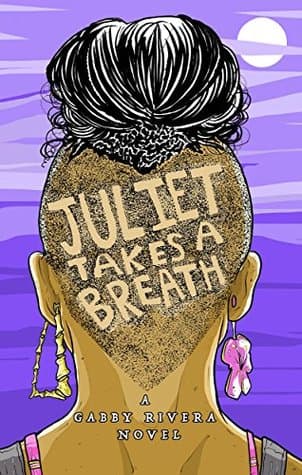
A Life-Altering Email and a Family Revelation
Juliet Milagros Palante, a nineteen-year-old Puerto Rican lesbian from the Bronx, is accepted for a summer internship with her literary hero, Harlowe Brisbane, a white feminist author living in Portland, Oregon. This news excites Juliet, as she is eager to explore her identity and gain guidance from Harlowe. At the same time, Juliet decides to come out to her family, specifically her mother, Lourdes. The revelation is met with an uncomfortable silence and a lack of immediate acceptance from Lourdes. Juliet feels isolated and uncertain about her family's future relationship with her. Her older brother, Mateo, offers some support, but her mother's silence weighs heavily as Juliet prepares to leave for Portland, hoping the summer will provide clarity.
Arrival in Portland and Initial Disillusionment
Juliet arrives in Portland, a city very different from the Bronx, and is picked up by Harlowe Brisbane. Harlowe is a charismatic but somewhat self-absorbed white woman who immediately introduces Juliet to her eclectic circle of friends, including the artistic Ava and the insightful Zaira. Juliet is initially star-struck but quickly begins to notice differences between Harlowe's public persona as a feminist guru and her actual interactions, particularly her tendency to center her own experiences. Juliet starts her internship, which involves organizing Harlowe's extensive library and assisting with her writing, but the initial glow of meeting her idol begins to fade as she observes Harlowe's less-than-inclusive behaviors.
Exploring Portland and New Relationships
As Juliet navigates her new surroundings, she spends more time with Ava and Zaira, who become important figures in her summer. Ava, a Black artist, introduces Juliet to the queer and art scenes in Portland, taking her to parties and community events. Zaira, a queer Black woman who works at a local bookstore, offers Juliet a more critical perspective on feminism and identity, challenging Juliet's ideas, particularly those influenced by Harlowe. Through these new friendships, Juliet begins to form her own understanding of community and belonging, separate from the direct mentorship she expected from Harlowe. She also starts developing a crush on Ava, adding another layer to her summer experience.
Harlowe's Workshop and Mounting Tensions
Juliet attends Harlowe's 'Radicalize Your Womyn' workshop, a cornerstone of Harlowe's public image. During the workshop, Harlowe's discussions on feminism and womanhood show a clear lack of intersectionality, often overlooking or simplifying the experiences of women of color and trans women. Juliet, along with Zaira and Ava, becomes increasingly uncomfortable with Harlowe's narrow definitions and privileged perspectives. The workshop shows the growing ideological gap between Harlowe's theoretical feminism and the lived realities and diverse needs of the attendees. This experience forces Juliet to re-evaluate her admiration for Harlowe and confront the limitations of her hero's teachings.
Confrontation and Disillusionment with Harlowe
Following the workshop and several other instances of Harlowe's insensitivity, Juliet, Zaira, and Ava decide to confront Harlowe directly. They express their concerns about her exclusionary feminism, particularly her inability to acknowledge her privilege and her dismissal of intersectional perspectives. The conversation is tense and difficult, with Harlowe initially defensive and resistant to their critiques. This confrontation is a turning point for Juliet, as she realizes that Harlowe, despite her intellectual contributions, is not the infallible guru she once believed her to be. The encounter creates a significant emotional distance between Juliet and Harlowe, solidifying Juliet's growing independence of thought.
Developing Feelings and Complexities with Ava
As Juliet spends more time with Ava, their connection deepens, and Juliet finds herself falling for Ava. Their relationship is a source of comfort and excitement for Juliet, offering a different kind of validation than she sought from Harlowe. However, their budding romance has its complexities. Ava, while caring and supportive, also has her own struggles and a history that occasionally surfaces, making their connection intense and sometimes challenging. Juliet grapples with her feelings for Ava, trying to understand what this new relationship means for her identity and her journey of self-discovery, especially after the emotional fallout with Harlowe.
Finding a Mentor in Zaira
With her disillusionment with Harlowe complete, Juliet increasingly turns to Zaira for guidance and intellectual mentorship. Zaira, with her sharp intellect and commitment to intersectional feminism, becomes the mentor Juliet initially sought in Harlowe. Zaira introduces Juliet to diverse authors, thinkers, and activists, helping Juliet understand race, class, gender, and sexuality in a way Harlowe never could. Zaira encourages Juliet to embrace her own unique voice and experiences as a queer Puerto Rican woman, empowering her to define feminism on her own terms. This shift in mentorship is important for Juliet's growth and understanding of herself and the world.
A Visit from Mateo and Family Reconciliation
Juliet receives a visit from her older brother, Mateo, who travels from the Bronx to see her. Mateo brings news from home, including updates on their mother, Lourdes. His visit provides Juliet with a much-needed connection to her family and a sense of grounding. Mateo reveals that Lourdes, though still struggling, is beginning to process Juliet's coming out and is starting to miss her. This conversation opens a tentative path towards reconciliation between Juliet and her mother, suggesting that while acceptance may not be immediate, it is possible. Mateo's presence reinforces Juliet's familial ties and offers emotional support during a period of intense personal growth.
The Community Gathering and Harlowe's Apology
Harlowe organizes a community gathering at her home, bringing together many of the people Juliet has met throughout the summer, including Ava and Zaira. During this event, Harlowe, having reflected on the previous confrontations and critiques, offers a public apology for her past insensitivities and her failure to fully embrace intersectionality. While the apology is not perfect, it is a significant step for Harlowe and shows a willingness to learn and grow. This moment allows for a tentative healing of the rift between Harlowe and her community, and Juliet witnesses the power of accountability and collective dialogue in creating true understanding.
Returning Home with a New Self
As the summer internship concludes, Juliet prepares to return to the Bronx. She has gained valuable experience and has undergone a transformation. She has learned to critically engage with ideas, forge her own path, and embrace her identity as a queer Puerto Rican woman. Her relationship with Ava has solidified, and she carries with her the wisdom and friendship of Zaira. With a clearer sense of self and a newfound confidence, Juliet is ready to face her family and continue the conversation about her identity, no longer seeking external validation but rooted in her own truth. The summer in Portland, though challenging, has empowered her to truly define her own narrative.