“There’s a time to be born, and a time to die. A time to plant, and a time to pluck up that which is planted.”
— Jubal reflecting on the cyclical nature of life and the land.


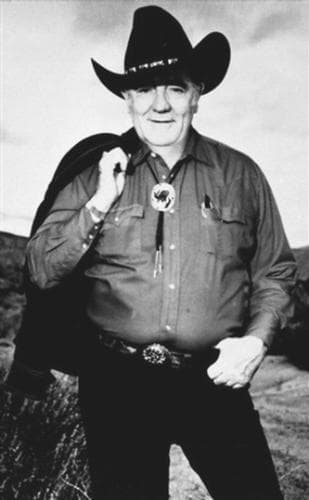
Louis L'Amour (1985)
Genre
Historical Fiction / Romance
Reading Time
360 min
Key Themes
See below
Sign in to track this book
Jubal Sackett travels into the dangerous Far Seeing Lands to rescue a missing Natchez leader and her people's future, finding love as untamed as the frontier itself.
Jubal Sackett, a young frontiersman, meets Keokuk, an elderly Natchez priest. Keokuk explains that a Natchez exploration group, led by the future chief Itchakomi, went into the western plains, the Far Seeing Lands, and has not returned. Itchakomi is important for Natchez succession; she is the rightful heir and can unite the tribes against Kapata, an ambitious warrior who wants her position. Keokuk asks Jubal to find Itchakomi and ensure her safe return, offering him a map and the future of a people. Driven by his desire to explore and a sense of duty, Jubal accepts the dangerous mission.
Jubal Sackett begins his journey into the Far Seeing Lands, a vast prairie few white men have seen. He travels light, using his tracking skills, wilderness knowledge, and rifle. His path is dangerous; he meets various Native American tribes, some neutral, others hostile. He must stay alert, avoiding ambushes and navigating difficult land. The huge landscape and isolation test his endurance. He learns to read the land's subtle signs, following faint trails and interpreting smoke signals, while watching for Itchakomi's party or Kapata's warriors.
As Jubal goes deeper into the Far Seeing Lands, he finds signs of Itchakomi's lost group. He discovers abandoned campsites, broken arrows, and old fires, showing they were moving and likely in trouble. He also finds evidence of another, larger group tracking them, indicating Kapata's warriors are pursuing Itchakomi. These discoveries make Jubal more urgent, knowing Itchakomi's life and her people's future are at risk. He carefully follows the fading tracks, understanding that time is short before Kapata reaches them.
Jubal's journey leads him into Sioux territory. He is captured and taken before their chief, a strong and suspicious leader. Jubal, using his understanding of various Native American customs and languages, explains his peaceful intentions. He tells them his quest to find Itchakomi, stressing the importance of her return for Natchez stability and possibly other tribes. Though the Sioux are initially wary, Jubal's honesty and bravery earn him respect. He is allowed to continue, with a warning about the dangers ahead and Kapata's aggressive warriors in the area.
After weeks of tracking, Jubal finally sees Itchakomi's group. He watches them from a hidden spot, noting their smaller numbers and tired faces. Despite hardships, Itchakomi shows resilience and leadership, guiding her people with strength. Jubal sees her making difficult choices, caring for the injured, and keeping morale up. He also sees Kapata's continued pursuit, as the Natchez group constantly moves to evade their enemy. Jubal decides not to show himself immediately, instead shadowing them to assess the situation and find the right moment to act.
The right moment comes when a small group of renegade warriors, not Kapata's men but opportunistic raiders, ambush Itchakomi's party. Jubal, hidden nearby, acts quickly. Using his rifle and guerrilla tactics, he dispatches several attackers, creating enough confusion to drive the rest away. His sudden appearance saves Itchakomi and her remaining followers. This dramatic intervention introduces Jubal directly to Itchakomi, who is initially cautious but quickly recognizes his skill and sincere help.
After his intervention, Jubal introduces himself to Itchakomi and explains his mission. Though she is a proud and independent leader, Itchakomi sees the value of Jubal's skills and knowledge of the western lands. They form an alliance, with Jubal offering protection and guidance, and Itchakomi sharing her knowledge of the Natchez people and traditions. As they travel together, facing many challenges, a deep respect grows between them. Jubal is impressed by Itchakomi's courage and wisdom, while Itchakomi is drawn to Jubal's determination and quiet strength. A subtle attraction begins amid their shared danger.
Kapata's pursuit of Itchakomi is relentless. His warriors, driven by ambition, are skilled and numerous. Jubal and Itchakomi's combined efforts are constantly tested by their tactics. There are several skirmishes, forcing them to use cunning strategies to evade their pursuers. Jubal's frontier instincts and Itchakomi's understanding of her people's enemies are vital. The constant threat of Kapata's forces creates a tense atmosphere, reminding them that their return to Natchez lands will be difficult and a final confrontation is coming.
With Jubal's help, Itchakomi's remaining party begins the long journey back to their Natchez lands. They navigate diverse and often hostile territories, relying on Jubal's tracking skills and Itchakomi's knowledge of the land's resources. Their bond deepens daily, strengthened by shared hardships and mutual reliance. Jubal teaches Itchakomi about the white man's frontier, while she shares the history and spiritual beliefs of her people. They become partners in survival, their destinies intertwined by the quest and their growing affection.
As they near Natchez territory, Kapata and his full force launch a final, desperate attack. The fight is fierce and brutal, a battle for the Natchez people's future. Jubal fights alongside Itchakomi, protecting her and her people. Itchakomi shows courage and strategic skill, rallying her followers. The climax features a direct fight between Jubal and Kapata, and Itchakomi and her rival. Jubal's combat skill and Itchakomi's rightful claim to leadership are tested in a desperate struggle for survival and justice.
In a climactic struggle, Kapata is defeated, his ambition stopped by Jubal and Itchakomi's combined strength. Jubal's intervention is decisive, allowing Itchakomi to assert her authority. With Kapata's threat gone, Itchakomi and her diminished but resilient party, with Jubal, return to the Natchez encampment. They are met with relief and celebration, as Keokuk and the elders recognize Itchakomi's successful return and proven leadership. Her journey and survival solidify her position as the true heir and future chief of the Natchez people.
With her people safe and her leadership secured, Itchakomi focuses on Jubal. Their shared journey and experiences have formed an unbreakable bond. They acknowledge the deep love and respect that has grown, bridging their different worlds and cultures. Jubal, always a wanderer, finds a reason to settle with Itchakomi, a place to belong. Itchakomi, the Natchez chief, sees that her future, and perhaps her people's future, can include this remarkable man. They commit to building a life together, embracing the challenges and joys of their intertwined destinies in the expansive American wilderness.
The Protagonist
Jubal transforms from a solitary explorer into a committed partner, finding love and a sense of belonging in the wilderness he once only traversed.
The Protagonist/Love Interest
Itchakomi proves her worthiness as chief through her resilience and leadership, ultimately embracing a future that blends her traditional role with a new love.
The Antagonist
Kapata's ambition drives him to relentless pursuit and ultimately to his downfall, solidifying Itchakomi's rightful claim to leadership.
The Supporting
Keokuk's faith in Jubal is rewarded, ensuring the peaceful transition of leadership for his people.
The Mentioned
The Far Seeing Lands remain a wild and untamed frontier, a testament to the enduring spirit of exploration and survival.
This theme is central to Jubal Sackett's character and the story. Jubal wants to explore the unknown, to go beyond known frontiers. The 'Far Seeing Lands' represent this wilderness, a place of both danger and discovery. His quest to find Itchakomi is not just a duty but an extension of his adventurous spirit. This theme appears in his journey through vast, wild landscapes, his encounters with diverse cultures, and his personal growth as he faces wilderness challenges, as seen when he tracks Itchakomi's party across the plains.
“For Jubal, the trail was more than just a path; it was a beckoning, a promise of what lay beyond.”
The growing relationship between Jubal Sackett, a white frontiersman, and Itchakomi, a Natchez chief, shows this theme. Despite their different backgrounds, they find common ground in their courage, intelligence, and shared struggle for survival. Their mutual respect grows into deep affection and love, crossing cultural barriers. This is clear in their shared understanding and protection as they travel together, and it ends with their decision to build a life together, symbolizing the possibility of harmony between different peoples in early America. Their bond shows that love can bridge wide divides, as when they combine knowledge to outwit Kapata.
“Two worlds met, not in conflict, but in the quiet understanding of shared purpose and a growing heart.”
The struggle for leadership within the Natchez tribe is a main part of the plot. Itchakomi's quest is directly tied to her proving herself worthy to succeed her aging chief, and Kapata's ambition directly challenges this. The theme explores what true leadership means—not just strength, but wisdom, resilience, and the ability to inspire and protect one's people. Itchakomi's journey through hardship, her diplomatic skills with other tribes, and her courage in battle, all confirm her rightful claim, securing a peaceful transition of power for her tribe. Her resilience against Kapata's chase shows her inherent leadership.
“A chief leads not by the size of his shadow, but by the strength of his spirit and the wisdom of his heart.”
Both Jubal and Itchakomi, with her dwindling party, are constantly tested by the wilderness and Kapata's pursuit. This theme highlights their adaptability, resourcefulness, and will to survive against great odds. From navigating difficult land and finding food in scarcity to fighting off hostile attacks and enduring emotional stress, every step of their journey shows human resilience. The Natchez party's ability to continue despite losses and Itchakomi's spirit exemplify this theme, especially during the long chase across the plains.
“The wind could howl, the sun could burn, but the will to live, to return, was a fire that could not be quenched.”
Jubal's mission to find Itchakomi, which drives the entire narrative.
The quest is the primary plot device, setting the entire story in motion. Jubal's journey to find Itchakomi and ensure her safe return is a classic quest narrative. It provides a clear objective, propels the protagonist into unknown territory, and introduces a series of challenges and encounters that allow for character development and plot progression. The stakes are incredibly high, as the fate of an entire people rests on the success of this quest, making it a compelling and urgent narrative engine.
Kapata's relentless chase of Itchakomi, creating constant tension and conflict.
Kapata's pursuit of Itchakomi serves as a powerful antagonistic force throughout the book. This device creates sustained tension, forcing Jubal and Itchakomi to constantly move, adapt, and fight. It highlights Kapata's ruthlessness and ambition, making him a tangible and ever-present threat. The pursuit not only provides external conflict but also accelerates the development of Jubal and Itchakomi's relationship as they rely on each other for survival, culminating in a final, decisive confrontation.
The vast, dangerous, and transformative environment that acts as a crucible for characters.
The 'Far Seeing Lands' function as a significant plot device, more than just a setting. This untamed wilderness is a character in itself, posing constant challenges – from hostile nature to unknown tribes – that test the characters' limits. It serves as a crucible, forcing Jubal and Itchakomi to hone their skills, deepen their understanding of each other, and confront their inner strengths. The vastness and unpredictability of the wilderness heighten the stakes and underscore the monumental task of their journey.
“There’s a time to be born, and a time to die. A time to plant, and a time to pluck up that which is planted.”
— Jubal reflecting on the cyclical nature of life and the land.
“A man’s reach should exceed his grasp, or what’s a heaven for?”
— Jubal's internal thought about ambition and striving for more.
“The wind was his compass, the stars his guide, and the land his destiny.”
— Describing Jubal's journey and his connection to the wilderness.
“Fear can kill a man quicker than a bullet.”
— Jubal's observation on the psychological impact of fear in dangerous situations.
“The wilderness was not empty; it was full of life, and the struggle for it.”
— Jubal's understanding of the vibrant, yet harsh, reality of the wild.
“Love, like the land, must be tended, or it will wither and die.”
— Jubal contemplating the effort required to maintain relationships.
“Every trail has an end, but the journey itself is the story.”
— A reflection on the importance of the experience over the destination.
“A man learns more from his mistakes than his triumphs.”
— Jubal's pragmatic view on learning and personal growth.
“There are no strangers in the wilderness, only people you haven't met yet.”
— Highlighting the sense of community and shared experience among pioneers.
“The past is a road traveled, the future a road to be built.”
— Jubal's forward-looking perspective on life and progress.
“To stand still is to fall behind.”
— Jubal's belief in constant movement and adaptation.
“Some men dream of gold, others of power. I dream of open land and a place to call my own.”
— Jubal expressing his core desires for freedom and independence.
“The truest wealth is not in what you own, but in who you are.”
— Jubal's philosophy on intrinsic value and character.
“Even the mightiest river begins with a single drop.”
— A metaphor for the power of small beginnings and persistence.
Ready to see how well you understood this book? Take our interactive quiz with 10 questions.
Biography coming soon.







