“O, what a glory, what a fame, what praise, / In after ages, shall thy name attend!”
— Speaking of the rewards for those who fight for God.

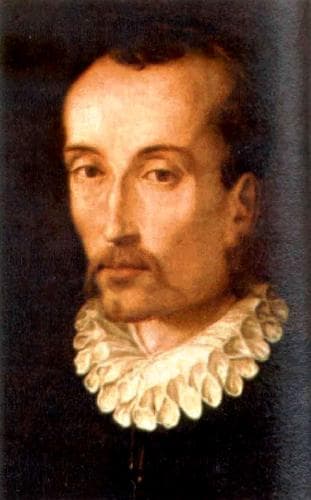
Torquato Tasso (1581)
Genre
Historical Fiction
Reading Time
1200-1500 min (assuming 2-3 pages/min for poetry)
Key Themes
See below
Sign in to track this book
During the siege of Jerusalem, Christian knights fight Saracen warriors and manipulative demons. Love grows tragically between enemies, and faith is tested on the battlefields of the First Crusade.
The story begins with God looking at the Christian armies, who have won many battles but are stopped before Jerusalem. He sends the Archangel Gabriel to Godfrey of Bouillon, telling him to unite the crusader leaders and take command. Godfrey, a religious and brave knight, accepts this divine order. He gathers a council of the many Christian princes and generals at the camp near Tortosa. Despite initial disagreements, Godfrey's wisdom and divine authority convince them to choose him as their supreme commander. This sets the stage for the final push towards the Holy City. This scene establishes Godfrey's leadership and the Crusade's divine purpose.
The Saracen sorceress Armida, niece of the King of Damascus, comes to the Christian camp. She pretends to be a distressed princess seeking help against a usurper uncle. Her beauty and cleverness immediately charm many Christian knights, who believe her sad story. Her real mission, planned by hellish powers, is to cause trouble and reduce Christian forces by luring away their best warriors. She promises them glory and love, leading many, including Eustace (Godfrey's brother), into her magical prison. This weakens the crusader army and delays their advance on Jerusalem.
Rinaldo, a young, impulsive, and powerful Christian knight, fights with Gernando, another crusader who insults him. In anger, Rinaldo kills Gernando. To avoid more conflict and punishment, Godfrey banishes Rinaldo from the camp. This absence is a severe blow to the Christian army, as Rinaldo is their strongest warrior. Soon after, Armida captures Rinaldo and takes him to her enchanted island. She uses magic to make him fall deeply in love with her, holding him captive in a life of pleasure, far from his crusading duties. Two knights, Carlo and Ubaldo, are sent on a dangerous quest to find and retrieve him.
The noble Christian knight Tancred falls deeply in love with the fierce pagan warrior princess Clorinda after meeting her in battle. Clorinda, known for her bravery and white armor, is a strong opponent and a respected leader among the Saracen forces. Their love is complicated by their opposing loyalties, creating deep inner conflict for Tancred. This tragic romance is a main part of the story, showing the personal costs of war and the blurred lines between enemy and beloved. Their meetings on the battlefield are full of both fighting skill and unrequited passion, hinting at a sad future.
After many delays from internal disagreements, magic, and missing warriors, the Christian army, under Godfrey's steady leadership, finally arrives at Jerusalem's walls. The sight of the Holy City renews the crusaders' passion as they prepare for the hard siege. The Saracen defenders, led by King Aladine and the brave Argillan, are equally determined to protect their city. This moment marks the end of their long journey and the start of the final fight for the sacred site. It sets the stage for epic battles and divine help.
The Christian army needs wood to build siege engines to break Jerusalem's strong walls. The only suitable forest near the city is enchanted by the sorcerer Ismen, who has called on evil spirits to protect it. Knights sent to cut trees are scared by monstrous illusions and flee in panic, unable to cut a single log. This magical barrier creates a big problem, showing how hellish forces directly interfere in the earthly conflict. It forces the crusaders to find a hero pure and brave enough to overcome the dark magic.
Carlo and Ubaldo, guided by a hermit and with a magic shield that shows Rinaldo's weakened state, reach Armida's enchanted island. They break the spell holding Rinaldo, who, filled with shame and renewed purpose, leaves Armida and returns to the Christian camp. His return energizes the crusaders. He then bravely enters the enchanted forest, facing the terrifying illusions and demonic guardians. His strong faith and purity allow him to overcome the evil magic, letting the crusaders finally gather the wood needed for their siege engines and continue their attack on Jerusalem.
In a key night battle, Clorinda, in black armor, sets fire to a Christian siege tower. Tancred, not recognizing her, fights her fiercely. After a long and brutal fight, Tancred lands a fatal blow. As Clorinda dies, she asks for baptism. Tancred, horrified, removes her helmet and realizes he has killed the woman he loves. He baptizes her as she dies, finding a bitter comfort in her conversion, but is overcome with deep grief. This scene is one of the most moving and tragic in the epic, showing the cruel irony of war and love.
With their siege engines ready and Rinaldo leading the charge, the Christian forces launch their final, overwhelming attack on Jerusalem. Godfrey, inspired by divine visions, fights with great courage. Rinaldo breaches the walls, creating an opening for the crusaders. Despite strong resistance from the Saracens, led by Aladine and Solyman, the Christian army, driven by religious fervor and divine aid, eventually defeats the defenders. The city falls in a bloody struggle, achieving the crusade's long-held goal and marking a triumphant, though violent, victory for the Christians.
After Jerusalem's capture, Godfrey of Bouillon, with his victorious but tired army, enters the city. He goes directly to the Church of the Holy Sepulchre, the Crusade's ultimate goal. There, he lays down his armor and offers prayers of thanks to God, fulfilling his sacred vow. This act symbolizes the Crusade's spiritual triumph and the Holy City's purification. The scene concludes the epic's main story, highlighting the Christian effort's religious devotion and final success, despite the great sacrifices and moral complexities faced.
The Protagonist
Godfrey maintains his moral fortitude and leadership throughout, overcoming immense obstacles to fulfill his divine mission.
The Protagonist
Rinaldo falls into enchantment and self-indulgence but is redeemed and returns to fulfill his heroic destiny.
The Protagonist
Tancred experiences the tragic loss of his beloved Clorinda, a pivotal event that deepens his melancholy but also reinforces his commitment to faith.
The Antagonist/Supporting
Clorinda fights valiantly for her people, but her destiny is sealed by her love for Tancred, leading to her death and a last-minute conversion to Christianity.
The Antagonist
Armida attempts to thwart the Crusade through enchantment and seduction, but ultimately experiences unrequited love for Rinaldo and a moment of despair.
The Antagonist
Argantes remains steadfastly defiant and courageous until his death in battle, never yielding to the Christian forces.
The Antagonist
Ismen consistently uses dark magic to oppose the Christian army until his enchantments are broken.
The Antagonist
Aladine steadfastly defends Jerusalem against the crusaders until his ultimate defeat and death.
The epic constantly shows how divine will helps the Crusade succeed. God chooses Godfrey, and heavenly beings intervene in battles, inspiring Christian warriors and guiding them. The main goal—freeing Jerusalem—is presented as a holy mission, ordered by God. Even with internal conflicts or evil magic, the strong faith of characters like Godfrey and Rinaldo's return to duty show how spiritual purpose triumphs. This theme is clear when Godfrey prays at the Holy Sepulchre after the city falls, acknowledging divine help.
“From heaven the Lord of Hosts with pitying eye / Upon the Christians cast a gracious look.”
Tasso skillfully blends romantic love into the war, often with sad results. The main example is the doomed love between the Christian Tancred and the pagan Clorinda, ending with his killing her. Similarly, Armida's magical seduction of Rinaldo shows how earthly love and pleasure can distract, drawing warriors from their holy duty. These relationships highlight the personal costs of conflict, the blurring of enemy lines, and the deep emotional turmoil individuals experience within the larger struggle.
“Love, that in gentle hearts makes his abode, / Is oft the cause of cruel, bloody fray.”
The theme of temptation is strongly explored through Armida's enchantments. These lure many Christian knights, especially Rinaldo, away from their holy vows. Her magical island offers a life of pleasure, symbolizing the appeal of worldly desires over spiritual duty. Rinaldo's rescue and return to battle represent redemption, showing that it is possible to overcome sin and return to a righteous path. This arc emphasizes the moral struggles crusaders face and the importance of faith.
“He who in pleasure's soft embrace is bound, / Forgets the path to virtue and renown.”
The epic celebrates different kinds of heroism: Godfrey's steady leadership, Rinaldo's unmatched fighting skill, and Tancred's noble courage. Loyalty to one's faith, commander, and fellow warriors is a top virtue. Conversely, disloyalty and internal divisions weaken the Christian cause. Saracen warriors, such as Argantes and Clorinda, also show deep heroism and loyalty to their people. This challenges the simple idea of good and evil, showing that bravery exists on both sides of a conflict. Their strong commitment to their causes drives much of the story's drama.
“No greater glory can a warrior gain / Than to defend his country and his faith.”
God and angels actively guide and influence the Christian forces.
Divine intervention is a pervasive plot device, establishing the Crusade as a divinely sanctioned mission. God sends Gabriel to appoint Godfrey, angelic hosts inspire crusaders in battle, and miracles occur to aid the Christian cause. This device not only provides a moral framework but also directly influences the plot by resolving seemingly insurmountable obstacles, such as inspiring a wavering army or giving Godfrey visions. It underscores the epic's theological underpinnings and the belief that God's will ultimately prevails.
Sorcerers and demons use supernatural powers to hinder or aid the warring factions.
Magic and enchantment are central to the conflicts in 'Jerusalem Delivered'. Saracen sorcerers like Armida and Ismen wield powerful spells, creating illusions, enchanting forests, and seducing knights to weaken the Christian army. These magical elements introduce fantastic obstacles that require heroic purity or divine aid to overcome, such as Rinaldo breaking the forest's enchantment. This device adds a layer of supernatural struggle, reflecting the spiritual battle between good and evil, and provides opportunities for grand, imaginative set pieces.
Characters undertake perilous journeys to achieve a specific goal.
While the main plot is the siege, several sub-plots involve classic epic quests. The most notable is the journey undertaken by Carlo and Ubaldo to find and rescue Rinaldo from Armida's enchanted island. This quest involves navigating treacherous lands, overcoming magical guardians, and resisting temptations. These smaller journeys mirror the larger Crusade, highlighting themes of perseverance, loyalty, and the struggle against distracting worldly pleasures, ultimately serving to restore the strength of the Christian army for the final assault.
Events unfold in a way that is contrary to what is expected, often with sorrowful results.
Tragic irony is most poignantly demonstrated in the story of Tancred and Clorinda. Despite their profound love, they are on opposing sides of a war. The ultimate tragic irony occurs when Tancred unknowingly kills Clorinda in battle, only to discover her identity as she dies in his arms, requesting baptism from her slayer. This device amplifies the emotional impact of the narrative, underscoring the cruel and arbitrary nature of war, and the profound personal suffering it inflicts, even on those who fight with honor.
“O, what a glory, what a fame, what praise, / In after ages, shall thy name attend!”
— Speaking of the rewards for those who fight for God.
“The world is full of snares, and dangers too, / And he that thinks he stands, had best take heed.”
— A warning about complacency and the ever-present dangers.
“But when the mind, with too much pleasure fed, / Grows soft and tender, and the spirit dead, / Then vice creeps in, and virtue flies away.”
— Reflecting on the corrupting influence of excessive pleasure.
“For love, when it is pure and truly just, / Is stronger far than any human trust.”
— Describing the power and nature of true love.
“So little needs, so little can suffice, / To make us happy, and to make us wise.”
— A reflection on the simplicity of true happiness and wisdom.
“But cruel fortune, with a jealous eye, / Doth often cross us, when we soar too high.”
— Commenting on the unpredictable and often harsh nature of fate.
“He that will reap the fruit, must sow the seed.”
— A proverb emphasizing the necessity of effort for reward.
“The greatest minds, when most they are opprest, / Burst forth with vigor, and disdain to rest.”
— Describing the resilience and determination of great leaders in adversity.
“For what is life, but a perpetual fight, / Against the darkness, and for truth and light?”
— A philosophical view of life as a constant struggle for good.
“And oft, where least we fear, the danger lies.”
— A warning about hidden dangers and unexpected threats.
“No greater torment can a soul endure, / Than to remember joys that are no more.”
— Lamenting the pain of lost happiness.
“Thus, in the bosom of a tender maid, / A hero's heart, and warrior's soul, displayed.”
— Describing Clorinda's strength and courage, despite her gender.
“The path to glory, through the grave must run.”
— A stark reminder of the sacrifices required for immortal fame.
“For who can 'scape the dart of destiny?”
— Reflecting on the inevitability of fate.
Ready to see how well you understood this book? Take our interactive quiz with 10 questions.
Biography coming soon.







