“Most people just think you're weird, and then you're weird alone.”
— Reflecting on the isolation of being different in a small town.

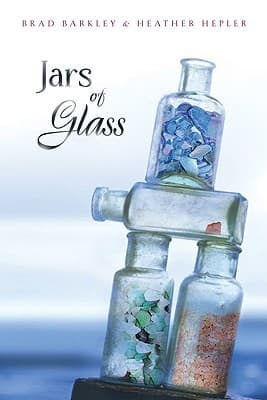
Brad Barkley (2008)
Genre
Young Adult
Reading Time
246 min
Key Themes
See below
Sign in to track this book
After their mother's absence and their father's withdrawal, two sisters—one burdened by responsibility, the other rebellious—must confront a dark family secret to redefine their fractured home.
The story opens with Chloe, a responsible teenager, dealing with the absence of her mother, who has been institutionalized for an unspecified mental illness. Chloe cares for her younger adopted brother, Micah, who is imaginative and still believes in the fantastical stories their mother used to tell. Their father, overwhelmed by his wife's illness, has become withdrawn, leaving Chloe to manage the household and Micah's needs. Her older sister, Shana, copes with the family's fractured reality by adopting a Goth persona and escaping into the night, creating tension between the sisters as Chloe resents Shana's perceived irresponsibility.
Micah, still hoping for their mother's return, collects small, everyday objects and places them into a jar, believing these 'wishes' will magically bring her back. He frequently asks Chloe and Shana to contribute to the jar, a request that highlights their differing coping mechanisms. Chloe, pragmatic and disillusioned, finds it difficult to indulge Micah's fantasies, while Shana, despite her cynical exterior, occasionally participates, revealing a hidden tenderness beneath her Goth facade. The jar becomes a symbol of their collective longing and the ways they process their grief and hope.
The family prepares for their first visit to the institution where their mother resides. This event is a source of anxiety and anticipation for everyone. Chloe feels a mix of dread and a desperate hope for some semblance of their old family to return. Their father is uncomfortable, struggling to maintain composure. Shana is resistant, her Goth attire serving as both a shield and a statement of defiance. Micah, however, is filled with innocent excitement, believing this visit is a step towards his mother coming home permanently, further pressuring his sisters to maintain a facade of normalcy.
During the visit, their mother's mental state is clearly far from recovery. While she is generally calm, she speaks of fantastical, delusional scenarios, particularly focusing on Shana. She tells a story about Shana being a mermaid princess from an underwater kingdom, a narrative she used to tell them as children but now presents as absolute reality. This delusion is unsettling for Chloe, who sees the stark reality of her mother's illness. For Shana, however, it is a terrifying revelation that exposes the true depth of her mother's break from reality and the potential danger she perceives.
After the visit, Shana finally breaks her silence and confides in Chloe. She tearfully reveals that their mother's 'mermaid princess' stories were not always benign. Before her institutionalization, their mother, in a state of delusion, had attempted to physically harm Shana, believing she needed to 'return to the sea' to save her underwater kingdom. This traumatic incident is why Shana has been so resistant to their mother's return and why she wears her Goth attire as a form of self-protection and a barrier against the painful reality. Chloe is shocked and heartbroken by this revelation, realizing the true extent of Shana's suffering and her mother's illness.
Chloe, now burdened by Shana's confession, understands her sister's fear and her resolve to prevent their mother from returning home. The whimsical tales of their childhood have been twisted into a source of terror for Shana, and Chloe recognizes the responsibility Shana feels to protect herself and, implicitly, Micah from their mother's potential harm. This revelation shifts Chloe's perspective entirely, moving her from resentment of Shana's behavior to deep empathy and a shared understanding of the impossibility of their mother's full recovery and return.
Their father continues to struggle with his wife's illness, retreating further into himself. He is unable to provide the emotional support his daughters need, or even acknowledge the true severity of his wife's condition. He clings to the hope of her eventual recovery and return, a hope that now feels cruel and unrealistic to Chloe and Shana, especially after Shana's confession. His withdrawal creates an emotional vacuum, forcing the sisters to rely on each other and navigate their painful reality largely on their own, further solidifying their bond in shared adversity.
With the knowledge of their mother's delusions and Shana's trauma, Chloe faces the difficult task of managing Micah's innocent belief in their mother's return. She knows she cannot shatter his world completely, but she also cannot allow him to live in a false hope that could eventually lead to disappointment or even danger. She grapples with how to gently introduce the reality of their mother's illness without destroying Micah's sense of wonder or his love for their mother, understanding that the 'fairy tales' now hold a darker, more complex meaning.
The shared trauma and the heavy secret of their mother's condition force Chloe and Shana to put aside their previous animosity. Chloe's understanding of Shana's pain creates a newfound respect and empathy between them. They begin to communicate more openly, relying on each other for emotional support that their father cannot provide. This shared burden, initially isolating, brings them closer, laying the foundation for a new, stronger sisterly bond built on mutual understanding and a shared commitment to protecting Micah and navigating their altered family.
Micah's jar of wishes, though no longer actively being filled with the same fervent hope for his mother's magical return, remains a symbol in their home. It represents the innocence they have lost, the dreams that have been reshaped, and the enduring power of hope, albeit a different kind of hope. Chloe and Shana understand that while the jar may not bring their mother back whole, it can still represent their collective desire for a happy, stable family, even if that family looks different from the one they once knew.
Recognizing that their mother will not be returning home in the way they once envisioned, Chloe and Shana make a conscious decision to redefine what family means to them. They understand that their father, while present, is emotionally unavailable. It falls to them to create a stable, loving environment for Micah and for each other. This involves not just practical care but also emotional support, shared responsibilities, and a commitment to facing their future together, actively constructing a new family unit from the fragments of their old one.
The novel concludes with Chloe and Shana, united and stronger than ever, embracing their redefined family. While the pain of their mother's illness and absence remains, they are no longer broken by it. They have found resilience in their sisterly bond and a renewed sense of purpose in caring for Micah and each other. They understand that while their mother's stories of underwater kingdoms were once a source of comfort, they must now forge their own narratives of strength, love, and hope, building a future where they are each other's anchors.
The Protagonist
Chloe transforms from a resentful, burdened caregiver to an empathetic, understanding sister who embraces a new definition of family and finds strength in shared responsibility.
The Supporting Character / Co-protagonist
Shana moves from isolated trauma and rebellion to vulnerable honesty and a strong, supportive partnership with Chloe.
The Supporting Character
Micah's arc is less about personal change and more about how his unwavering hope and innocence influence and shape the arcs of Chloe and Shana, forcing them to confront harsh realities while also reminding them of the power of love and imagination.
The Supporting Character
His arc is largely one of stagnation, serving to highlight the sisters' resilience and the necessity of their bond in the absence of strong parental guidance.
The Mentioned / Catalyst
Her arc is one of tragic stasis, her illness preventing any personal development, instead serving as the central conflict that forces her family to evolve.
The novel explores how family structures and definitions evolve in the face of crisis. Initially, the family is broken by the mother's illness and the father's withdrawal, leaving Chloe and Shana isolated. However, through shared trauma and the need to protect Micah, the sisters forge a new, stronger bond, becoming the core of their redefined family. This theme is evident when Chloe and Shana consciously decide to take responsibility for Micah and each other, understanding that their old family unit is gone, but a new, resilient one can be built. They learn that family is not just about blood or traditional roles, but about mutual support, love, and commitment, as seen when they lean on each other for emotional strength in the absence of their father's guidance.
“It was up to the sisters to pull together and form a new definition of family.”
Each family member deals with the mother's illness and absence in distinct ways, highlighting diverse coping mechanisms for trauma and grief. Chloe adopts a pragmatic, responsible approach, burying her own feelings under the weight of caregiving. Shana, in contrast, escapes through rebellion and a Goth persona, a direct manifestation of her deeper, hidden trauma from her mother's delusions. Their father withdraws emotionally, unable to face the reality. The novel shows how these individual coping strategies initially create distance but ultimately lead to a shared understanding and healing when Shana finally confides in Chloe, allowing them to process their collective pain together and move forward.
“Shana copes by escaping every night under the cover of Goth garb.”
The transition from childhood innocence to a harsh adult reality is a central theme, particularly for Chloe and Shana. Their mother's fantastical stories, once a source of joy and wonder, become tainted by the reality of her mental illness. Chloe loses her belief in fairy tales as she shoulders adult responsibilities, while Shana's innocence is shattered by a traumatic incident stemming from her mother's delusions. Micah's unwavering belief in his 'wish jar' serves as a contrast, representing the innocence the sisters have lost. The novel explores the pain of this disillusionment but also the strength found in confronting difficult truths and building a new reality.
“Chloe does not allow herself to believe in fairy tales. She is too busy caring for her adopted brother, Micah, because Dad has become withdrawn.”
At its heart, the book is about the power of sisterhood. Initially, Chloe and Shana are at odds, their differing coping mechanisms creating friction and resentment. However, the shared burden of their mother's illness and Shana's traumatic revelation forces them to confront their differences and ultimately rely on each other. Their bond strengthens through empathy, understanding, and a shared commitment to protecting Micah and navigating their shattered family. This sisterly connection becomes the most stable and hopeful element in their lives, showing that even in the darkest times, familial love and support can provide resilience and a path forward.
“It is up to the sisters to pull together and form a new definition of family.”
A symbolic object representing hope, innocence, and the family's fractured dreams.
Micah's jar, filled with small objects representing 'wishes' to bring his mother home, serves as a powerful symbol throughout the novel. Initially, it embodies Micah's innocent hope and the lingering magic of their mother's stories. For Chloe, it's a painful reminder of their mother's absence and the unrealistic nature of magic. For Shana, it's a poignant symbol of lost innocence and a challenge to her cynical facade. As the story progresses, the jar transforms from a symbol of literal hope for their mother's return to a representation of the family's collective longing for stability and a new, different kind of happiness, even if their mother cannot be 'fixed.'
A motif that shifts from comforting fantasy to disturbing delusion, revealing the true nature of her illness.
The stories their mother used to tell about kingdoms under the sea and mermaid princesses function as a crucial motif. In the beginning, they represent a nostalgic, idyllic past and the mother's loving, imaginative nature. However, as the mother's mental illness is revealed, these stories take on a darker, more sinister meaning. They become the vehicle for her delusions, culminating in the traumatic incident where she attempts to harm Shana, believing she must 'return to the sea.' This shift highlights the tragic impact of mental illness, transforming innocent fantasy into a source of fear and disillusionment for the sisters.
A visual representation of Shana's internal pain, rebellion, and self-protection.
Shana's consistent Goth attire and persona serve as a significant plot device, visually communicating her internal state. It acts as a shield, a barrier against the painful reality of her family's situation and her personal trauma. It's a form of rebellion against the expectations placed upon her and a way to express her grief and anger without directly articulating them. The Goth garb also subtly foreshadows her deeper pain, suggesting a darkness she carries. As she begins to open up to Chloe, the importance of this 'costume' as a coping mechanism becomes clearer, symbolizing her journey from isolation to vulnerability.
A negative space that forces the sisters to step up and forge their own bond.
The father's emotional withdrawal and inability to cope with his wife's illness act as a plot device by creating a vacuum in the family's leadership and emotional support structure. This absence forces Chloe to take on adult responsibilities and compels both sisters to rely on each other. His inability to provide guidance or comfort directly contributes to the sisters' need to redefine their family and strengthen their bond. His character, while present, functions more as a catalyst for the sisters' development than as an active participant in their journey of healing and redefinition.
“Most people just think you're weird, and then you're weird alone.”
— Reflecting on the isolation of being different in a small town.
“It's like the whole world is a giant game of telephone, and the message gets garbled before it ever gets to you.”
— Describing the feeling of misunderstanding and miscommunication in life.
“Sometimes the things you hold onto the tightest are the things that hurt you the most.”
— A realization about attachment and letting go.
“The past is like a jar of glass. You can see through it, but you can't get back in.”
— A poignant metaphor for memory and the irreversibility of time.
“You can't really know a place until you've left it, and then come back.”
— Reflecting on the perspective gained from distance and return.
“Grief is a funny thing. It doesn't just go away. It just changes shape.”
— Observing the enduring nature of grief.
“Sometimes the bravest thing you can do is just keep going, even when you don't know where you're headed.”
— A thought on resilience and uncertainty.
“Secrets are like tiny little weights. You carry enough of them, and you can't move anymore.”
— Commenting on the burden of keeping secrets.
“It's hard to be a hero when no one's watching.”
— A quiet observation about unnoticed acts of courage.
“The world keeps spinning, even when your own little world feels like it's stopped dead.”
— Contemplating the indifference of the world to personal tragedy.
“Maybe the point isn't to be perfect, but just to be. And to try.”
— A reflection on self-acceptance and effort.
“Some stories aren't meant to be told out loud. They're just meant to live inside you.”
— Discussing unspoken personal narratives.
“You can't choose what memories stick with you, only how you carry them.”
— A thought on the nature of memory and its impact.
“The quietest moments are often the ones that echo the loudest later on.”
— Reflecting on the significance of subtle, impactful moments.
Ready to see how well you understood this book? Take our interactive quiz with 10 questions.

Brad Barkley is an American author known for his poignant and often melancholic fiction. His debut novel, "Jars of Glass," explores themes of memory, loss, and the complexities of family relationships. Barkley's writing is often characterized by its lyrical prose and introspective character studies.